Komodo National Park
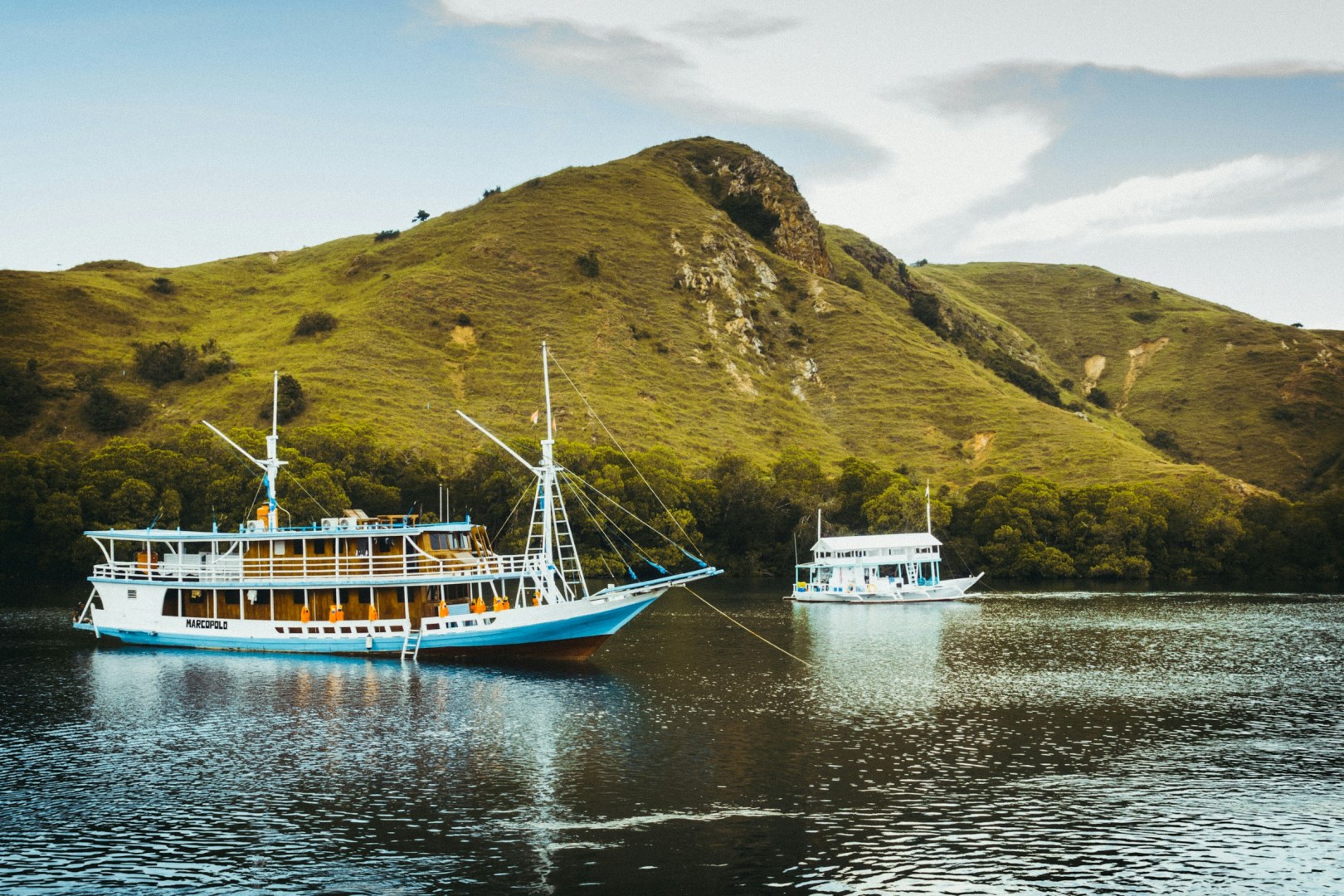
Komodo National Park is a natural wonder, home to the world’s largest lizards, breathtaking pink sand beaches, and colorful coral reefs. Trek through rugged landscapes to spot Komodo dragons in the wild or dive alongside graceful manta rays and colorful fish. With jagged hills rising from turquoise waters, the park offers an unforgettable adventure that feels truly otherworldly.

Dominica
Dominica, known as the “Nature Island of the Caribbean,” is a haven for eco-tourists and adventure seekers. Nestled between the French islands of Guadeloupe and Martinique, this lush island boasts a remarkable landscape of volcanic mountains, dense rainforests, and stunning waterfalls. Dominica’s most iconic natural wonder is the Boiling Lake, the second-largest hot spring in the world.
Elbe River
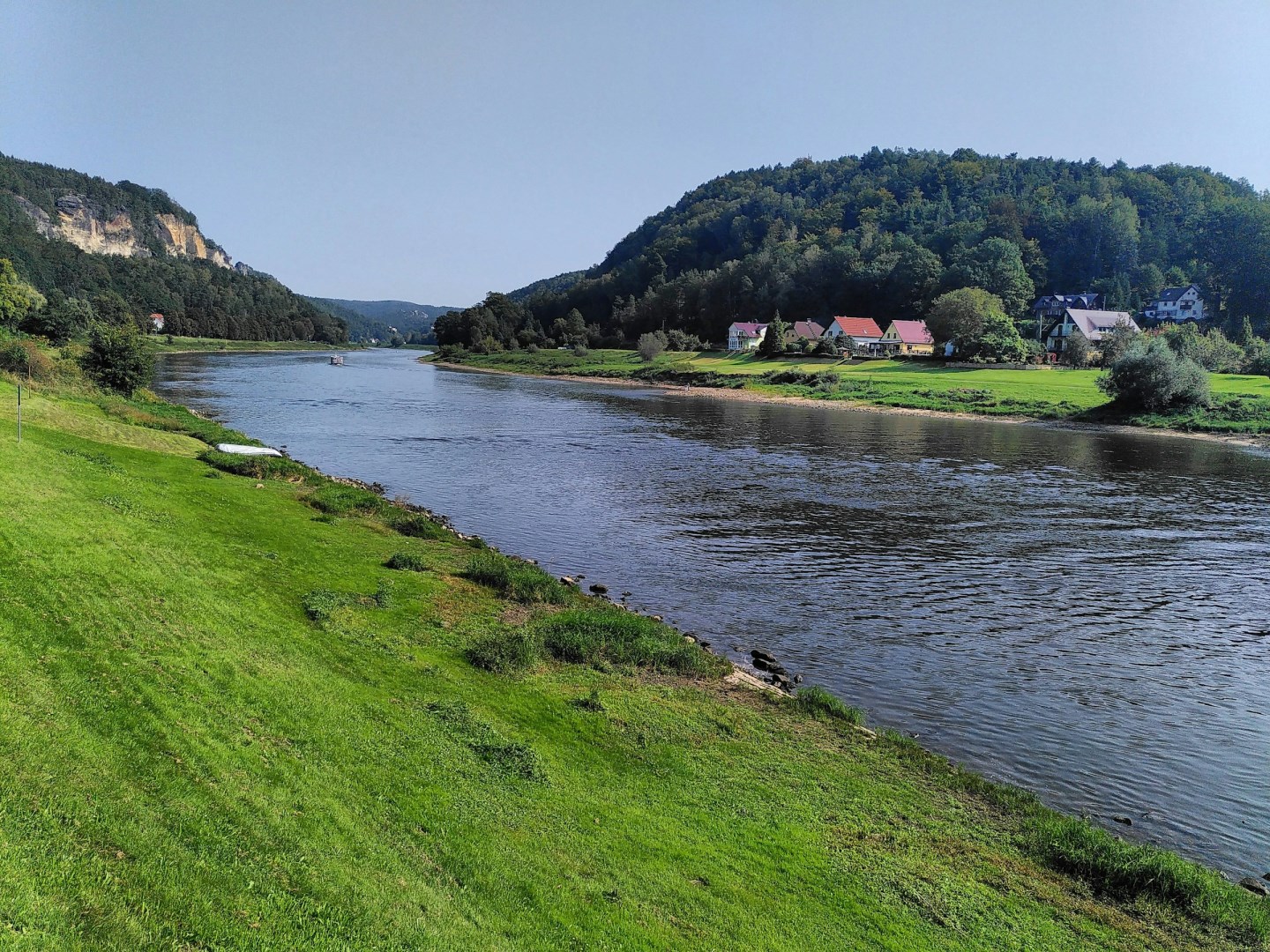
The Elbe is one of the Central Europe's greatest rivers, rising in the northern Czech Republic, traversing through Bohemia and Germany, and flowing into the North Sea not far from Hamburg. The river and its route have been largely untouched, so wildlife visibly abounds along its wetlands and wooded regions. Other scenery includes terraced vineyards and charming wine villages.

Eryri National Park (Snowdonia)
Snowdonia, a majestic national park in North Wales, offers a stunning tapestry of natural beauty and adventure. At its heart is Mount Snowdon, the highest peak in Wales, reaching 1,085 meters (3,560 feet). The mountain is accessible via several well-marked trails, with the Snowdon Mountain Railway providing a scenic ride to the summit. From the top, panoramic views stretch over rugged landscapes and, on clear days, to the distant peaks of Ireland.
Macedonia
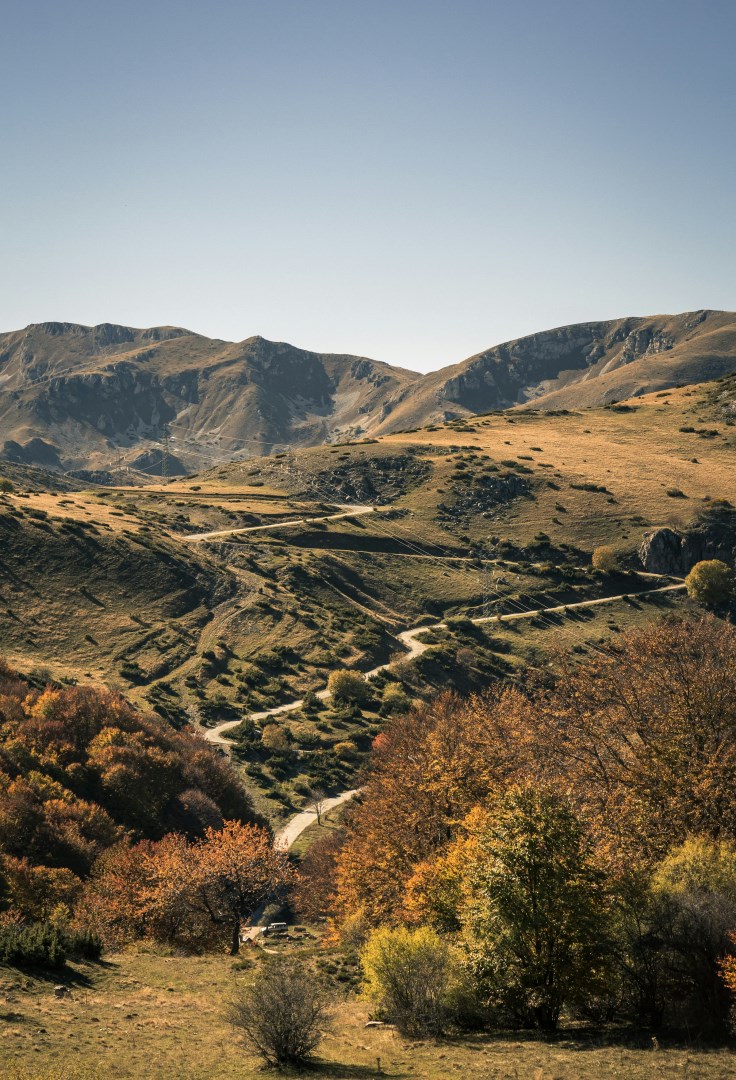
Macedonia, officially known as North Macedonia, is a country where ancient history and vibrant culture meet in a striking landscape. The capital city, Skopje, showcases a blend of old and new with its Ottoman-era bazaars sitting alongside modern sculptures and bridges. Visitors can explore the stone bridge, a symbol of the city, and wander through the Old Bazaar, where traditional crafts and local flavors invite discovery.