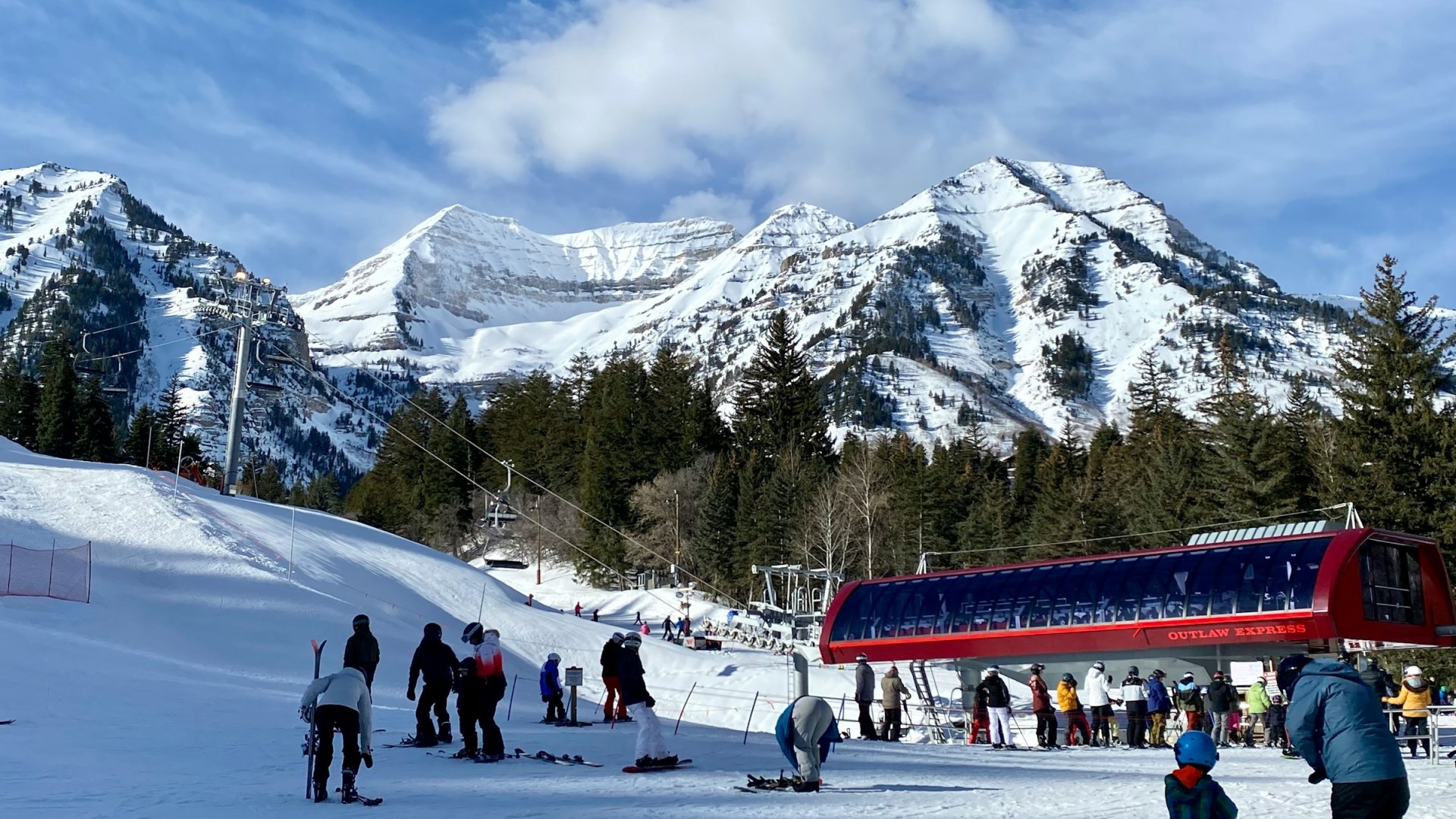
Durham
Seen from the train, Durham presents a magnificent sight, with cathedral and castle perched atop a bluff enclosed by a loop of the River Wera, and linked to the suburbs by a series of sturdy bridges.

Cabo San Lucas
Nestled on the southern tip of California's Baja Peninsula, there's a feeling of peace on Cabo San Lucas, Mexico. Find your own private sand dune and bask in the sun. Walk along the famous Playa del Amor or explore Cabo's unique rock formations that are found in almost every cove. For a special treat, stop and watch artists create black coral jewelry.
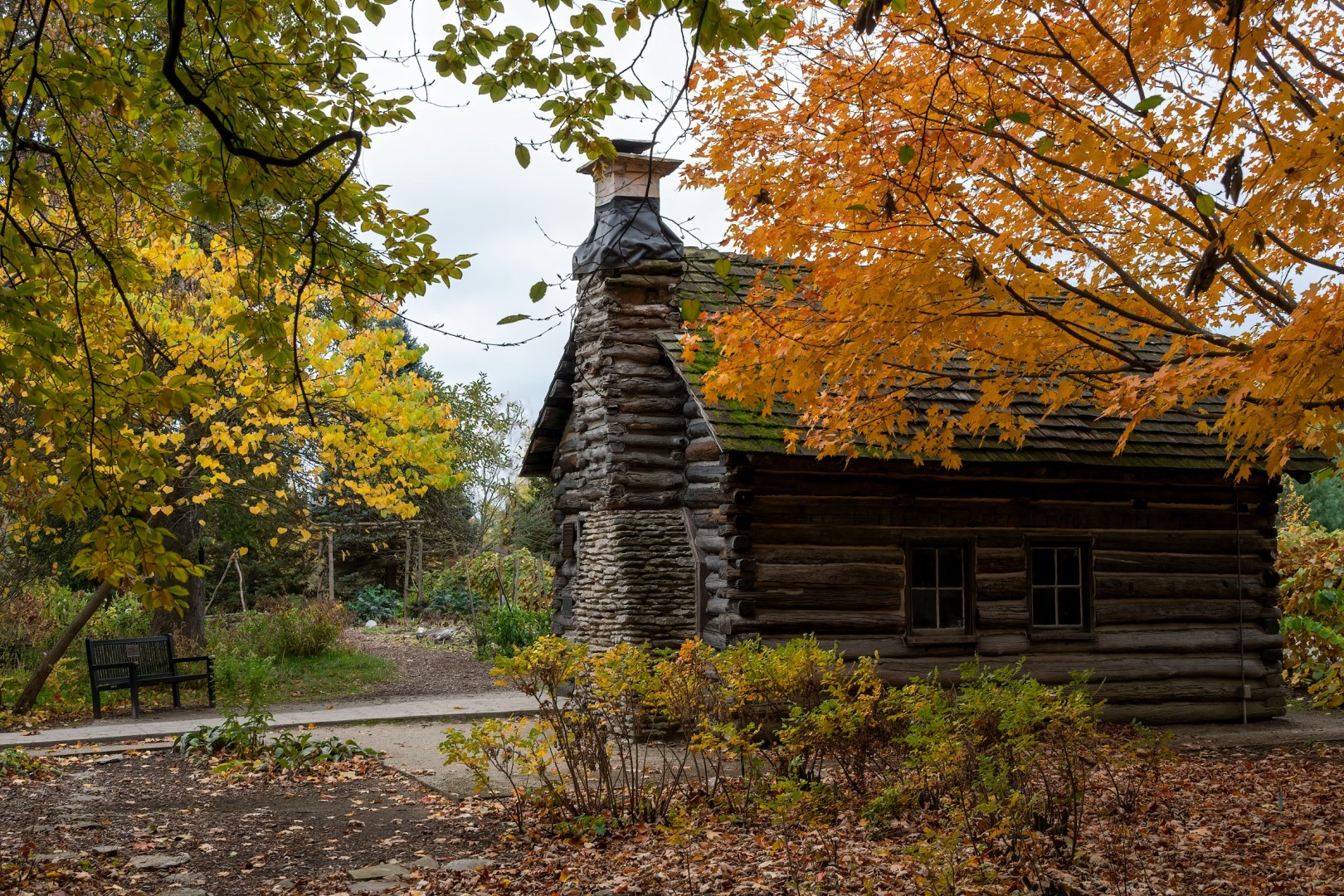
Toledo
Toledo, seat of Lucas County, northwestern Ohio, a port on the Maumee River, at its mouth on Lake Erie; incorporated 1837. The city's extensive transportation facilities include its fine natural harbor, which is a port on the Great Lakes-Saint Lawrence Seaway and ranks among the world's leading soft-coal-shipping ports; an extensive network of railroads; and an air cargo terminal.
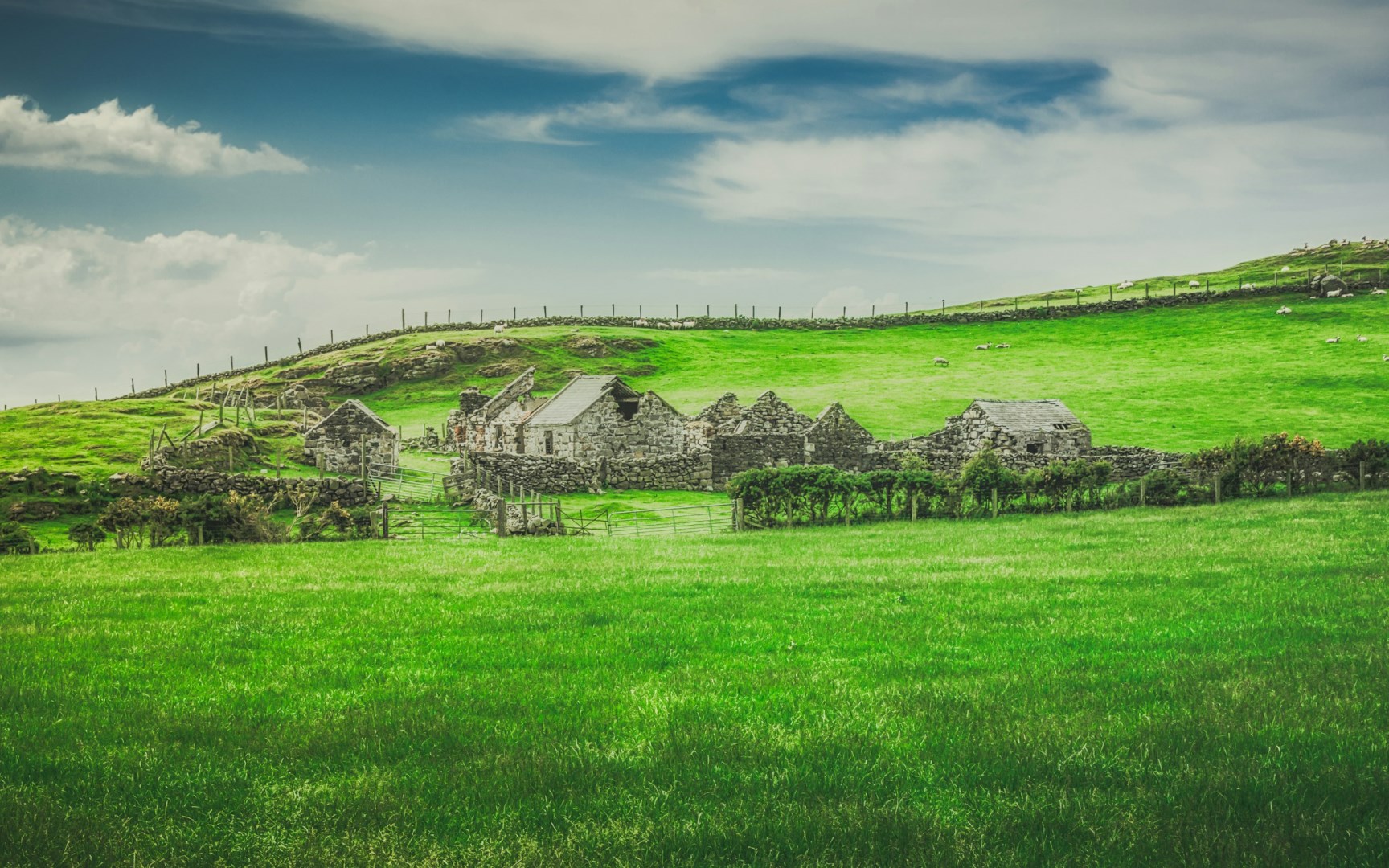
Ballycastle
Ballycastle is a small seaside town on the north coast of County Antrim, Northern Ireland, positioned between the Causeway Coast and the Glens of Antrim. Its harbor faces Rathlin Island and the North Channel, while the surrounding landscape includes beaches, cliffs, farmland, and wooded valleys. Ballycastle Beach stretches along the eastern side of the town, with views across the water toward Rathlin and, in clear conditions, the Scottish coast.
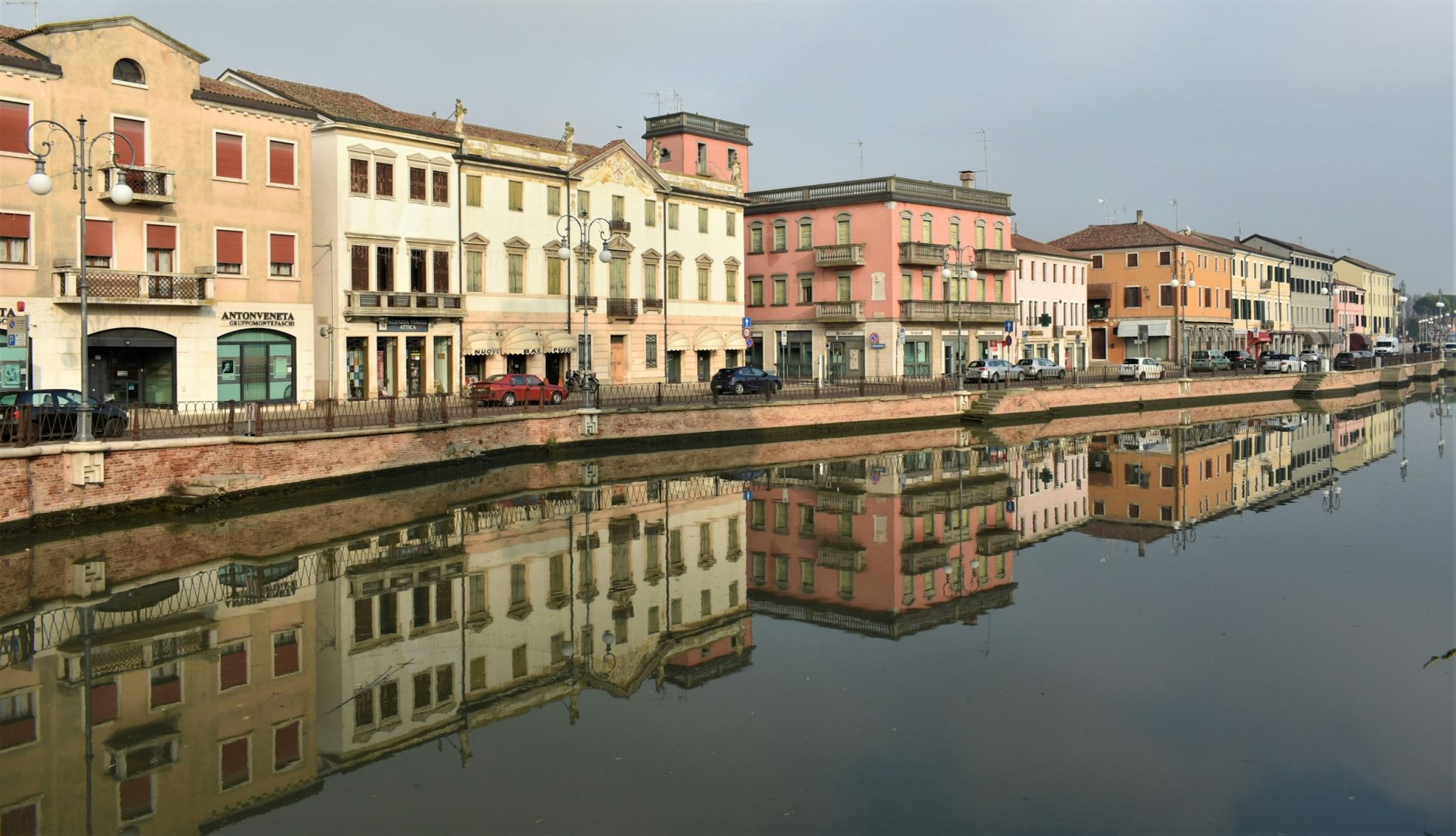
Adria
Adria is a historic town in the Veneto region of northeastern Italy, situated between the Po River and the Adriatic coast. Its name is closely associated with the Adriatic Sea, while its modern landscape lies within the flat, water-rich countryside of the Po Delta. The town developed around waterways that have long supported agriculture, trade, and transport.