Toulon
Toulon, a vibrant port city on the French Riviera, is a hidden gem waiting to be explored. Known for its deep natural harbor, Toulon has long been a significant naval base for France, and the city's maritime heritage is still very much alive today. Visitors can explore the bustling Toulon Harbor, where yachts, fishing boats, and naval vessels coexist in a lively display of seafaring life.
Uvita
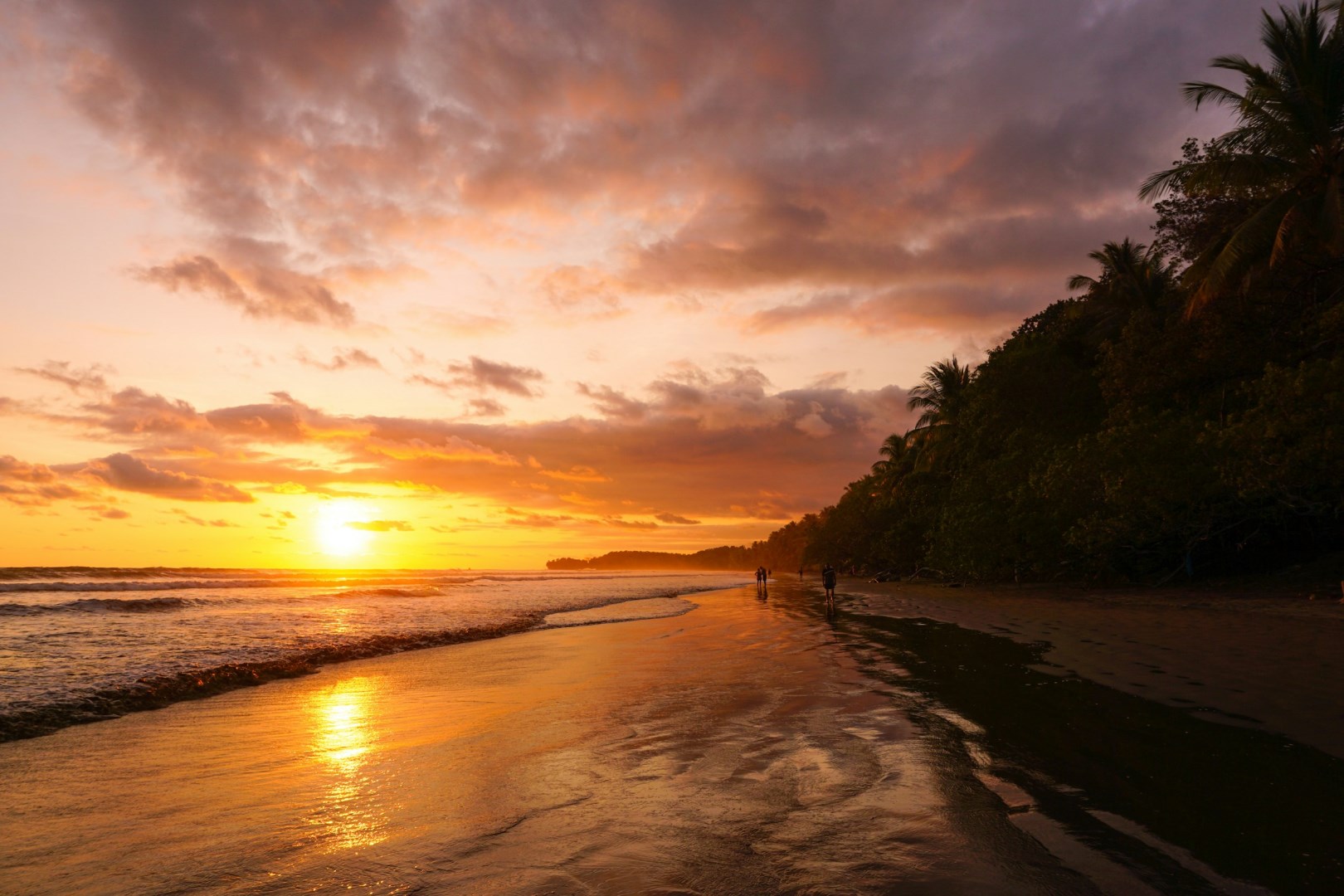
Uvita is a small coastal community in southern Costa Rica's Puntarenas Province, located along the Pacific coast on the Osa Peninsula region. The town is surrounded by tropical forest, rivers, mangroves, farms, and beaches, with the forested mountains of the coastal range rising inland.
Frutillar
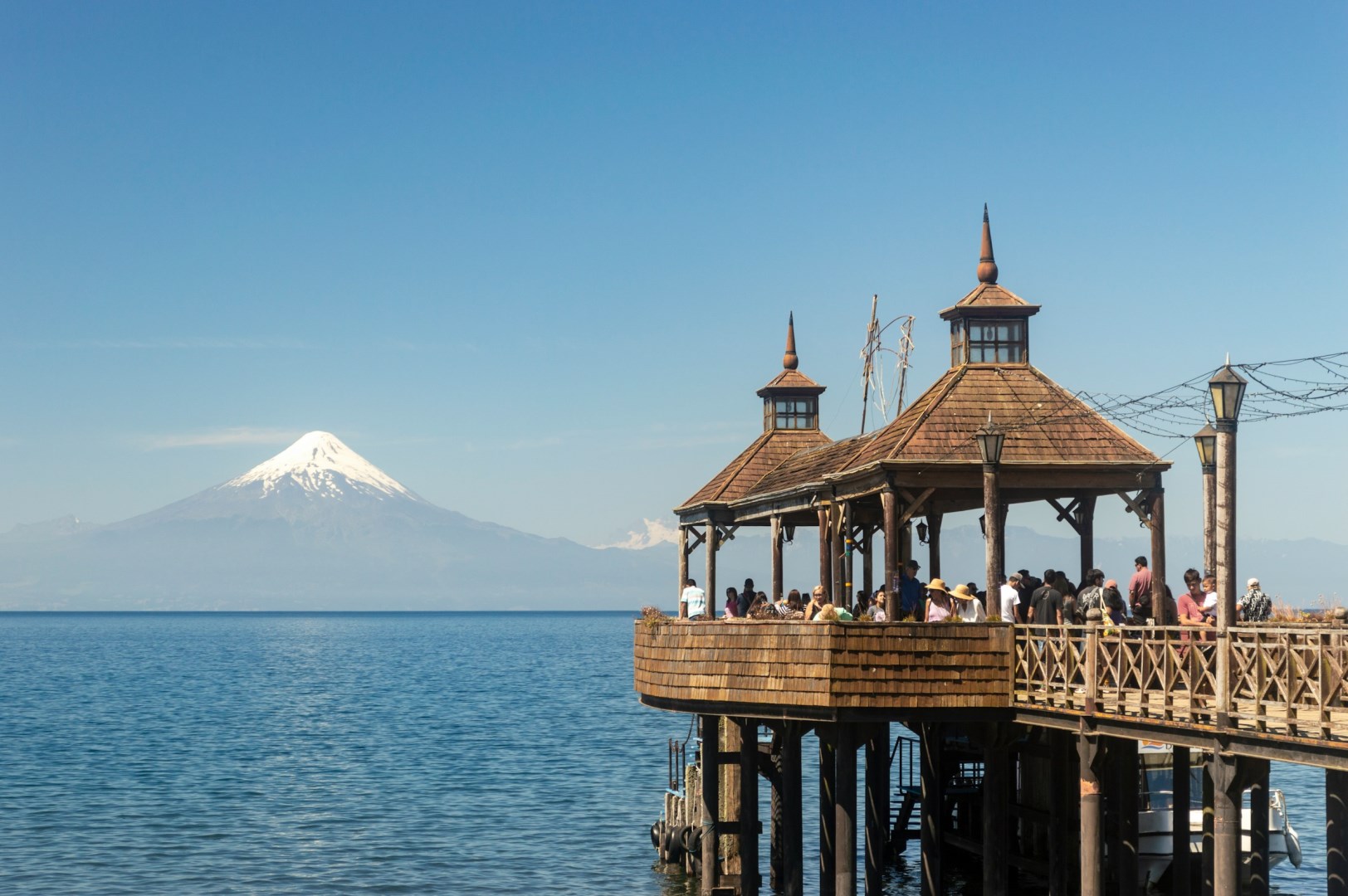
Frutillar is a small city on the western shore of Lake Llanquihue in southern Chile, with views across the water toward the snow-covered Osorno, Puntiagudo, Tronador, and Calbuco volcanoes. Its waterfront is defined by a long promenade, gardens, and dark volcanic-stone beaches, while wooden houses and carefully maintained public spaces give the town a distinctive appearance.

Havana
Havana, Cuba's vibrant capital, is a city where the past and present coalesce to create an unforgettable travel experience. Walking through Old Havana (La Habana Vieja), a UNESCO World Heritage site, feels like stepping back in time. The cobblestone streets are lined with pastel-colored colonial buildings, baroque churches, and iconic plazas, such as Plaza de la Catedral and Plaza Vieja, each with its own unique charm and history.
Bopa
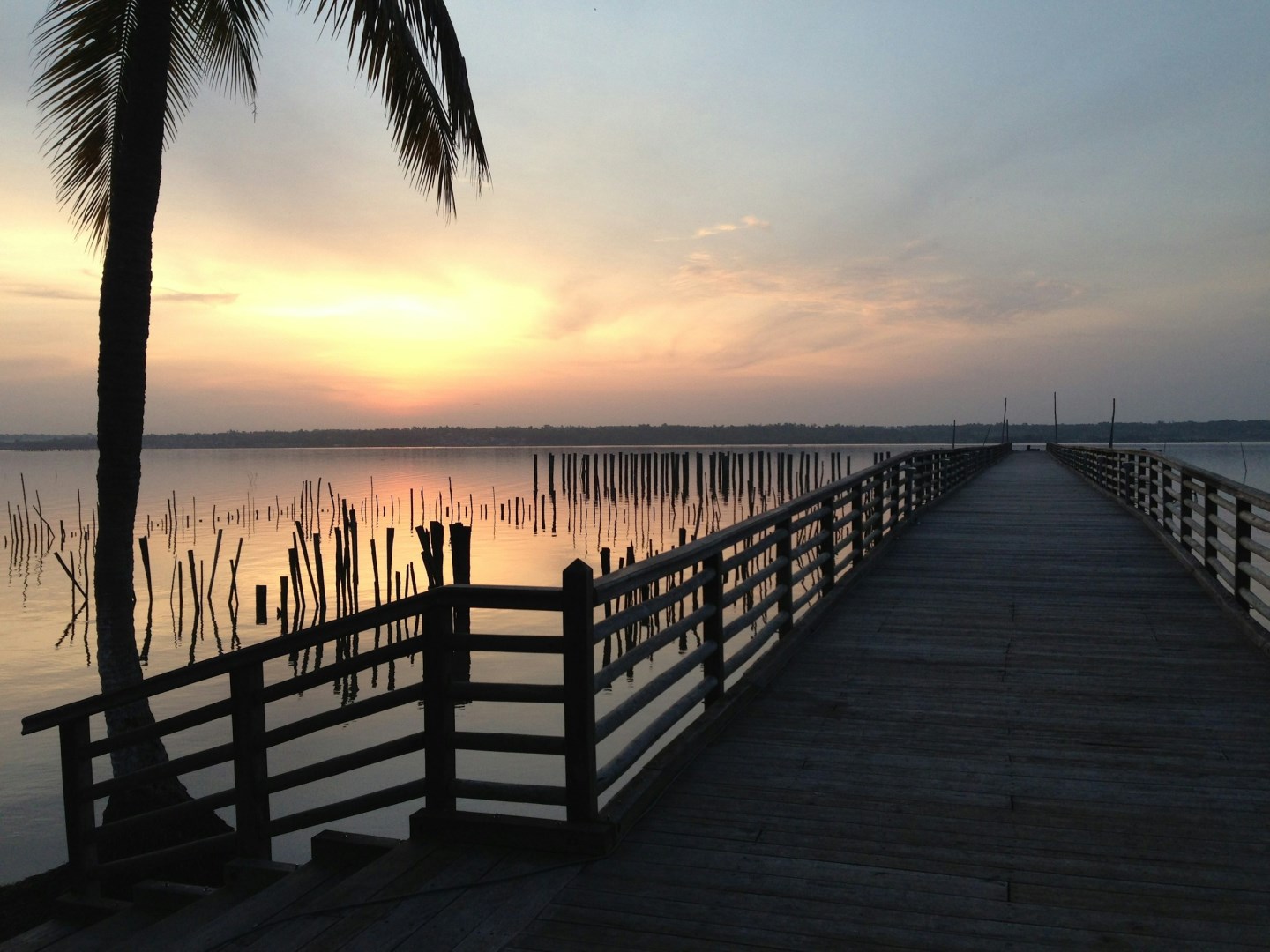
Bopa is a lakeside town in southwestern Benin, located in the Mono Department along the shores of Lake Ahémé. The town sits within a landscape of water, wetlands, palm trees, farmland, and low-lying coastal vegetation, with the lake playing an important role in local life. Fishing is a major activity, and traditional boats can be seen operating across the lake and along its shoreline.