Calais
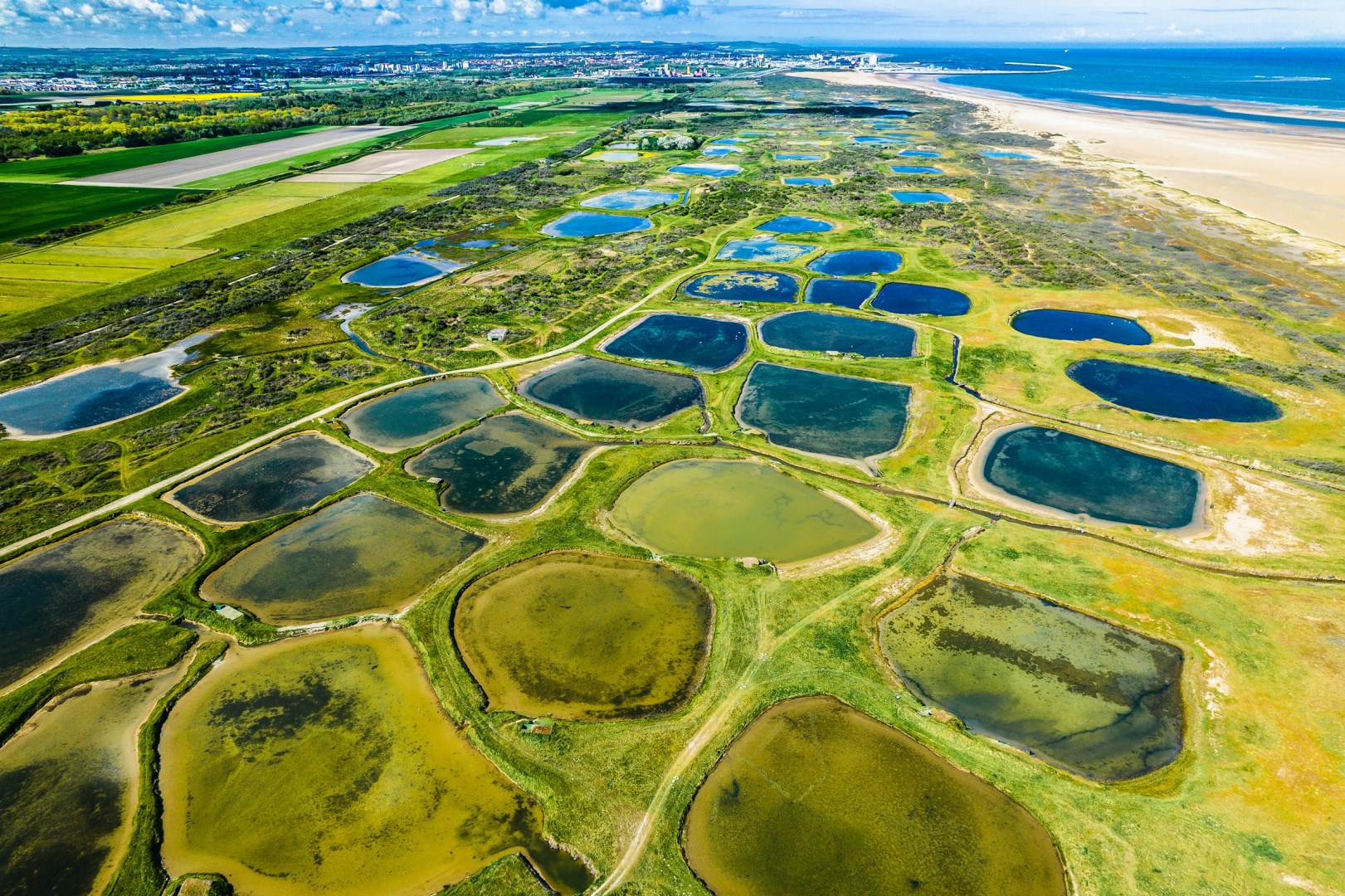
Calais is a port city on France's northern coast, facing the Strait of Dover at the narrowest point of the English Channel. Its location has made it an important link between France and Britain, with ferries and the Channel Tunnel connecting the region to England. The city centre includes broad boulevards, public squares, and historic buildings, while the waterfront extends toward sandy beaches and dunes.
Turín
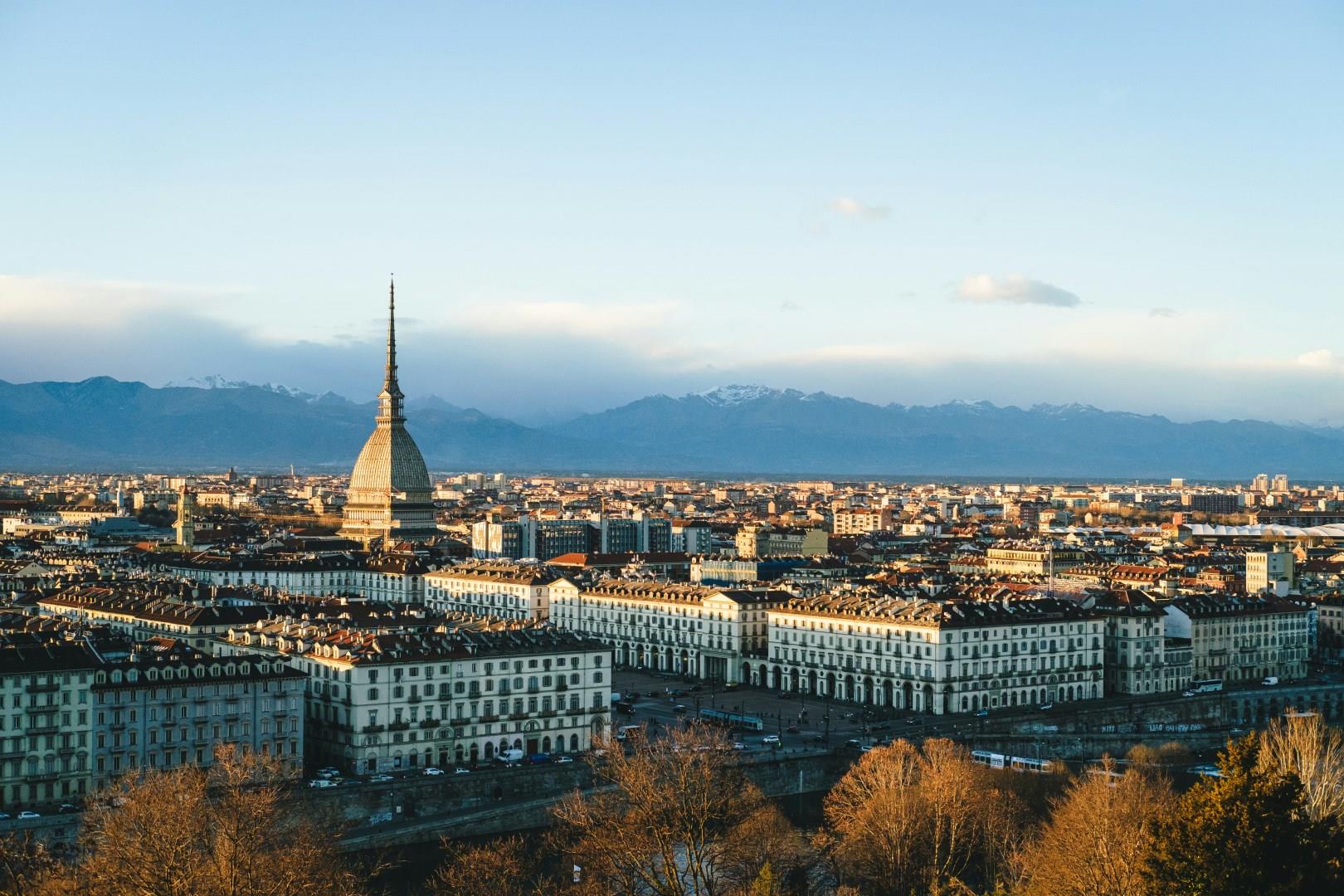
Turin carries a regal atmosphere reflected in its palaces, wide boulevards, and arcaded streets. Its history as a political and cultural powerhouse is still evident today, while its role as the birthplace of Fiat underscores its influence on modern industry.
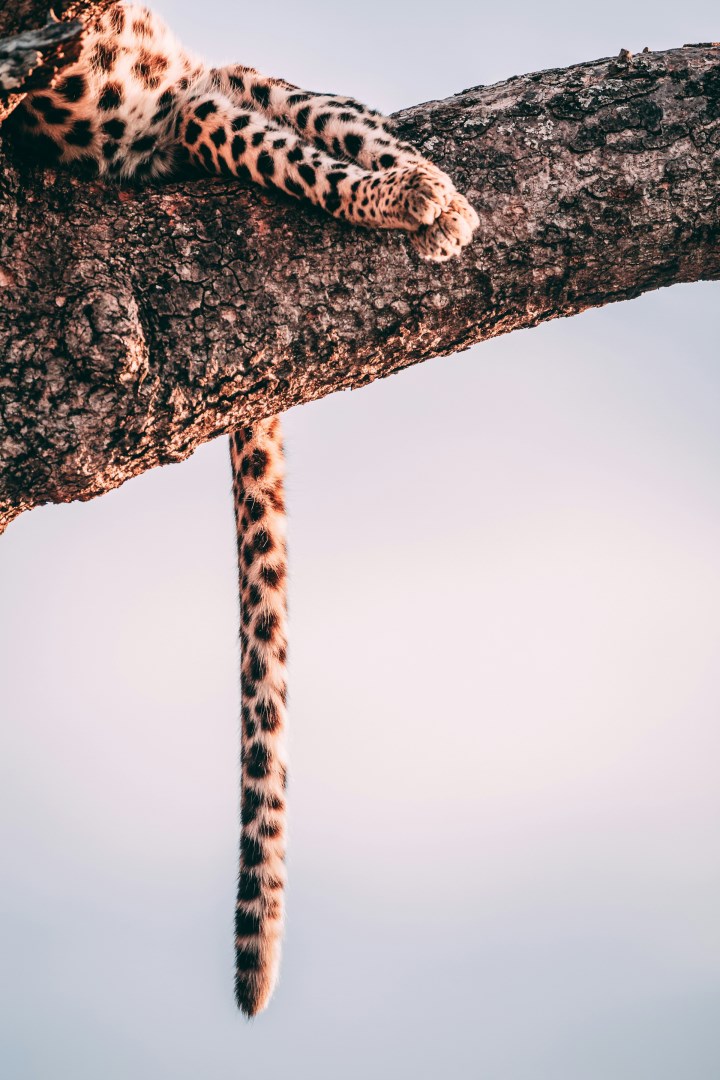
Manyeleti Game Reserve
Manyeleti Game Reserve is a protected wildlife area in Mpumalanga, forming part of the Greater Kruger ecosystem. It covers about 23,000 hectares and shares unfenced boundaries with Kruger National Park, Timbavati Game Reserve, and Sabi Sand. The name Manyeleti comes from the local Shangaan language and means “place of stars,” reflecting the clear night skies of the Lowveld.

Brecon Beacons
The Brecon Beacons, officially known as Bannau Brycheiniog, rise through south-central Wales as a landscape shaped by myth, grazing, and long human presence.

Interlaken
Nestling cozily beneath the legendary triad of the Eiger, Mönch and Jungfrau mountains, Interlaken, 570 meters above sea level is a wondrous health resort and an international favorite. The superb mountainous scenery and gentle climate are ideal venues for virtually every leisure activity, all year round.