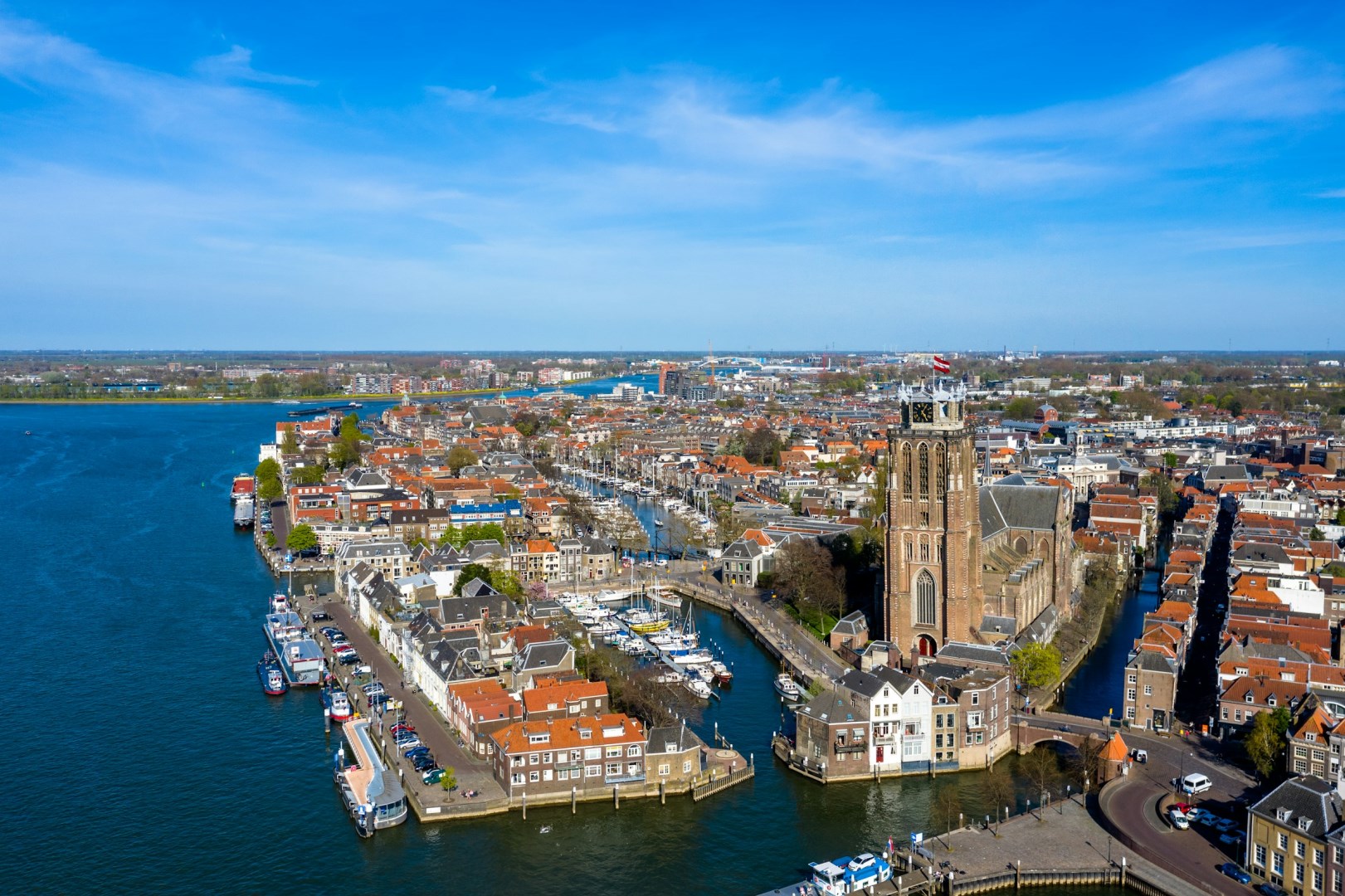
Dordrecht
Situated at the confluence of the rivers Merwede and Noord, Dordrecht is one of the Netherlands' oldest cities, rich in history and character from its charming medieval center and picturesque canals to its beautiful historic buildings. With its intricate network of canals and waterways, the city once played a key role in the Dutch Golden Age and is home to the Biesbosch National Park, one of the largest national parks in the Netherlands.
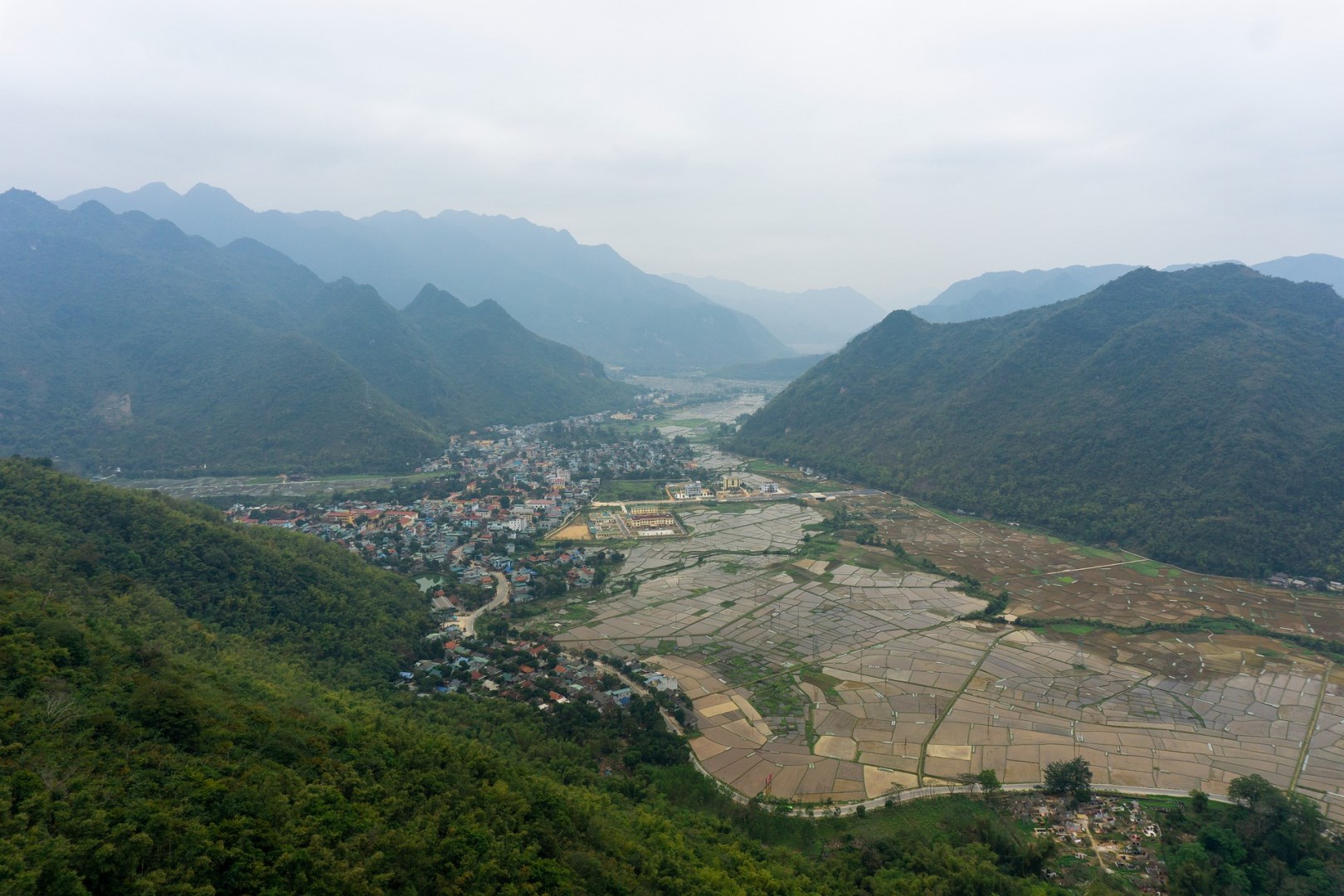
Mai Chau
Mai Chau is a rural valley in Hoa Binh Province in northern Vietnam, located several hours west of Hanoi and surrounded by limestone mountains and rice fields. The area is known for its quiet villages, elevated wooden stilt houses, and the daily life of the White Thai ethnic community.
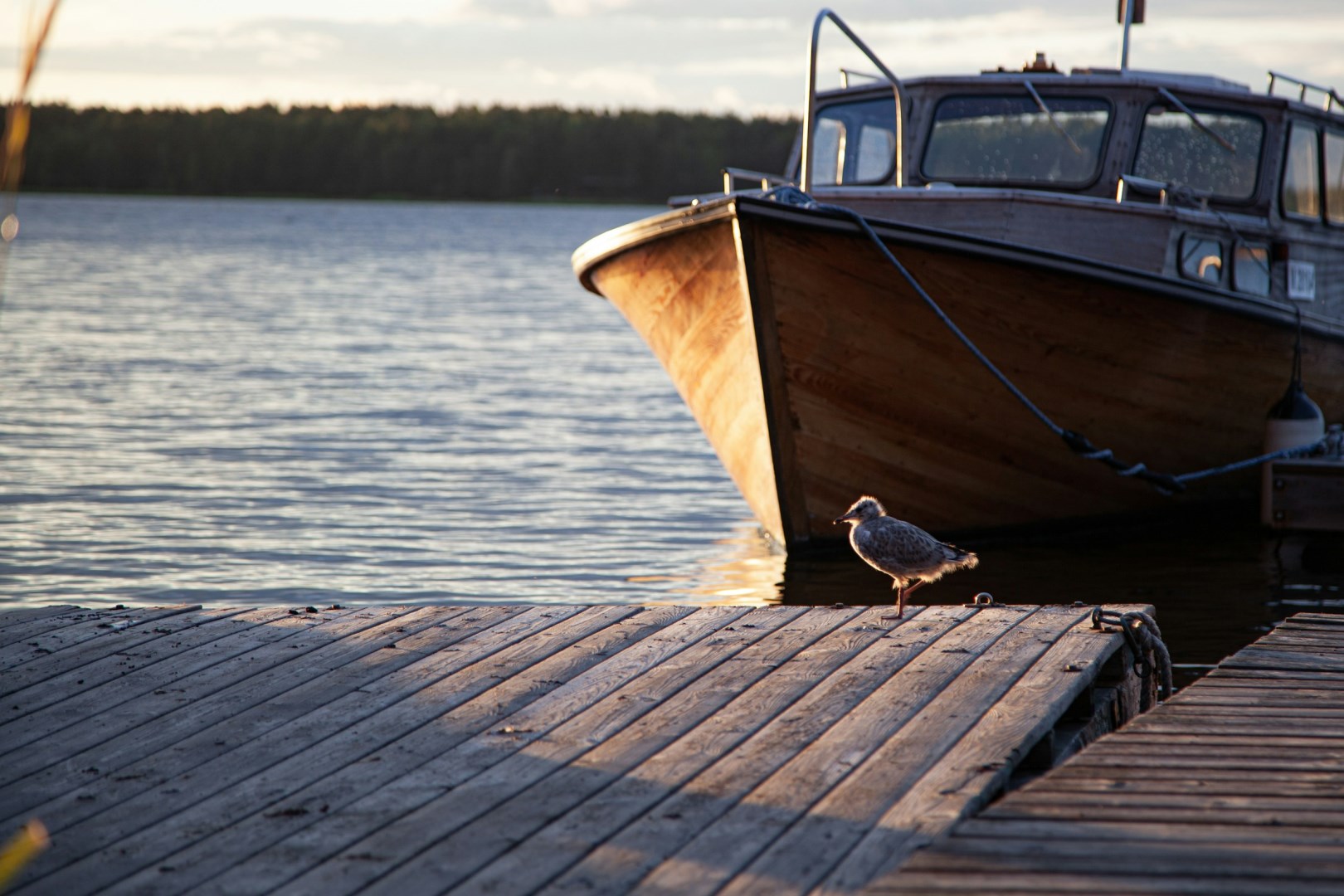
Kotka
Located on the southern coast of Finland at the delta of the Kymi river, the city of Kotka is a major Finnish sea port. Perhaps the best-known attraction of this multicultural and creative city is the country's largest urban maritime festival, an annual celebration that includes boating events, dance and music performances, and Finland's largest parade which marks the beginning of the city-wide event.
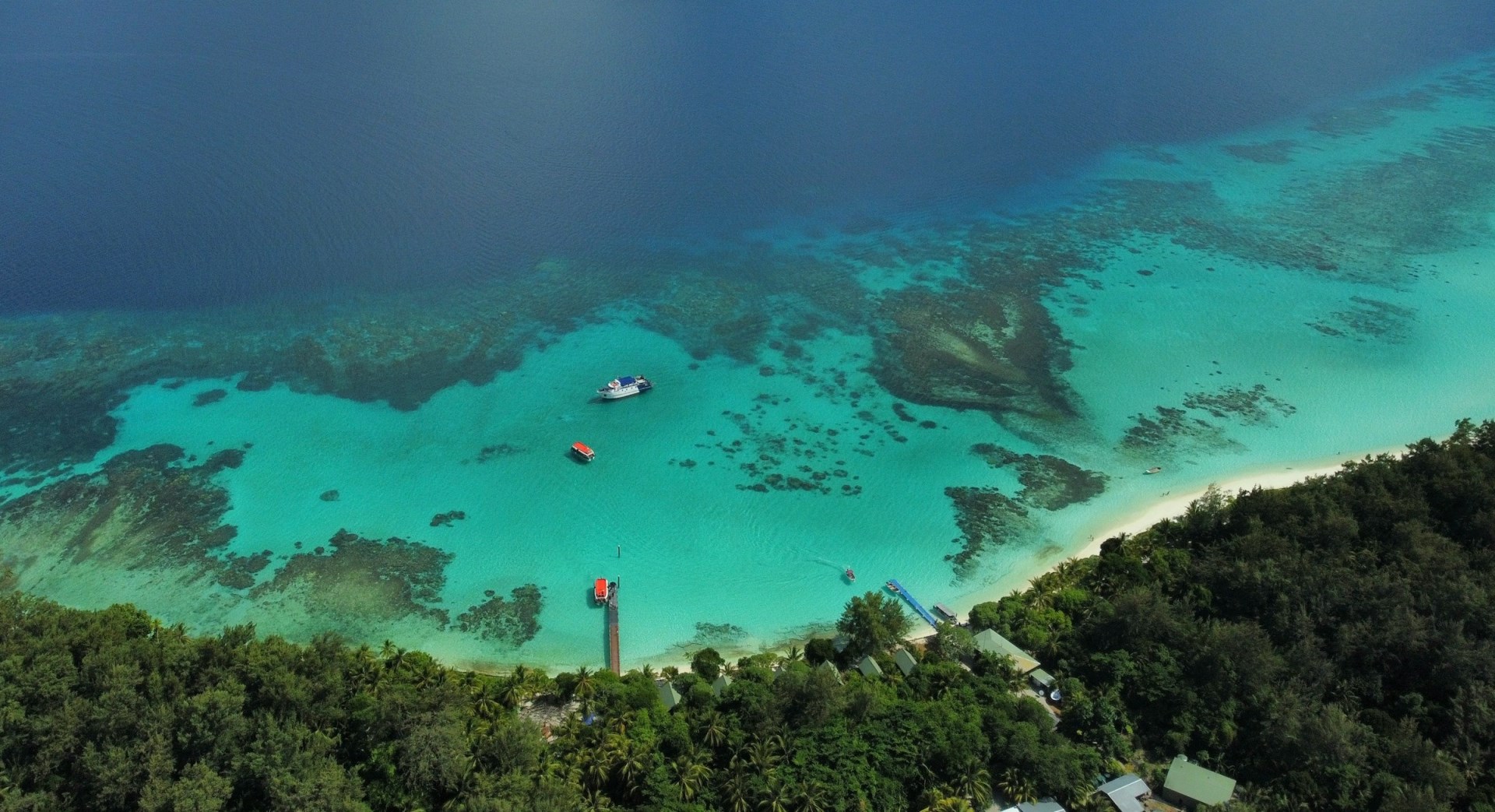
Conflict Islands
The Conflict Islands are a small group of coral islands and atolls in the Louisiade Archipelago of Papua New Guinea’s Milne Bay Province. They lie in the Solomon Sea, southeast of mainland Papua New Guinea, and are surrounded by clear lagoon waters, coral reefs, sandbars, and uninhabited islets.
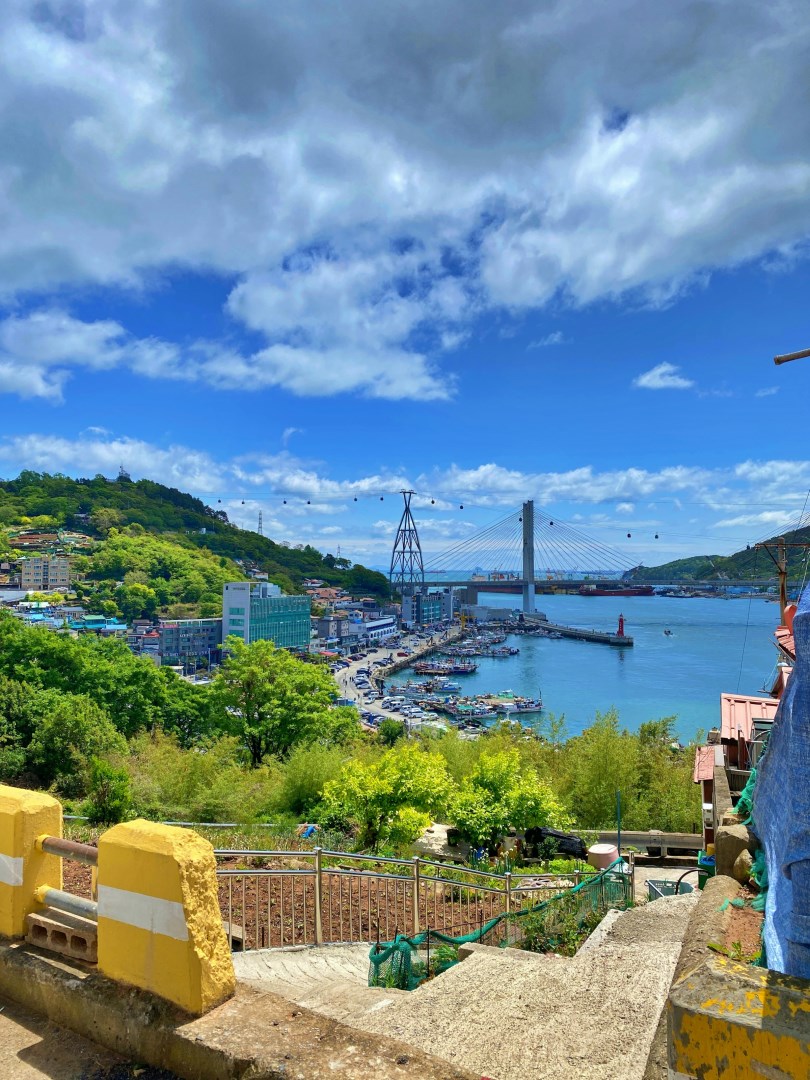
YEOSU
Yeosu is a coastal city in South Jeolla Province, spread across a peninsula and numerous islands along Korea's southern coast. Its geography is defined by sheltered bays, rocky shorelines, wooded hills, and the waters of the Korea Strait. The city is known for its maritime setting, seafood, island communities, and coastal viewpoints.