Puerto Natales
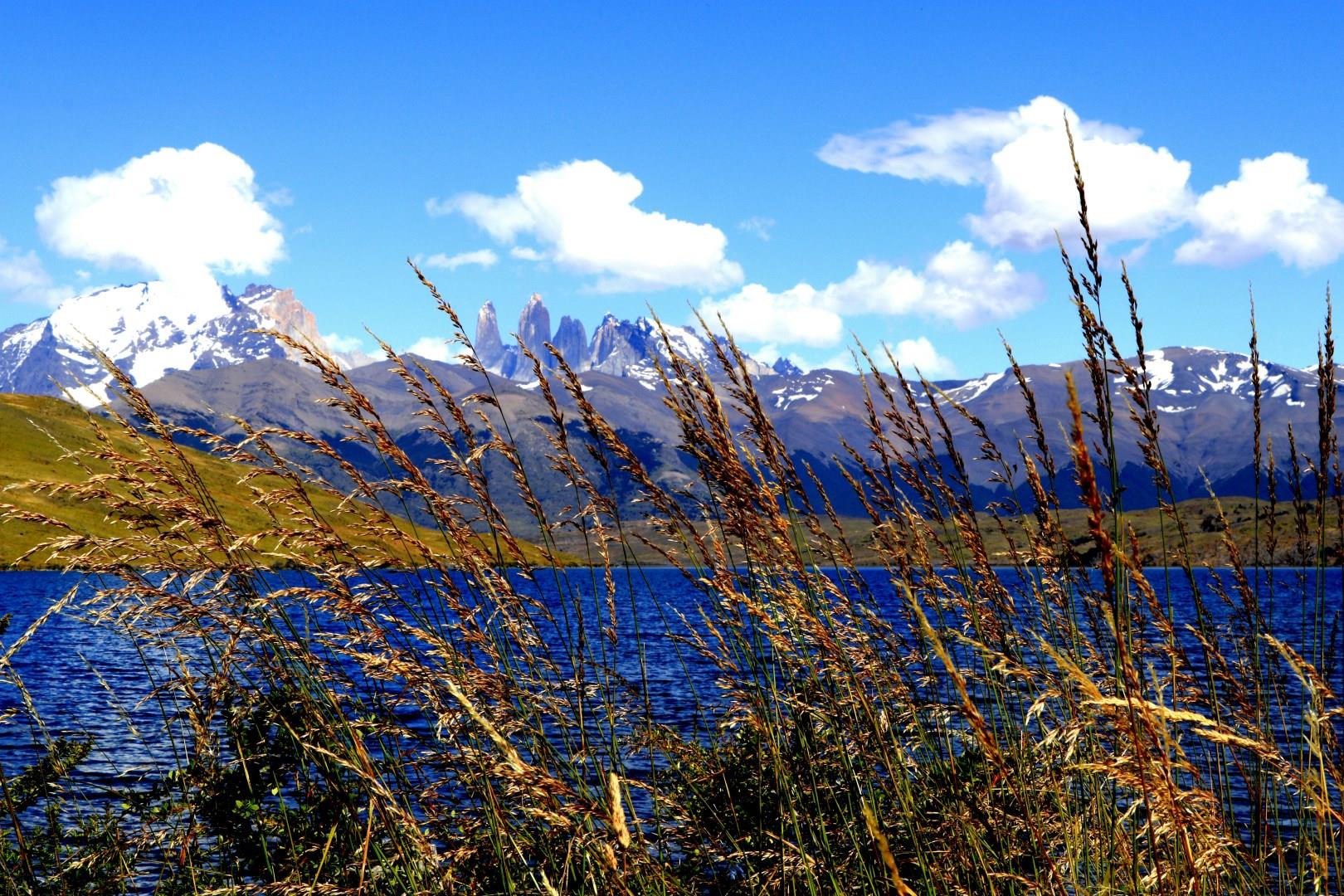
Puerto Natales sits at the head of the Ultima Esperanza Sound in southern Chile, serving as the gateway to Patagonia’s dramatic landscapes.
South Plaza Island
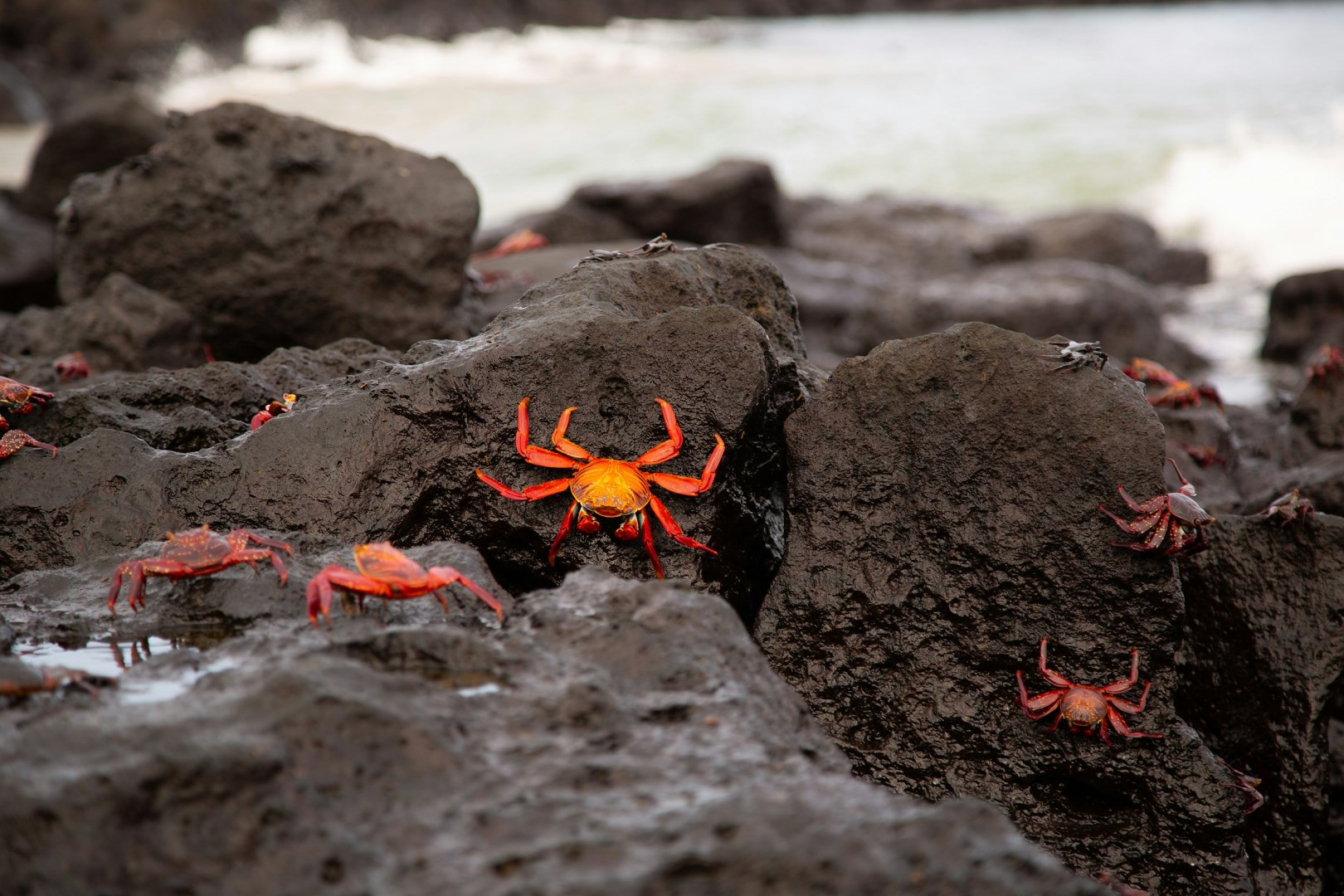
On South Plaza Island, sea lions breed all along the low lying northern coast. These sheer cliffs are home for swallow-tail gulls and the beautiful red billed tropic birds. The landscape is dominated by optunia cactus trees. A look under each tree reveals a land iguana patiently waiting for a succulent cactus pad to fall.
Cape Le Grand National Park
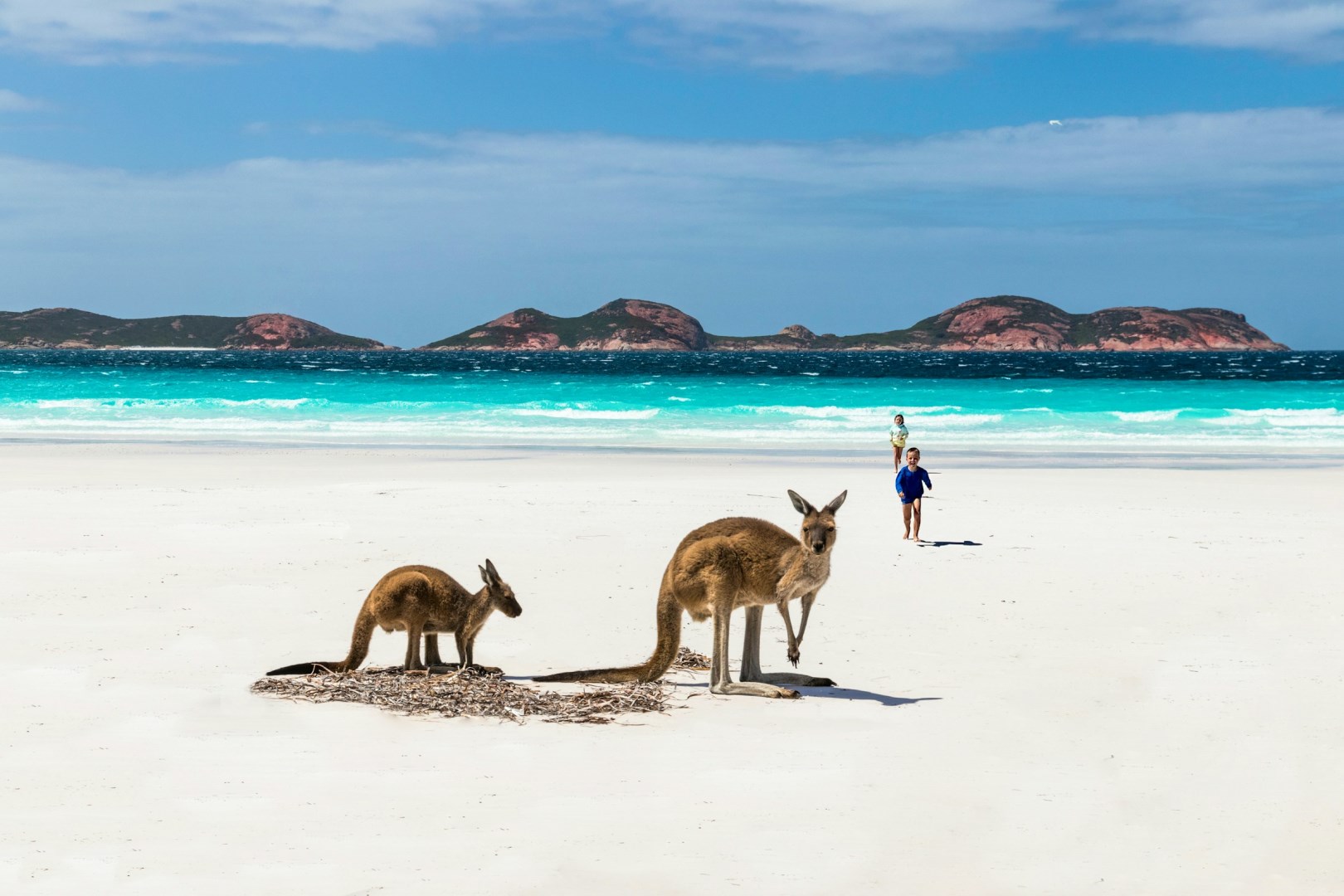
Cape Le Grand National Park lies on the south coast of Western Australia, east of Esperance, where granite peaks, coastal heath, freshwater pools, and white sandy beaches meet the Recherche Archipelago. The park is best known for Lucky Bay, where exceptionally white sand curves around clear turquoise water and kangaroos are often seen resting near the shoreline. Its remote coastal setting also supports a range of outdoor activities, including swimming, fishing, camping, kayaking, and bushwalking
Bellevue
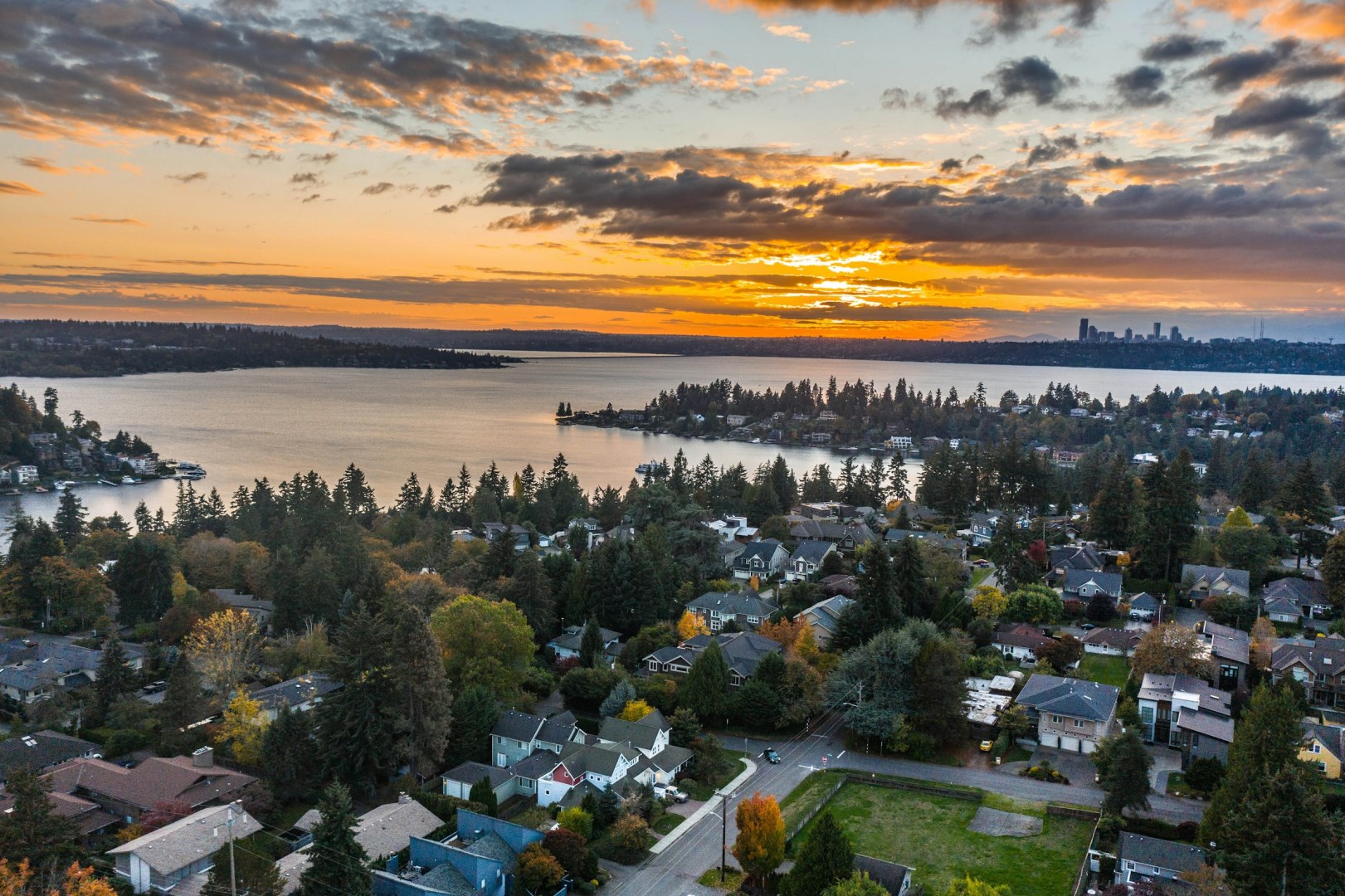
Bellevue is a city on the eastern shore of Lake Washington, directly across the lake from Seattle and framed by the Cascade Mountains to the east. It combines a dense, modern downtown with residential neighborhoods, wooded parks, wetlands, and waterfront areas.
Gatlinburg
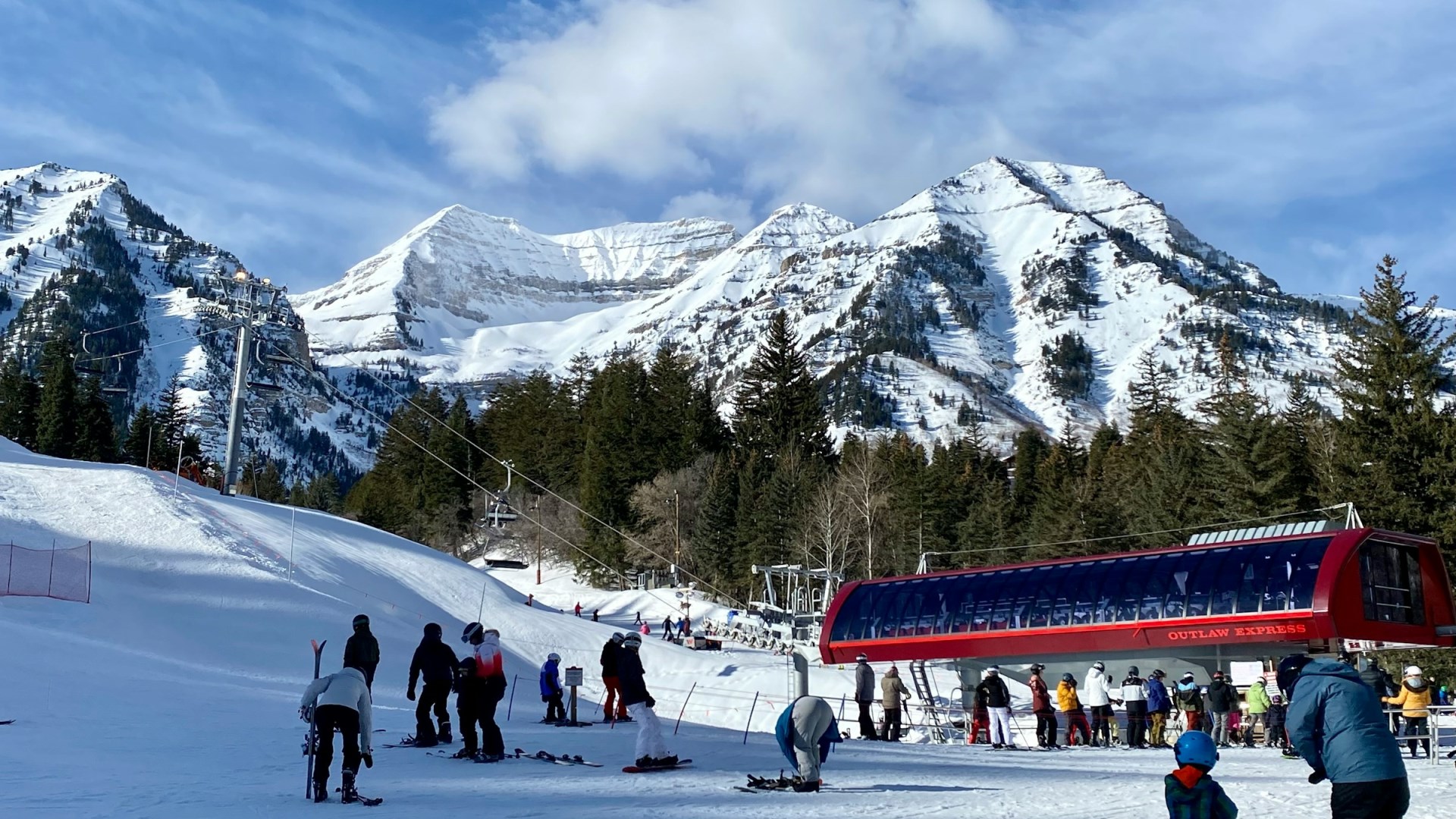
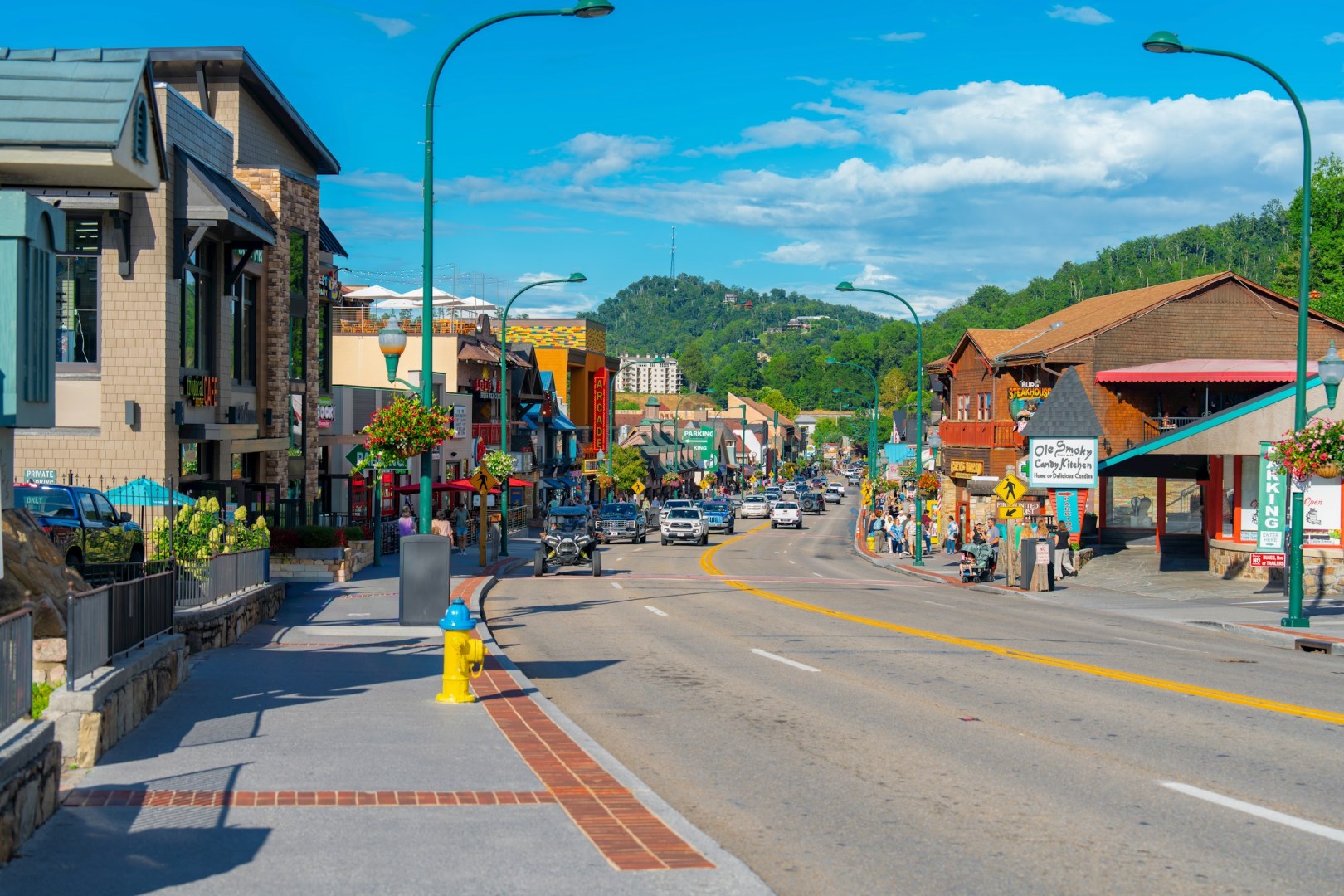
Plan to spend at least a full day in downtown Gatlinburg exploring the hundreds of gift and craft shops, and dozens of family entertainment attractions such as the "Sweet Fanny Adams" Theater and Elwood Smooch's Hillbilly Hoedown. For a totally different experience, ride the world's larges tramway to Ober Gatlinburg featuring year round skking, ice skating, and ski lift rides...