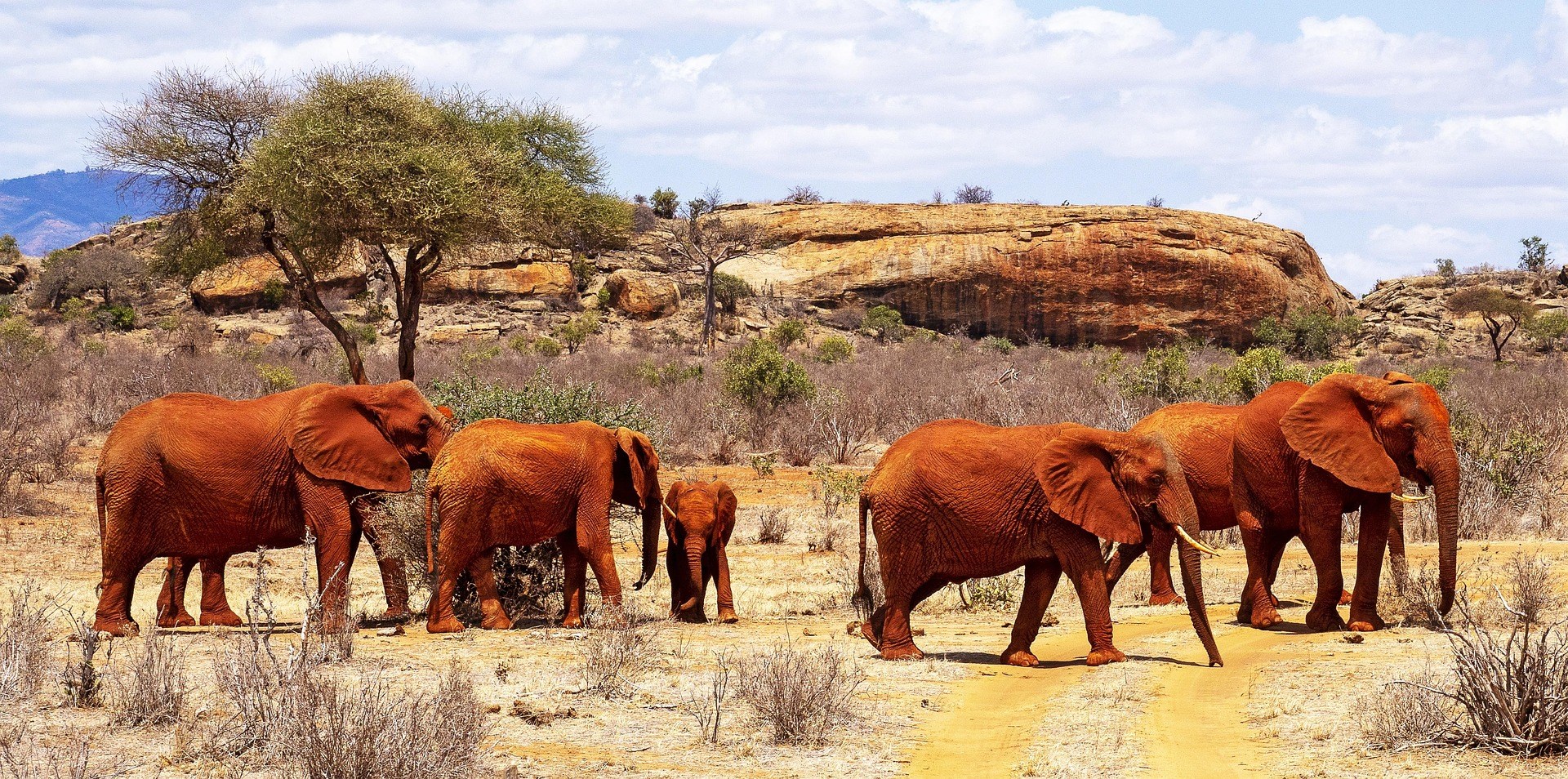
Tsavo East National Park is one of Kenya’s largest protected areas, covering about 13,747 square kilometres in the country’s southeast. Its landscape is largely semi-arid, with open plains, scrub, rocky outcrops, and river corridors shaped by the Tsavo, Athi, Galana, and Voi rivers. The park is particularly associated with its dust-red elephants, whose appearance comes from the animals coating themselves in the park’s distinctive red soil.
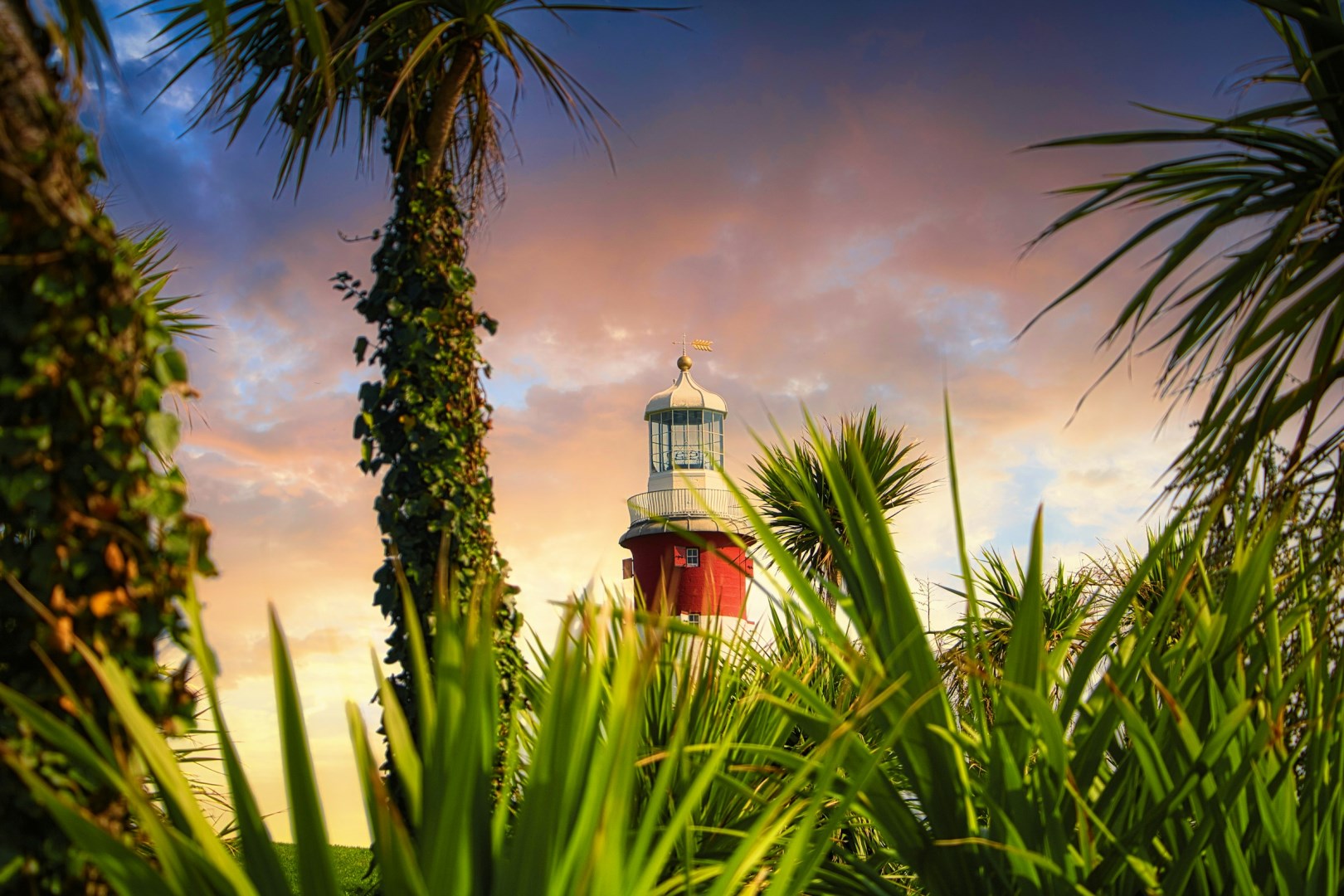
Plymouth sits on England’s southwest coast, where the River Plym meets the sea, forming a wide natural harbor that has shaped the city’s identity for generations. The waterfront remains central to daily life, with views stretching across Plymouth Sound and boats moving in and out of the marina. Visitors often begin along the historic Barbican, an area of narrow streets and old buildings that survived past conflicts and now house independent shops, galleries, and small cafés.
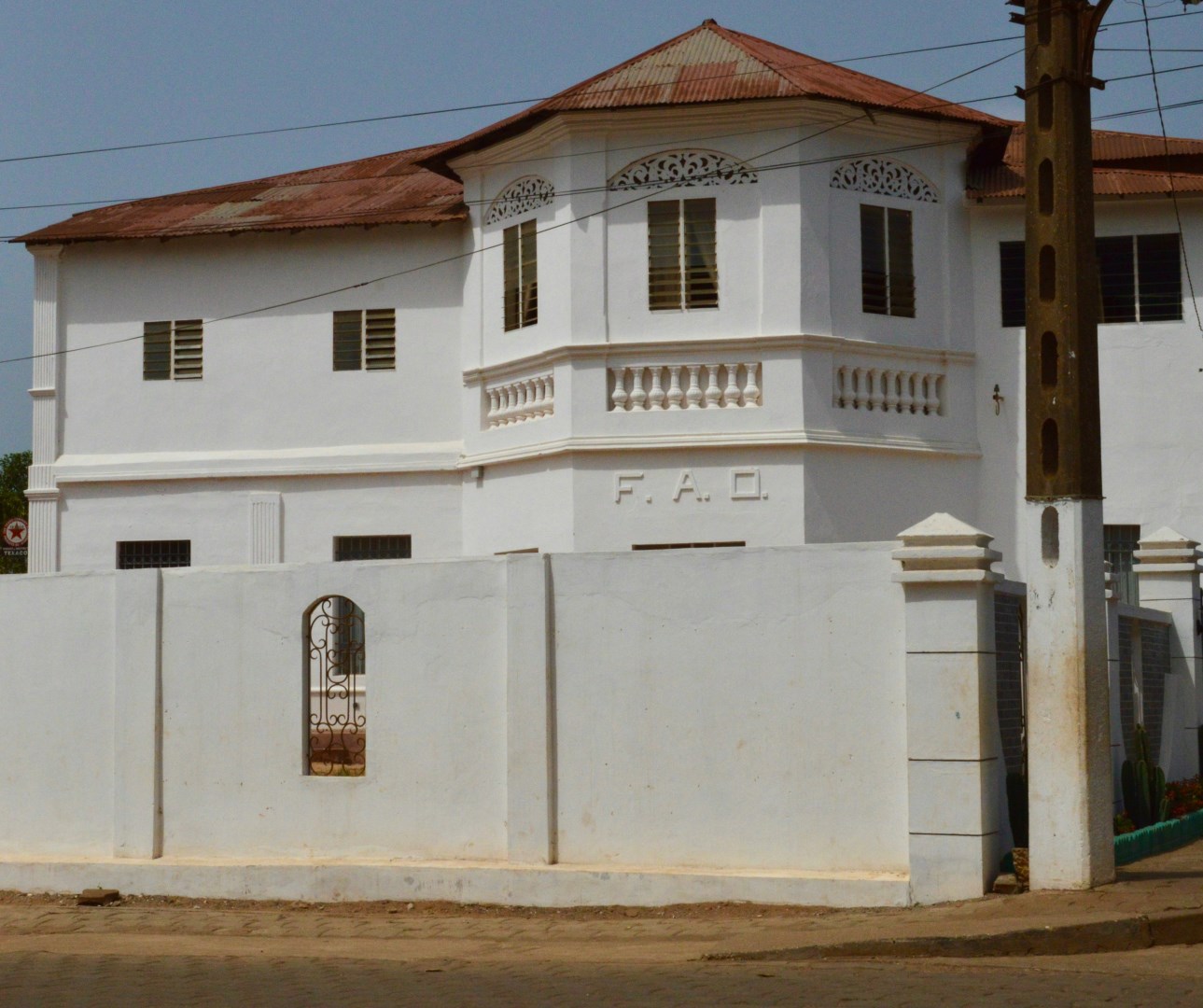
Ouidah is a coastal city in southern Benin, situated between the Atlantic Ocean and a network of lagoons and wetlands. It is one of the country’s most historically significant destinations and is known for its connections to the Atlantic slave trade, religious traditions, and cultural heritage.
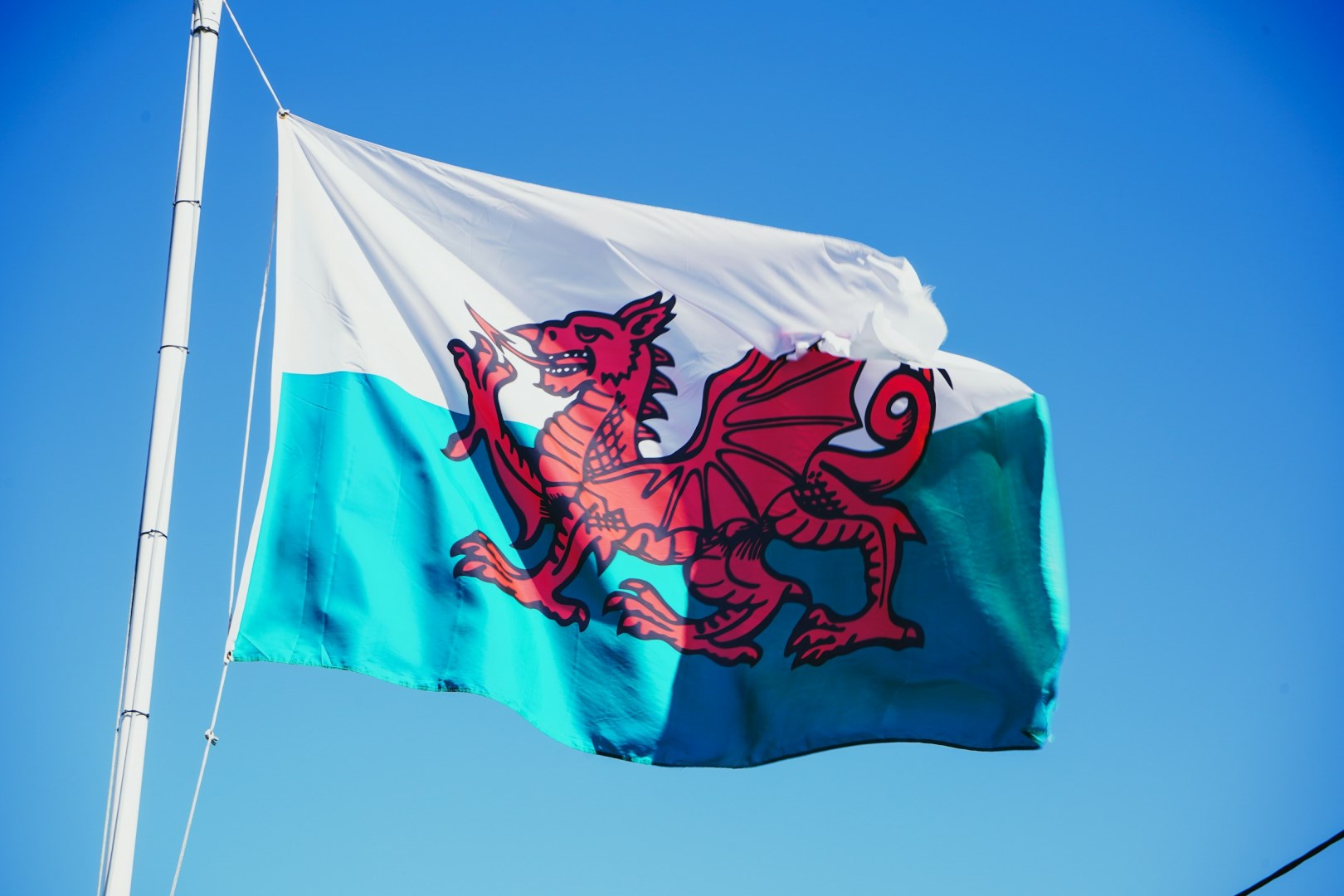
Wrexham is the largest town in North Wales, and is a busy shopping centre. The town is well-known for its many markets, including the Butcher's Market, the General Market and the People's Market. The town is also home to a large number of male voice choirs, has a multi-cinema, several nightclubs and many inns and pubs. St Giles's Parish Church is widely regarded as the finest example of Gothic architecture in North Wales. All Saints Church, Gresford, is one of the finest churches in Wales.
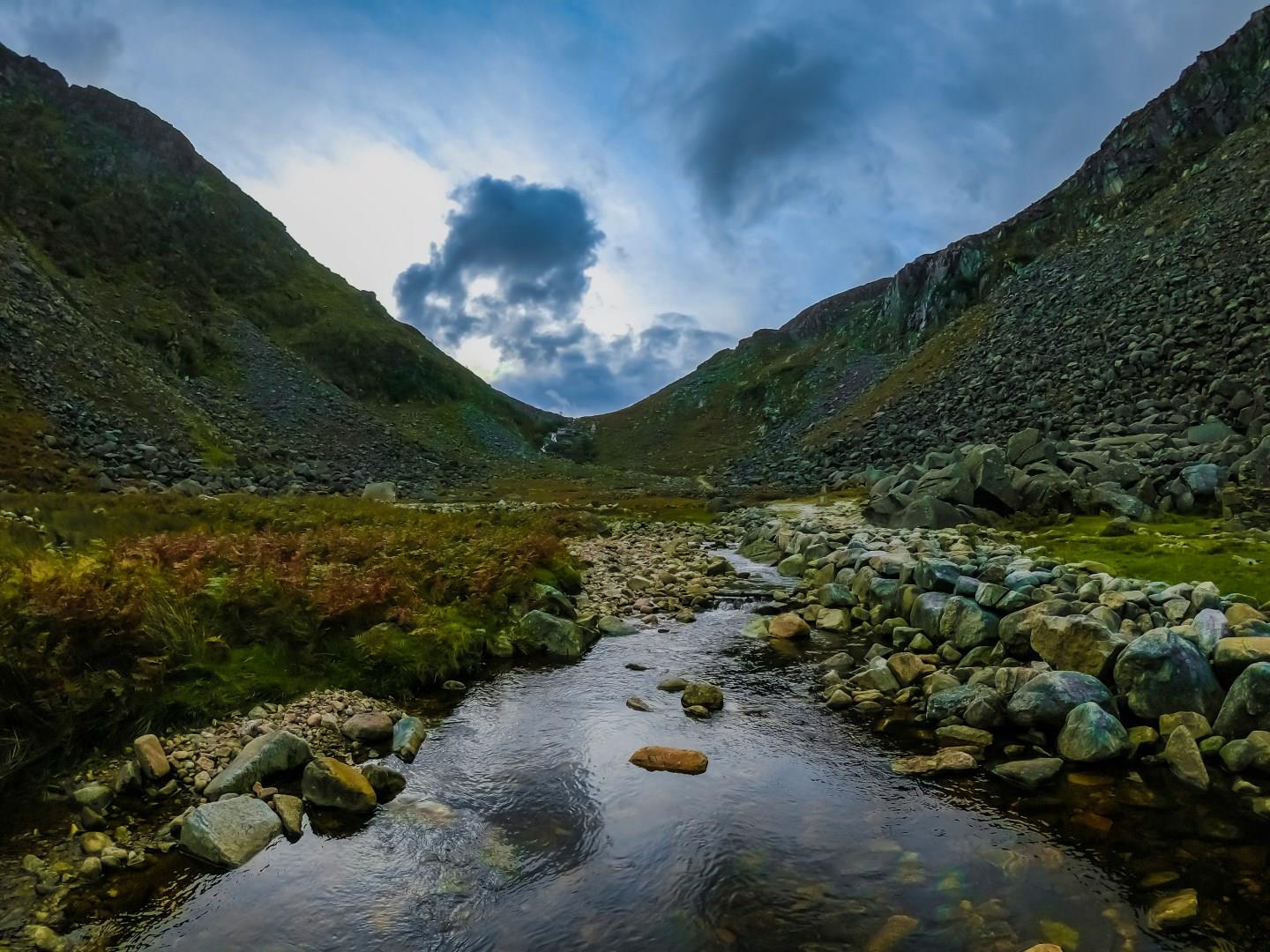
Glendalough, located in County Wicklow, is one of Ireland’s most historically significant and visually striking valleys. It’s best known for its early medieval monastic site, founded by St. Kevin in the 6th century. The round tower, cathedral ruins, and stone churches that remain today are surrounded by forests, lakes, and mountain trails, creating a setting that feels both ancient and untouched.
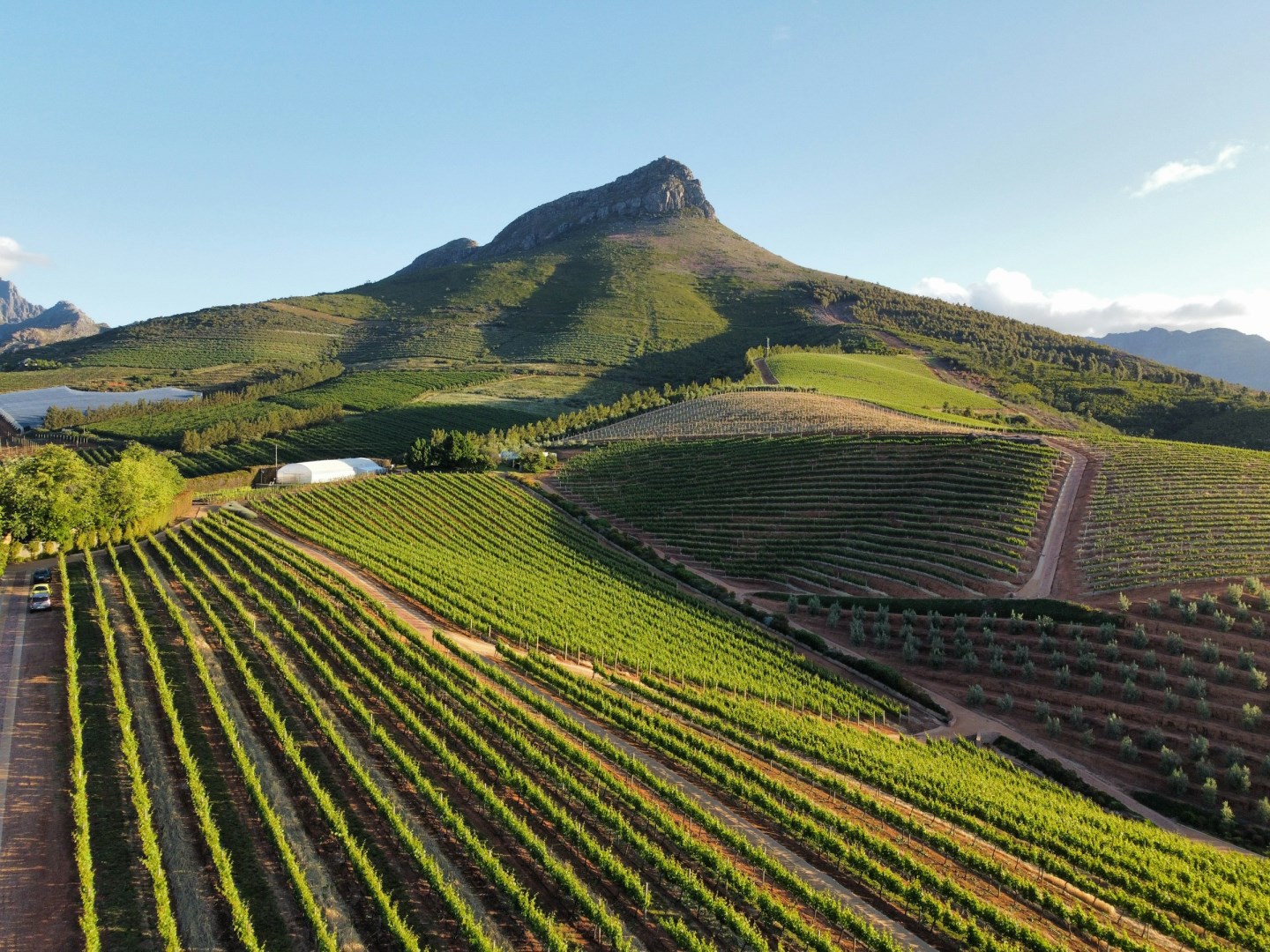
Photo Credit: Photo by Matthieu Joannon on Unsplash
Photo Credit: Photo by Spekboom on Unsplash
Photo Credit: Photo by Matthias Wesselmann on Unsplash
Photo Credit: Photo by Werner Du plessis on Unsplash
Photo Credit: Photo by Matthias Wesselmann on Unsplash
Photo Credit: Photo by Claudia de Wet on Unsplash
Photo Credit: Photo by Isaiah-Phillips Akintola on Unsplash
Photo Credit: Photo by Ben on Unsplash
Photo Credit: Photo by Shawn Lochner on Unsplash
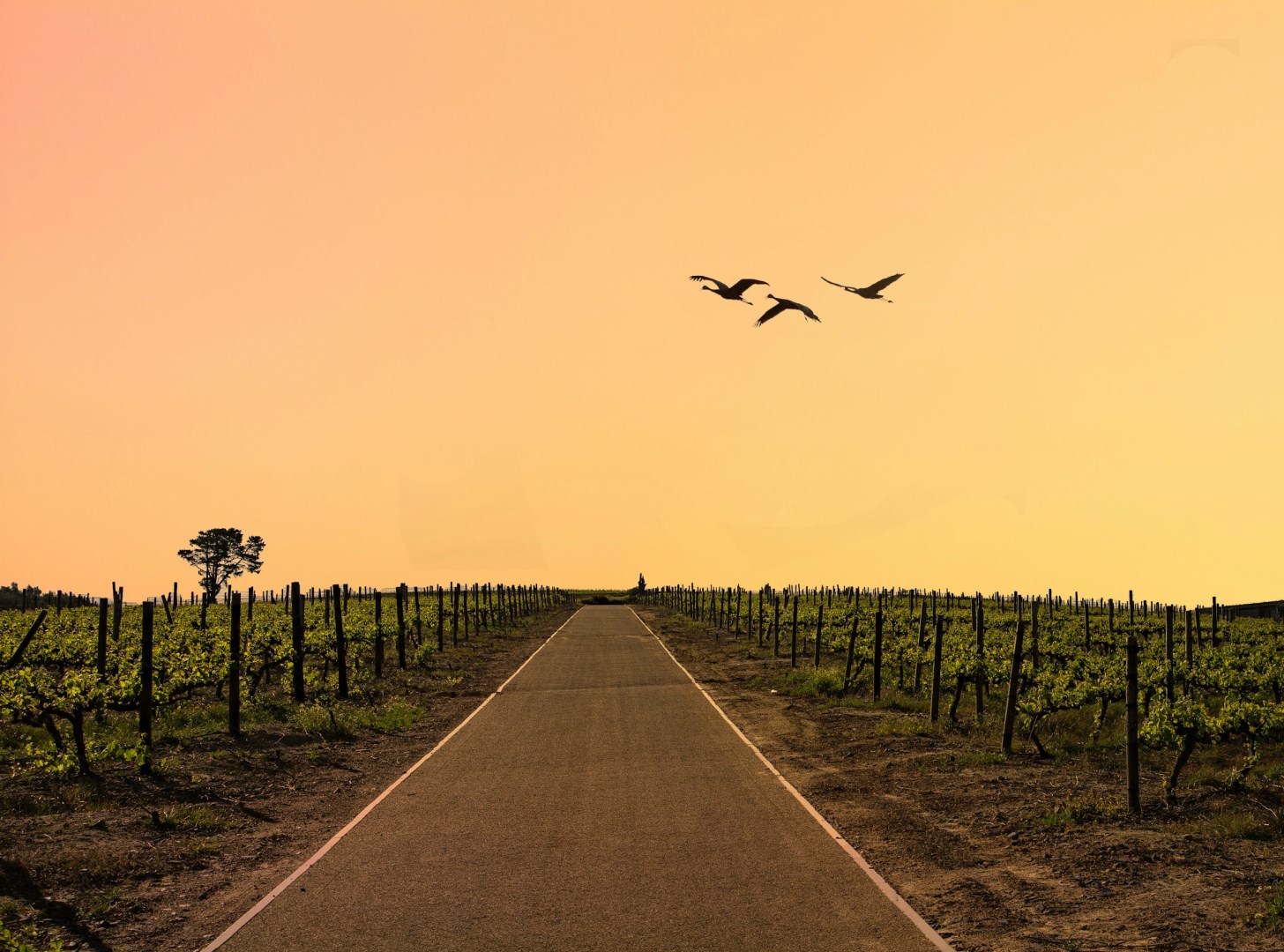
Stellenbosch, a charming town in South Africa’s Western Cape, is a haven for wine lovers and history enthusiasts alike. Established in 1679, Stellenbosch boasts well-preserved Cape Dutch architecture and a vibrant cultural scene. Its tree-lined streets are dotted with historical buildings, boutique shops, and artisanal cafes. A visit to the Stellenbosch Village Museum offers a glimpse into the town’s rich heritage, showcasing restored buildings from the 18th and 19th centuries.
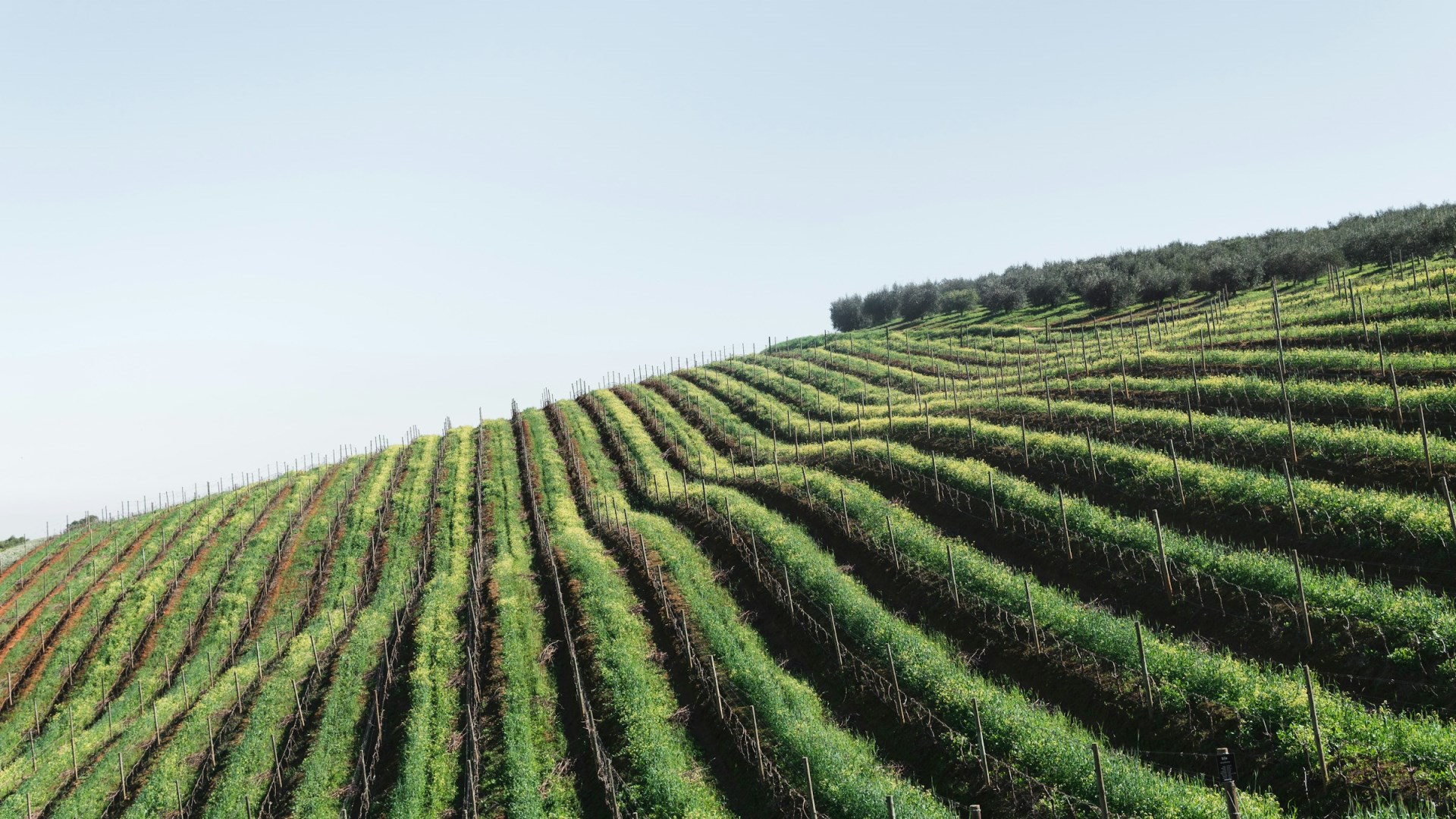
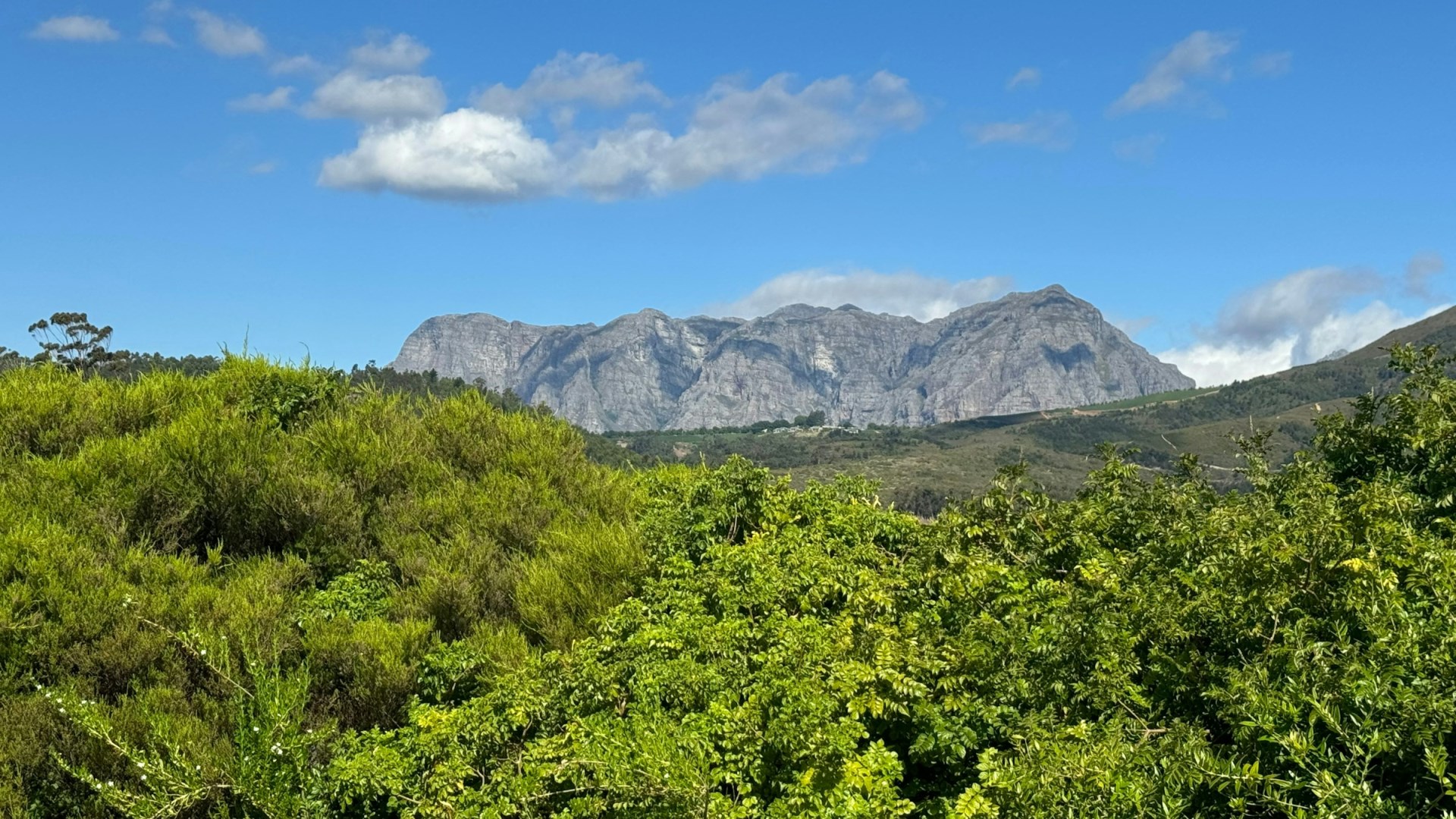
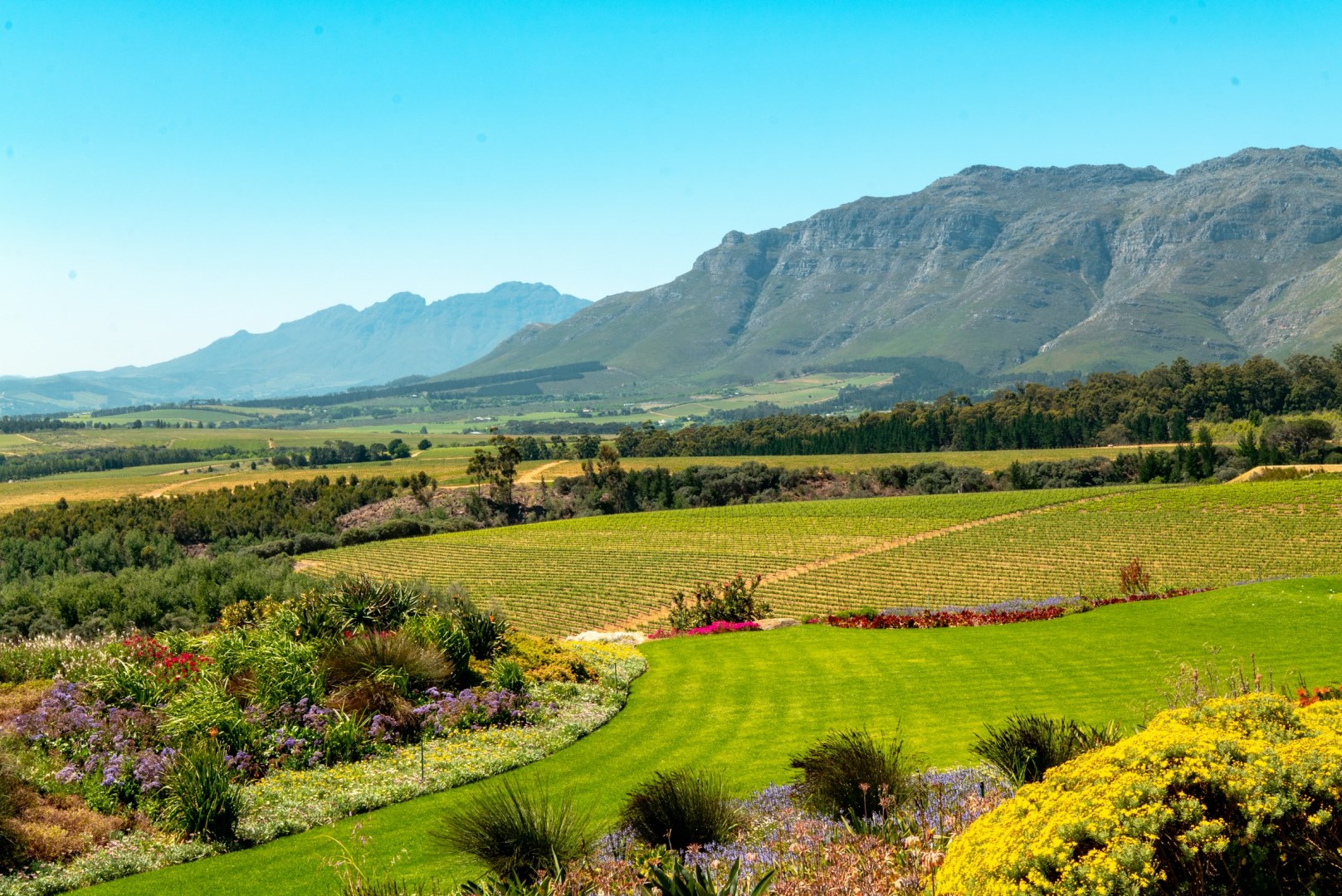
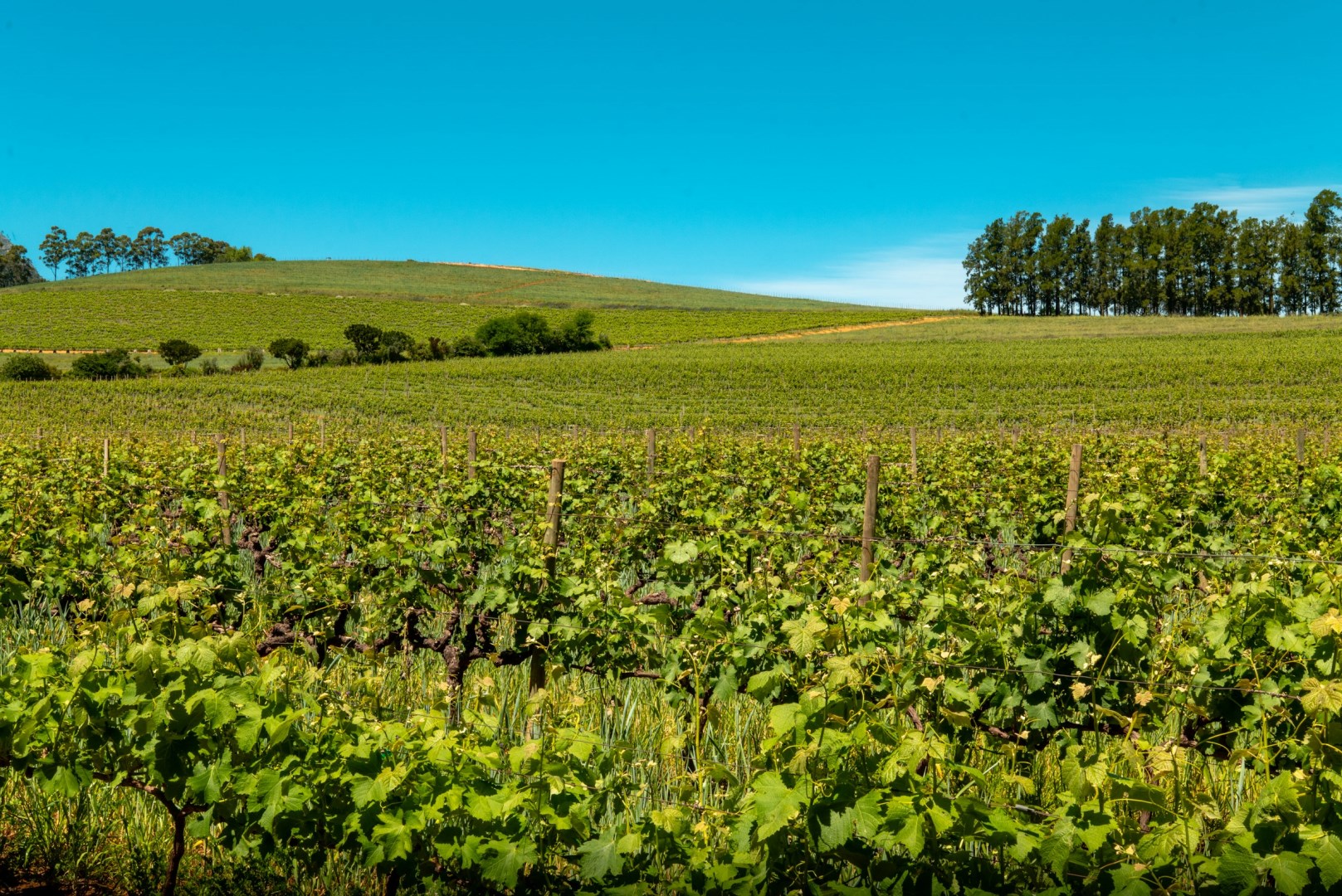
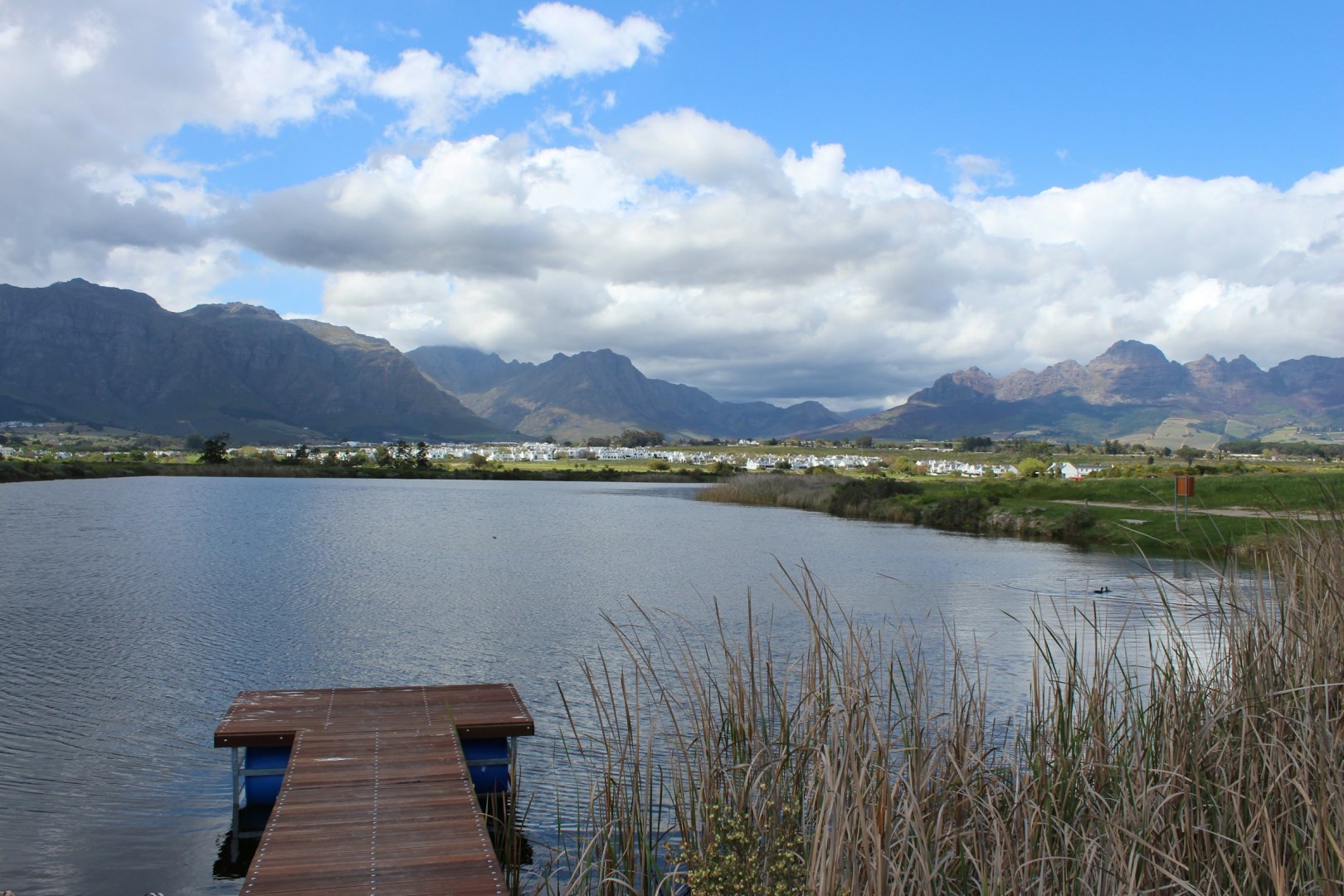
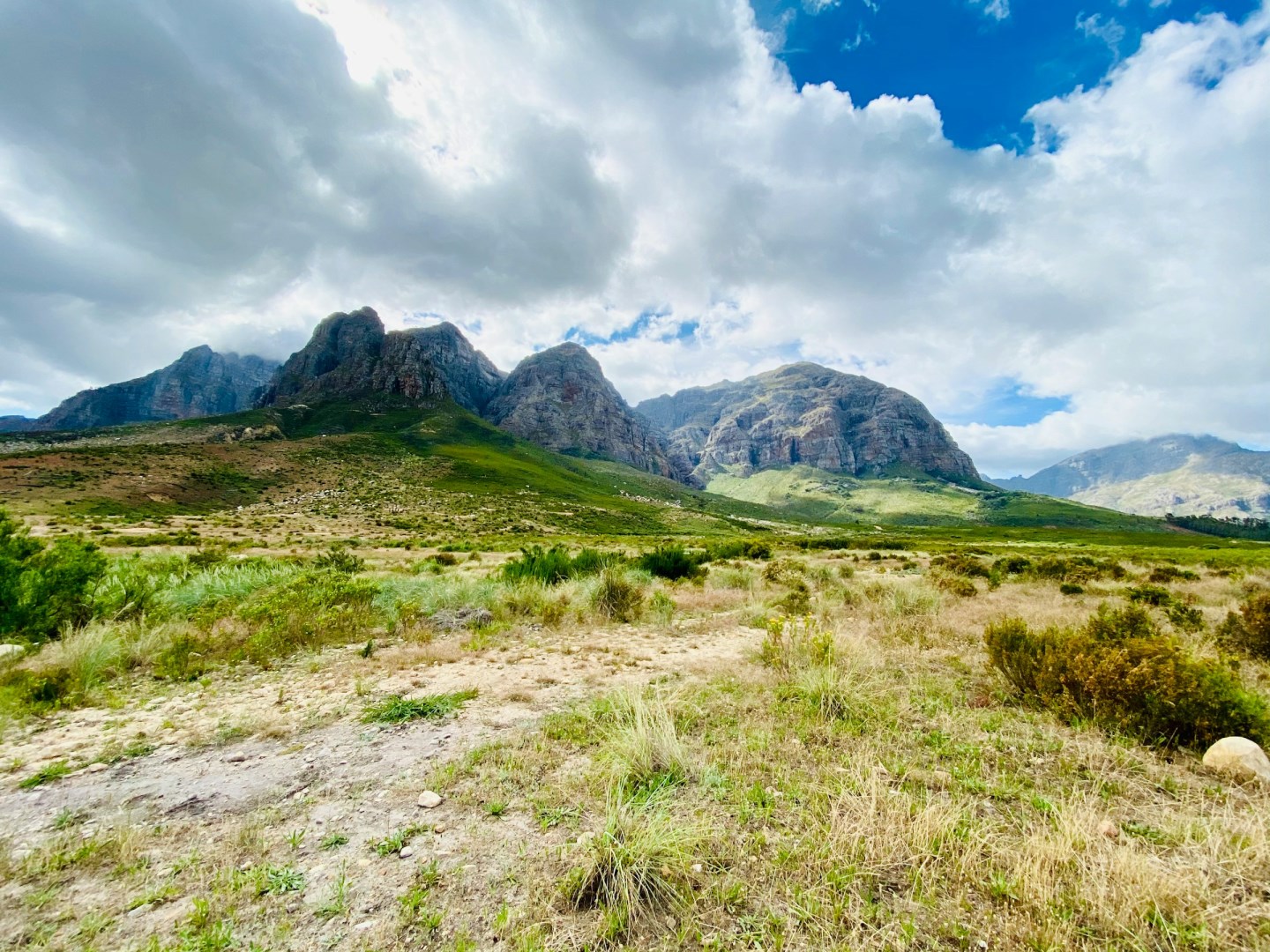
The town is nestled in the heart of South Africa’s renowned wine country. Stellenbosch is home to some of the country’s most celebrated wine estates, including Stellenbosch Wine Estate and Rust en Vrede. The surrounding vineyards produce exceptional wines that you can sample at the numerous tasting rooms and fine dining establishments. Don’t miss the opportunity to take a scenic wine tour through the picturesque valleys, which offer stunning views of the vineyards and the majestic Stellenbosch Mountains.
Stellenbosch’s culinary scene is as vibrant as its wine culture. The town is renowned for its top-notch restaurants and gourmet food offerings. Restaurants such as The Fat Butcher and Overture provide exquisite dining experiences, showcasing local ingredients and innovative cuisine. The annual Stellenbosch Wine Festival further highlights the region’s culinary excellence with food and wine pairings, live music, and an opportunity to mingle with local winemakers.
Fun fact: Stellenbosch is also known for its lively arts scene, with numerous galleries and cultural events throughout the year. The town hosts the Stellenbosch International Chamber Music Festival, which attracts world-class musicians and performers from around the globe, adding a touch of cultural sophistication to this already enchanting destination.
Whether you’re exploring its historical streets, indulging in world-class wines, or enjoying gourmet cuisine, Stellenbosch offers a delightful blend of culture, history, and sensory experiences that make it a must-visit destination.
Other Popular Destinations in South Africa
Cape Town
Cape Town, located at the southern tip of South Africa, is one of the world’s most striking coastal cities. Towering over it is Table Mountain, a flat-topped landmark that can be reached by cable car or on foot, offering sweeping views of the city, ocean, and beyond.
Johannesburg
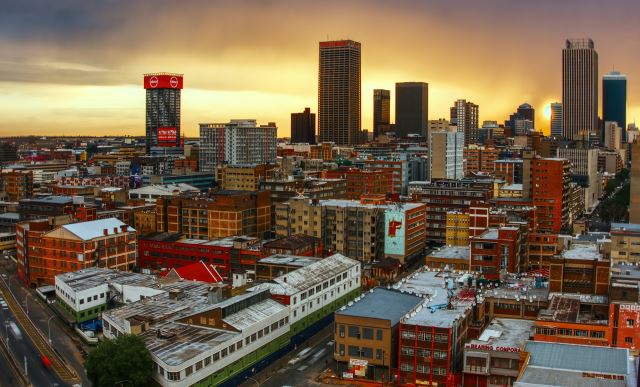
Travel to Johannesburg, the cosmopolitan city at the heart of South Africa, and find some of the country’s most iconic landmarks. Replete with cultural excursions, historical sites, and superb restaurants, Johannesburg has plenty to explore.