France offers far more than its capital city. While Paris draws millions each year, the country’s true richness lies in its variety, from Alpine villages to Atlantic coastlines, medieval towns to Mediterranean markets. In Normandy, visitors can walk along the D-Day beaches or explore the towering abbey of Mont-Saint-Michel, which becomes an island at high tide. Further inland, the Loire Valley is dotted with over 300 castles, many of which are open for tours and even overnight stays.
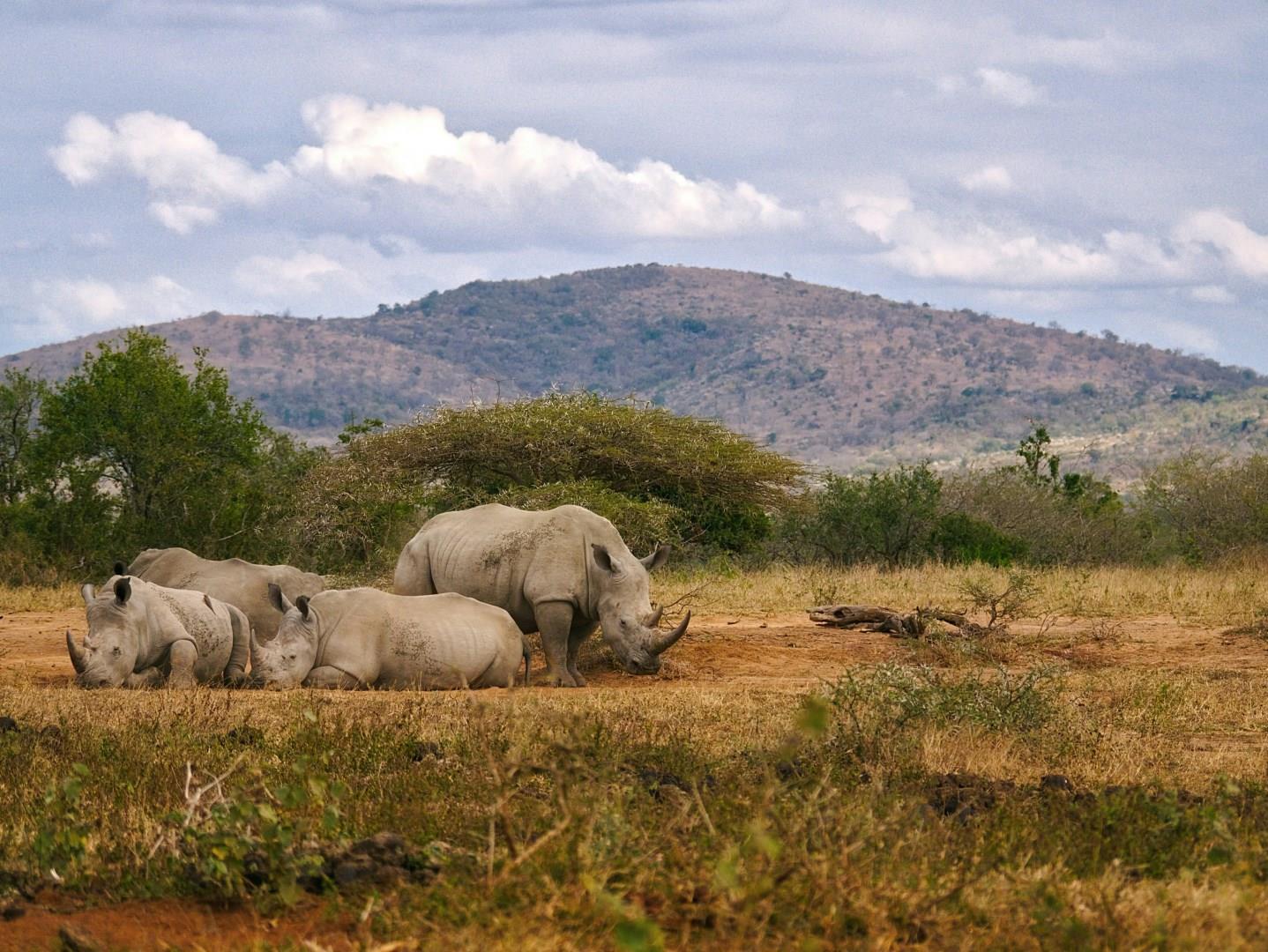
Hluhluwe–iMfolozi Park, in South Africa’s KwaZulu-Natal province, is one of the country’s oldest protected areas and holds deep historical importance in conservation.
Montevideo, Uruguay’s eclectic and diverse capital, is sure to charm you with bustling markets, sunny beaches, and plenty of museums to explore. Start your stay in Montevideo at the city center in Plaza Independencia, a lush town square surrounded by towering palm trees and stunning architecture.
Located on the banks of the Danube, Spitz an der Donau is a charming market town in Austria's Wachau valley. Occupied since Celtic times, Spitz offers spectacular views of the Danube valley.
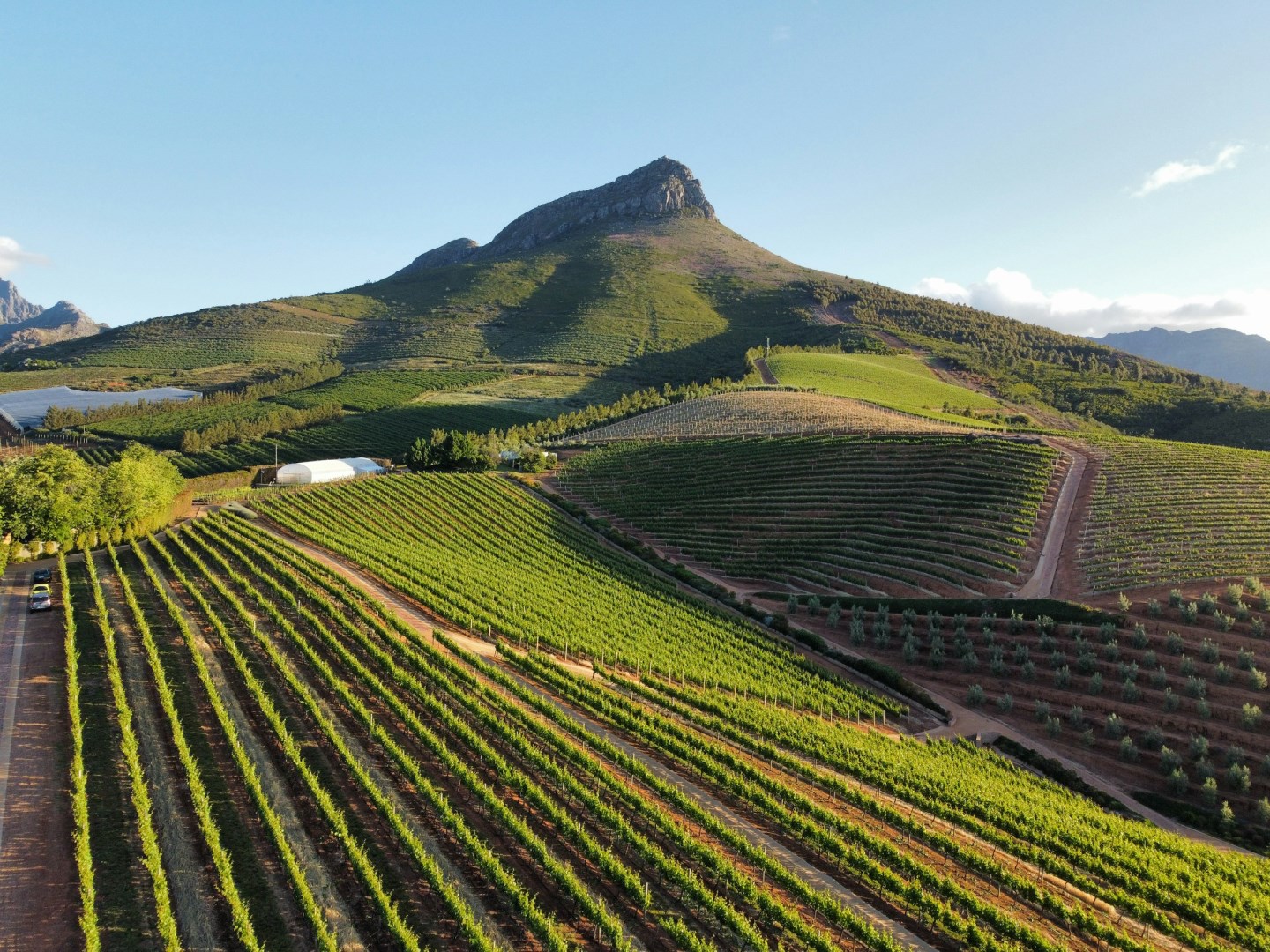
Photo Credit: Photo by Matthieu Joannon on Unsplash
Photo Credit: Photo by Spekboom on Unsplash
Photo Credit: Photo by Matthias Wesselmann on Unsplash
Photo Credit: Photo by Werner Du plessis on Unsplash
Photo Credit: Photo by Matthias Wesselmann on Unsplash
Photo Credit: Photo by Claudia de Wet on Unsplash
Photo Credit: Photo by Isaiah-Phillips Akintola on Unsplash
Photo Credit: Photo by Ben on Unsplash
Photo Credit: Photo by Shawn Lochner on Unsplash
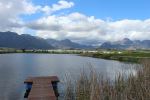
Stellenbosch, a charming town in South Africa’s Western Cape, is a haven for wine lovers and history enthusiasts alike. Established in 1679, Stellenbosch boasts well-preserved Cape Dutch architecture and a vibrant cultural scene. Its tree-lined streets are dotted with historical buildings, boutique shops, and artisanal cafes. A visit to the Stellenbosch Village Museum offers a glimpse into the town’s rich heritage, showcasing restored buildings from the 18th and 19th centuries.
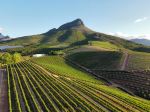
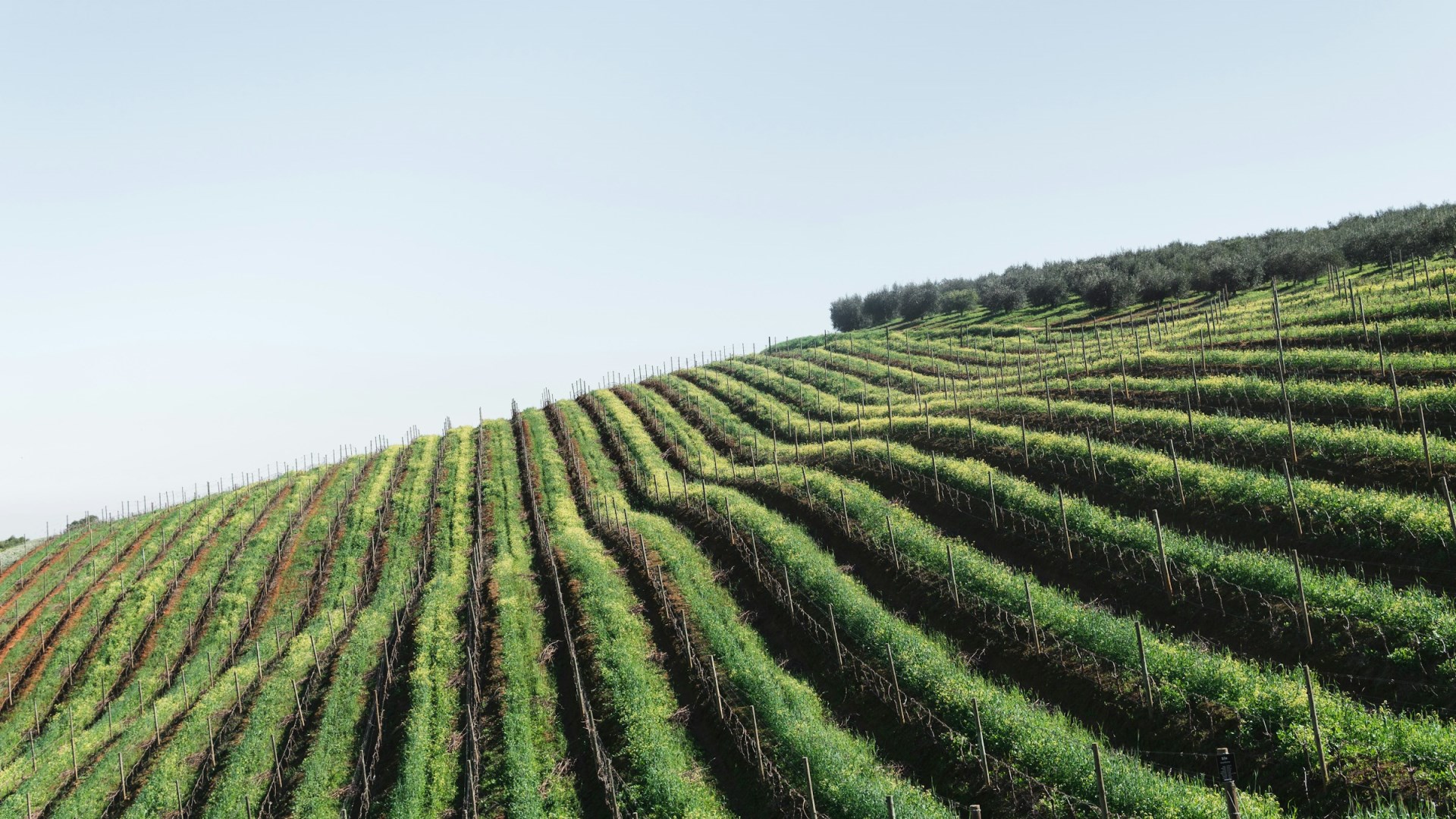
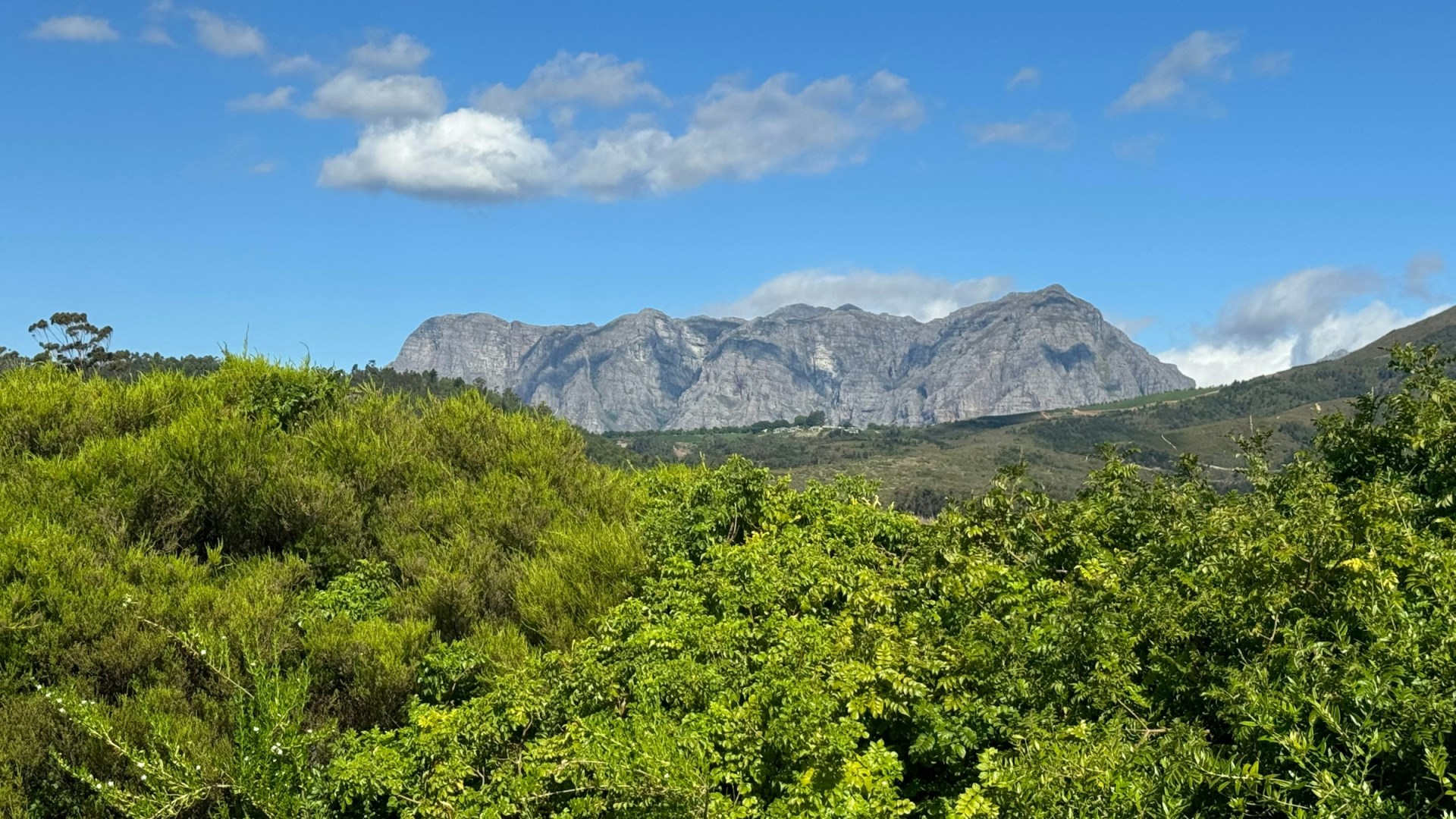
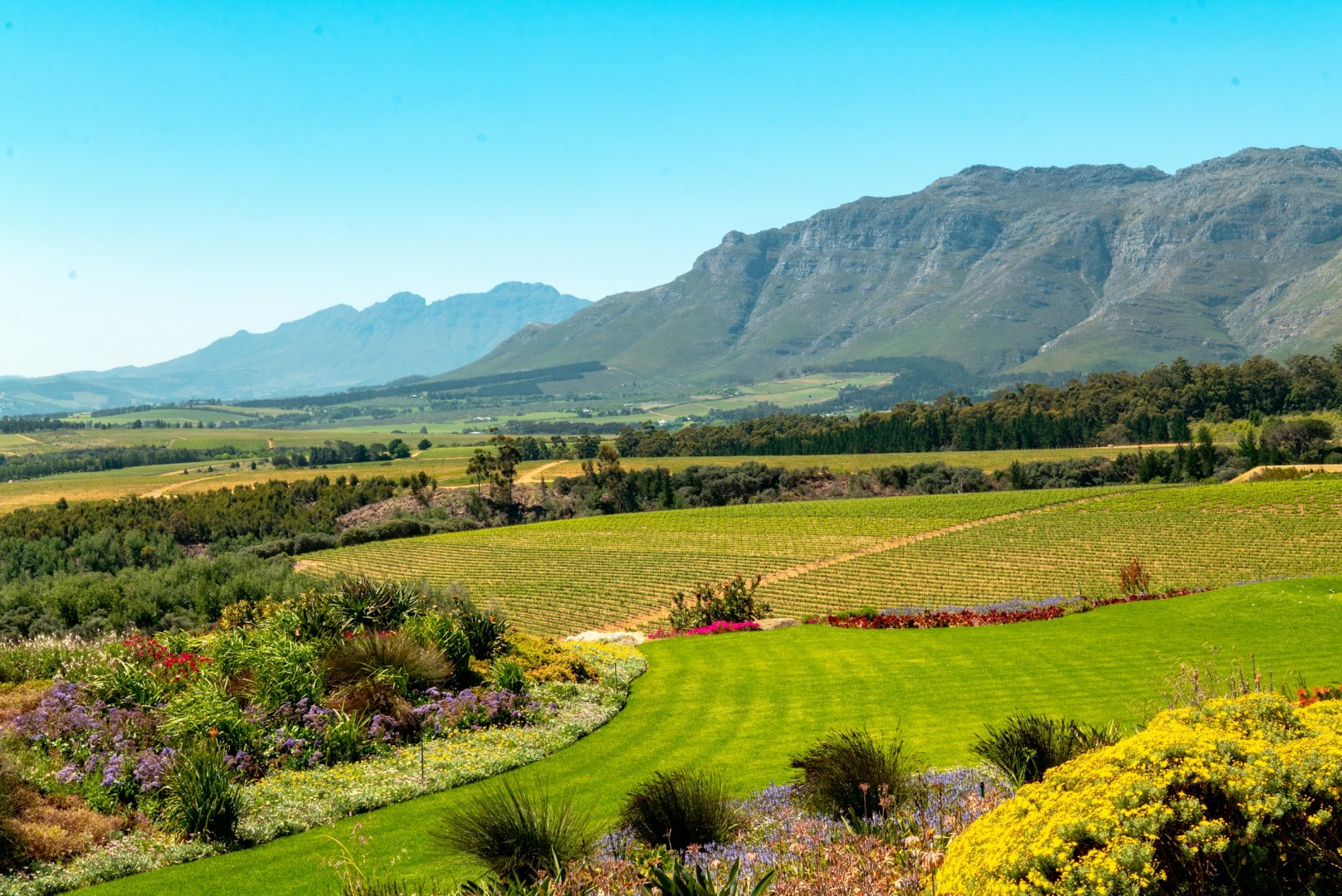
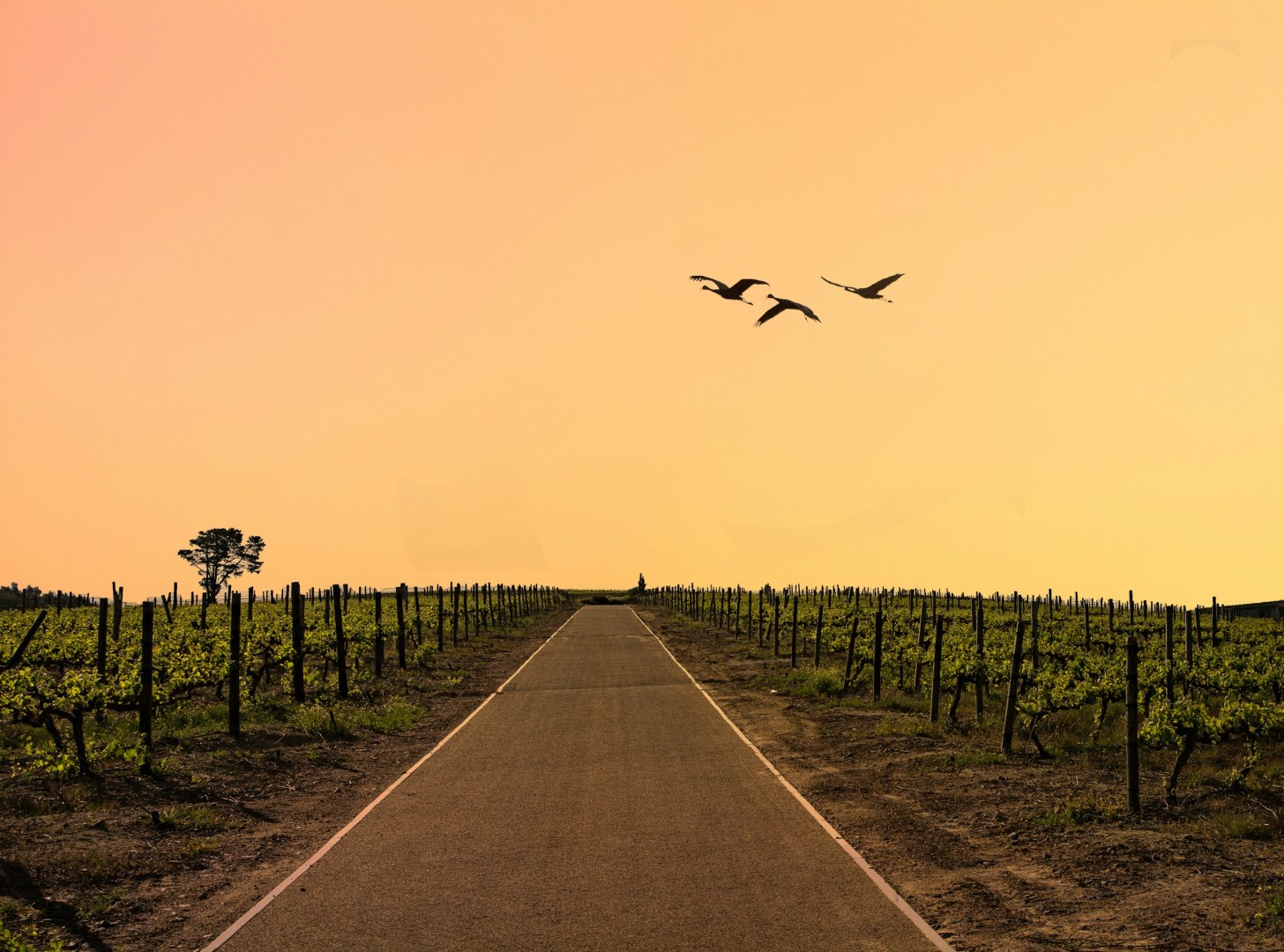
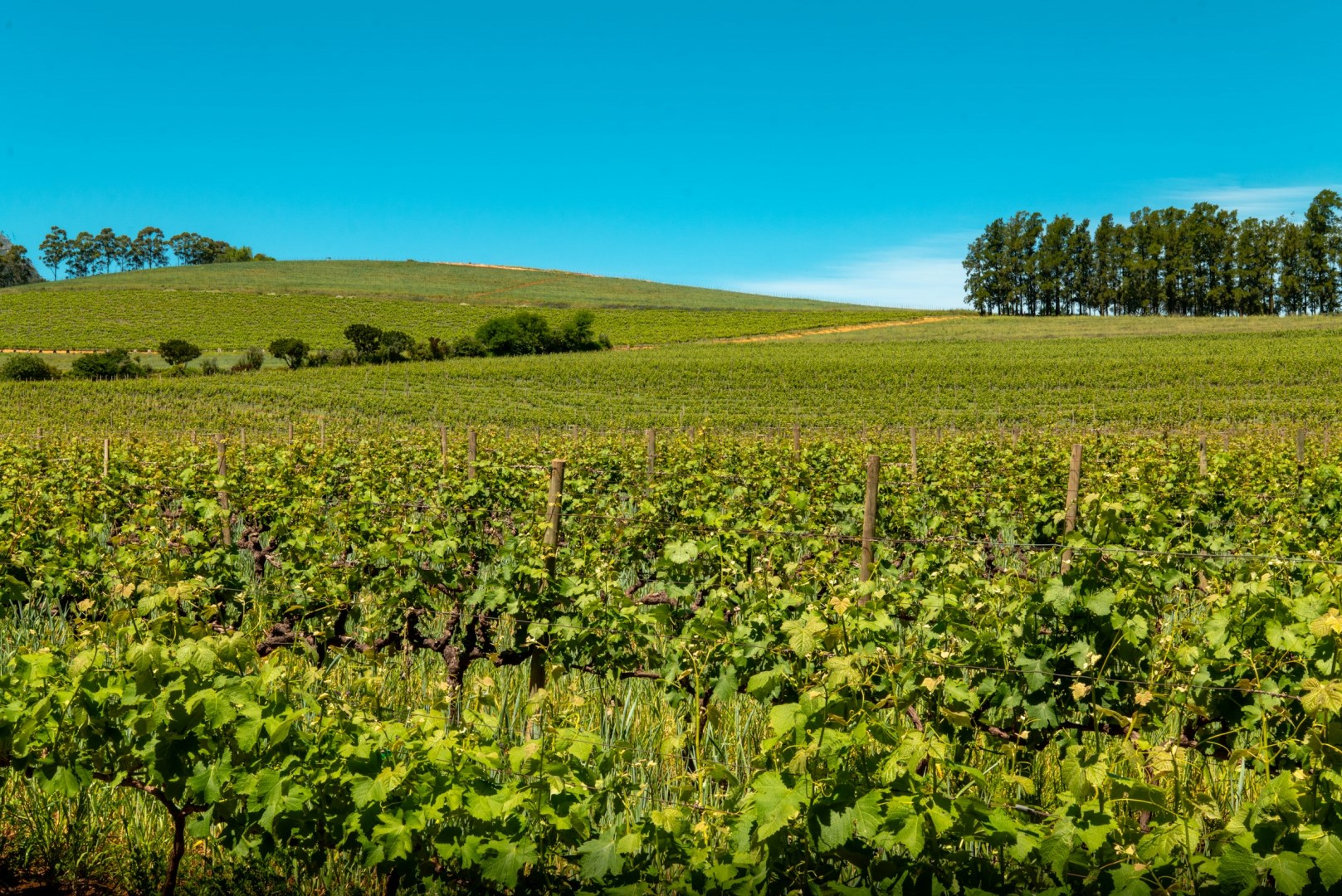
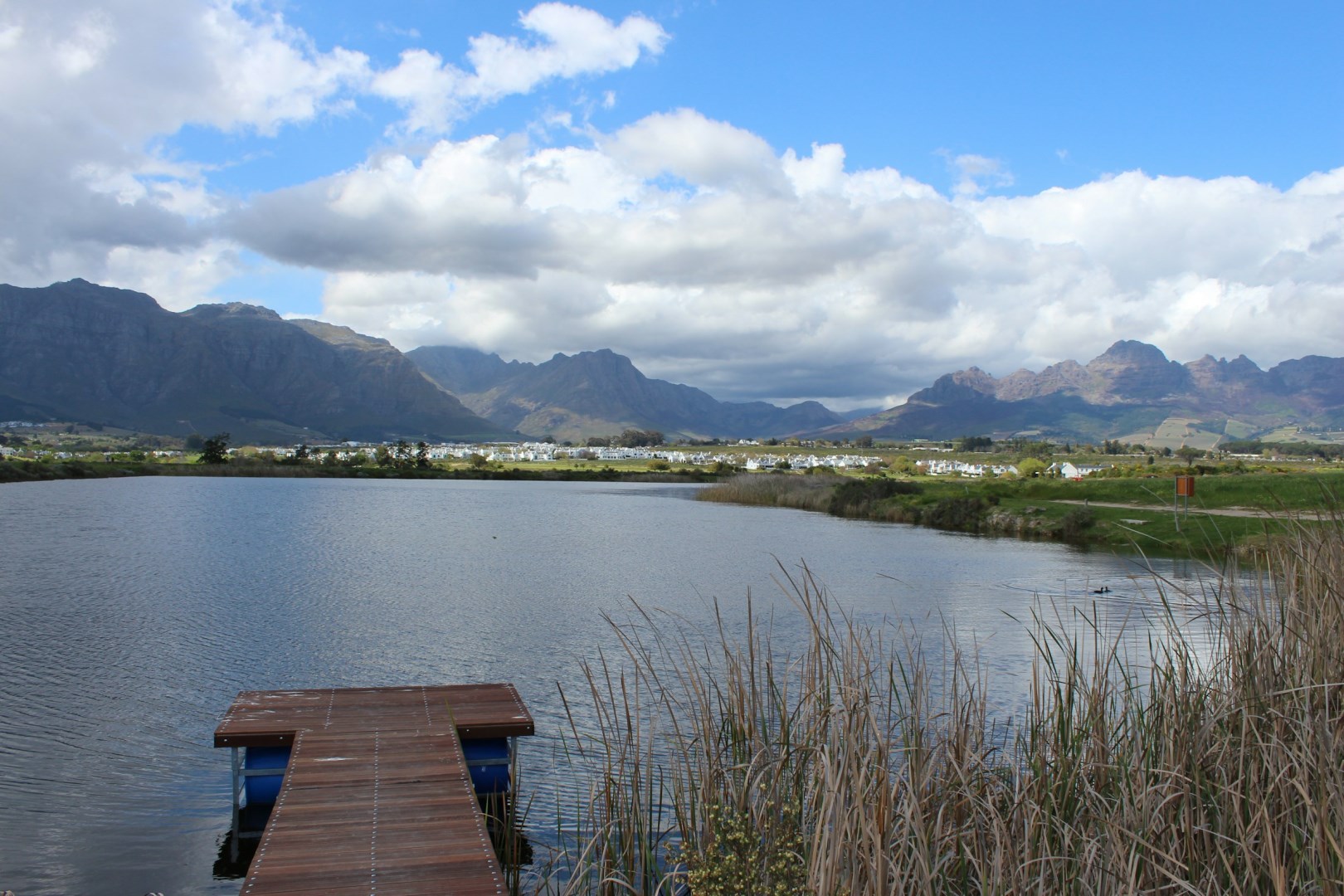
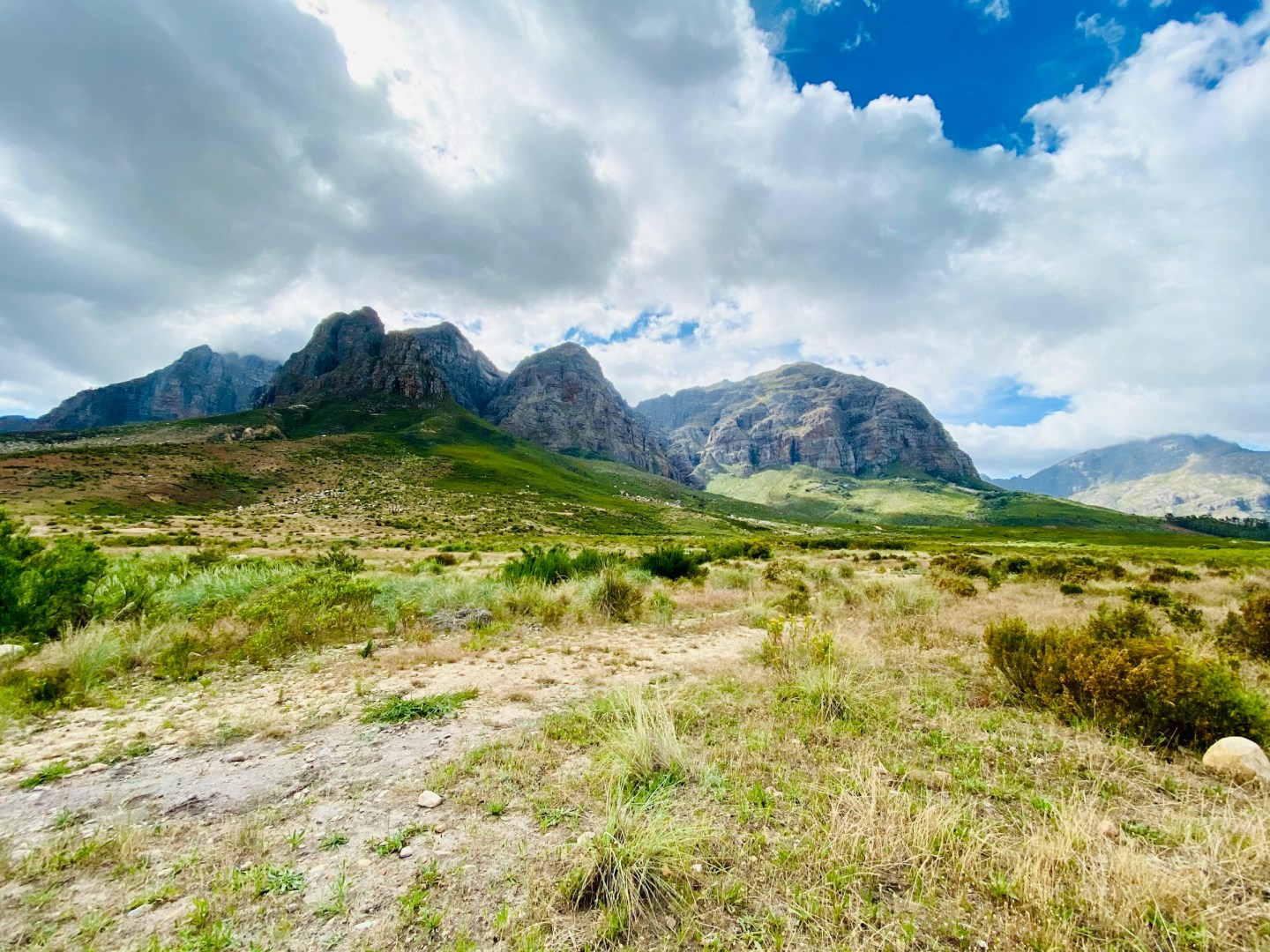
The town is nestled in the heart of South Africa’s renowned wine country. Stellenbosch is home to some of the country’s most celebrated wine estates, including Stellenbosch Wine Estate and Rust en Vrede. The surrounding vineyards produce exceptional wines that you can sample at the numerous tasting rooms and fine dining establishments. Don’t miss the opportunity to take a scenic wine tour through the picturesque valleys, which offer stunning views of the vineyards and the majestic Stellenbosch Mountains.
Stellenbosch’s culinary scene is as vibrant as its wine culture. The town is renowned for its top-notch restaurants and gourmet food offerings. Restaurants such as The Fat Butcher and Overture provide exquisite dining experiences, showcasing local ingredients and innovative cuisine. The annual Stellenbosch Wine Festival further highlights the region’s culinary excellence with food and wine pairings, live music, and an opportunity to mingle with local winemakers.
Fun fact: Stellenbosch is also known for its lively arts scene, with numerous galleries and cultural events throughout the year. The town hosts the Stellenbosch International Chamber Music Festival, which attracts world-class musicians and performers from around the globe, adding a touch of cultural sophistication to this already enchanting destination.
Whether you’re exploring its historical streets, indulging in world-class wines, or enjoying gourmet cuisine, Stellenbosch offers a delightful blend of culture, history, and sensory experiences that make it a must-visit destination.
Other Popular Destinations in South Africa
Johannesburg
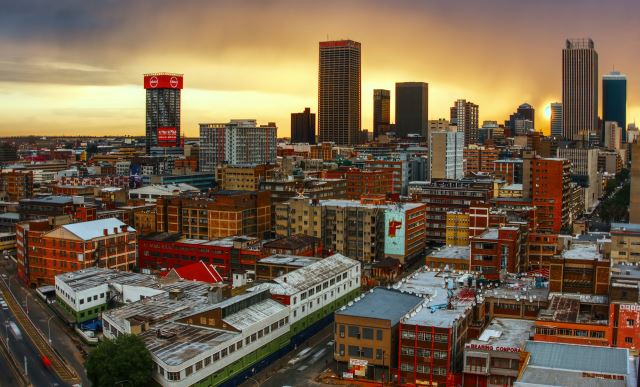
Travel to Johannesburg, the cosmopolitan city at the heart of South Africa, and find some of the country’s most iconic landmarks. Replete with cultural excursions, historical sites, and superb restaurants, Johannesburg has plenty to explore.
Kruger National Park
Kruger National Park, located in northeastern South Africa, is one of the world’s premier wildlife reserves and a cornerstone of African conservation. Established in 1898, it spans nearly 20,000 square kilometers, making it larger than many countries.