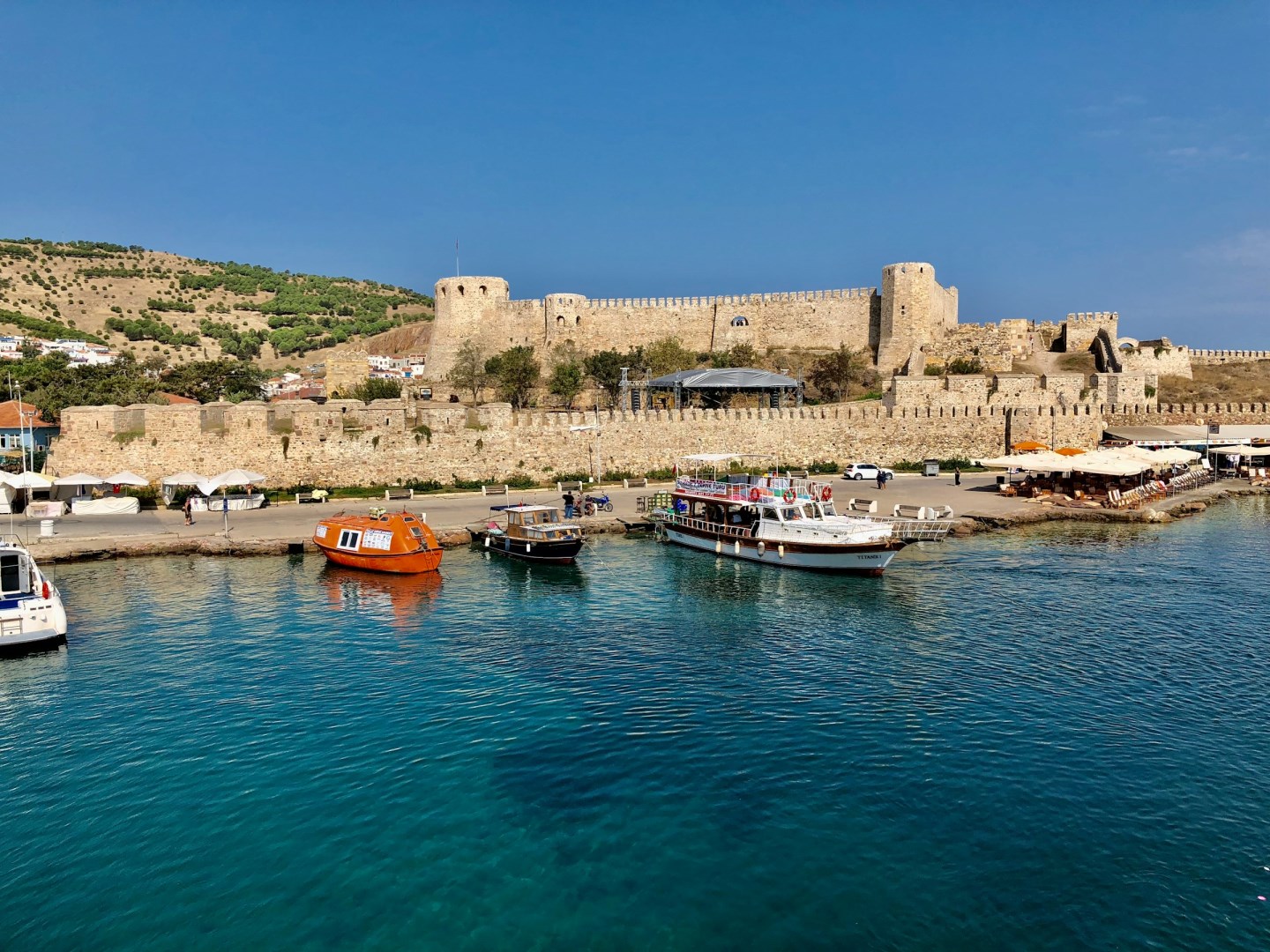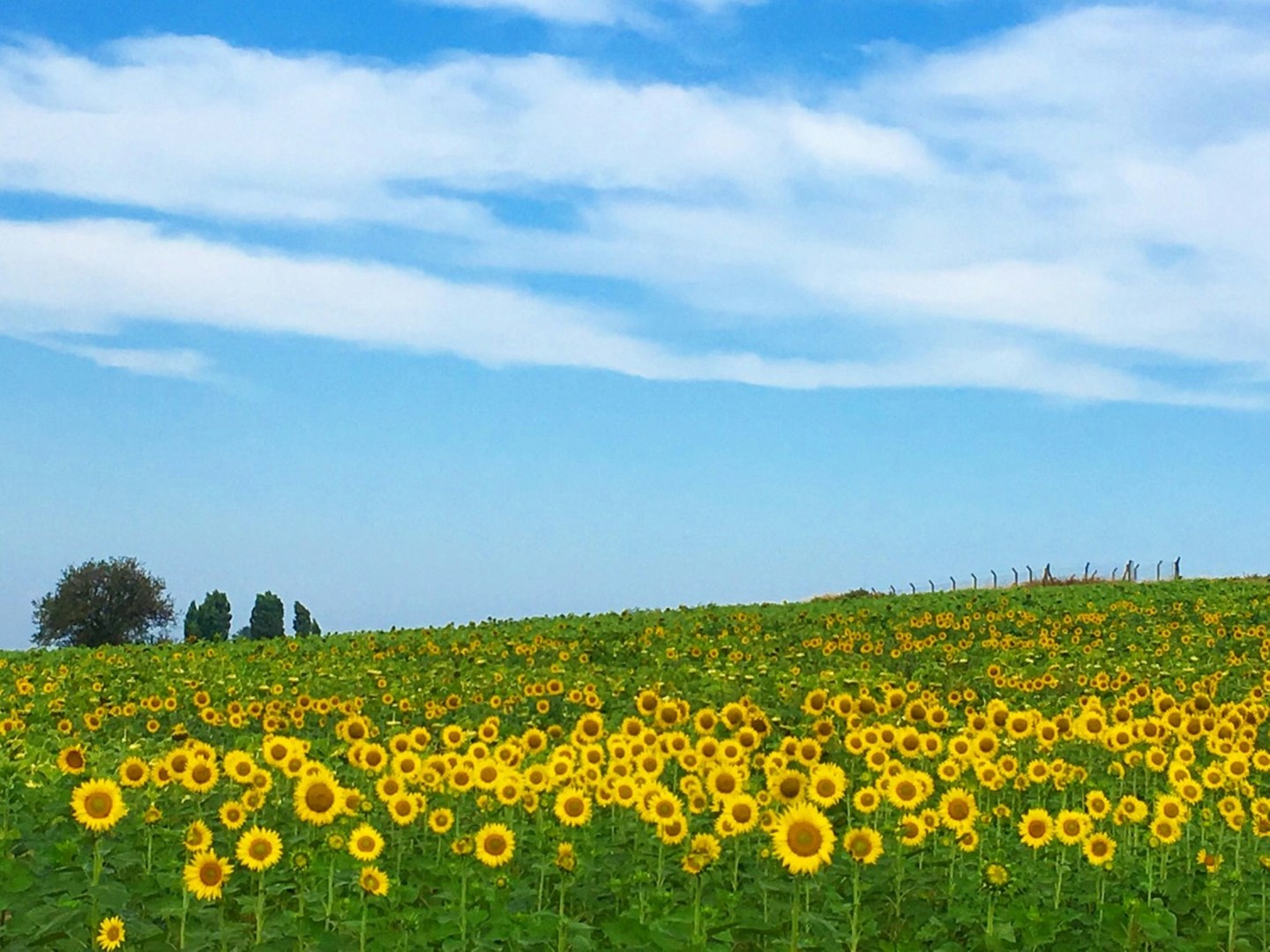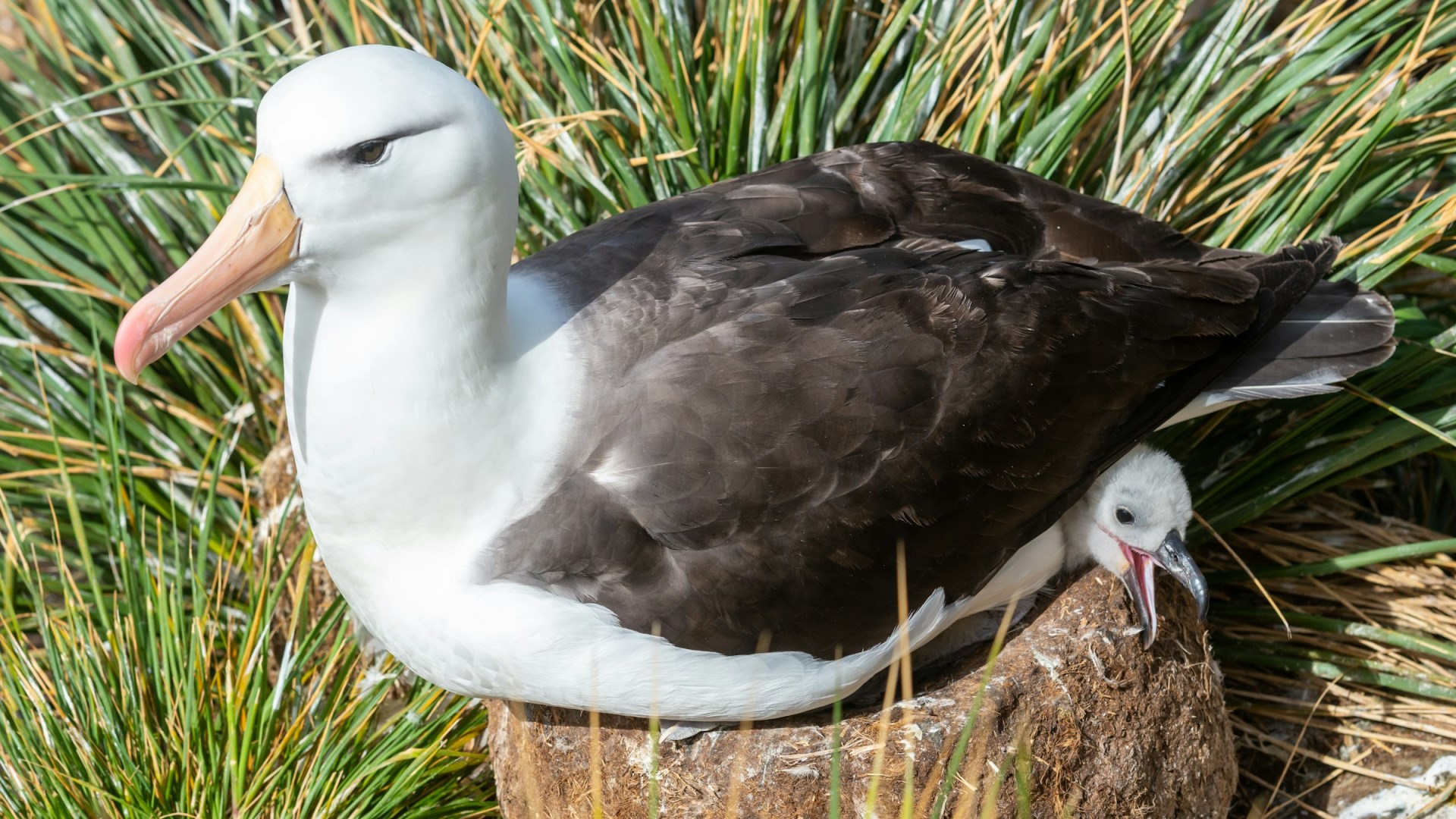
West Point Island
Originally known as Albatross Island, West Point Island boats some of the most spectacular coastal scenery in the Falklands as well as numerous species of plants, birds and marine mammals.
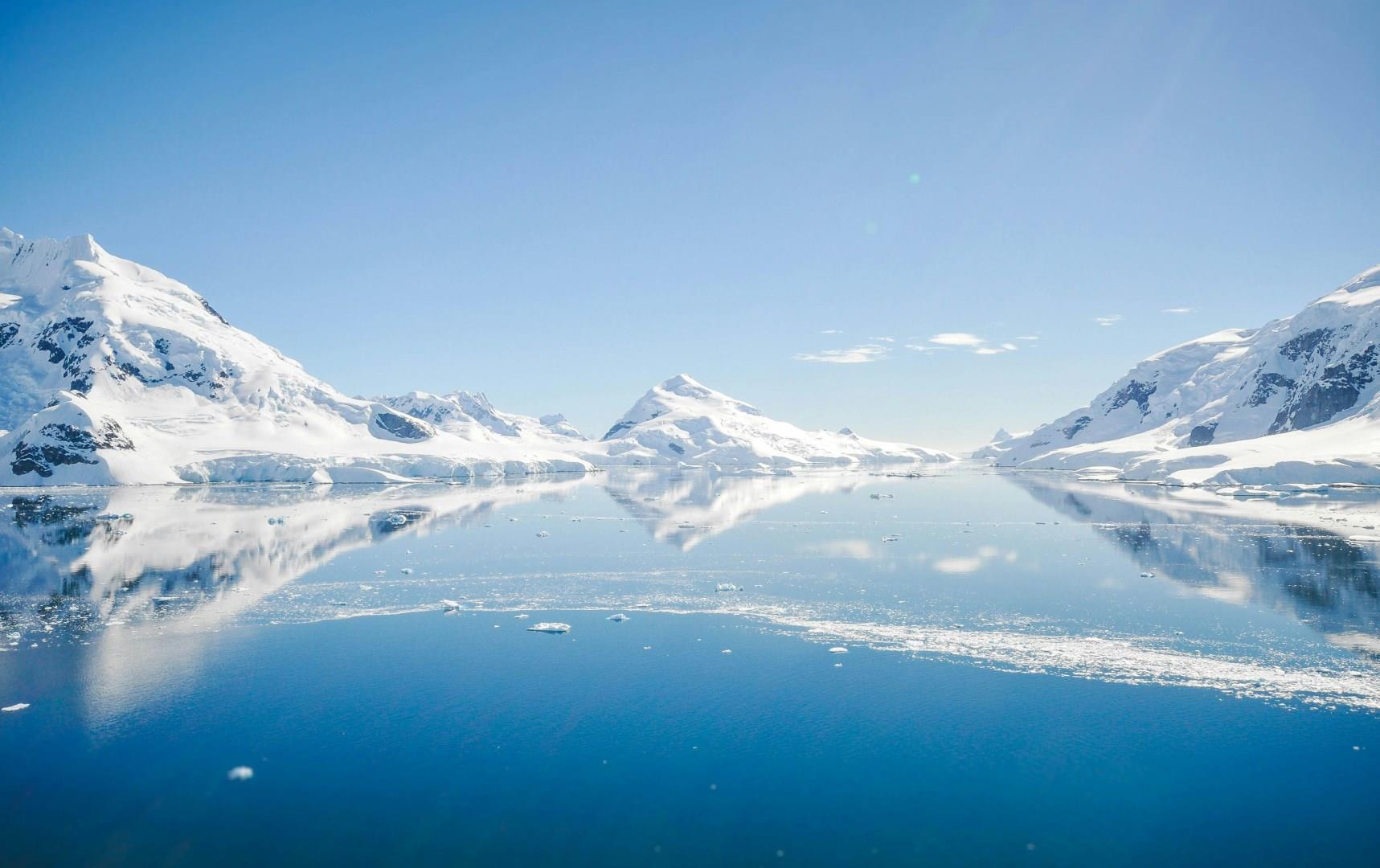
Antarctica
The continent lying mainly within the Antarctic Cirle with the South Pole approximately at its center. The Antarctic Treaty of 1959, signed by 12 countries prohibits military activities and promotes the exchange of scientific information.
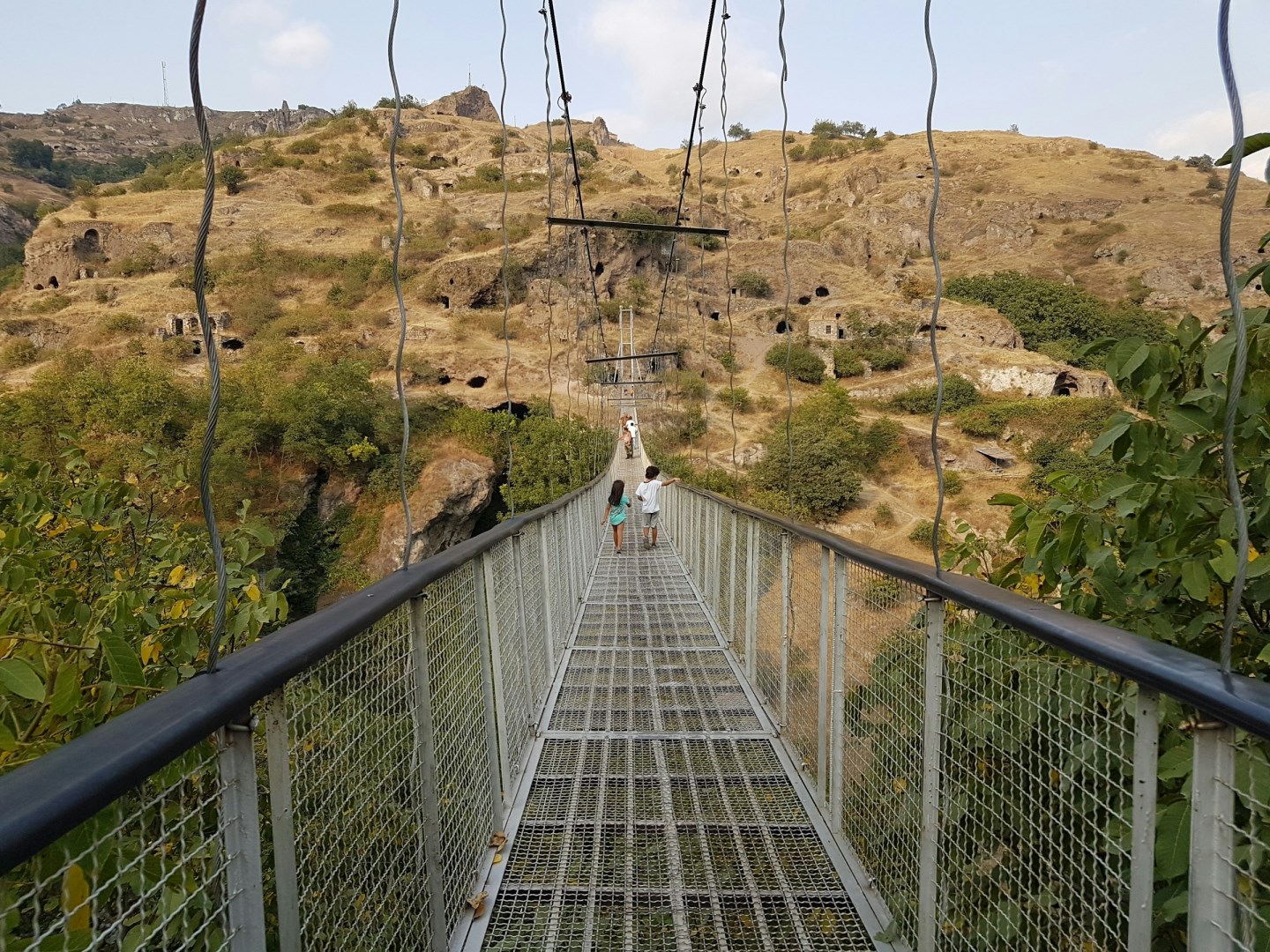
Khndzoresk
Khndzoresk is a village in Armenia's Syunik Province, near the town of Goris, known for a deep gorge containing an extensive historic cave settlement. Old Khndzoresk developed along the steep sides of the gorge, where natural cavities were enlarged and adapted into homes, storage spaces, stables, and other parts of a community.
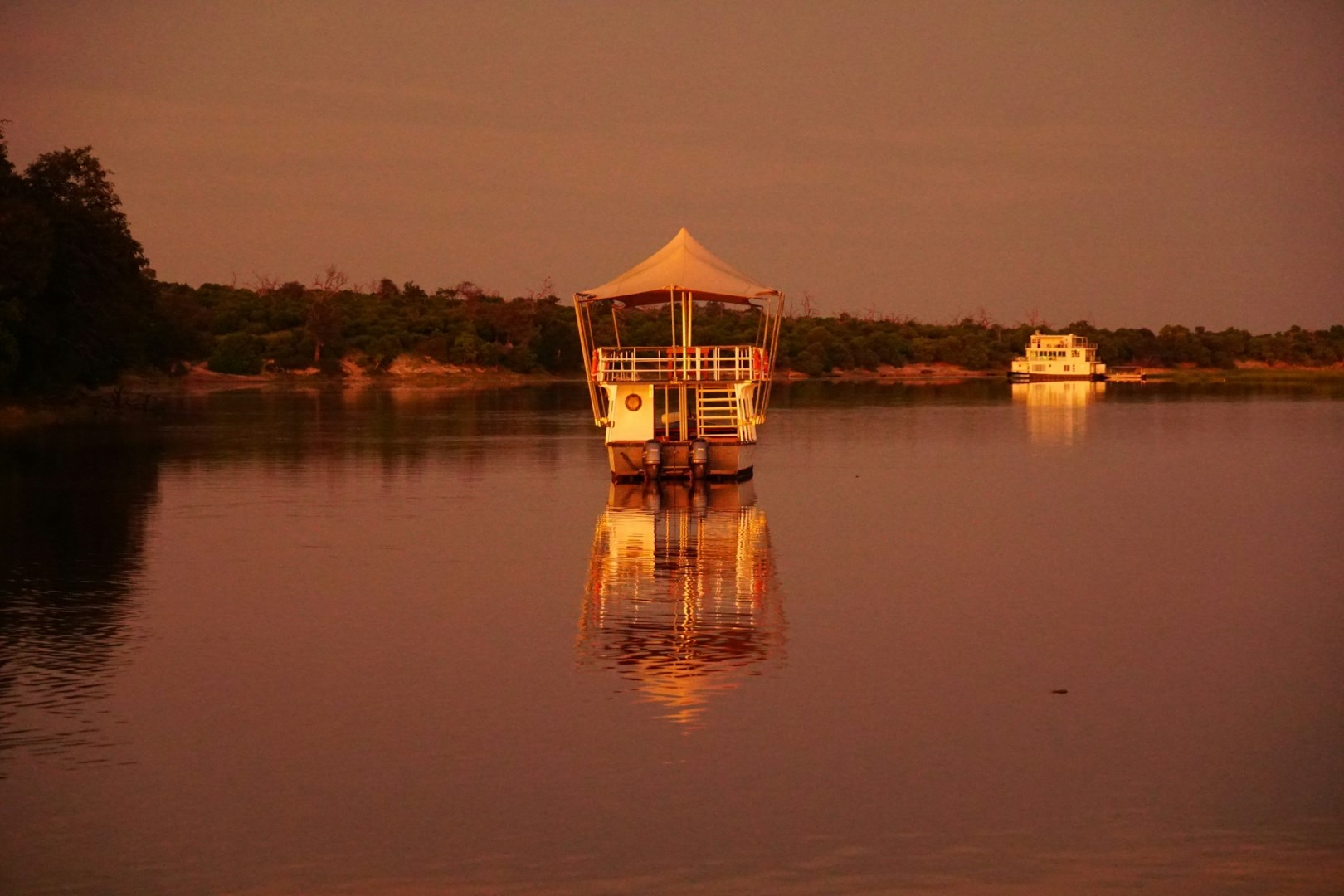
Caprivi
Caprivi, now officially known as the Zambezi Region of Namibia, is a narrow, water-rich area in the country's far northeast, extending between Angola, Zambia, Botswana, and Zimbabwe. Unlike much of Namibia's dry interior, Caprivi contains perennial rivers, floodplains, wetlands, woodland, and riverine forests.

México
Mexico offers the best beaches, scuba diving, nightlife, cultural attractions and cuisine in the world. Millions of people flock to this country every year for a well-needed vacation. Archaeological ruins, inexpensive shopping, and festive music are its foremost attractions.