Cape Town
Cape Town, located at the southern tip of South Africa, is one of the world’s most striking coastal cities. Towering over it is Table Mountain, a flat-topped landmark that can be reached by cable car or on foot, offering sweeping views of the city, ocean, and beyond.
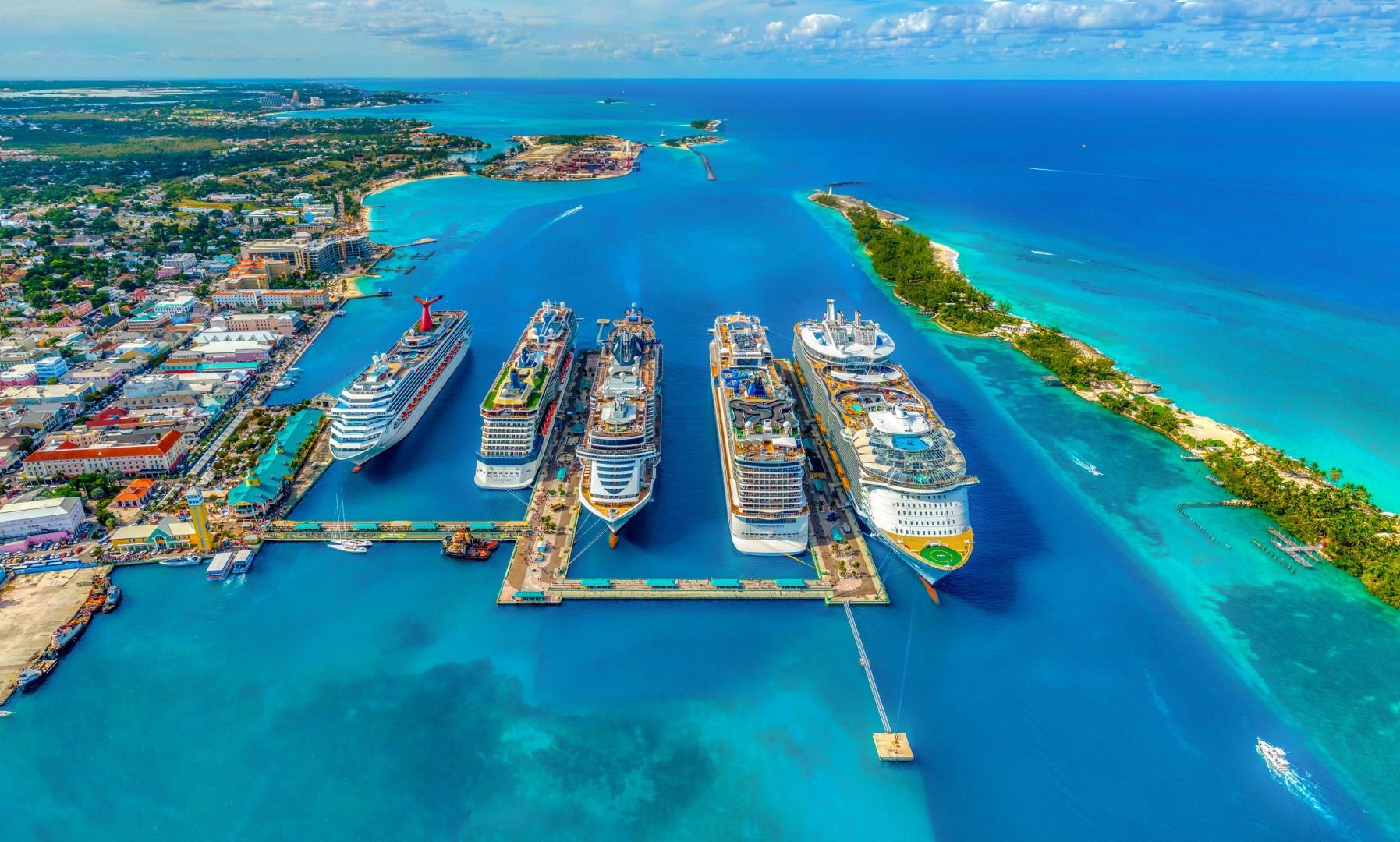
Nassau
Beloved by cruise-goers, Nassau is a stunning Bahamian paradise and an essential destination on many Caribbean cruises. With so much to experience and explore, charming Nassau will easily enchant you on your adventure to the Bahamas! Hit one of Nassau’s many beaches, including Montagu Beach, Goodman’s Bay, and Cable Beach, to soak up some sunshine and relax in warm sands. Take a plunge in the ocean to snorkel or swim with dolphins, sharks, and sting rays.
Batu Caves
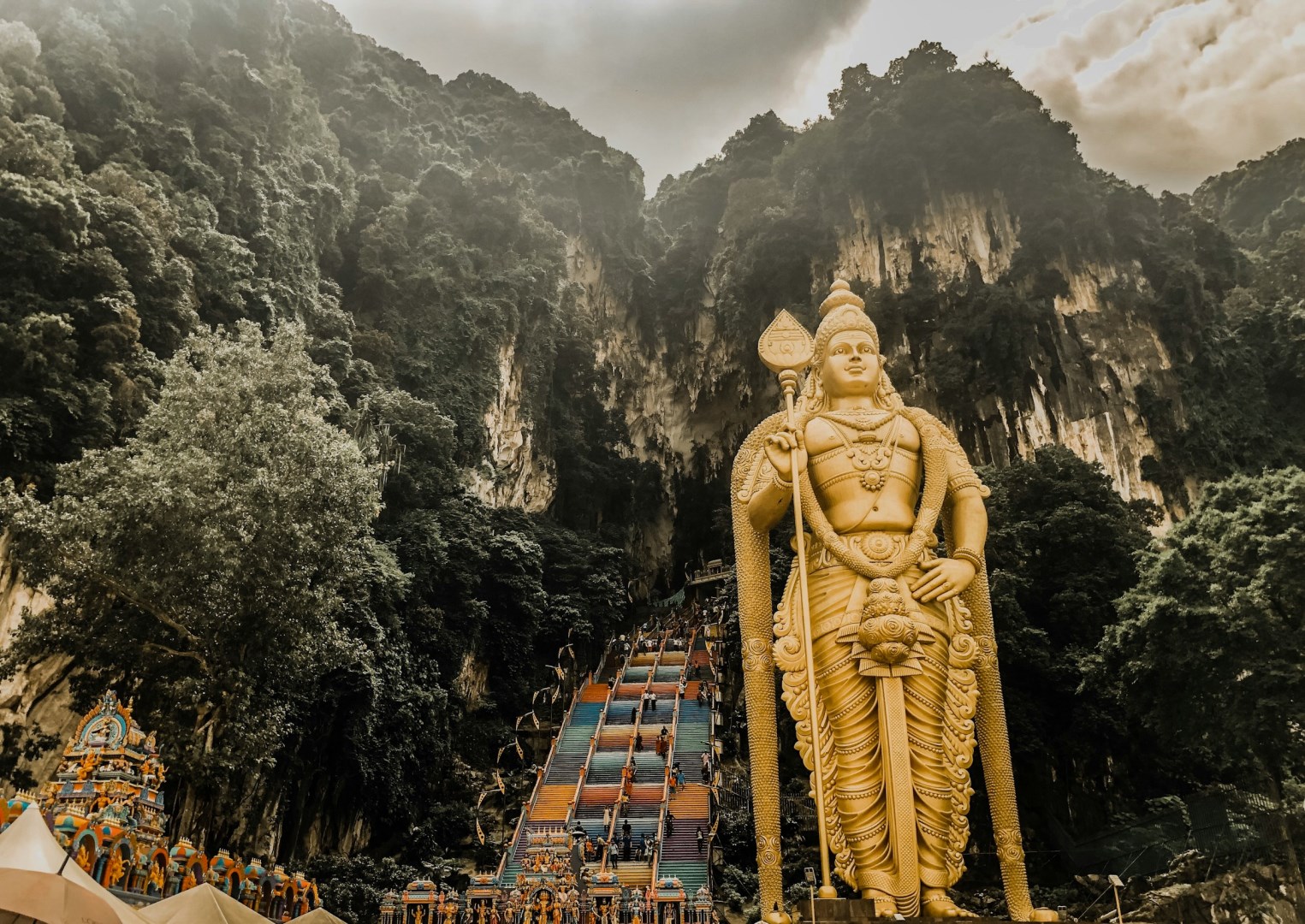
Batu Caves is a limestone hill and Hindu religious complex in Gombak, Selangor, just north of Kuala Lumpur. The site consists of several caves and caverns formed within a limestone outcrop, with the main Temple Cave reached by a staircase of 272 steps.
Ilulissat
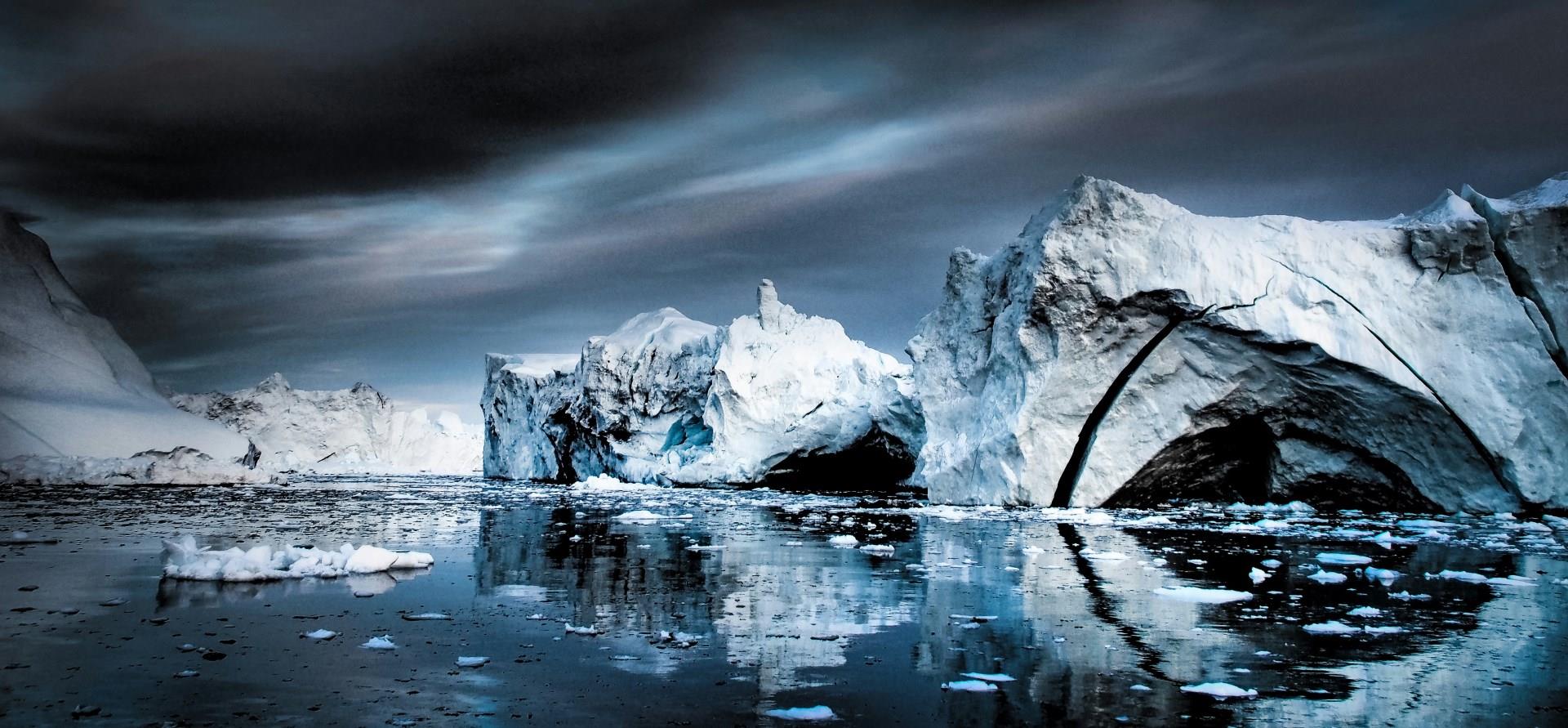
On Greenland’s west coast, Ilulissat (once known as Jakobshavn) welcomes travelers with astonishing ice scenery and a sense of scale that feels almost otherworldly. The town sits beside Disko Bay, where immense icebergs drift silently past, glowing pink and gold in the Arctic light. The name “Ilulissat” means “icebergs,” and it could not be more fitting. Here, every turn toward the sea offers a fresh view of towering ice forms, each one sculpted by nature into something fleeting and beautiful.
Karlstad
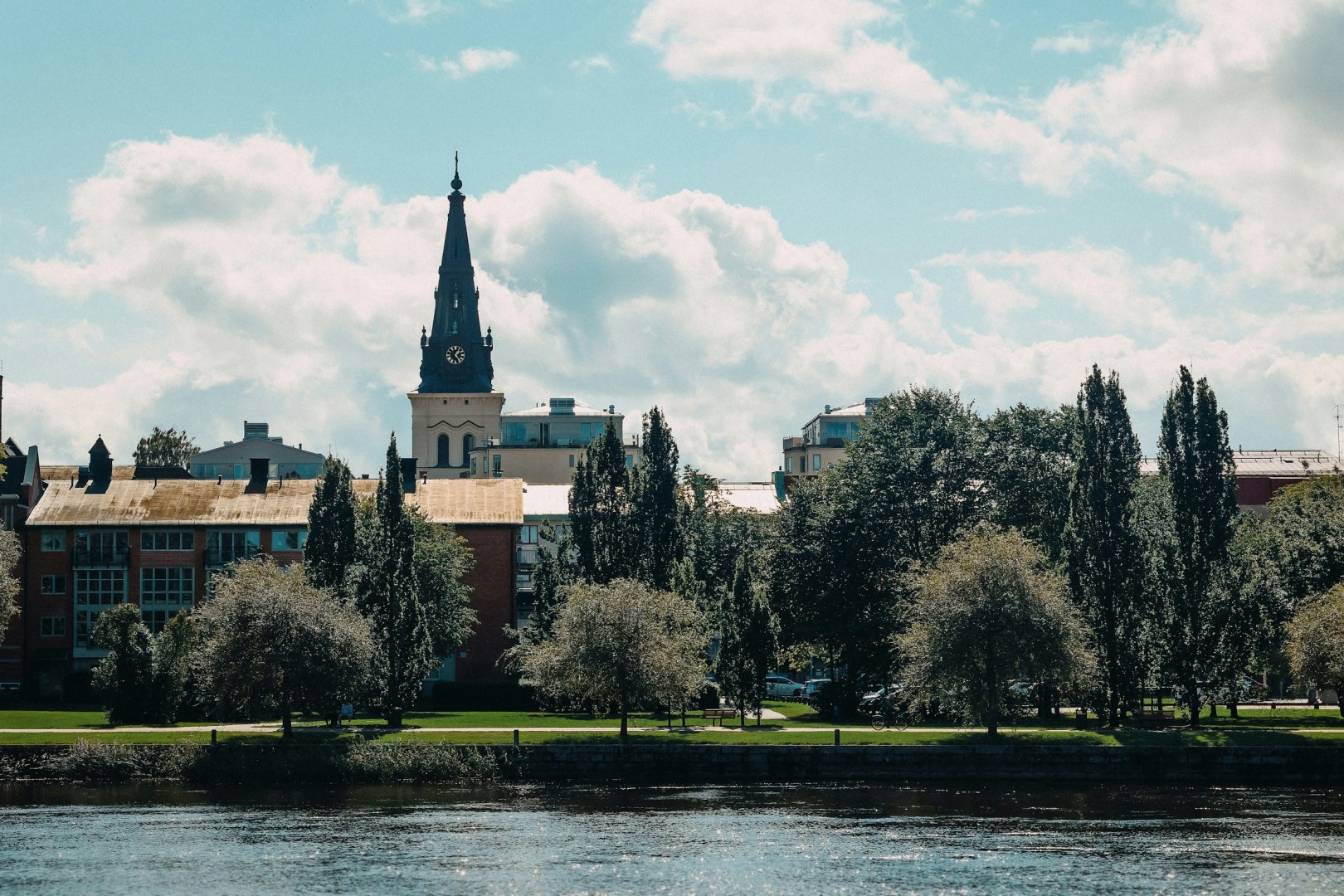
Karlstad, Sweden, is a city that elegantly combines natural beauty with cultural charm. Situated on the banks of Lake Vänern, Sweden’s largest lake, Karlstad is renowned for its picturesque waterfront and abundant sunshine. The city’s Värmlands Museum provides an enriching experience with its exhibits on local history, art, and the region's unique cultural heritage.