Piran, nestled along Slovenia's picturesque Adriatic coast, is a charming city that embodies a blend of medieval allure and seaside beauty. With its narrow, winding streets and well-preserved Venetian architecture, Piran offers a delightful glimpse into its rich history. A walk through Piran’s old town reveals its Venetian heritage, with charming piazzas, narrow alleys, and picturesque waterfronts.
Hustai National Park is a protected grassland reserve in central Mongolia, located west of Ulaanbaatar in an area of rolling степpe, forested hills, and river valleys. The park is best known for the reintroduction of the Przewalski’s horse, known locally as takhi, a wild horse species that had disappeared from Mongolia before conservation programs returned it to the region.
Remote, windswept, and bursting with wildlife, South Georgia is a sub-Antarctic island that surprises nearly everyone who steps ashore. Though uninhabited by civilians, the island hosts a small British research station and welcomes visitors via expedition cruises. What draws people here is not luxury or convenience, but the scale of its wildness.
Bornholm, a picturesque Danish island in the Baltic Sea, offers a unique blend of natural beauty and cultural charm. Renowned for its rugged coastline and charming villages, Bornholm is a haven for outdoor enthusiasts. The island's northern coast is particularly famous for its dramatic cliffs and clear waters, perfect for hiking and cycling.
Homer, Alaska, sits at the end of the Kenai Peninsula and is often called the “end of the road,” where dramatic landscapes meet a vibrant small-town spirit. Overlooking Kachemak Bay, the town is framed by snowcapped mountains, glaciers, and a striking spit of land that juts four miles into the sea.
Photo Credit: Photo by Uzuri Safaris Tanzania on Unsplash
Photo Credit: Photo by Dmitrii Zhodzishskii on Unsplash
Photo Credit: Photo by Tom kitto on Unsplash
Photo Credit: Photo by Nad Hemnani on Unsplash
Photo Credit: Photo by Tanzania Wild Sky on Unsplash
Photo Credit: Photo by Uzuri Safaris Tanzania on Unsplash
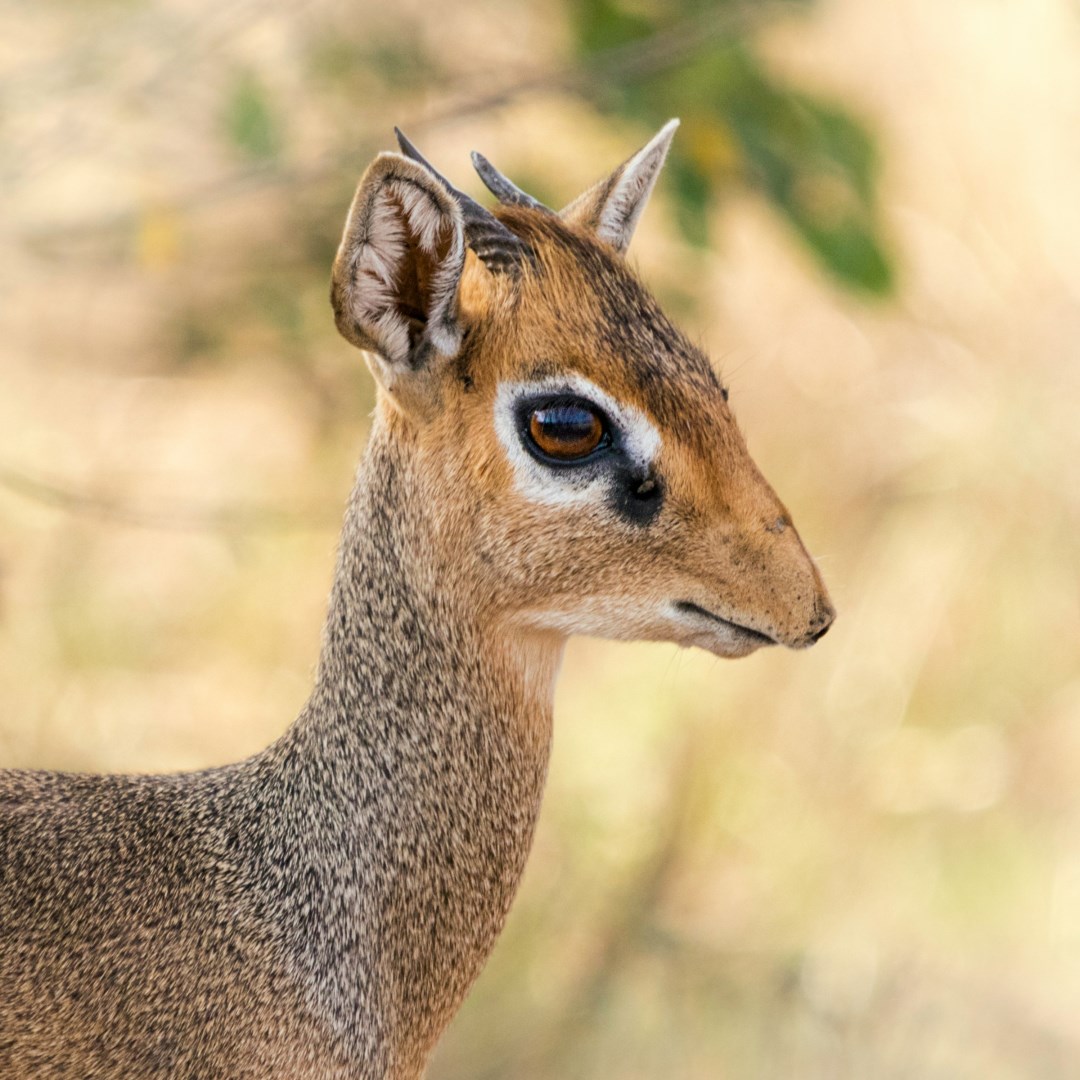
dik-dik
Photo Credit: Photo by Team Mfina on Unsplash
Photo Credit: Photo by Felix Rottmann on Unsplash
Photo Credit: Photo by Matt Benn on Unsplash
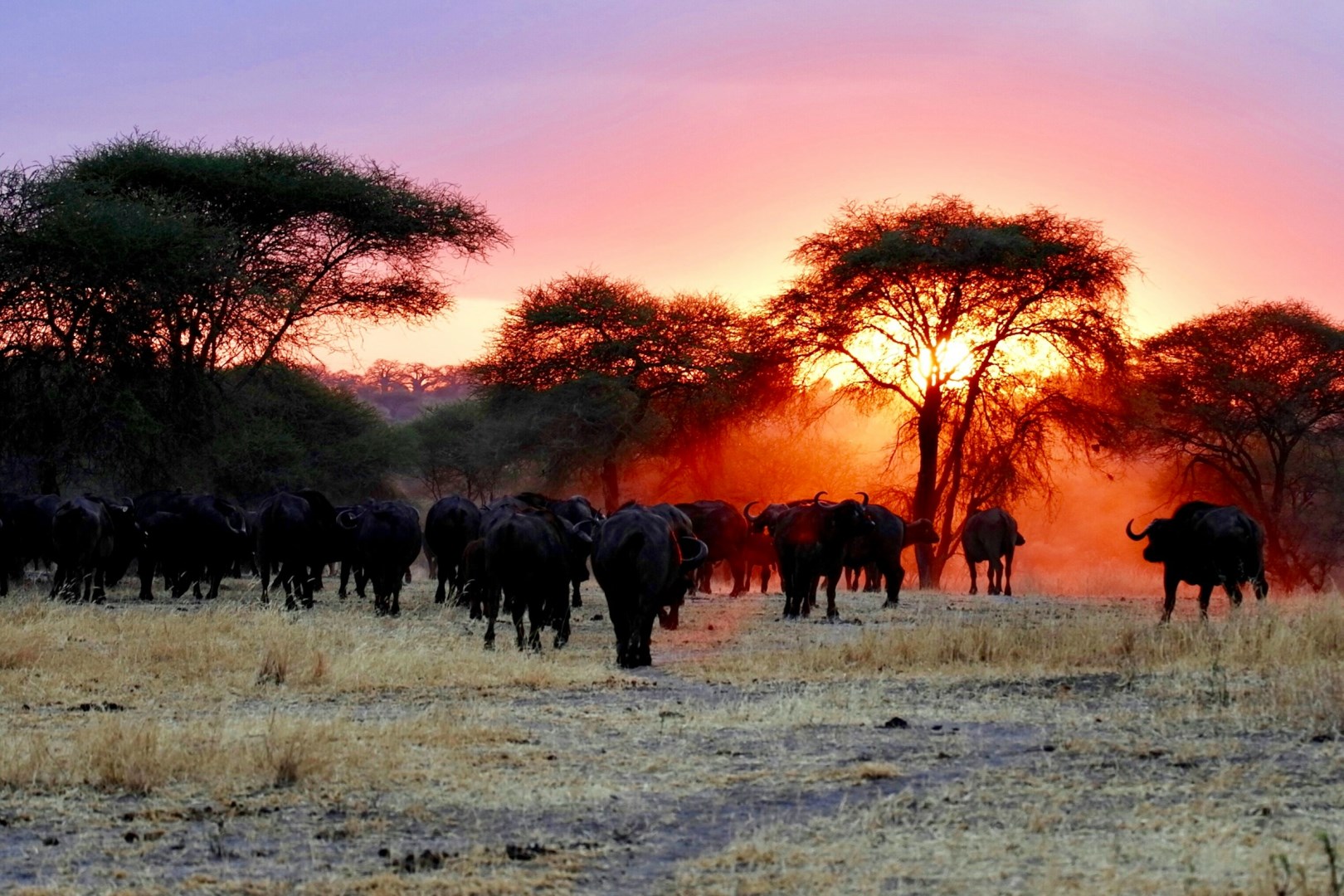
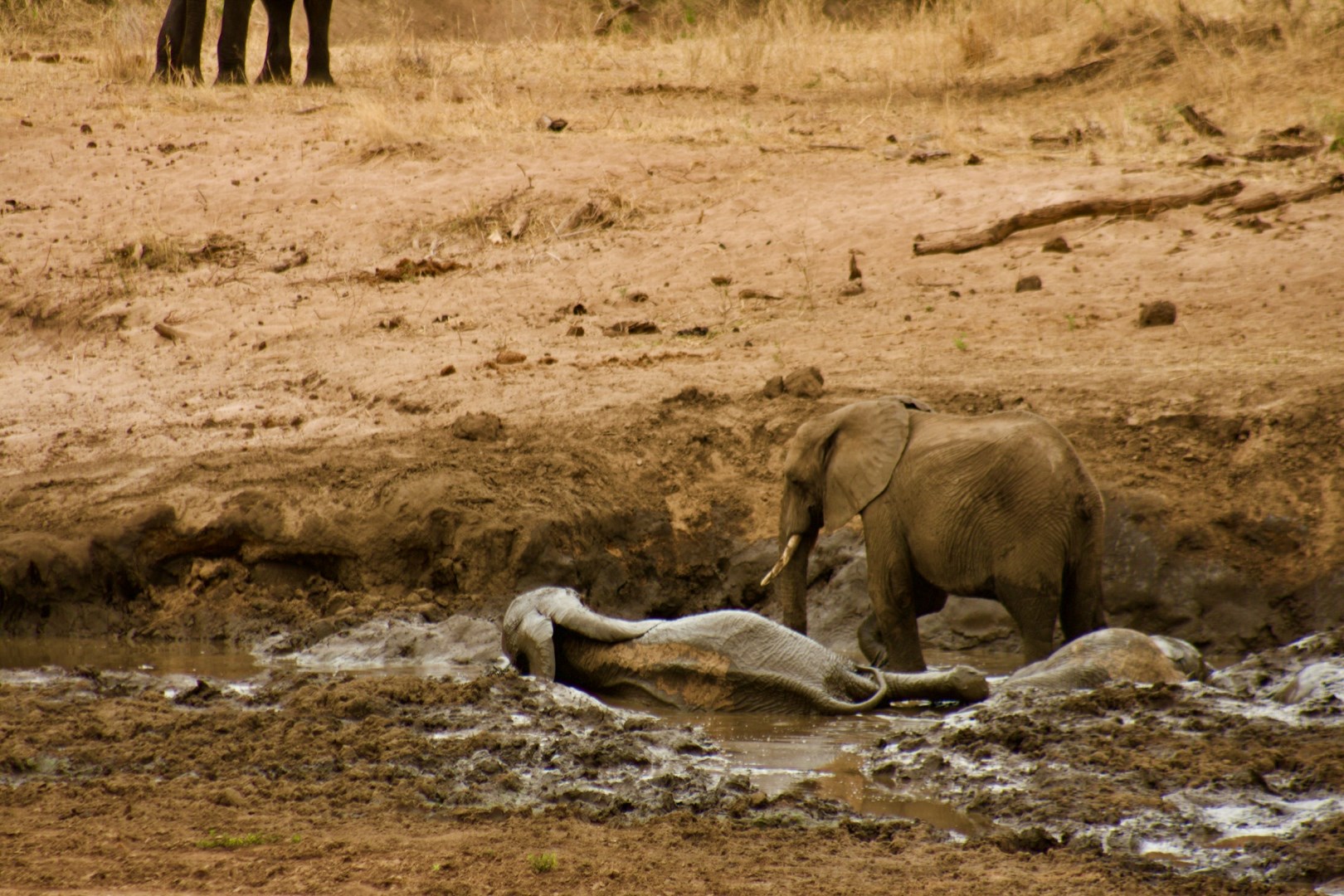
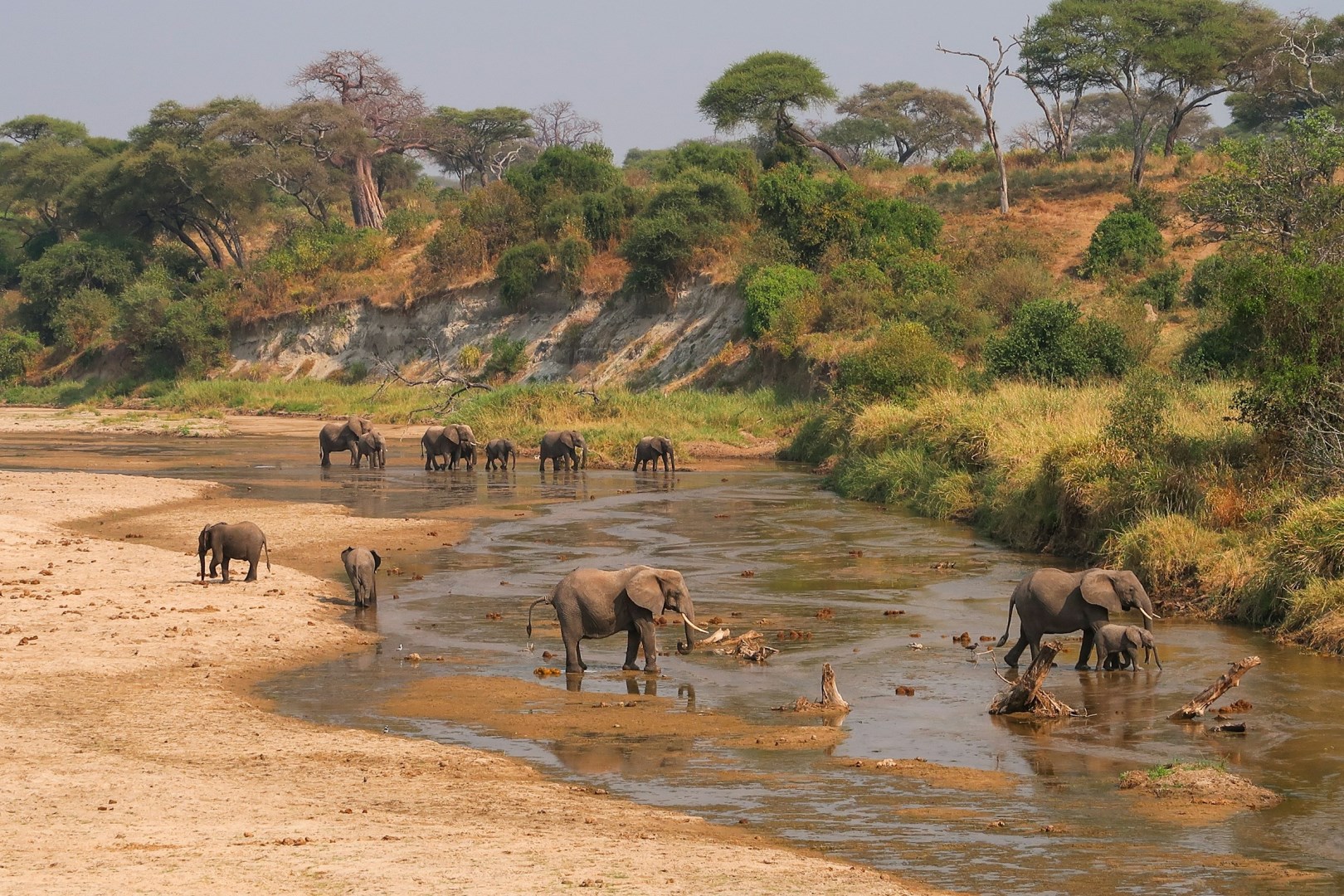
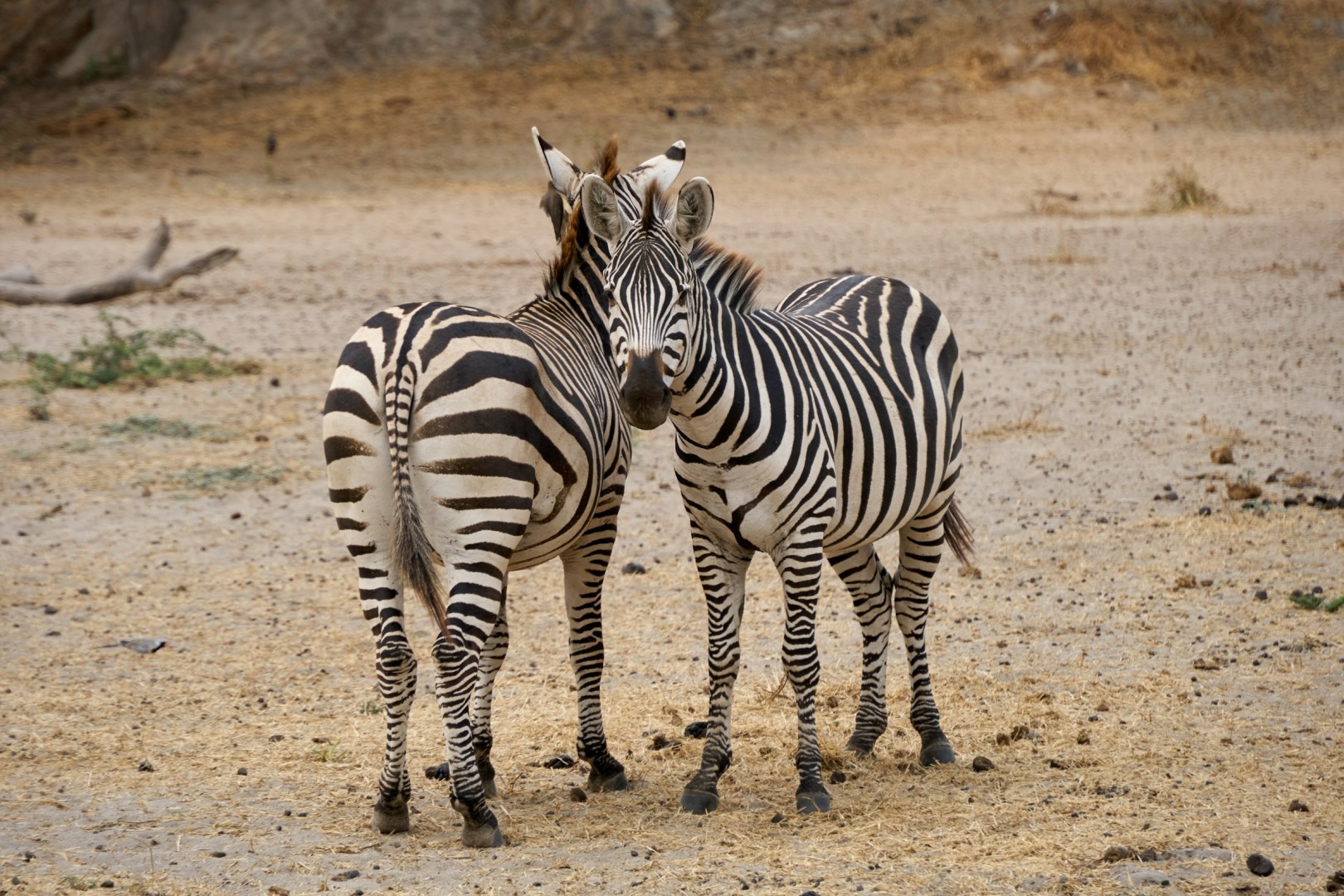
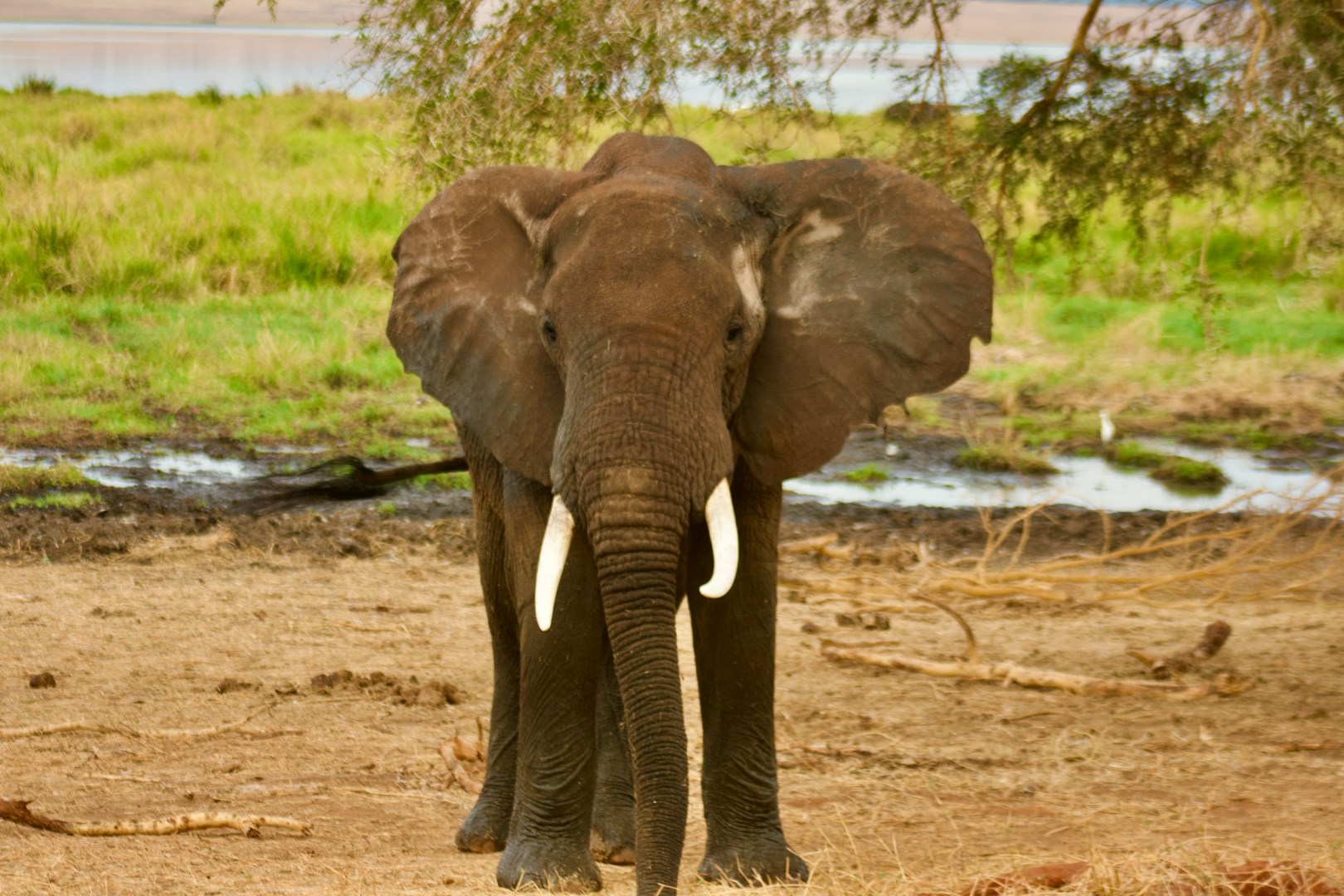
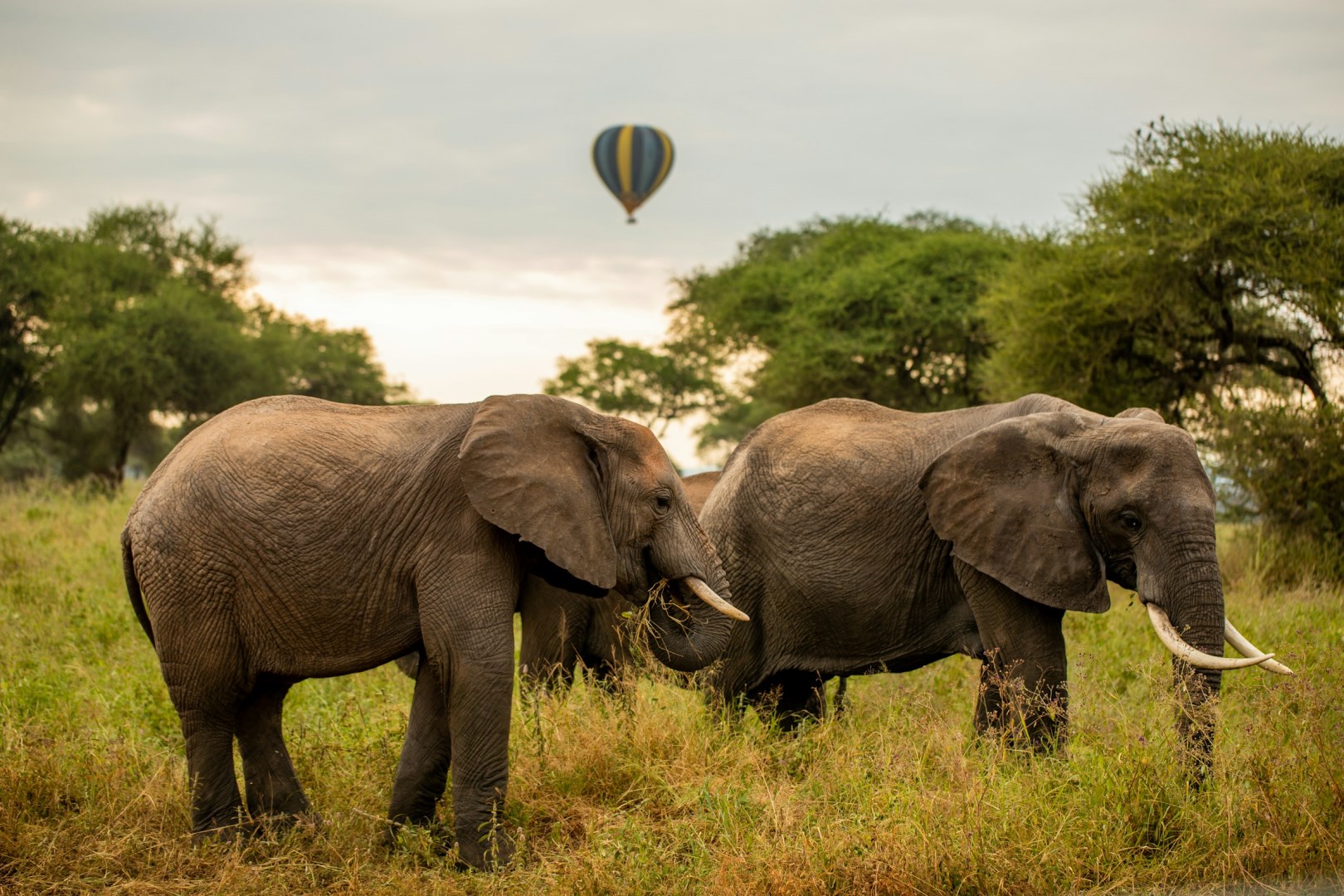
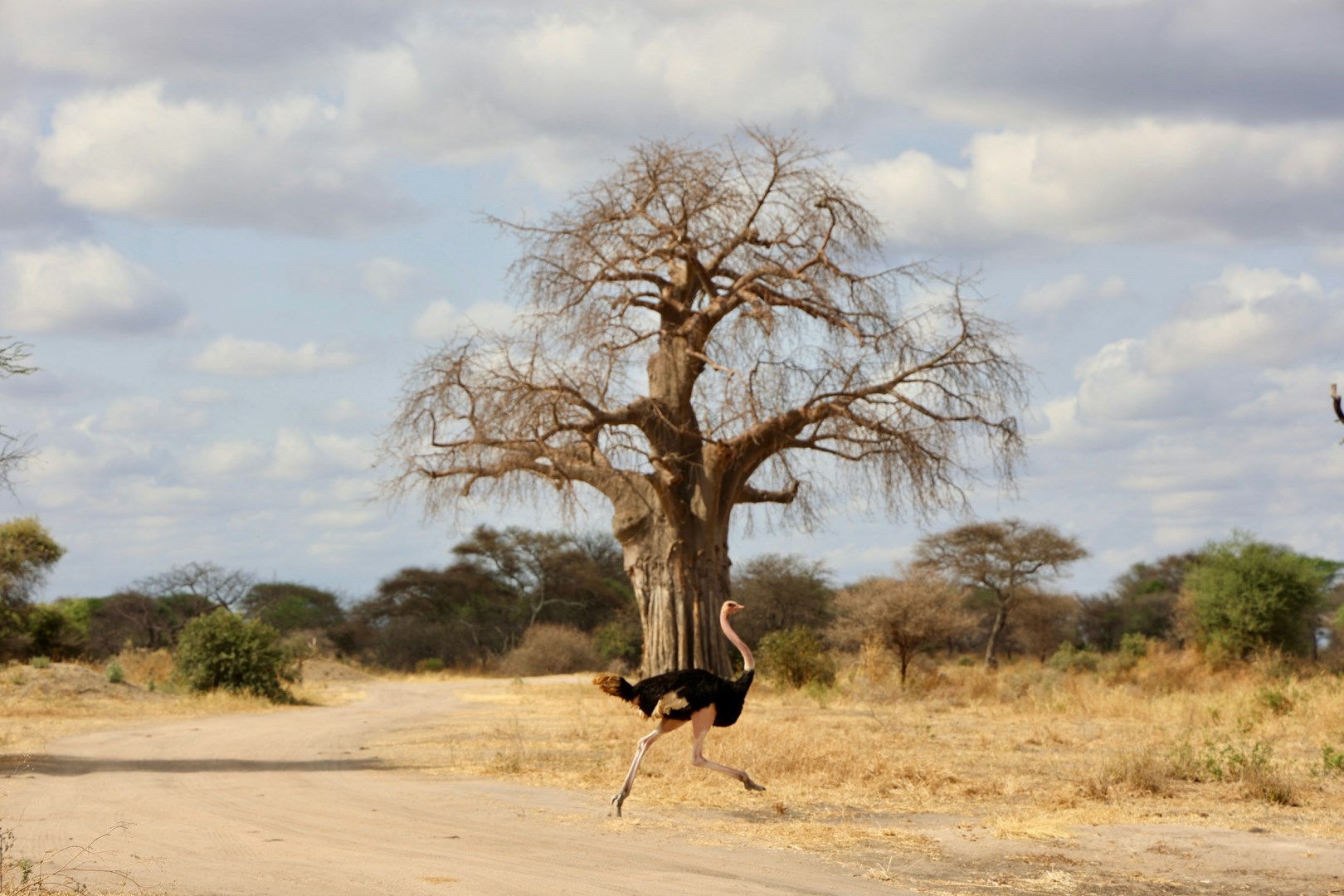
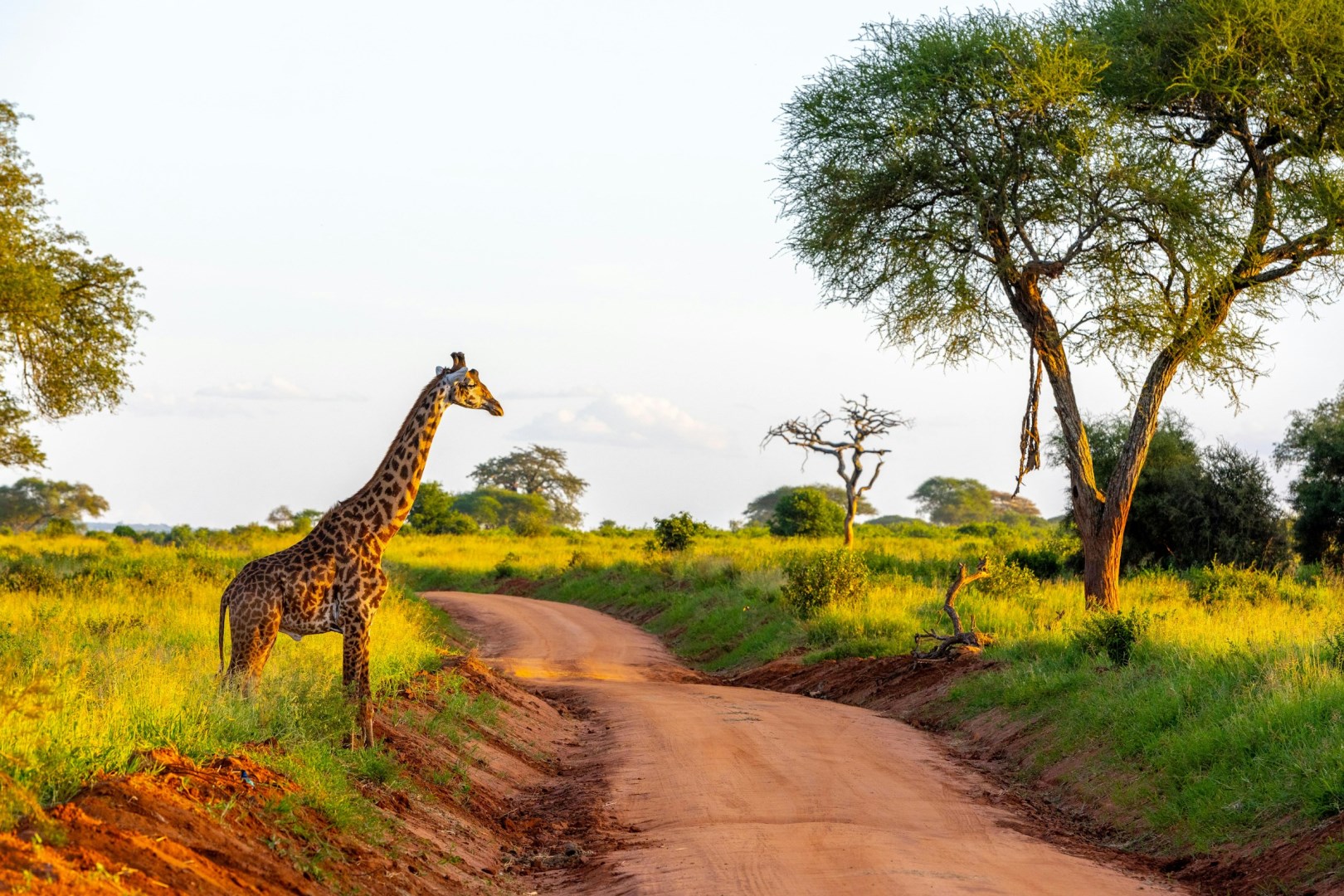
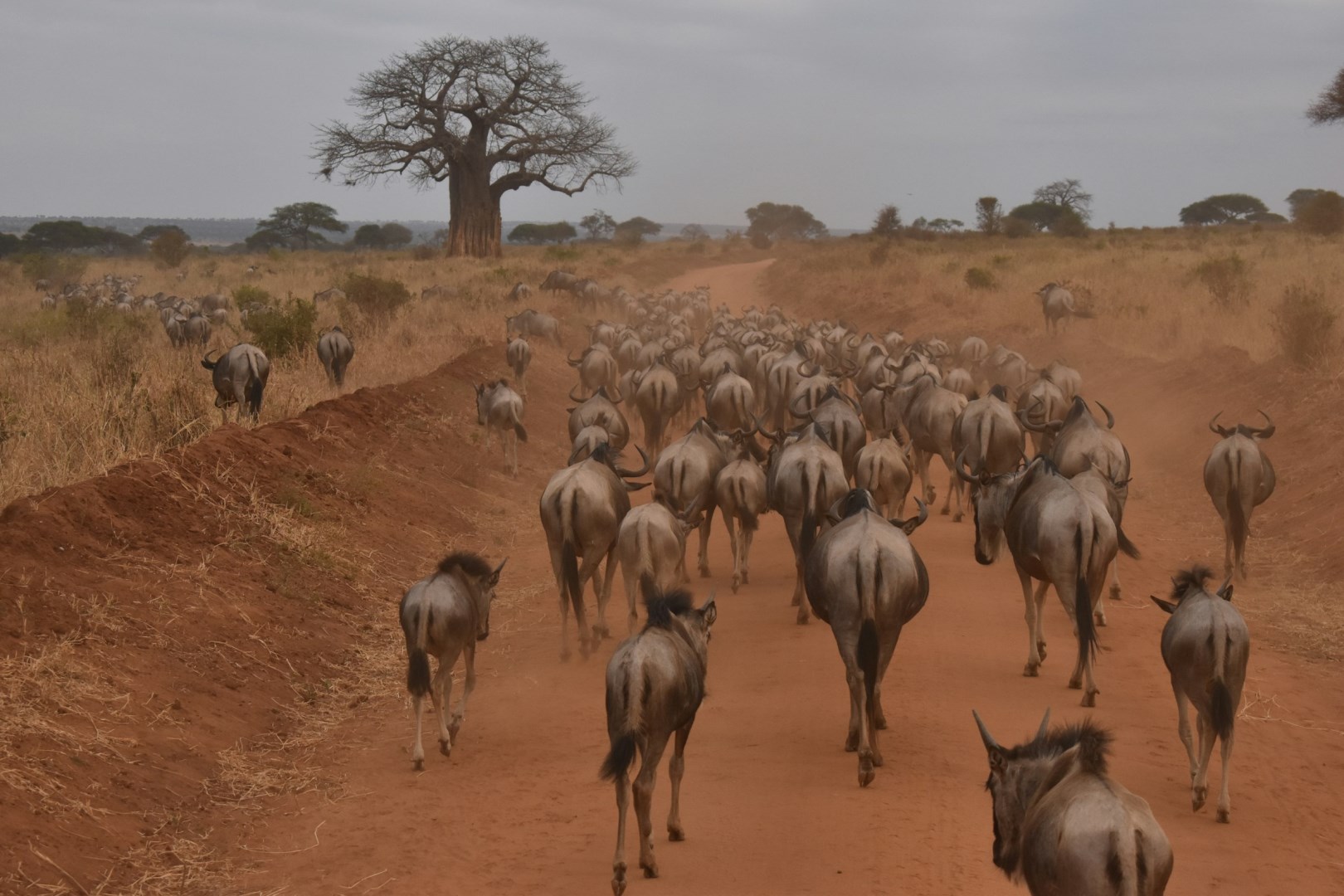
Tarangire National Park, a stunning gem in northern Tanzania, offers an unparalleled safari experience amid its diverse landscapes and wildlife. Renowned for its dense population of elephants, the park's vast baobab-studded plains and swamps create a dramatic setting that brings you face-to-face with these magnificent creatures. The park is home to over 300 bird species, including the strikingly beautiful Lilac-breasted Roller and the majestic Secretary Bird.
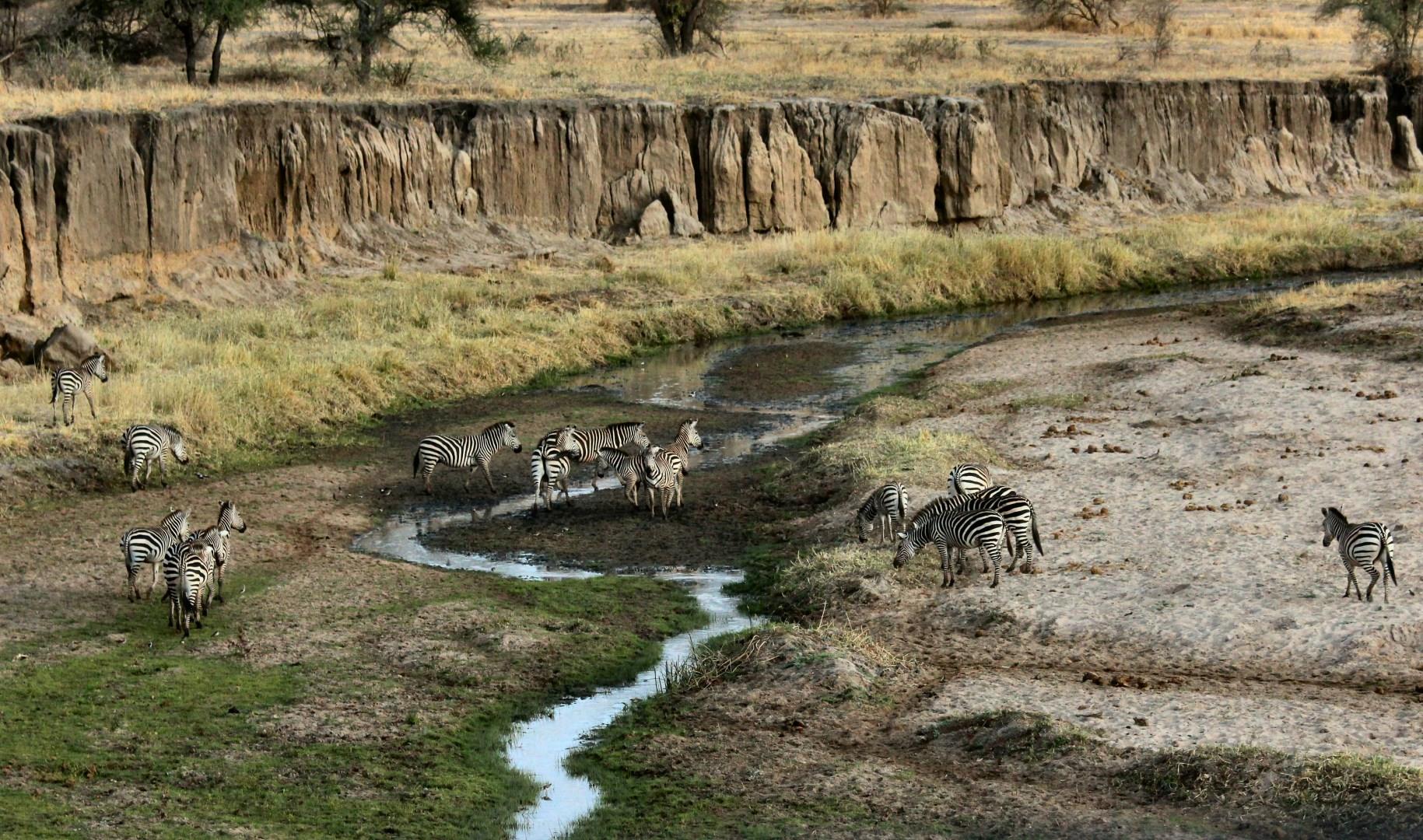
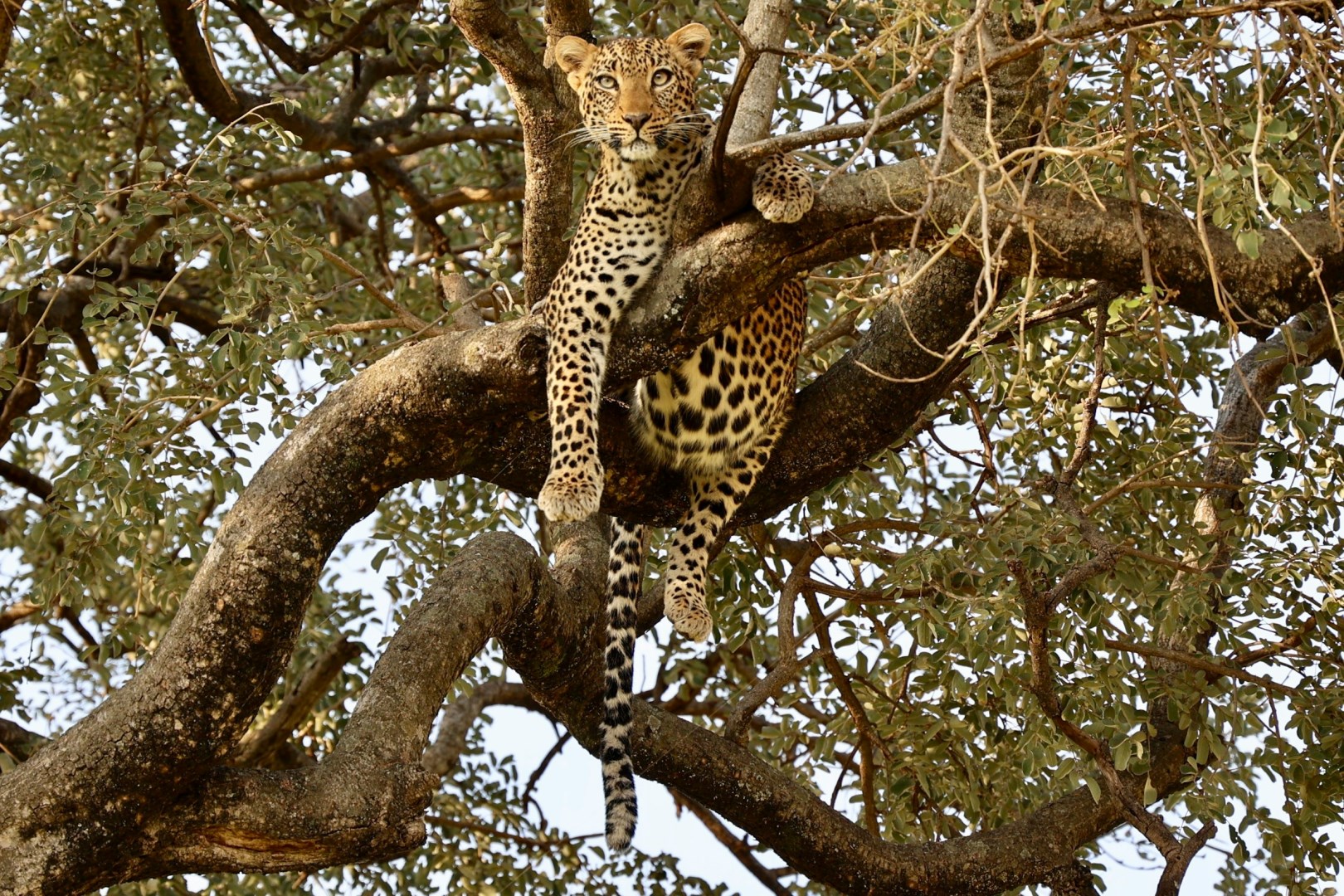
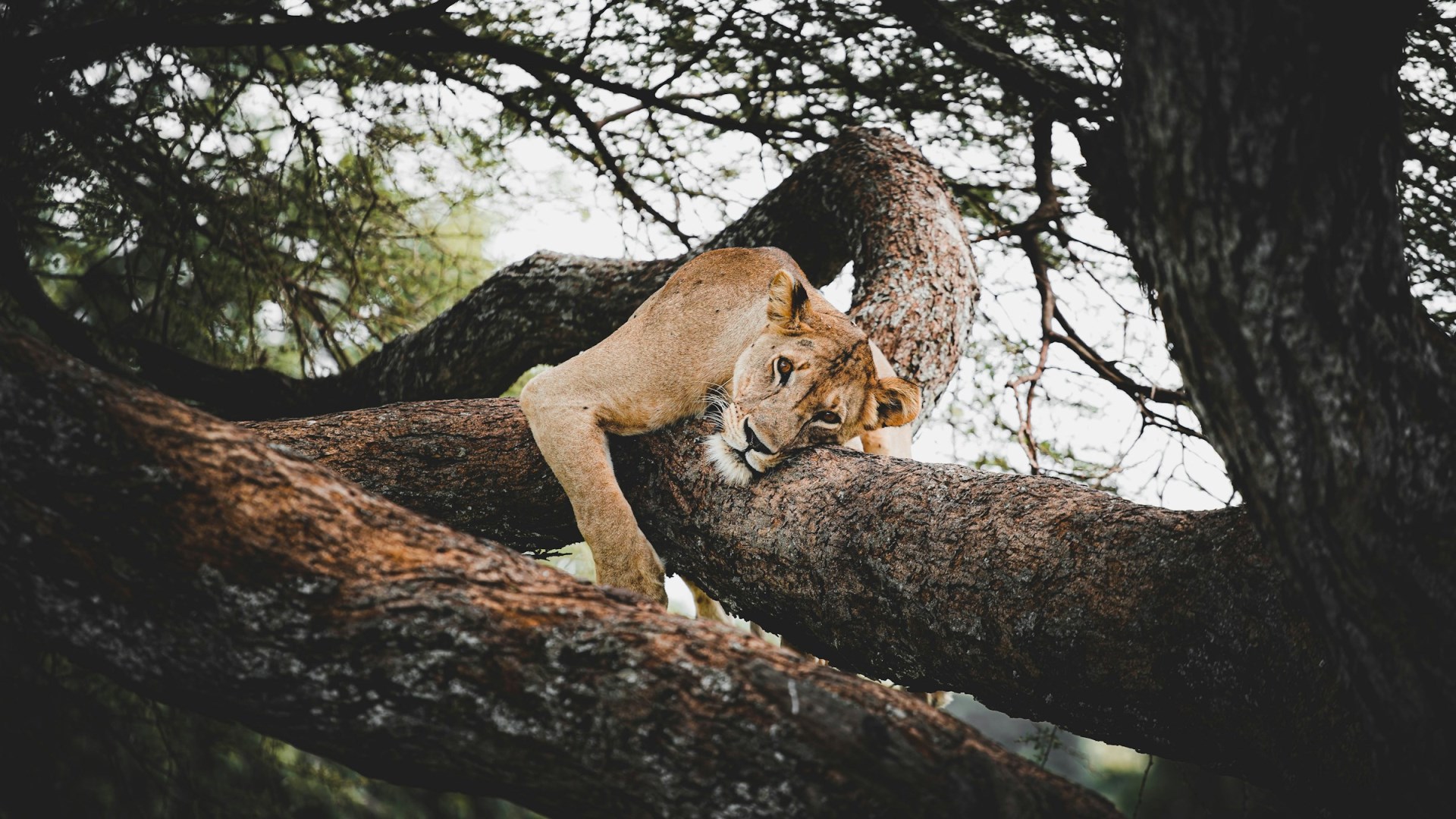
The park’s unique topography includes the Tarangire River, which serves as a vital water source and attracts a variety of wildlife, especially during the dry season. Visitors can witness large herds of elephants, often seen feeding on the ancient baobabs, along with lions, leopards, and wildebeest in their natural habitat. The changing scenery of savannah, swamps, and forested hills provides a dramatic backdrop for game drives and walking safaris, offering a truly immersive wildlife experience.
A notable feature of Tarangire is its ability to offer remarkable wildlife sightings year-round. The park's water sources ensure that animal sightings are rich even during the off-peak seasons, unlike some other parks where wildlife density may vary with the seasons. For birdwatchers and nature enthusiasts, Tarangire provides a rich tableau of species and ecosystems that are particularly accessible from the well-maintained lodges and campsites throughout the park.
Fun fact: Tarangire National Park is named after the Tarangire River, which runs through it and is a crucial water source for the park’s wildlife. During the dry season, the river becomes a focal point for wildlife, creating spectacular opportunities for viewing large concentrations of animals.