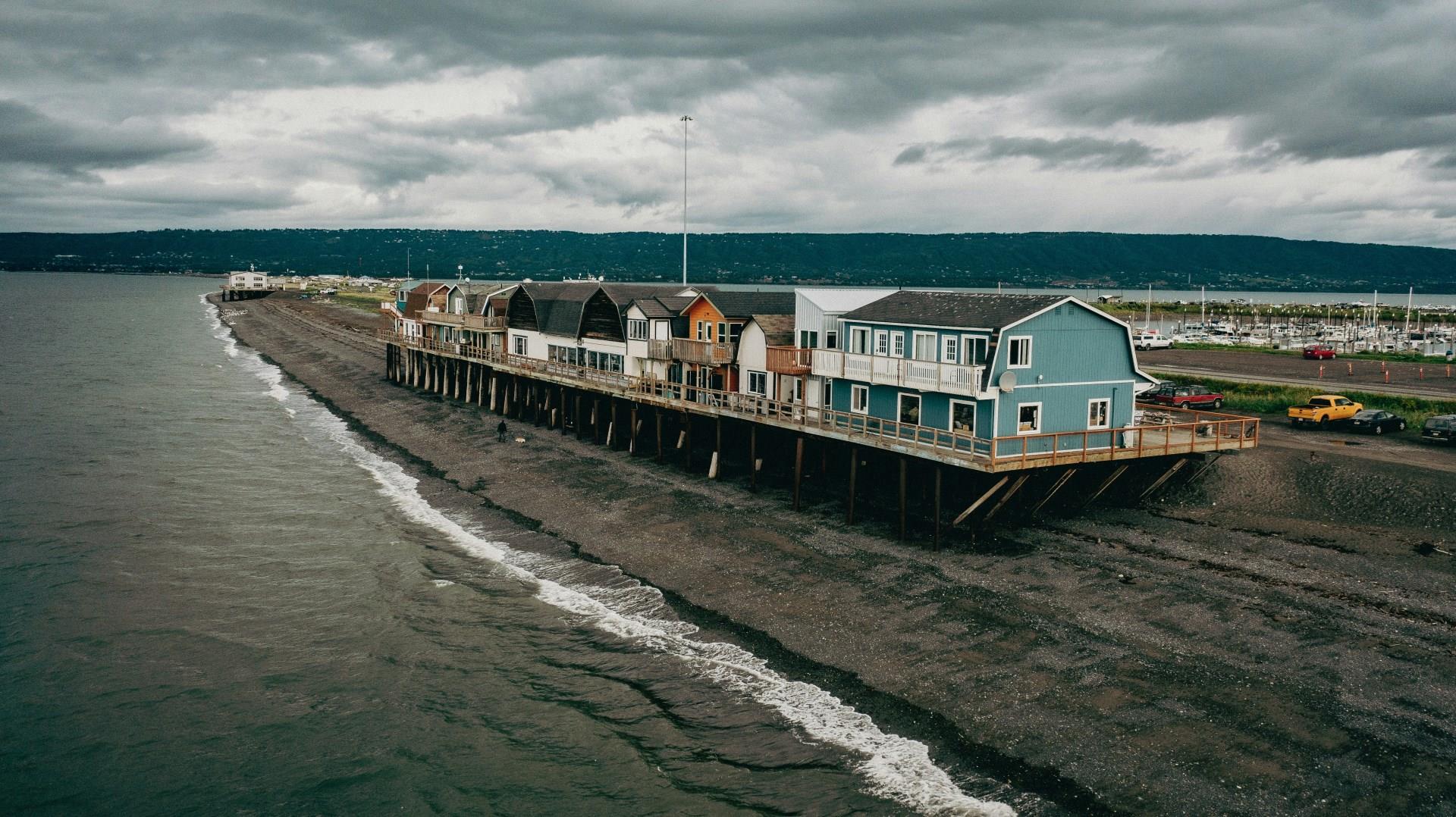
Remote, windswept, and bursting with wildlife, South Georgia is a sub-Antarctic island that surprises nearly everyone who steps ashore. Though uninhabited by civilians, the island hosts a small British research station and welcomes visitors via expedition cruises. What draws people here is not luxury or convenience, but the scale of its wildness.
Katakolon, also known as Katakolo, is a charmingly small port and fishing town on the coast of Greece. A primary entryway to the nearby ancient ruins of Archaia Olympia, Katakolon is a popular stop on many Mediterranean cruises. Before heading to Olympia, be sure to unwind on the warm Grecian sands of Paralia Katakolo or savor a bite of fresh seafood at one of Katakolon’s quaint cafés.
Sighisoara rises above the Târnava Mare River as one of the few medieval citadels in Europe that is still lived in and admired today. Its historic center has been on the UNESCO World Heritage List since 1999, recognized for its long history as a fortified Saxon settlement and its role in trade and defense on the edges of central Europe. Wander through cobbled alleys framed by pastel-colored houses, and the layers of time feel close at hand, from the city walls and guild towers to busy cafés.
Sheffield, once the global heart of the steel industry, has evolved into a city where industrial heritage meets green landscapes and a growing creative scene. Known historically for innovations like stainless steel, Sheffield still celebrates its roots at sites like the Kelham Island Museum, where restored machinery and interactive exhibits tell the story of the city’s engineering legacy.
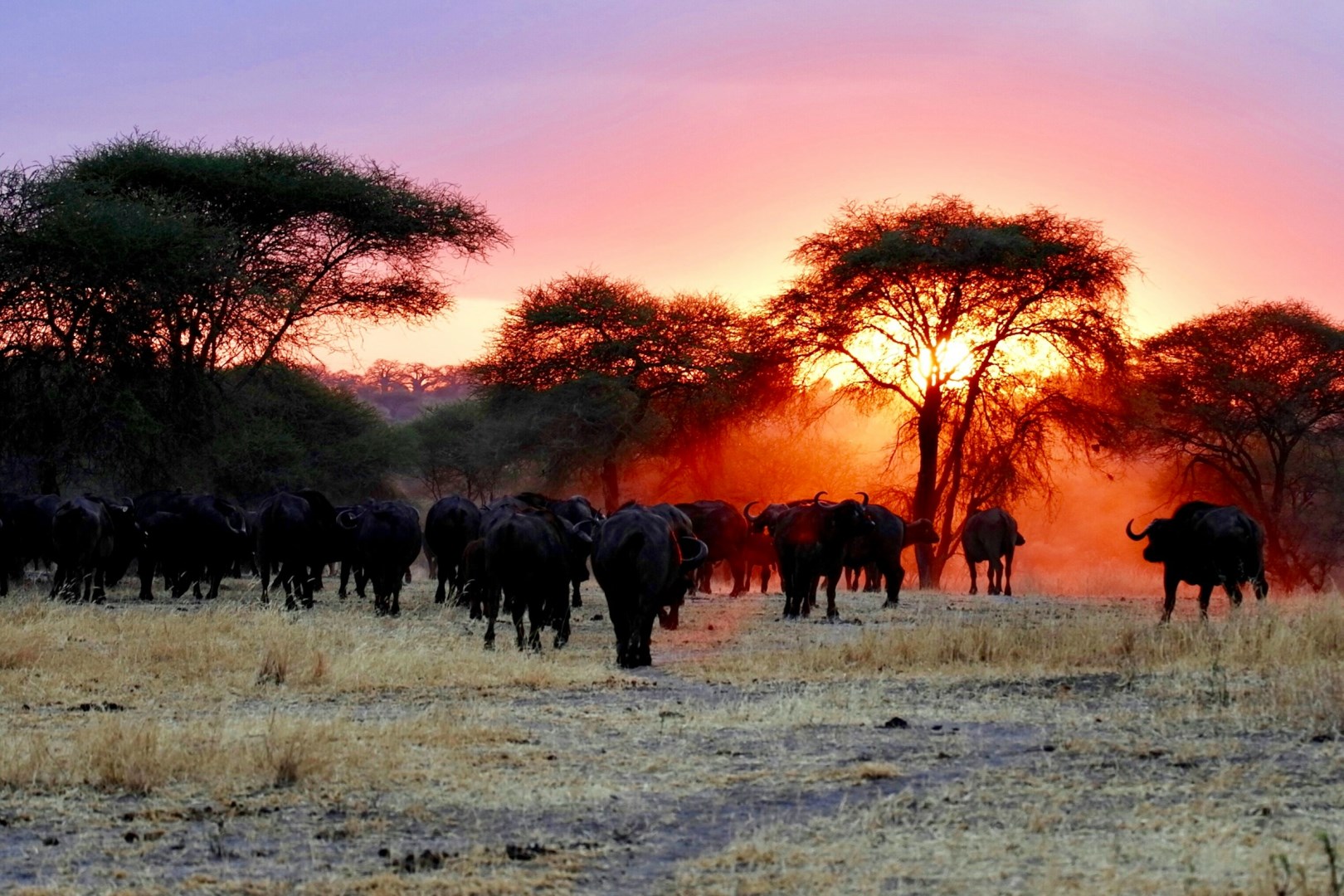
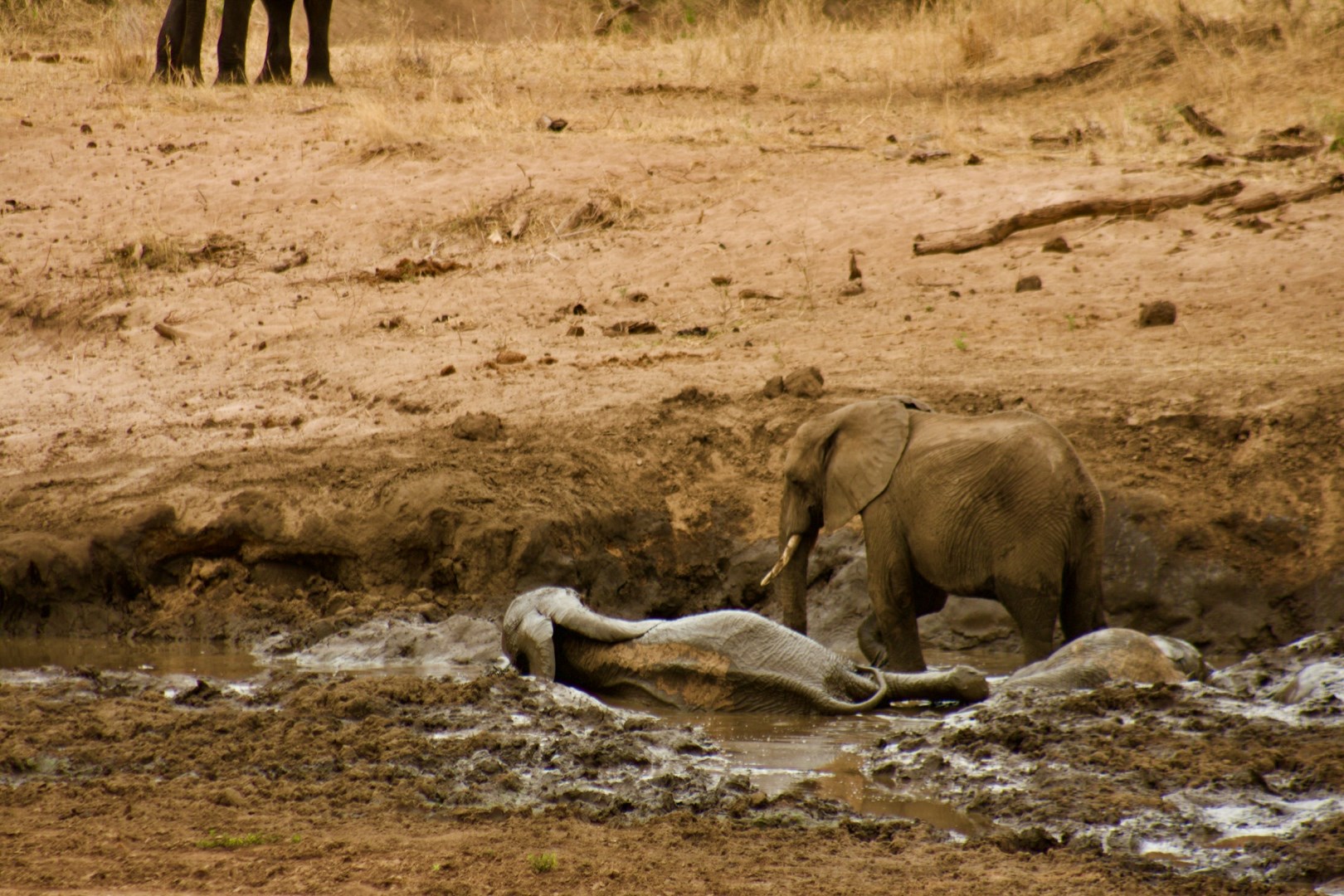
Tarangire National Park, a stunning gem in northern Tanzania, offers an unparalleled safari experience amid its diverse landscapes and wildlife. Renowned for its dense population of elephants, the park's vast baobab-studded plains and swamps create a dramatic setting that brings you face-to-face with these magnificent creatures. The park is home to over 300 bird species, including the strikingly beautiful Lilac-breasted Roller and the majestic Secretary Bird.
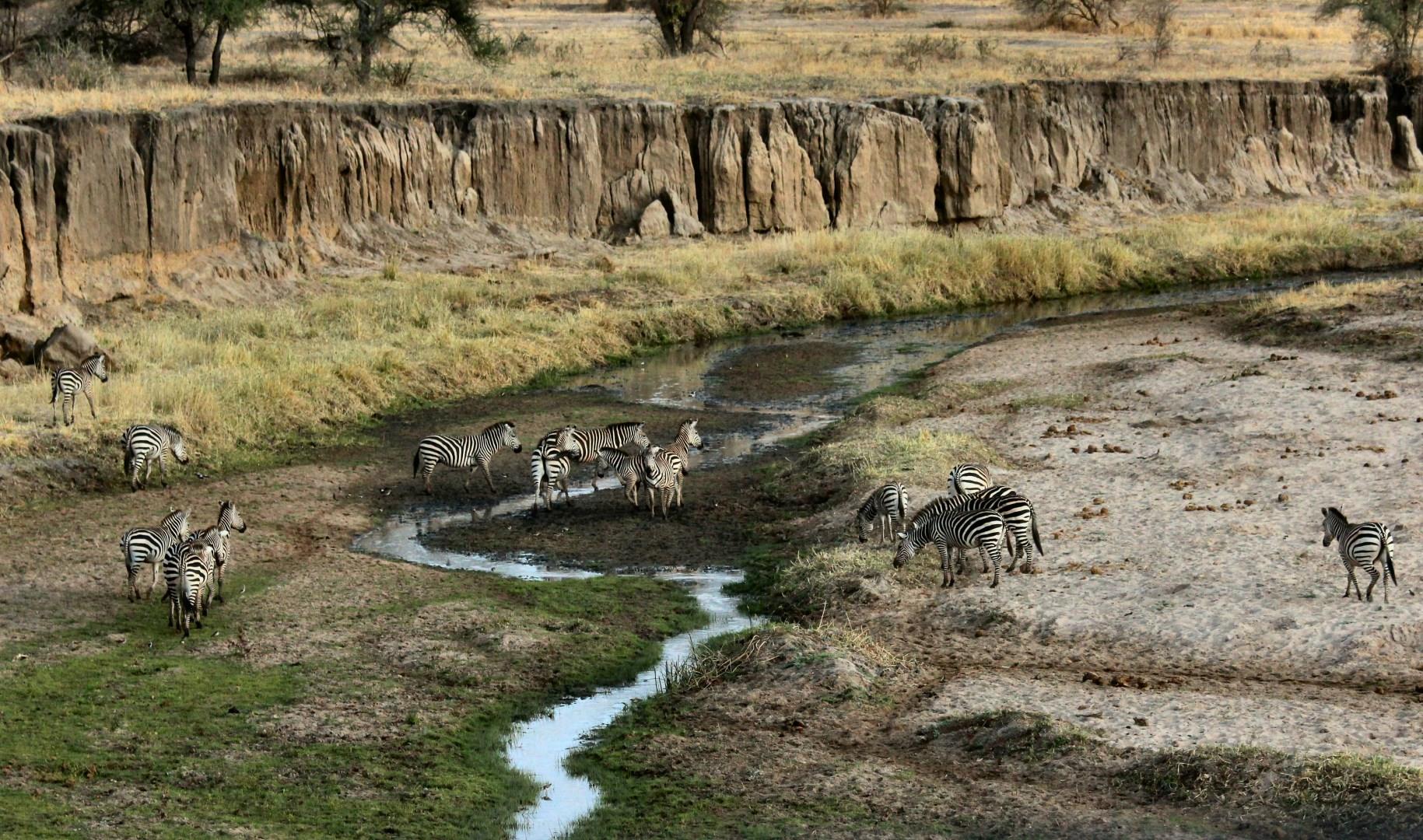
The park’s unique topography includes the Tarangire River, which serves as a vital water source and attracts a variety of wildlife, especially during the dry season. Visitors can witness large herds of elephants, often seen feeding on the ancient baobabs, along with lions, leopards, and wildebeest in their natural habitat. The changing scenery of savannah, swamps, and forested hills provides a dramatic backdrop for game drives and walking safaris, offering a truly immersive wildlife experience.
A notable feature of Tarangire is its ability to offer remarkable wildlife sightings year-round. The park's water sources ensure that animal sightings are rich even during the off-peak seasons, unlike some other parks where wildlife density may vary with the seasons. For birdwatchers and nature enthusiasts, Tarangire provides a rich tableau of species and ecosystems that are particularly accessible from the well-maintained lodges and campsites throughout the park.
Fun fact: Tarangire National Park is named after the Tarangire River, which runs through it and is a crucial water source for the park’s wildlife. During the dry season, the river becomes a focal point for wildlife, creating spectacular opportunities for viewing large concentrations of animals.