Gujarat
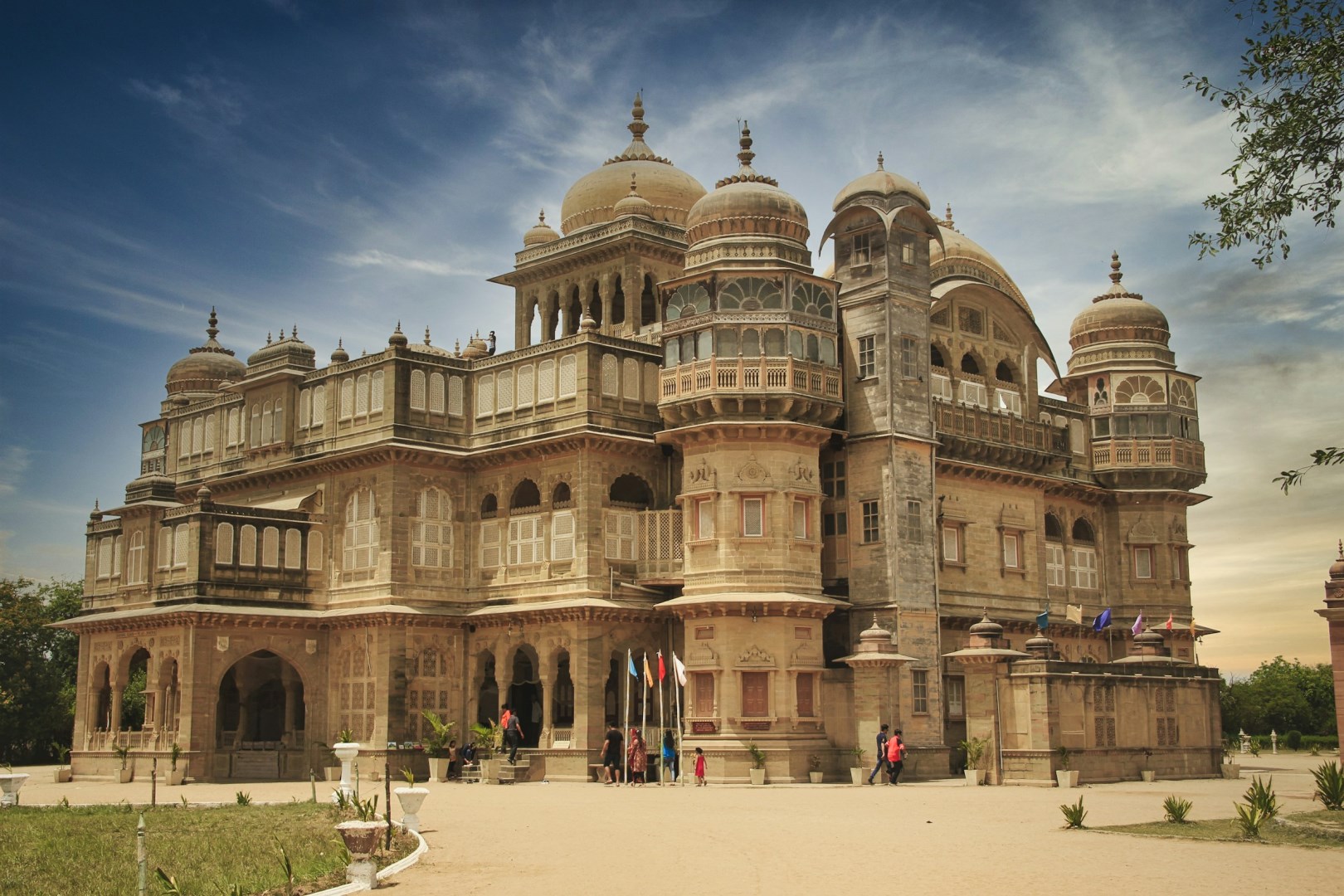
Gujarat is a large state in western India, stretching from the Arabian Sea and the Gulf of Kutch to the dry landscapes of the Rann and the forested hills of the southeast. Its varied geography includes salt marshes, mangroves, grasslands, deciduous forests, wetlands, beaches, and a long coastline. Major cities such as Ahmedabad, Vadodara, Surat, and Rajkot provide urban centers alongside historic towns, pilgrimage sites, wildlife reserves, and rural communities. The state is particularly known f
Bishkek
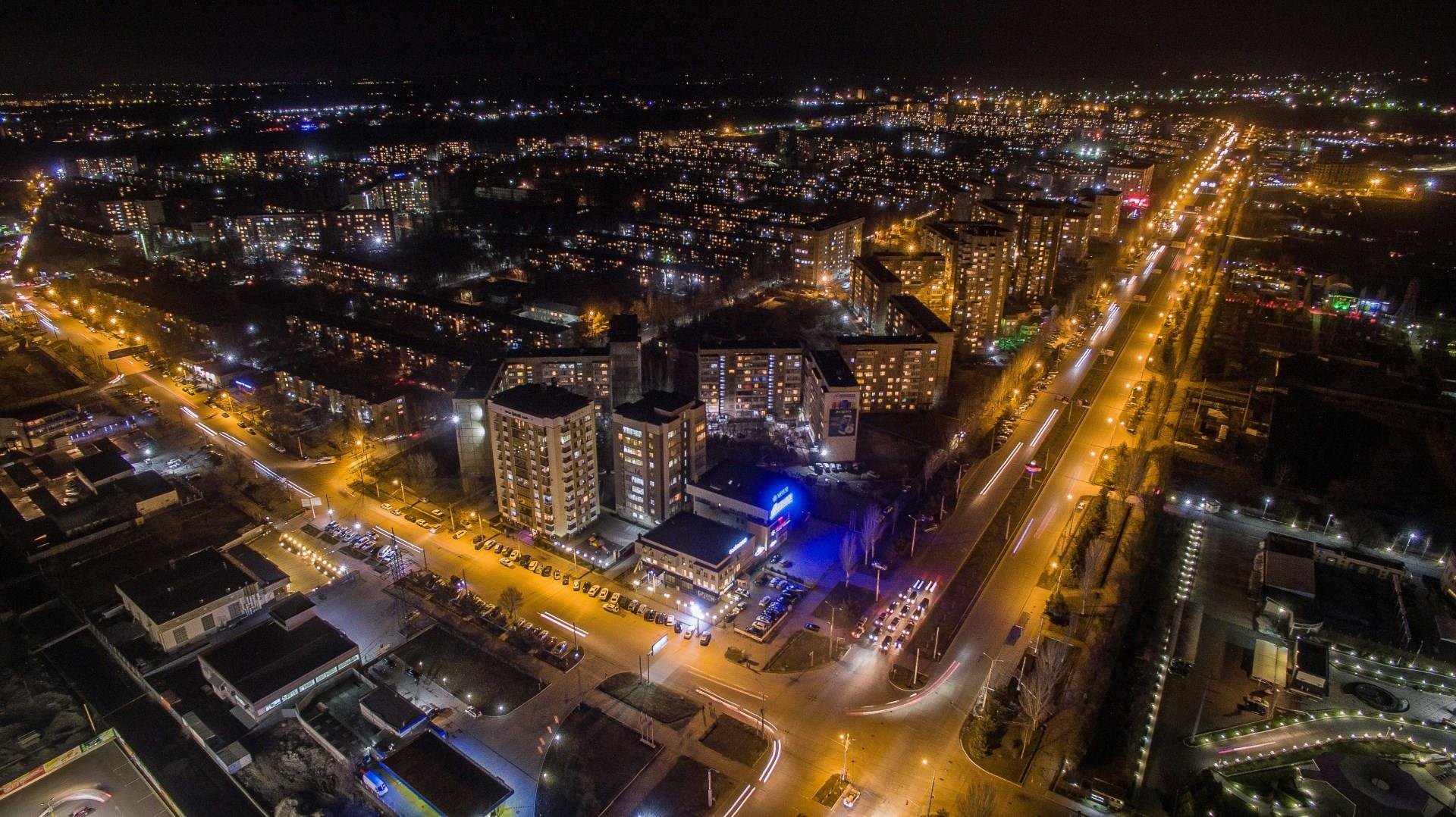
Bishkek, the capital of Kyrgyzstan, sits at the foot of the Ala-Too Mountains and serves as the country’s political, cultural, and economic center. The city is known for its wide tree-lined streets, Soviet-era architecture, and public squares.
Samarkand
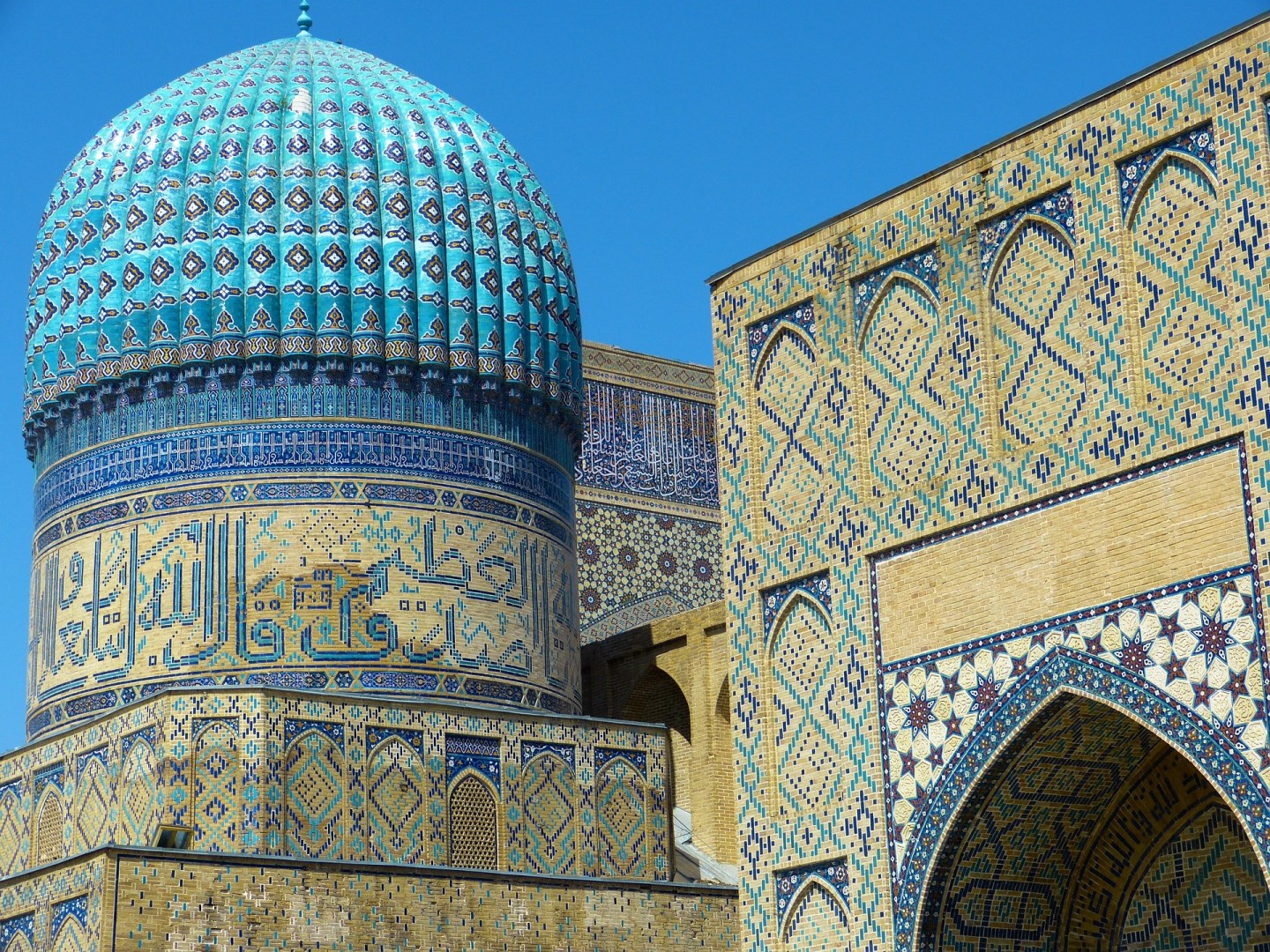
Samarkand is one of Central Asia’s most storied cities, famed for its role as a crossroads of culture, science, and trade along the Silk Road. The heart of the city is the Registan, a grand square framed by three ornate madrasas decorated with vivid mosaics, intricate tilework, and soaring arches.
Lifou
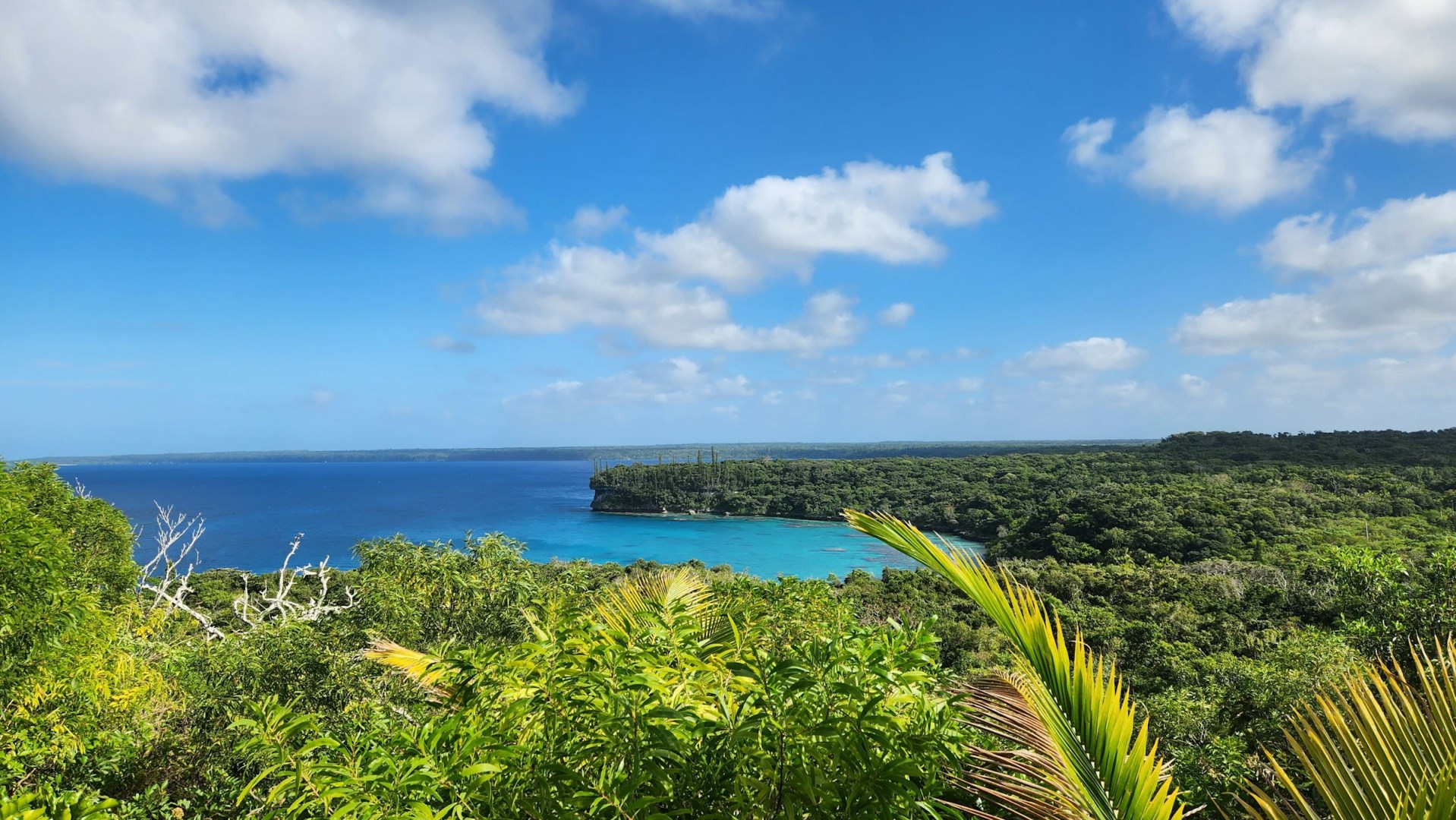
Lifou is the largest of the Loyalty Islands of New Caledonia and is known for its raised coral landscape, clear lagoons, and forested interior. Unlike Grande Terre, Lifou has no high mountain range, but its limestone plateau reaches enough elevation to create cliffs, caves, and elevated coastal viewpoints.
Tinghir
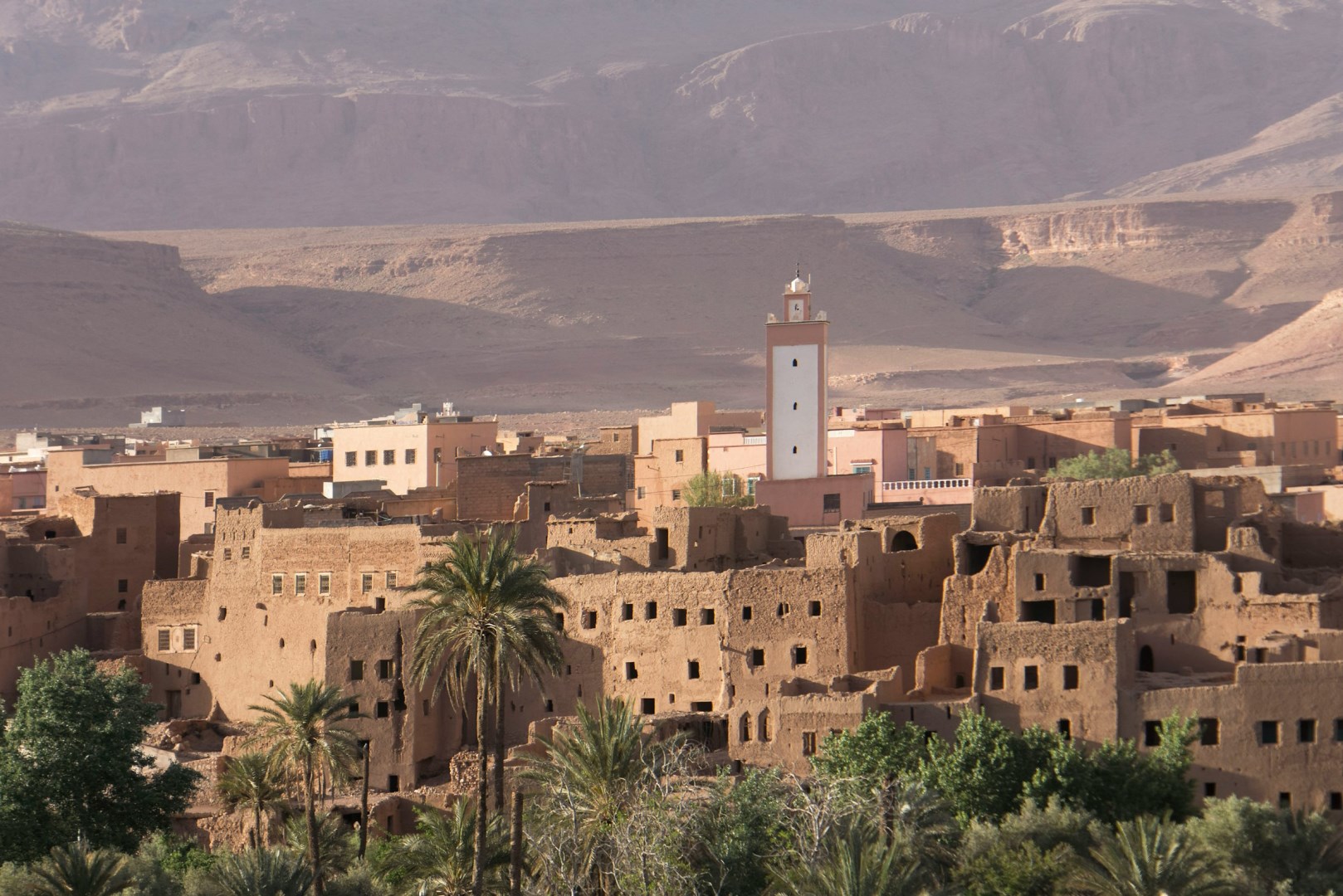
Tinghir is an oasis town in southeastern Morocco, set between the High Atlas and the Anti-Atlas mountains at the entrance to the Todra Valley. The town is surrounded by an extensive palm grove where date palms, gardens, and small agricultural plots follow the Todra River. Its traditional earthen buildings and kasbahs rise above the greenery, creating a clear contrast with the dry mountain slopes nearby.