Valparaiso
Valparaíso, Chile, is a city that beckons travelers with its vibrant street art, steep hillsides, and bohemian spirit. Known as the "Jewel of the Pacific," Valparaíso's historical importance as a major port during the 19th century has left an indelible mark on its architecture and culture.
Isola Bella
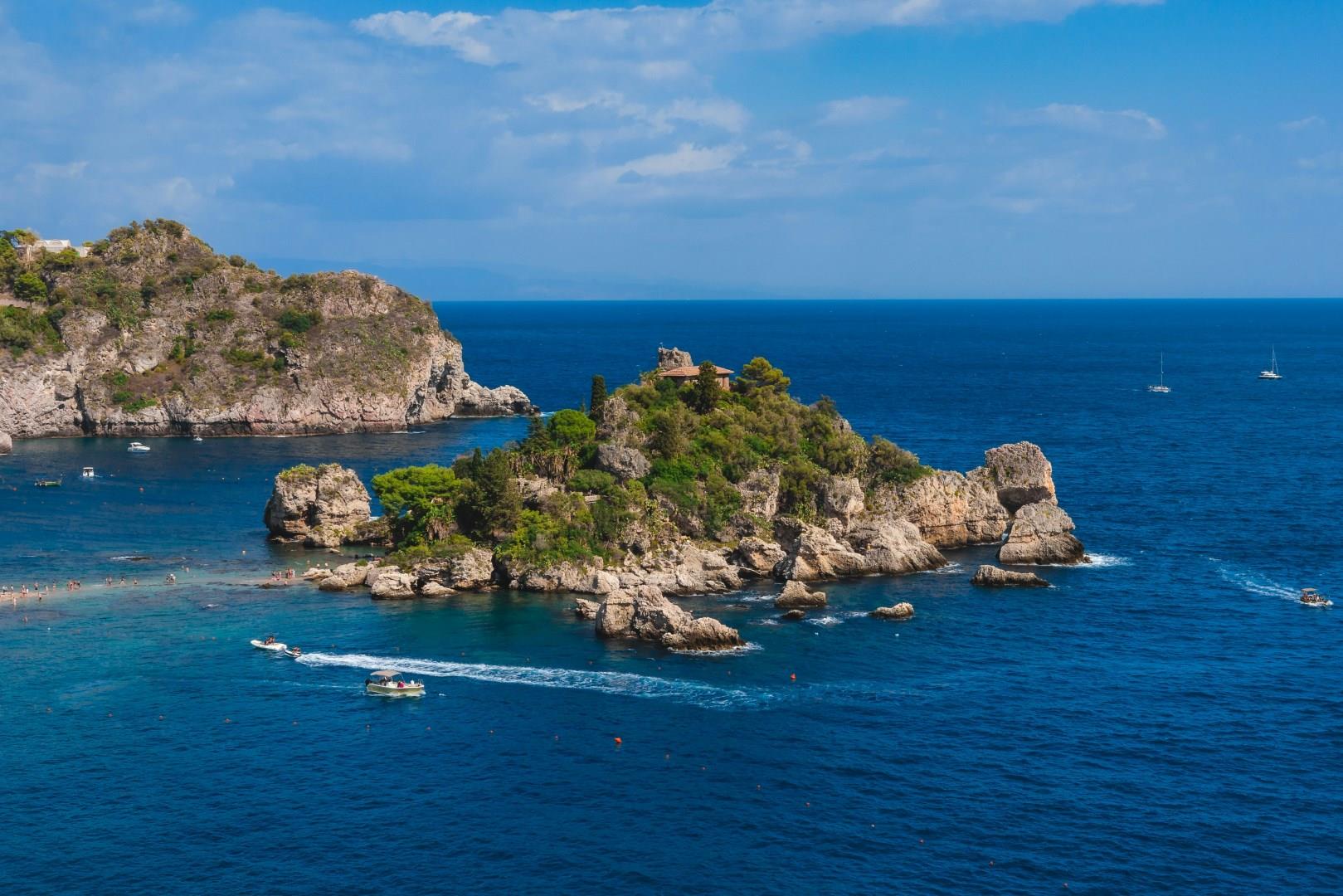
Isola Bella sits on Lake Maggiore as part of the Borromean Islands, closely tied to the ambitions of the Borromeo family who reshaped the rocky outcrop in the 17th century.

Whitsunday Island
The Whitsunday Islands sit in the heart of Australia’s Great Barrier Reef, where more than 70 islands rise from wide blue seas and offer an invitation to explore. Whitsunday Island itself is the largest of this group, known internationally for its ribbon of white silica sand stretching over seven kilometers at Whitehaven Beach. This sand feels cool underfoot even in warm sunshine because it’s made of nearly pure silica carried there by ancient ocean currents.
Mae Taeng
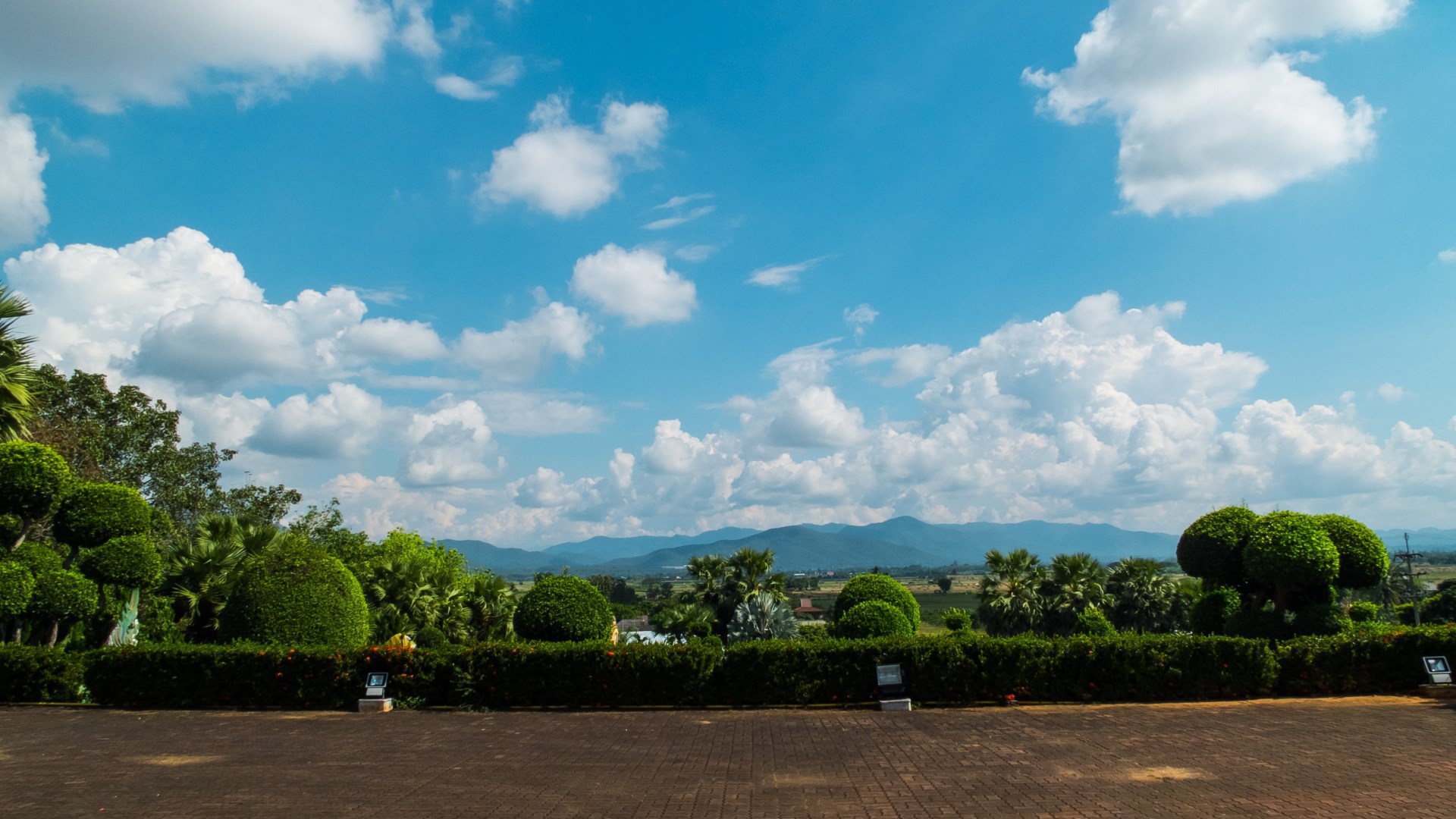
Set in the lush northern hills of Mae Taeng, Chiang Mai Province, Thailand, this district offers a quieter gateway into Thailand’s countryside. Just beyond the bustle of Chiang Mai, the landscape shifts into rolling mountains, dense forests, and winding rivers. The Mae Taeng River flows steadily through the valley, shaping both the scenery and daily life.
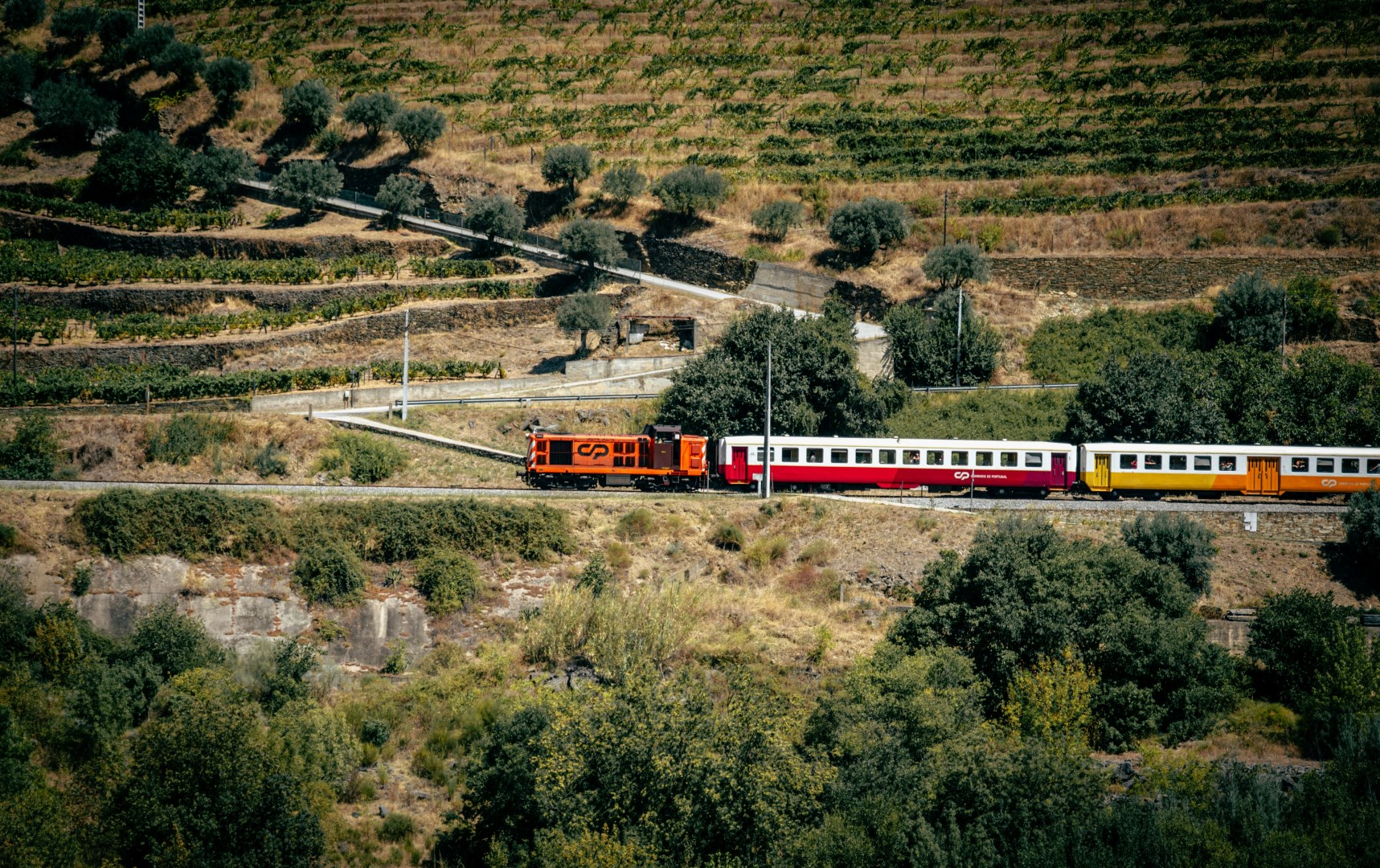
Peso da Regua
Peso da Régua, often called the gateway to Portugal's Douro Valley, sits along the banks of the Douro River and is surrounded by steep, terraced vineyards. The town has long been central to the production of the world-famous Port wine, and visitors can explore the rolling hills covered with neatly arranged grapevines that climb dramatically from the river’s edge. The town itself offers a quiet riverside charm, with narrow streets, historic buildings, and scenic viewpoints.