Bay of Kotor
Enclosed by mountains, the Bay of Kotor is dotted with historic towns, medieval fortifications, and centuries-old churches, making it a must-visit location for travelers looking to explore a unique coastal landscape.

Chioggia
Chioggia, often called "Little Venice," is a hidden gem in the Veneto region of Italy, known for its picturesque canals, charming historic center, and vibrant seafood markets. Located just south of Venice on the Venetian Lagoon, this fishing town offers a more peaceful and authentic experience than its famous neighbor, while still boasting beautiful architecture and rich history.
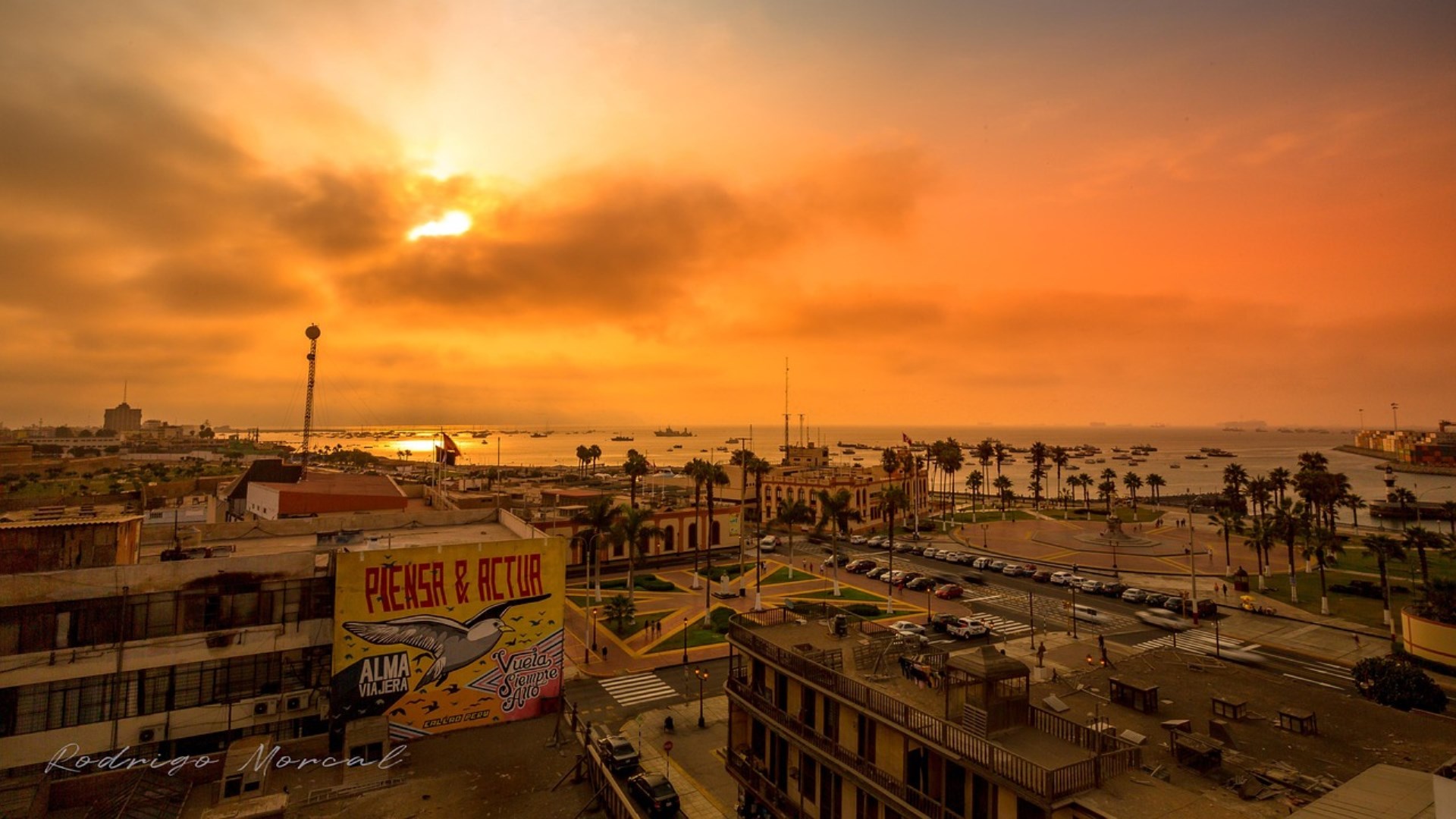
Callao
Callao, Peru, is a city that seamlessly blends its rich maritime heritage with vibrant contemporary culture, making it an enticing destination for travelers seeking both history and adventure. As Peru's main seaport and one of the most important on the Pacific coast of South America, Callao has long been a gateway to the world, with a history dating back to the Spanish colonial era. The city is home to the Real Felipe Fortress, a massive 18th-century structure that once defended the port from pi
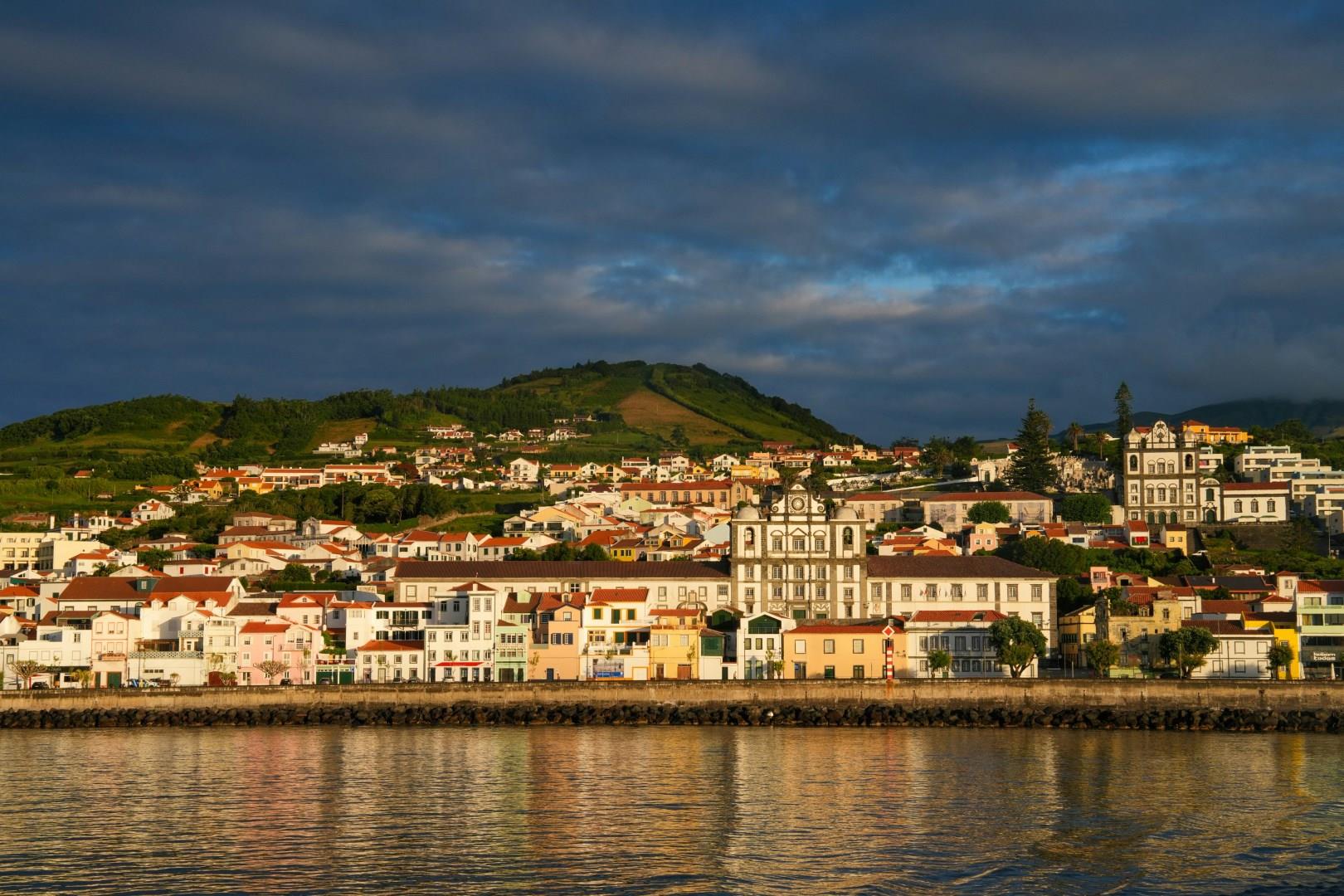
Horta Faial Island
Horta sits on the southeastern coast of Faial Island in the Azores, long defined by its position in the mid-Atlantic. For centuries it served as a critical stop for whaling ships, transatlantic sailors, and later yachts crossing between Europe and the Americas.
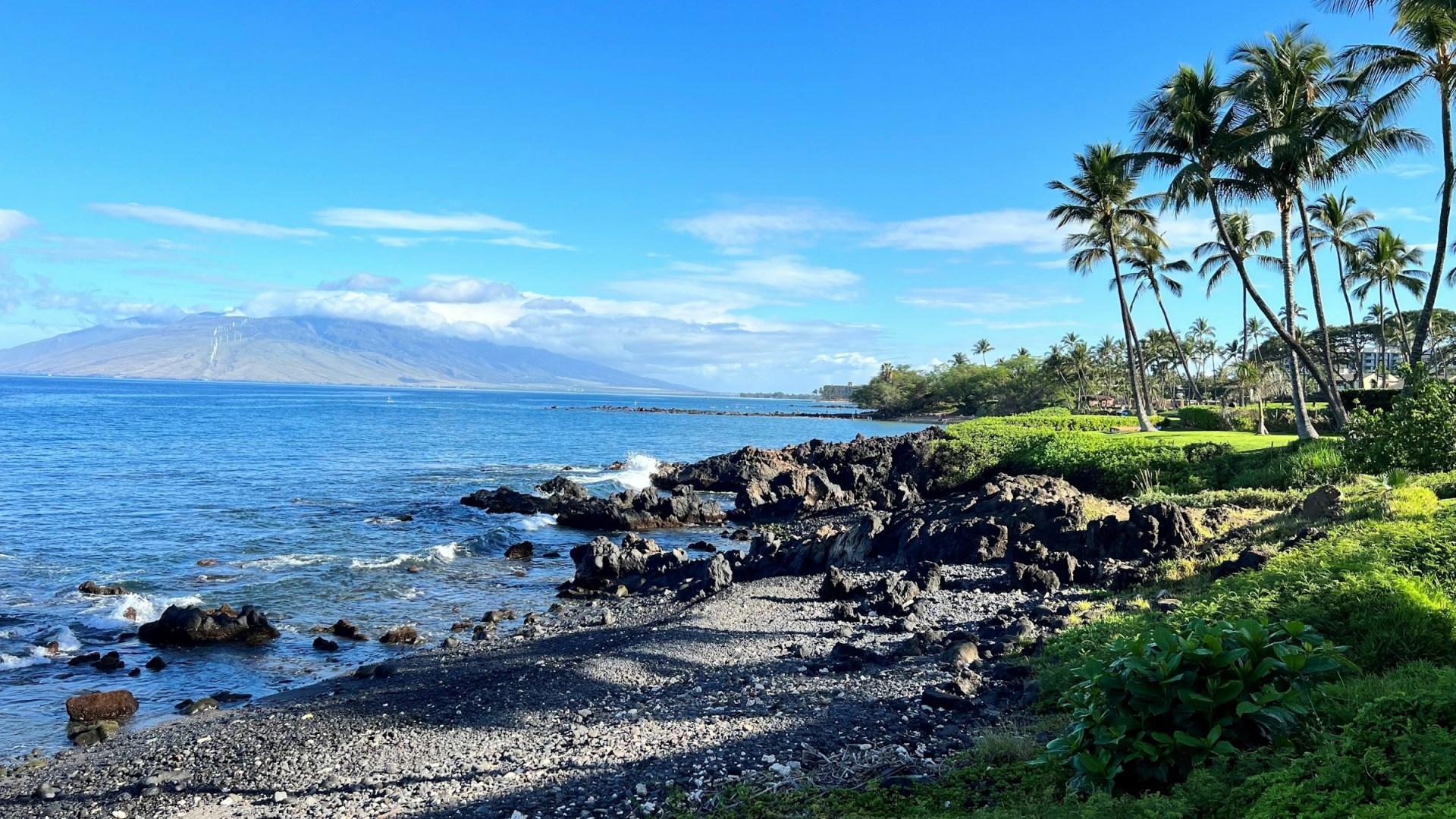
Wailea, Maui
Wailea is a coastal resort community on the southwestern shore of Maui, Hawaiʻi, set between the slopes of Haleakalā and the Pacific Ocean. Its dry climate, landscaped grounds, sandy beaches, and views across the ʻAuʻau Channel toward neighboring islands give it a distinct setting within South Maui. The area is known for several major beaches, including Wailea Beach, Ulua Beach, and Polo Beach, as well as a network of walking paths connecting resorts, beaches, parks, and shopping areas.