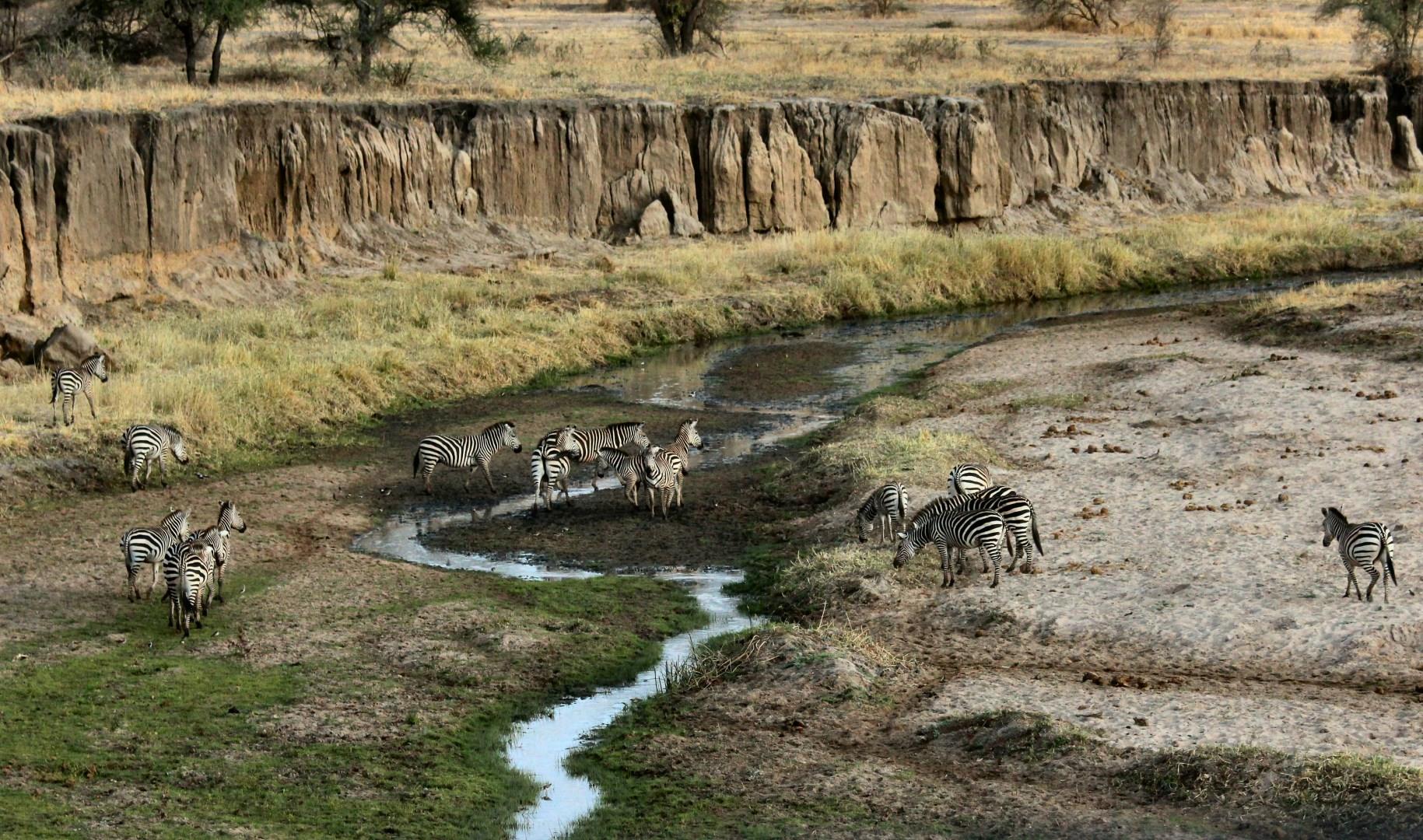
Namib Desert
The Namib Desert, one of the world’s oldest deserts, stretches along the western coast of Namibia, offering a landscape of stunning, otherworldly beauty. The name “Namib” means "vast place," and fittingly so, as this desert spans over 2,000 kilometers and includes some of the tallest sand dunes on Earth, such as those found in Sossusvlei.
Moselle River
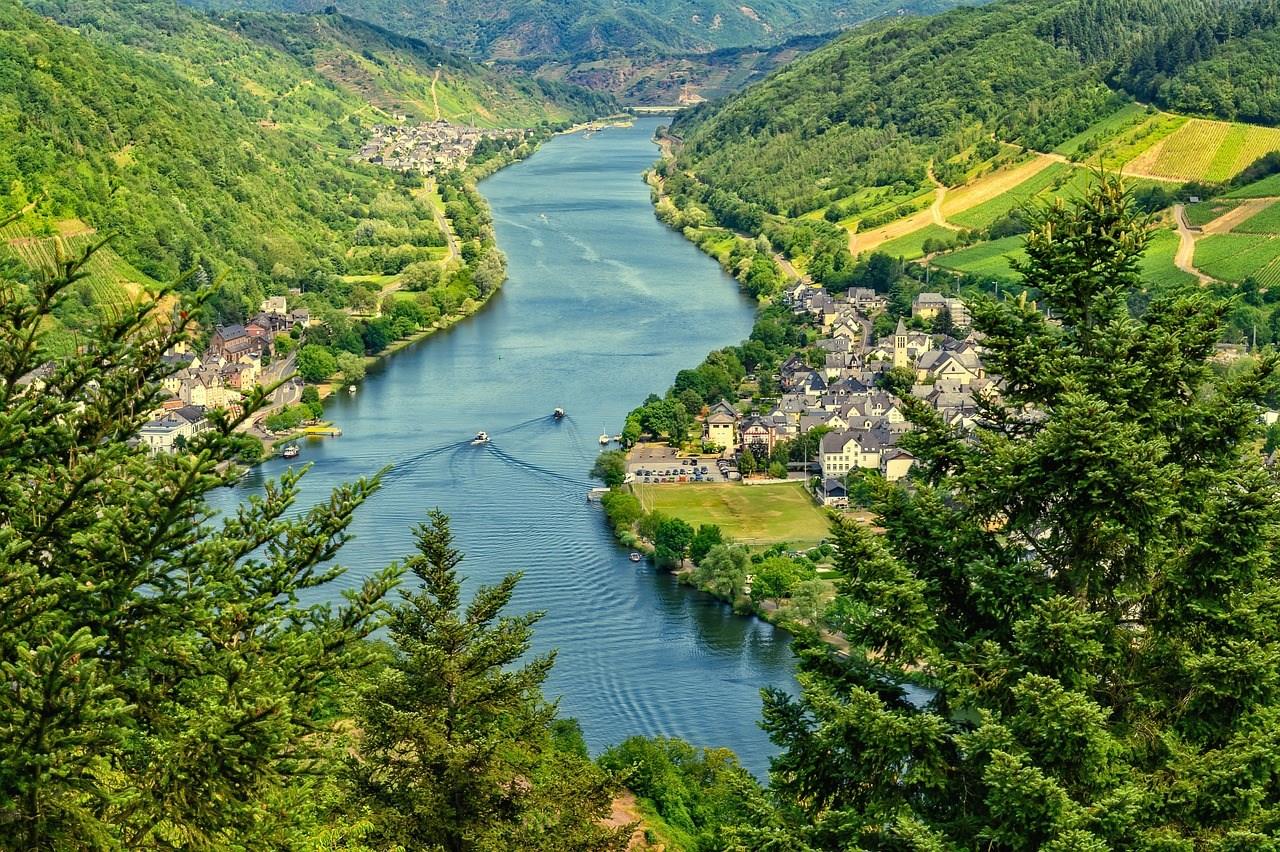
A tributary of the Rhine, the Moselle River flows through France, Luxembourg and Germany. The Moselle also lends its name to a region of France, a valley which it bisects, and a wine produced along its banks.

Napa Valley
Napa Valley, California, is synonymous with world-class wine, offering a refined yet welcoming escape to one of the most renowned wine regions on the planet. Nestled between the Mayacamas Mountains and Vaca Range, Napa Valley boasts over 400 wineries. Tourists flock to this bucolic haven to experience wine tastings, vineyard tours, and cellar explorations. But Napa is more than just a destination for wine lovers; it's a gateway to California's finest culinary offerings.
Loch Ness
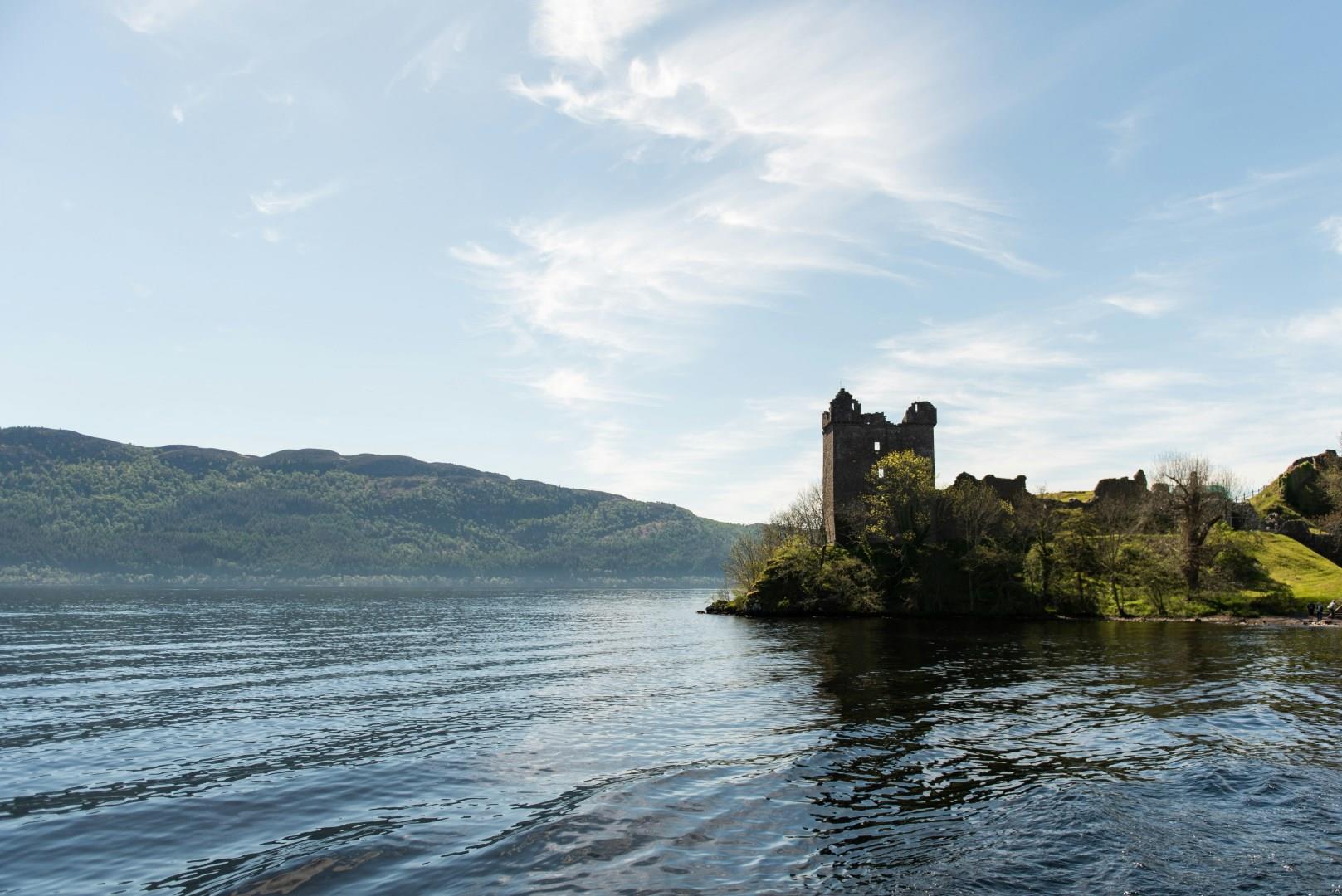
Loch Ness stretches over 23 miles through the Scottish Highlands, holding more freshwater than all the lakes in England and Wales combined. Best known for its elusive resident, the so-called Loch Ness Monster, the loch has sparked international curiosity since the first modern "sighting" in 1933. While Nessie remains elusive, the surrounding landscape offers clear reasons to visit with steep hillsides, forested trails, and ancient ruins framing one of Scotland’s most iconic bodies of water.

Massachusetts
Massachusetts, a state steeped in American history and vibrant culture, offers visitors a rich tapestry of experiences. Begin your journey in Boston, the state capital, where history comes alive along the Freedom Trail. This 2.5-mile route takes you through pivotal sites such as the Massachusetts State House, Paul Revere’s House, and the Old North Church, where the famous signal lanterns were hung during the American Revolution.