Madidi National Park
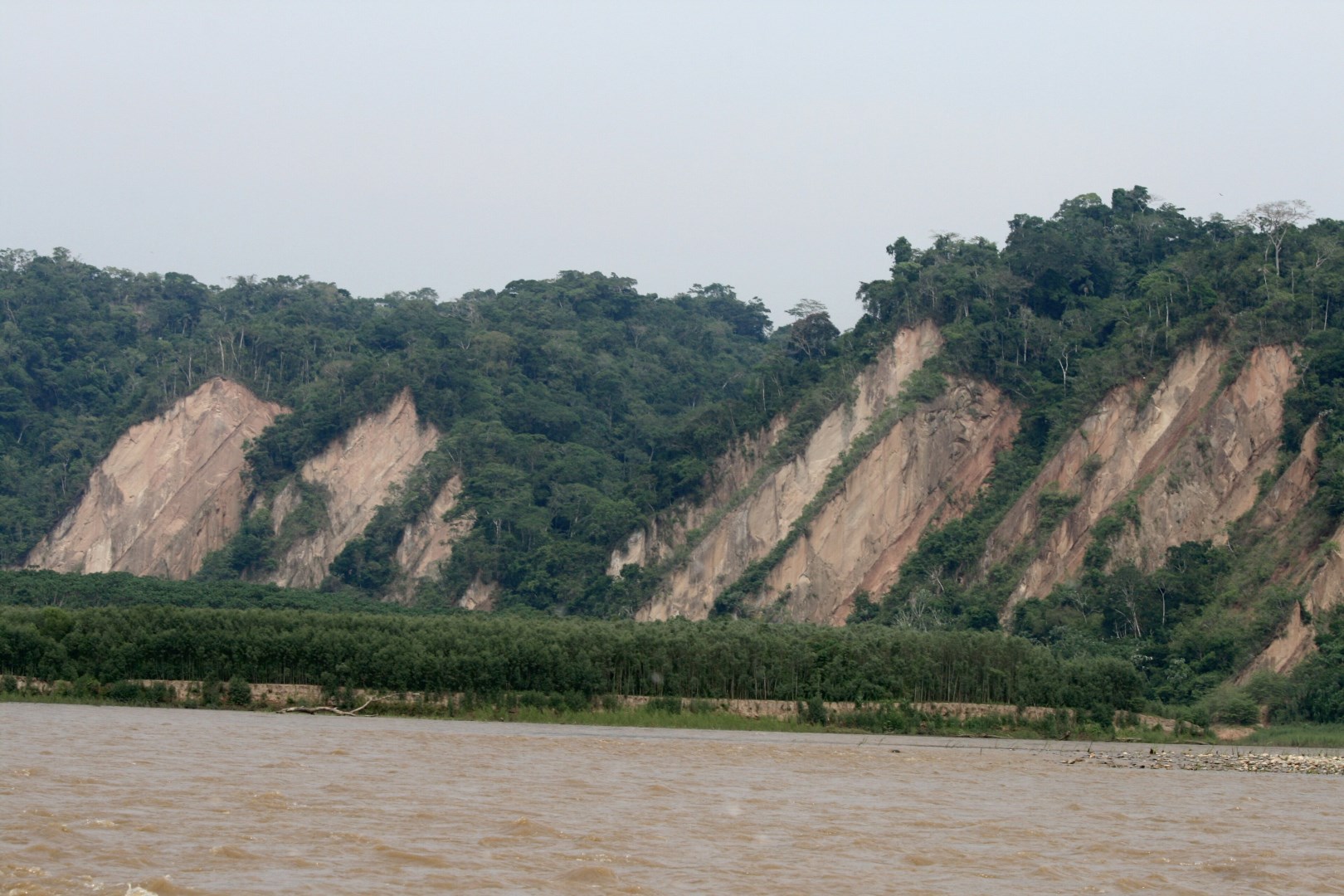
Would you dare venture into the untamed wilderness of Madidi National Park in Bolivia? This vast and biodiverse rainforest is home to jaguars, giant otters, and countless exotic species, making it one of Earth's most ecologically rich places. Trek through dense jungle, navigate winding rivers and immerse yourself in the sounds of nature. For those bold enough to explore this remote paradise, unforgettable wildlife encounters and raw natural beauty await.

Alsace
Nestled in the northeastern corner of France, Alsace is a region that enchants with its picturesque villages, half-timbered houses, and vibrant blend of French and German cultures. Renowned for its scenic vineyards, Alsace's Route des Vins (Wine Route) stretches over 170 kilometers, winding through charming medieval towns like Riquewihr, Colmar, and Eguisheim.
South Carolina
South Carolina draws travelers in with its layers of history, distinctive regional flavors, and landscapes that range from quiet marshes to mountain trails. In Charleston, cobblestone streets wind past antebellum homes and hidden courtyards. Beaufort, tucked along the Intracoastal Waterway, charms visitors with moss-draped oaks, shrimp boats, and preserved architecture that has earned it comparisons to a living movie set and was indeed, where several films, including *Forrest Gump*, were filmed.

Andasibe-Mantadia National Park
Andasibe-Mantadia National Park, located in the eastern highlands of Madagascar, offers a captivating journey into one of the world’s most unique rainforests. Famous for its rich biodiversity, this national park is home to the largest species of lemur, the indri, whose haunting calls echo through the dense canopy. Visitors to the park can explore lush tropical landscapes filled with rare plants, birds, and other endemic wildlife, making it a must-visit for nature lovers and adventurers alike.

British Columbia
The capital of British Columbia is Victoria, and the total area equals 366,253 square miles. This province has a truly diverse climate: everything from majestic mountains to sparse deserts to rugged coastlines can be found here.