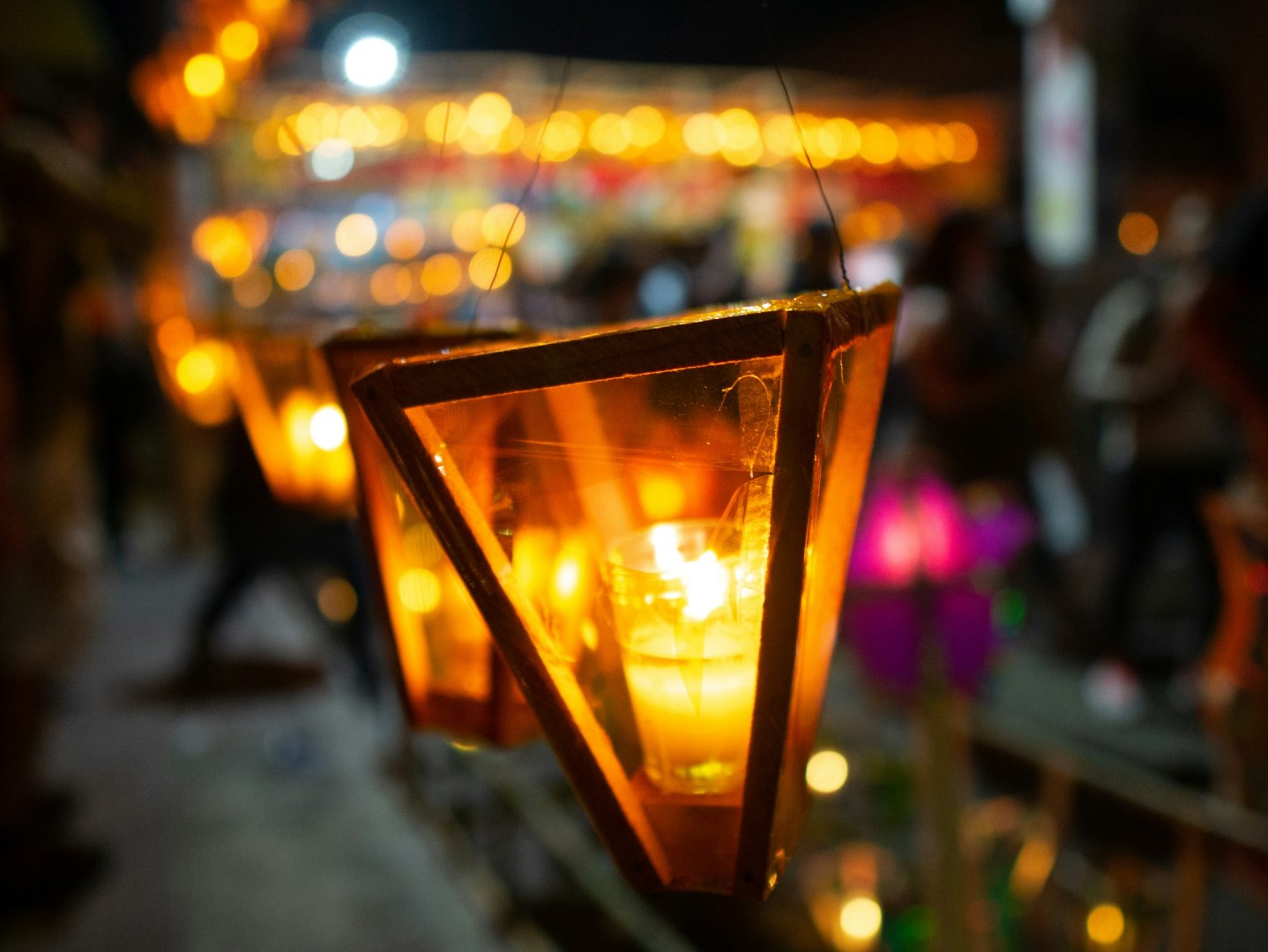
Ahuachapán is a city in western El Salvador and the capital of the department of the same name. It sits near the foothills of the Apaneca-Ilamatepec mountain range, an area known for highland coffee farms, volcanic landscapes, and the route connecting several towns along the Ruta de las Flores. The city itself has a historic center with traditional architecture, plazas, churches, and pedestrian areas.
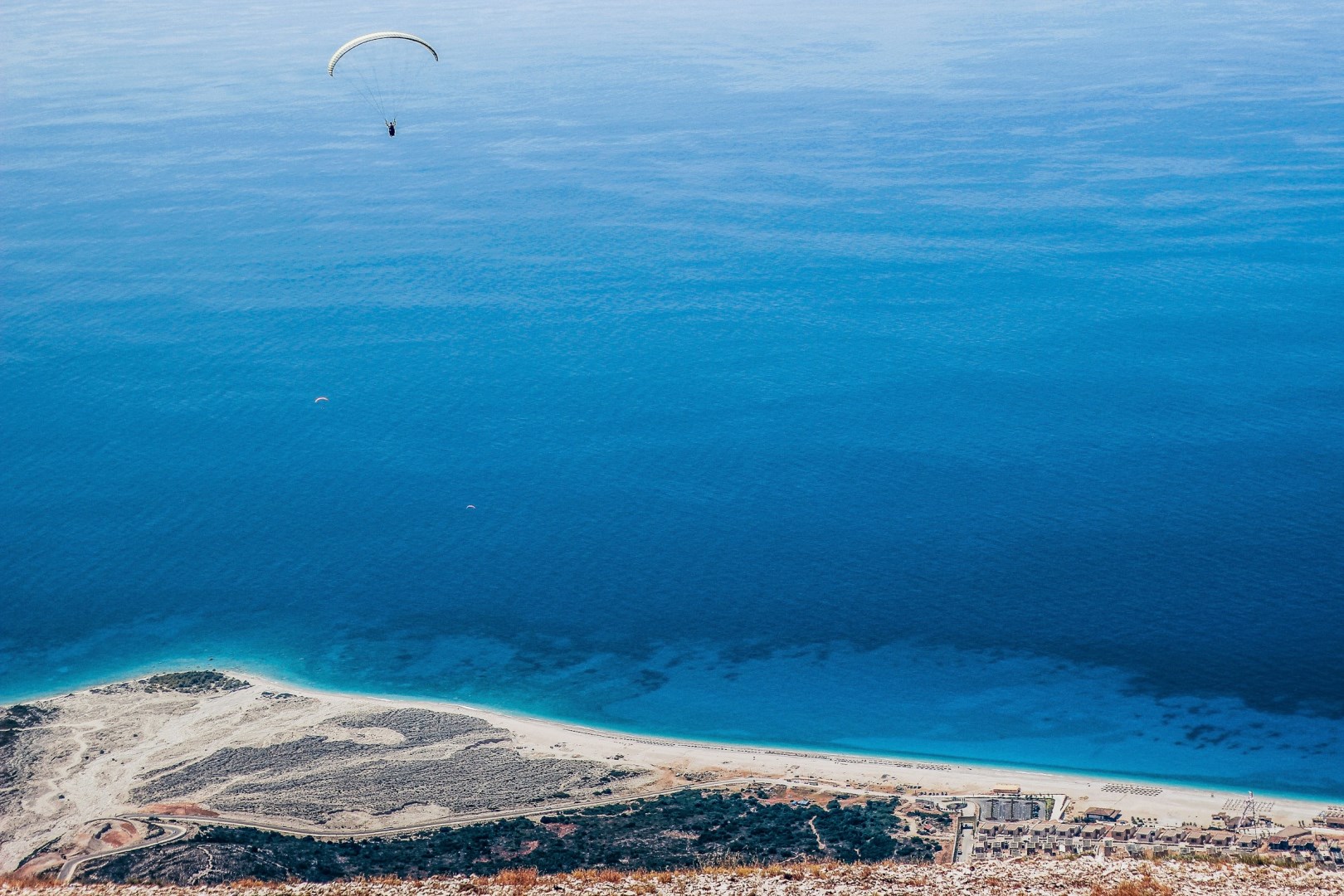
Llogara National Park lies in southern Albania within the Çika mountain range, overlooking the Ionian coast near the Albanian Riviera. The park rises from forested slopes to the Qore peak, with elevations ranging from about 450 to 2,018 meters. Its terrain includes steep limestone mountains, alpine meadows, rocky areas, and dense forests.
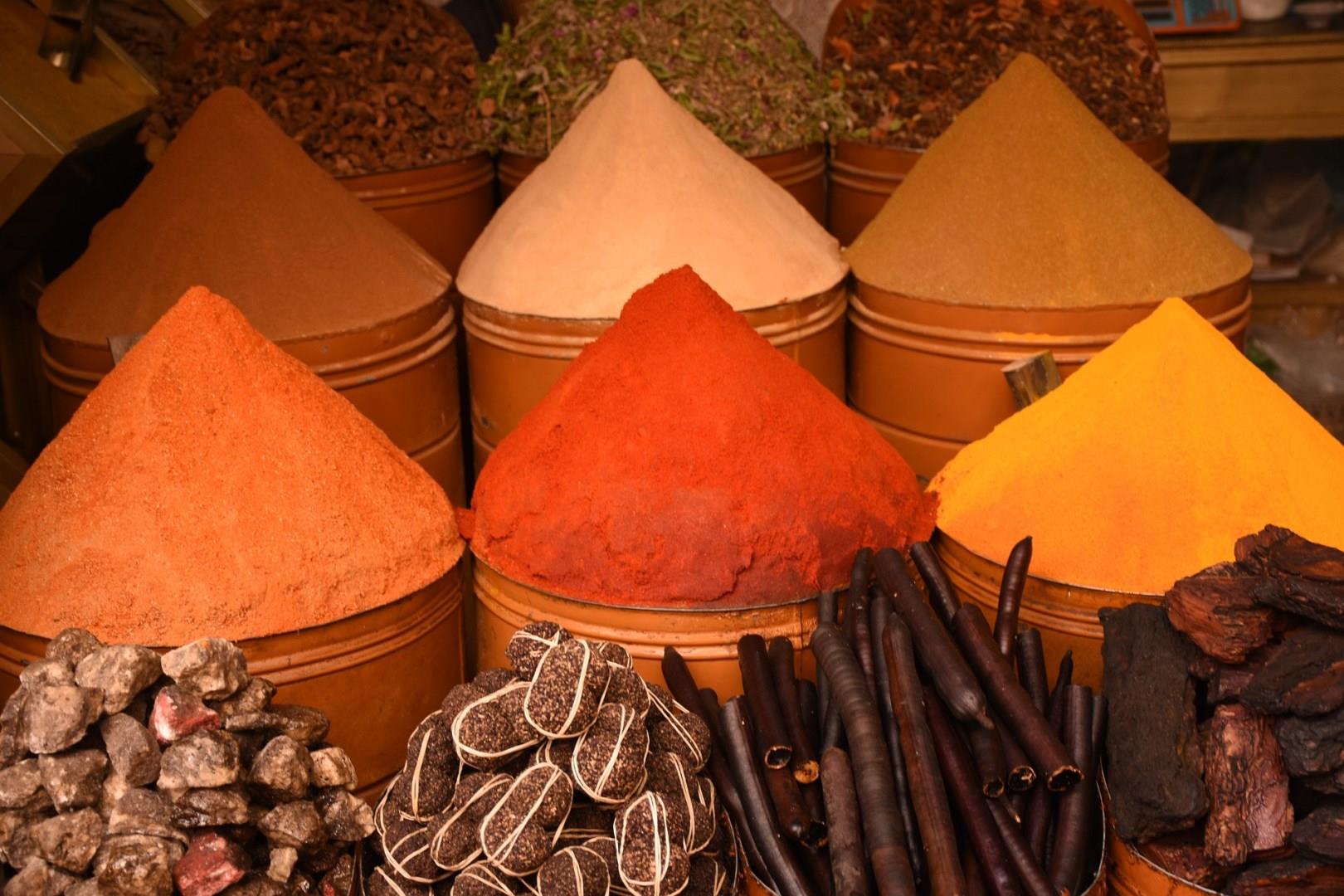
Morocco, at the crossroads of Africa and Europe, offers travelers a remarkable journey through history, culture, and landscapes that are as diverse as they are captivating. From bustling medinas to sweeping deserts and dramatic coastlines, the country blends centuries-old traditions with a vibrant modern spirit.
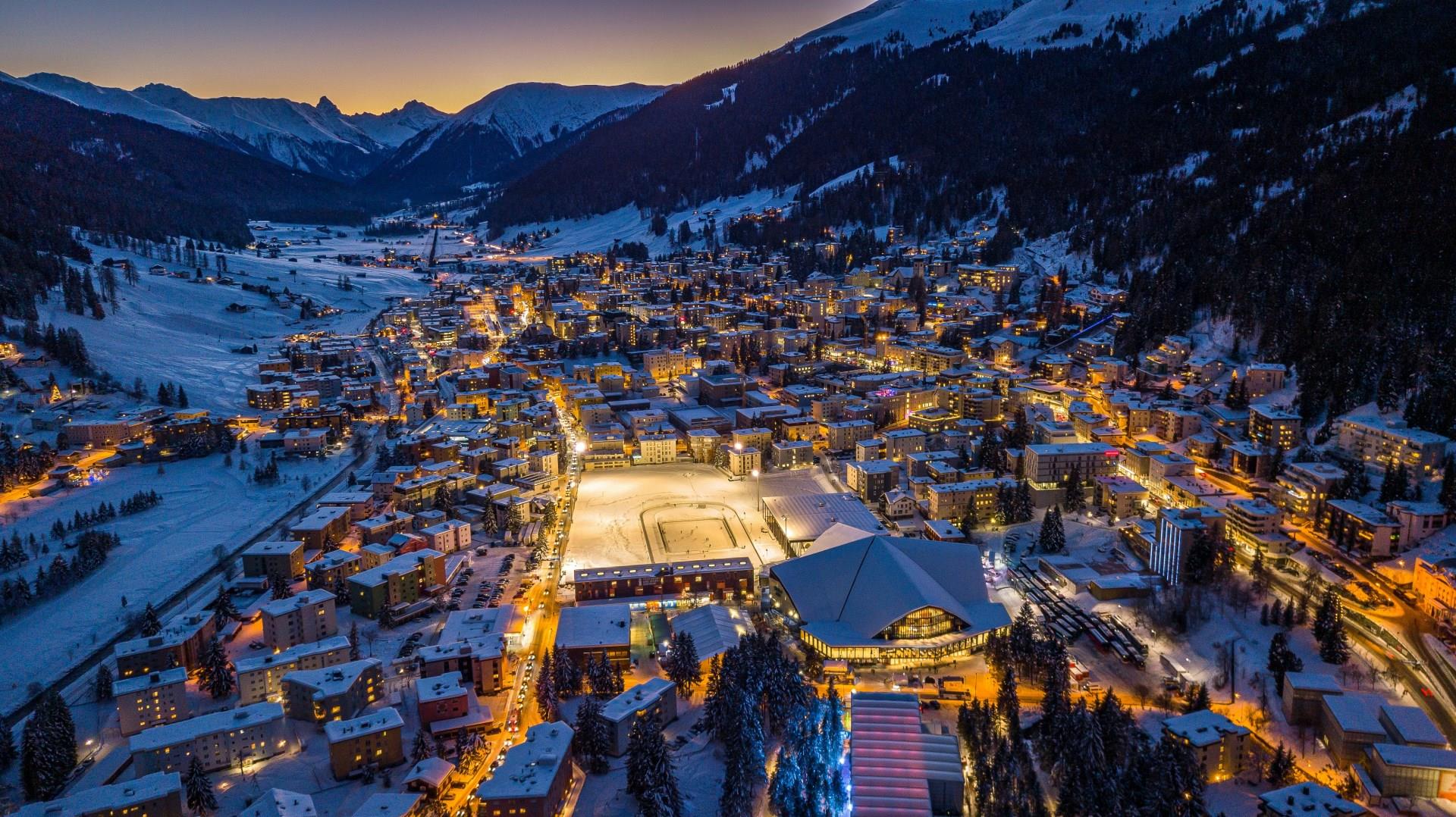
Davos, located in the Swiss canton of Graubünden, is the highest town in Europe at 1,560 meters above sea level and known for its alpine sports and outdoor activities. In winter, it offers over 300 kilometers of ski slopes shared with neighboring Klosters, along with cross-country trails and Europe’s largest natural ice rink. In summer, the same mountains transform into hiking and mountain biking routes, including the panoramic Jakobshorn and Parsenn areas.
Saudi Arabia is revealing chapters long unseen by tourists. Al-Ula is home to Hegra, the first UNESCO World Heritage Site in the kingdom and hosts to ancient Nabatean tombs carved in sandstone cliffs. Nearby, the mirrored Maraya Concert Hall reflects the desert sky, its design both unexpected and elegant amid the sands. Visitors can wander through narrow canyons, step inside rock-hewn facades, and feel the weight of ancient civilizations still echoing across the dunes.
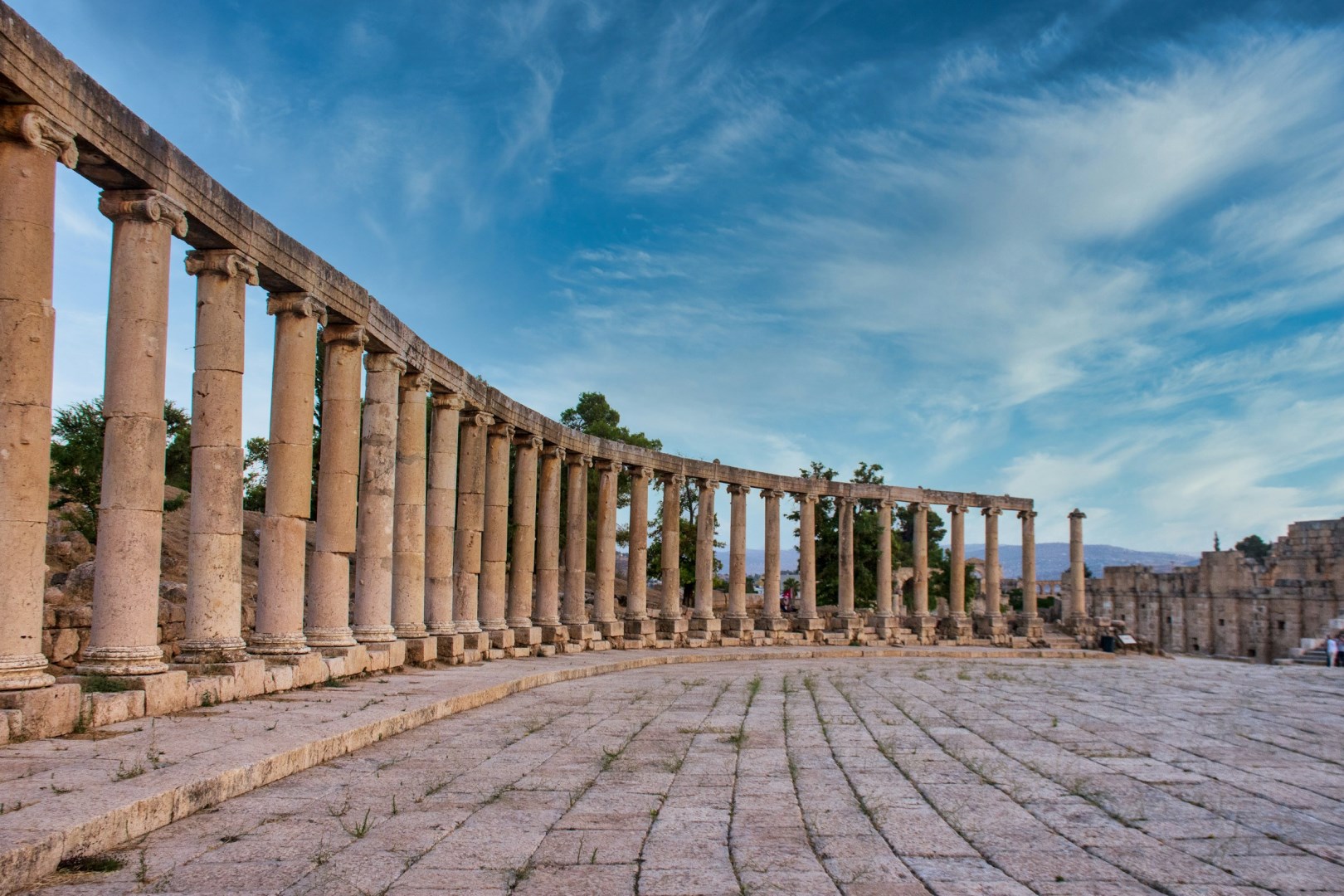
Photo Credit: Photo by Hisham Zayadneh on Unsplash
Photo Credit: Photo by Eyad SR7AN on Unsplash
Photo Credit: Photo by Hisham Zayadneh on Unsplash
Photo Credit: Photo by Matt Jones on Unsplash
Photo Credit: Photo by Hisham Zayadneh on Unsplash
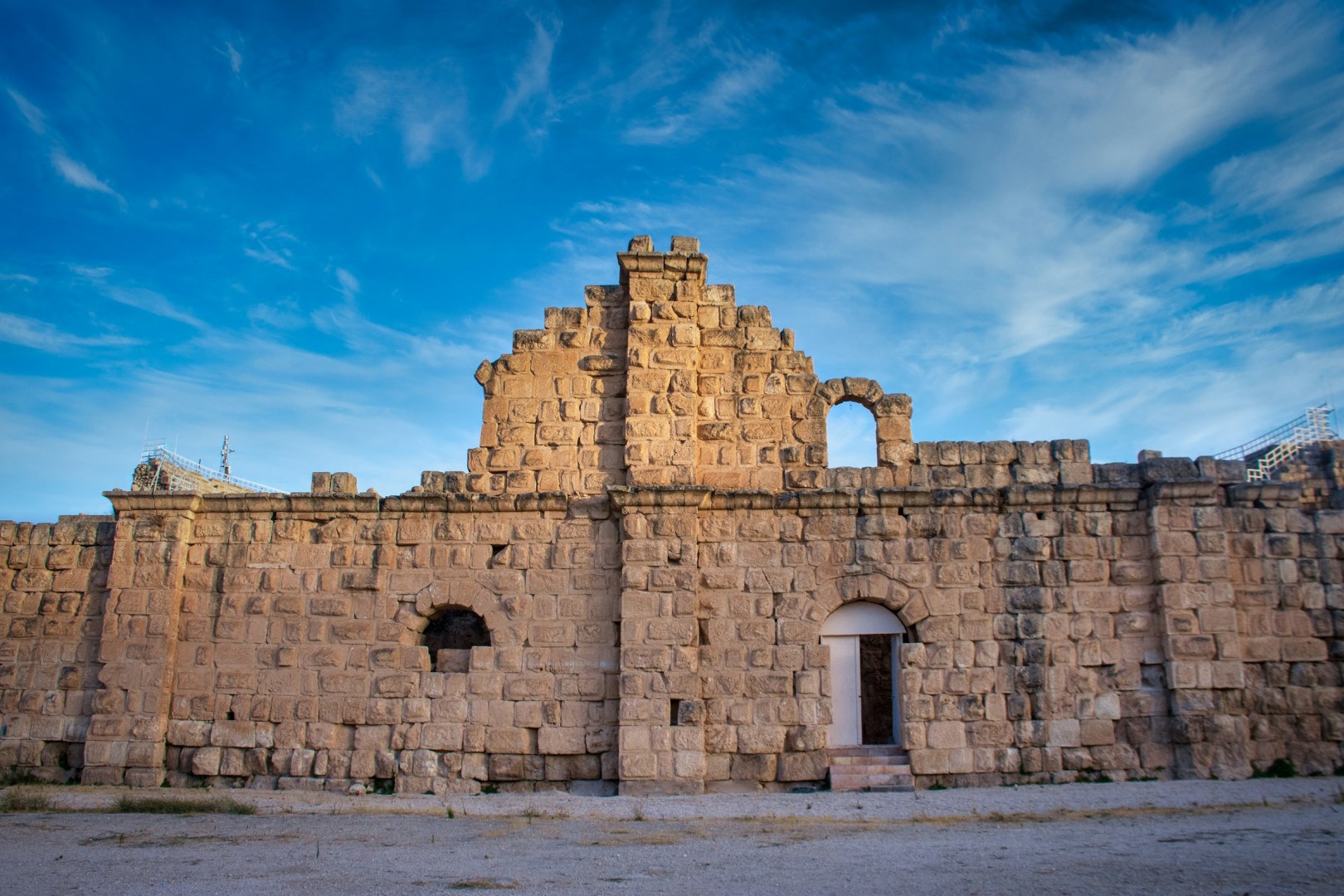
Jerash is reached by a short drive (29 miles, 47km) north of Amman and is an ancient Graeco-Roman city, once known as Gerasa. It has been dubbed the 'Pompeii of the East', because of its extraordinary state of preservation. Jerash is a vast city, which flourished in the centuries immediately preceding and following the Christian era.
At the approach to the city, the visitor is greeted by the imposing triple-arched gateway, built to honour the Emperor Hadrian when he arrived there in 129A.D.
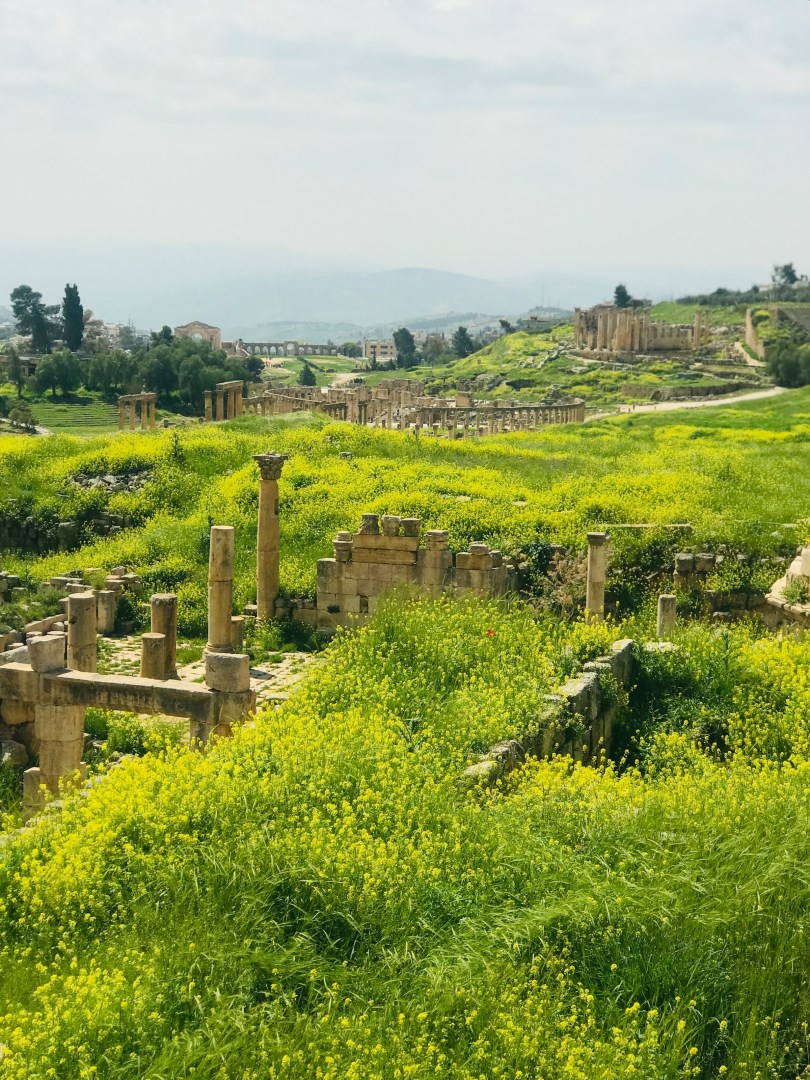
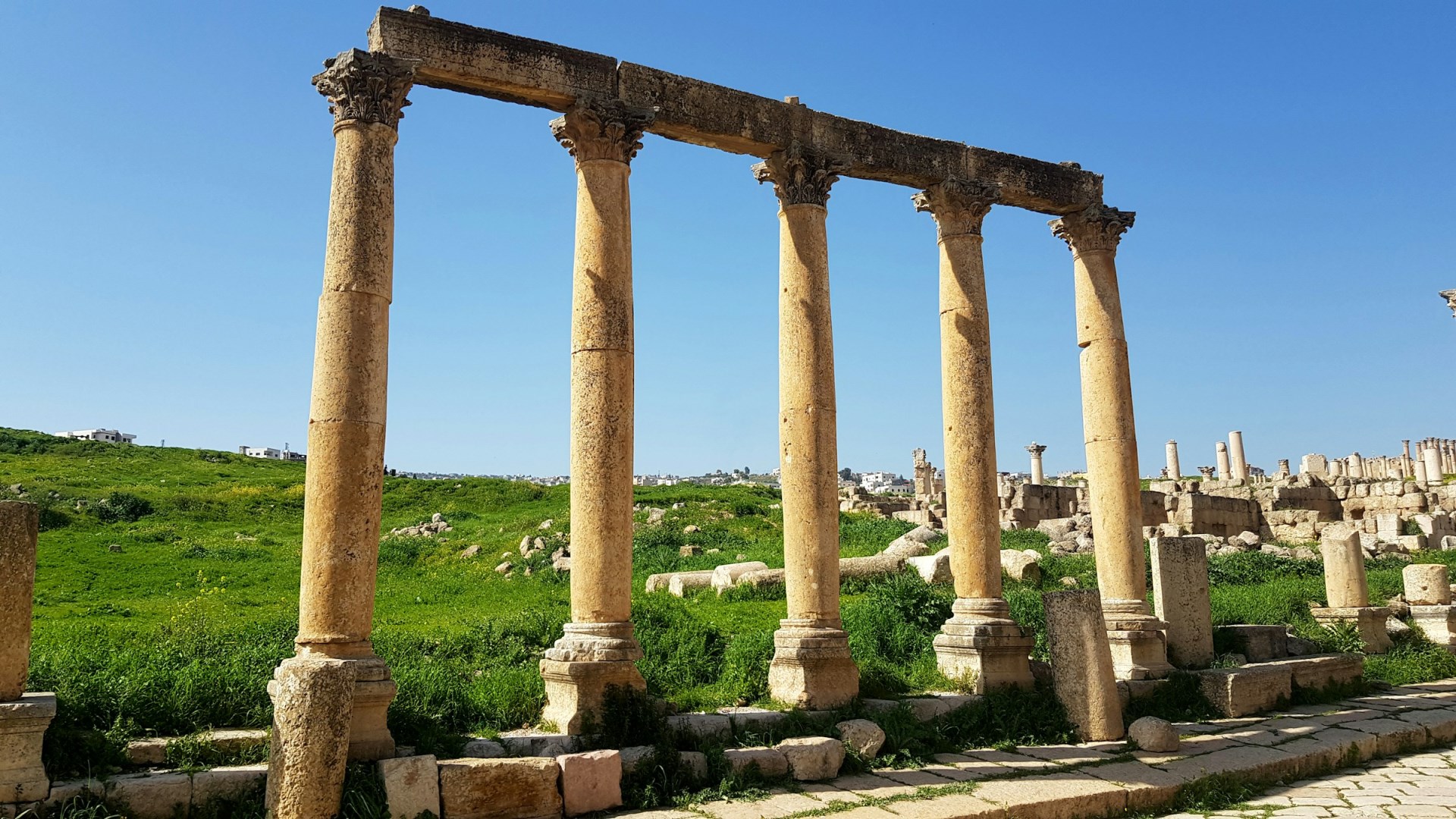
Jerash formed part of the Decapolis, a league of ten cities built by the Romans and dating from the first century B.C. Today, visitors may wander among the original temples, theatres, plazas, public baths and colonnaded streets complete with sculptures and fountains, all enclosed within the still-remaining city walls.
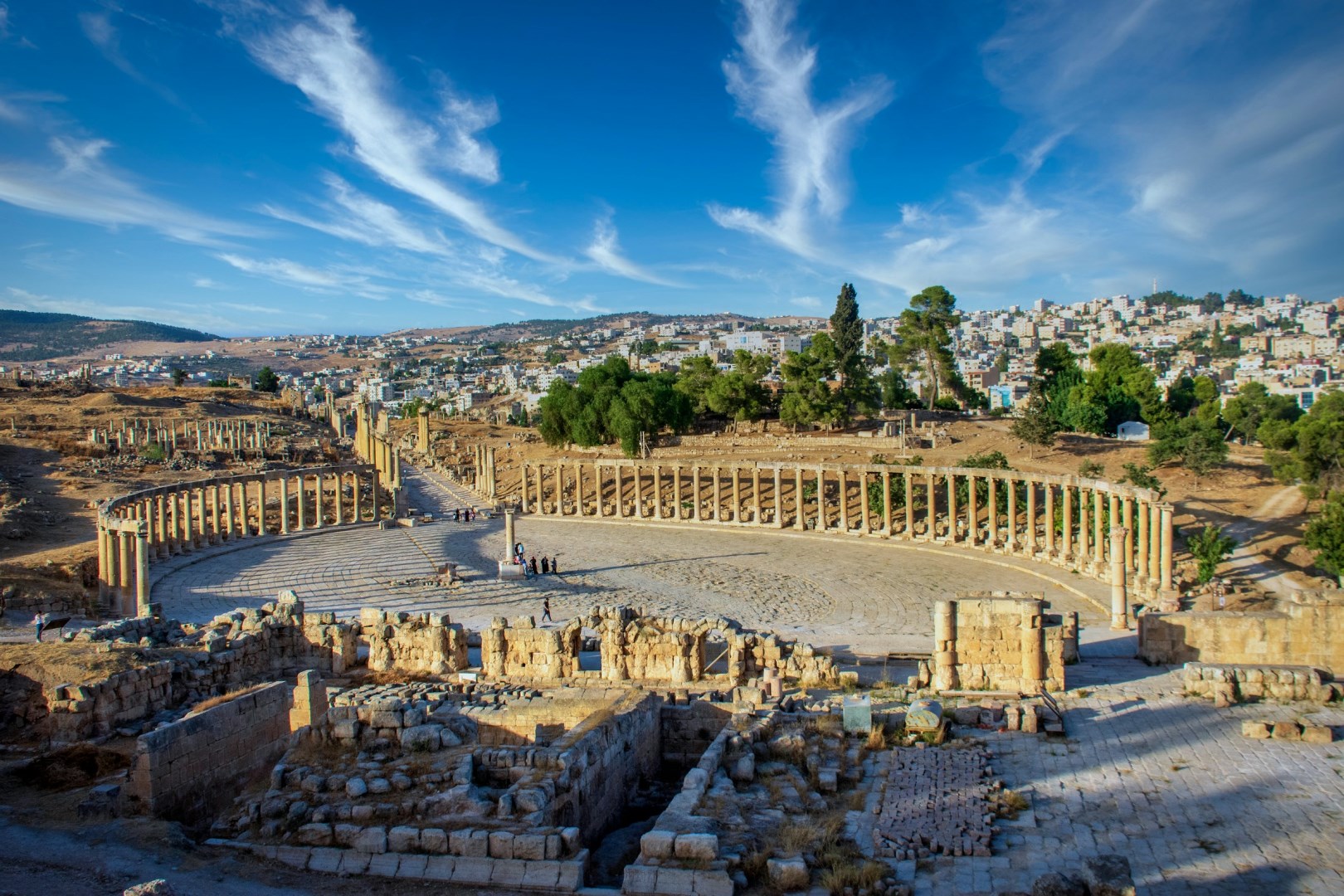
The great oval forum, once the centre of social activity within the city, is impressively well-preserved and is approached by means of the Street of Columns. The city's 14 churches with their beautiful mosaic decoration all date from the Byzantine era.
The annual Jerash Festival of Culture and Arts is held for two weeks
every summer and is an important cultural event, featuring performing artists from all over the world. This event has international
recognition and is a source of great pride to the culturally-minded
people of Jordan. There is also a daily sound and light show in English French, German and Arabic.
Other Popular Destinations in Jordan
Amman
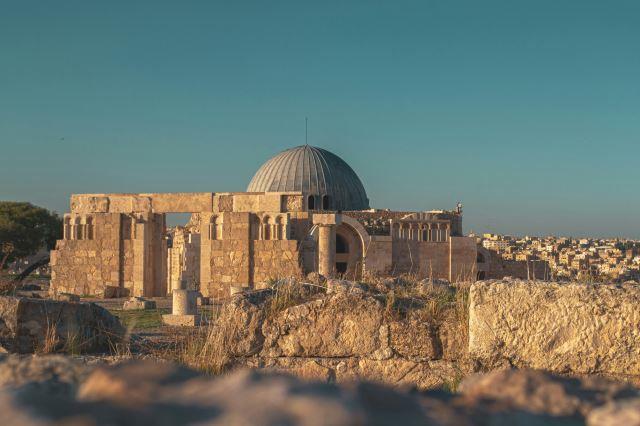
Situated near the Dead Sea, Amman is the capital of Jordan and a cultural and historical hub in the Middle East. Explore this sprawling city, replete with historic landmarks, museums, and mosques, and you’ll soon be enraptured by its blend of metropolitan and ancient beauty.
Petra
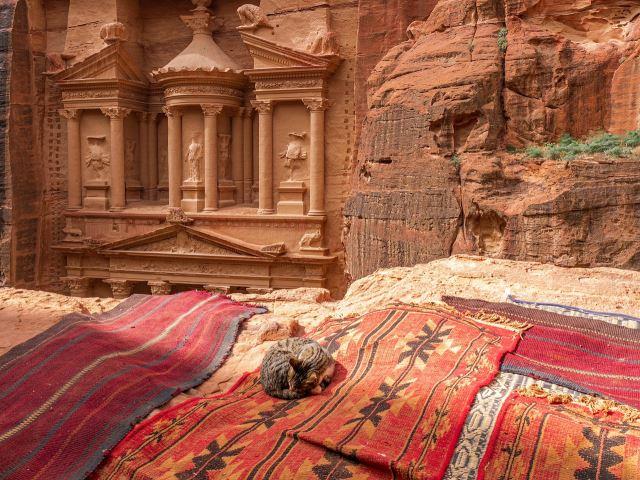
Tucked between Jordan's sandstone cliffs in the southwestern desert, Petra was carved directly into rose-colored rock more than 2,000 years ago. Visitors approaching through the narrow gorge known as the Siq are rewarded with their first glimpse of Al-Khazneh, the Treasury, a towering facade that seems to appear from another world.