Laos
Laos, a landlocked country in Southeast Asia, is known for its lush landscapes, winding rivers, and rich Buddhist culture. The Mekong River flows along much of the country’s western border, offering both vital transportation routes and scenic vistas. Rolling hills, dense forests, and limestone karsts provide opportunities for hiking, kayaking, and exploring remote villages.
Picton
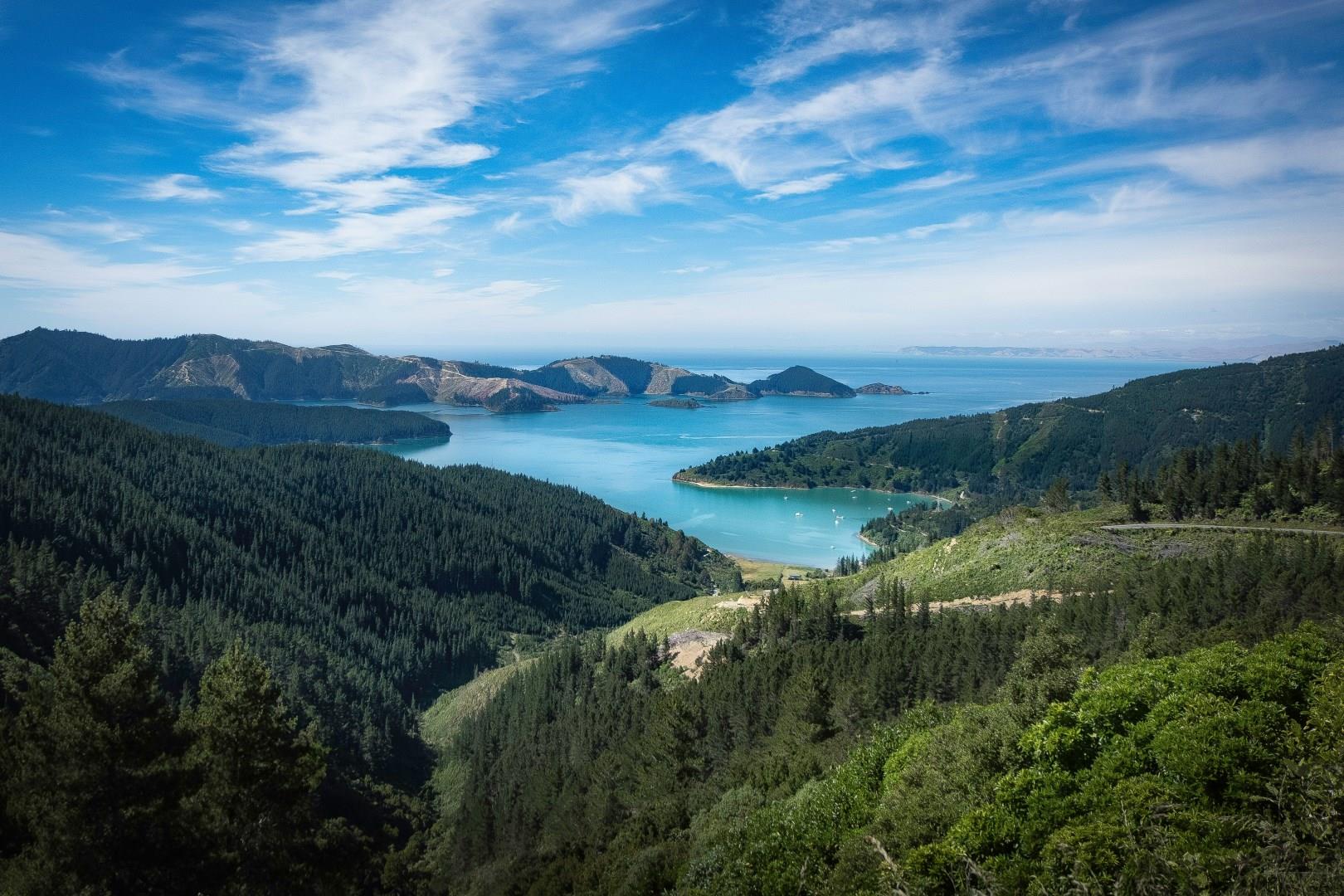
Picton, located at the head of Queen Charlotte Sound in New Zealand’s Marlborough region, is a charming gateway to the Marlborough Sounds and the South Island. The town is known for its scenic harbor, where ferries connect the North and South Islands, and as a hub for exploring the intricate waterways, bays, and coves that define this coastal region.

Canberra
Canberra, the capital city of Australia, is a hidden gem that often surprises travelers with its rich blend of culture, history, and natural beauty. Designed by American architects Walter Burley Griffin and Marion Mahony Griffin, Canberra is a city thoughtfully crafted around Lake Burley Griffin, which offers picturesque views and serene walks. Unlike many cities, it is home to a vast population of kangaroos, which are often spotted hopping around suburban areas and parklands.

Krk
Krk, the largest island in the Adriatic Sea, offers a captivating blend of historical charm and natural beauty. The city of Krk, located on the island's southwestern coast, is renowned for its rich cultural heritage and stunning coastal scenery. The city's historical heart is its Old Town, where ancient walls and charming narrow streets lead visitors through centuries of history.
Ninh Binh
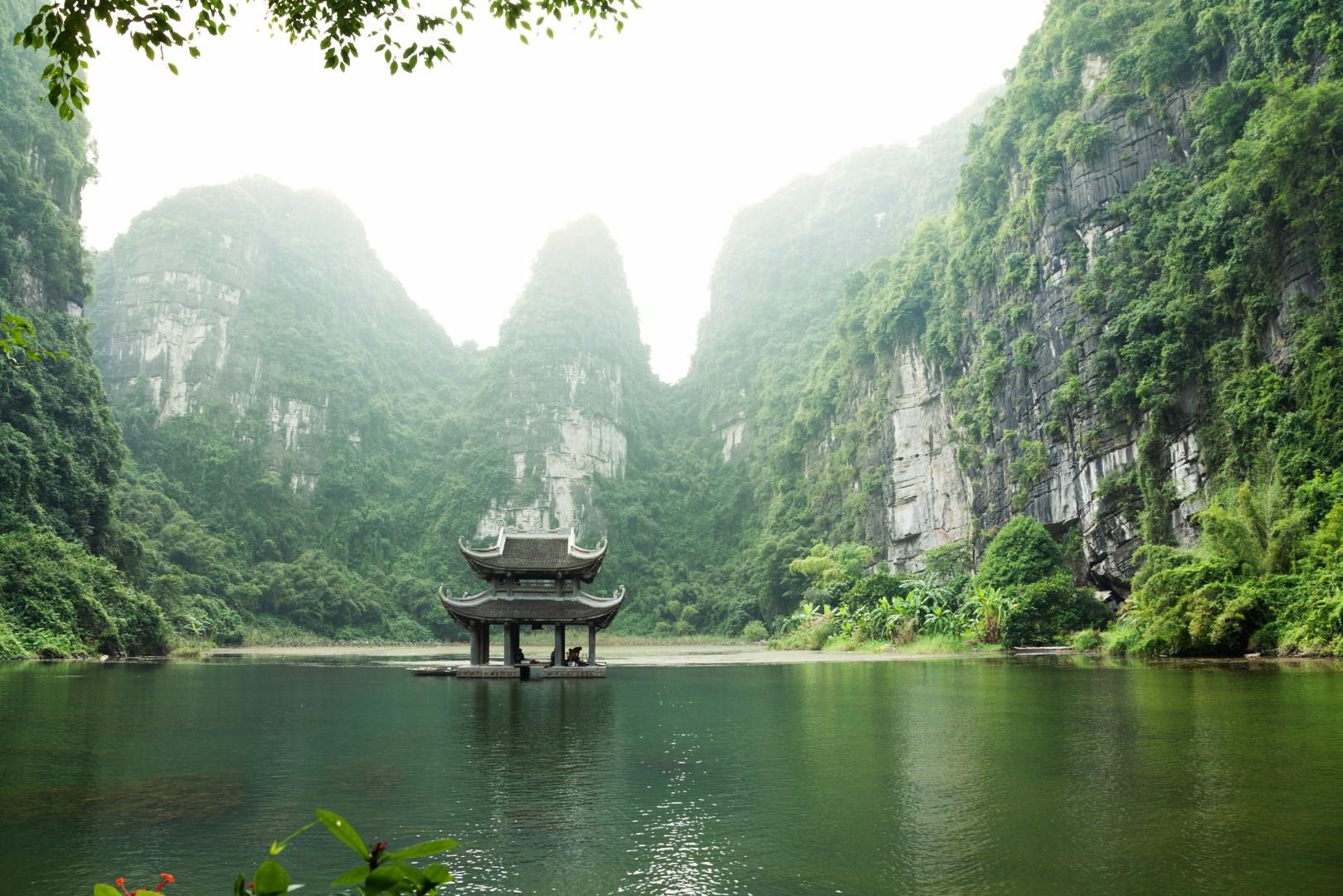
Ninh Binh, located about 100 kilometers south of Hanoi, offers a landscape shaped by limestone karsts, winding rivers, and flooded rice paddies. Often referred to as “Ha Long Bay on land,” the area is best explored by rowboat. At Trang An Scenic Landscape Complex, boat routes pass through caves, ancient pagodas, and valleys surrounded by towering cliffs. Local rowers often use their feet to paddle, an unusual technique that surprises many first-time visitors.