Valdez
Located just north of Chugach National Forest and nestled in an inlet of Prince William Sound, charming Valdez is a small Alaskan city known for its proximity to stunning glaciers, canyons, forests, and natural wildlife. Highlights include Valdez Glacier Lake, Keystone Canyon, and the Valdez Museum. The region's untouched natural beauty will astound you on your next Alaskan cruise!
Cayo Santa Maria
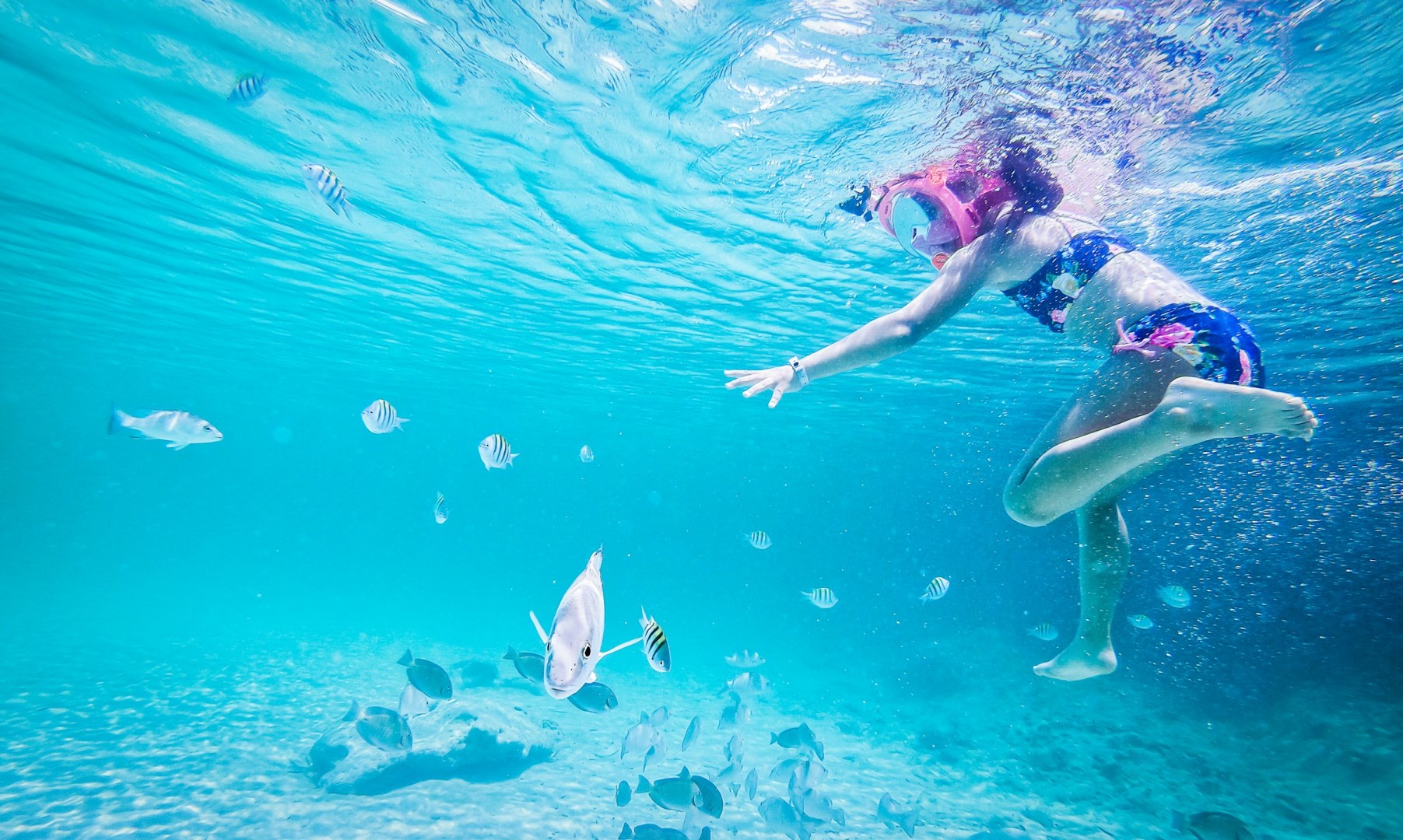
Cayo Santa María is a small island off the north coast of Cuba, part of the Jardines del Rey archipelago in Villa Clara Province. It is connected to the mainland by a causeway crossing the shallow waters of the Bahía de Buenavista. The island is known for white-sand beaches, clear Caribbean water, coastal lagoons, mangroves, and low limestone terrain.
Port Denarau
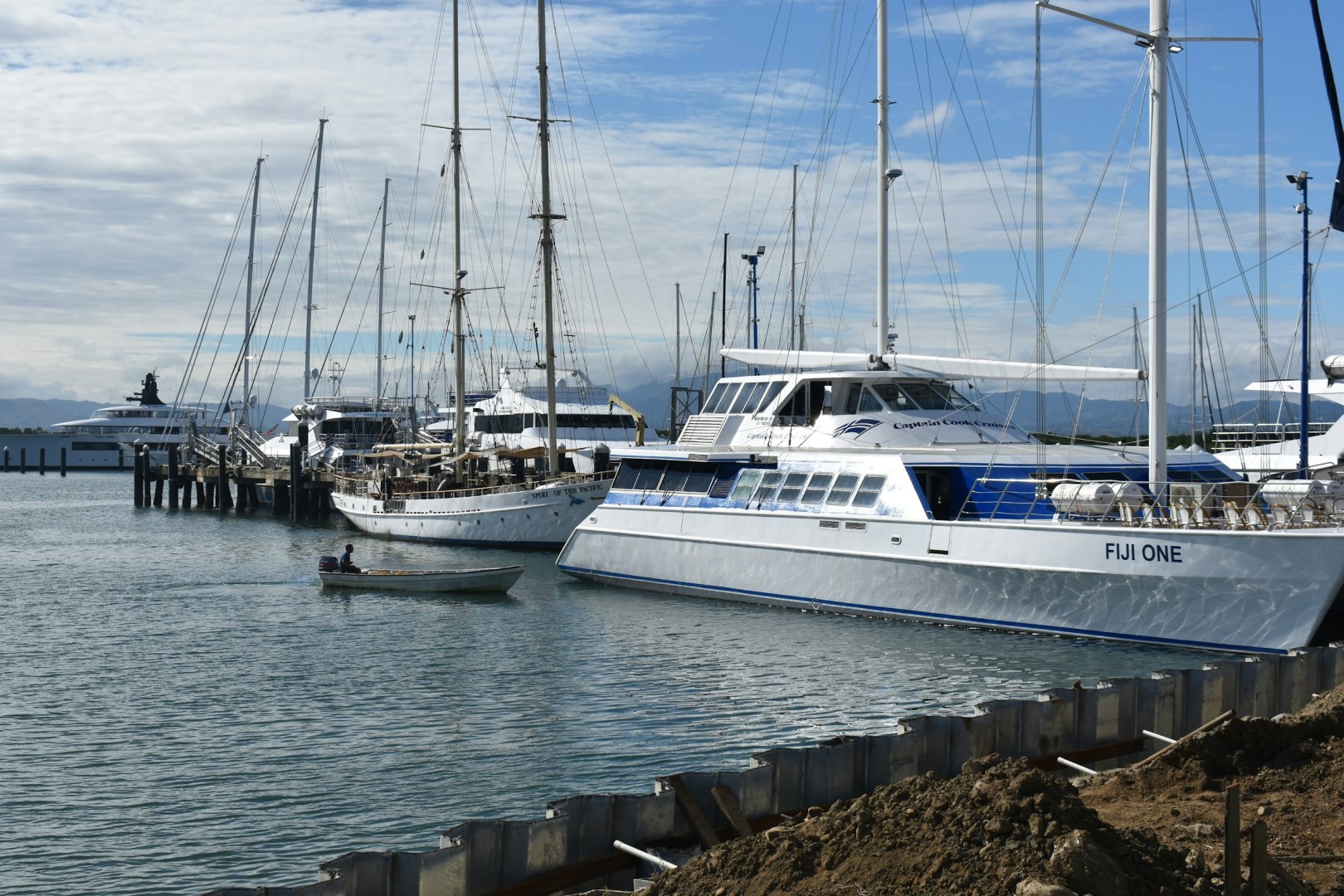
Port Denarau, Fiji, is a luxurious gateway to the tropical wonders of the South Pacific. Situated on Denarau Island, just a short drive from Nadi International Airport, Port Denarau serves as the main hub for visitors seeking to explore Fiji's pristine islands and vibrant marine life.

Arizona
Arizona is a state where ancient landscapes and modern life meet in unexpected ways. While many come for the Grand Canyon, an awe-inspiring chasm over 277 miles long, there's far more waiting beyond the rim.

Istanbul
Istanbul is a city built on layers of empire. Spanning two continents, it was once the capital of three major empires: Roman, Byzantine, and Ottoman. Visitors walking through the Sultanahmet district can witness this timeline firsthand, from the Roman-era Hippodrome to the Byzantine mosaics of Hagia Sophia, and the towering minarets of the Blue Mosque. At nearby Topkapi Palace, rooms still display the jeweled swords, ceremonial robes, and handwritten Qurans once used by Ottoman sultans.