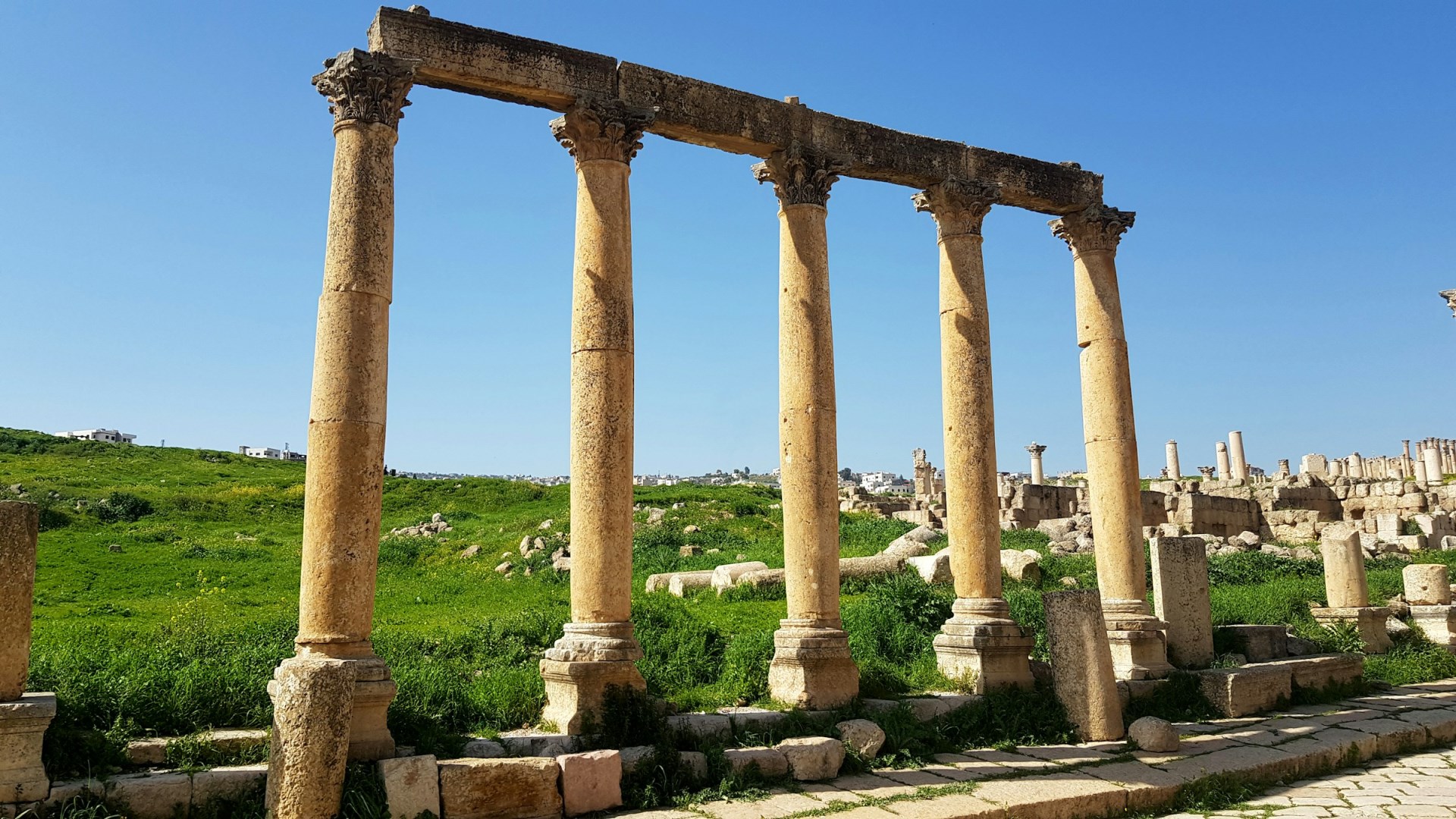
Gobi Desert
The Gobi Desert, spanning across northern China and southern Mongolia, is one of the world’s most iconic and mysterious landscapes. Known for its vast stretches of arid plains, towering sand dunes, and rugged mountains, the Gobi offers a stark, breathtaking beauty that has captivated explorers and travelers for centuries.
Campeche
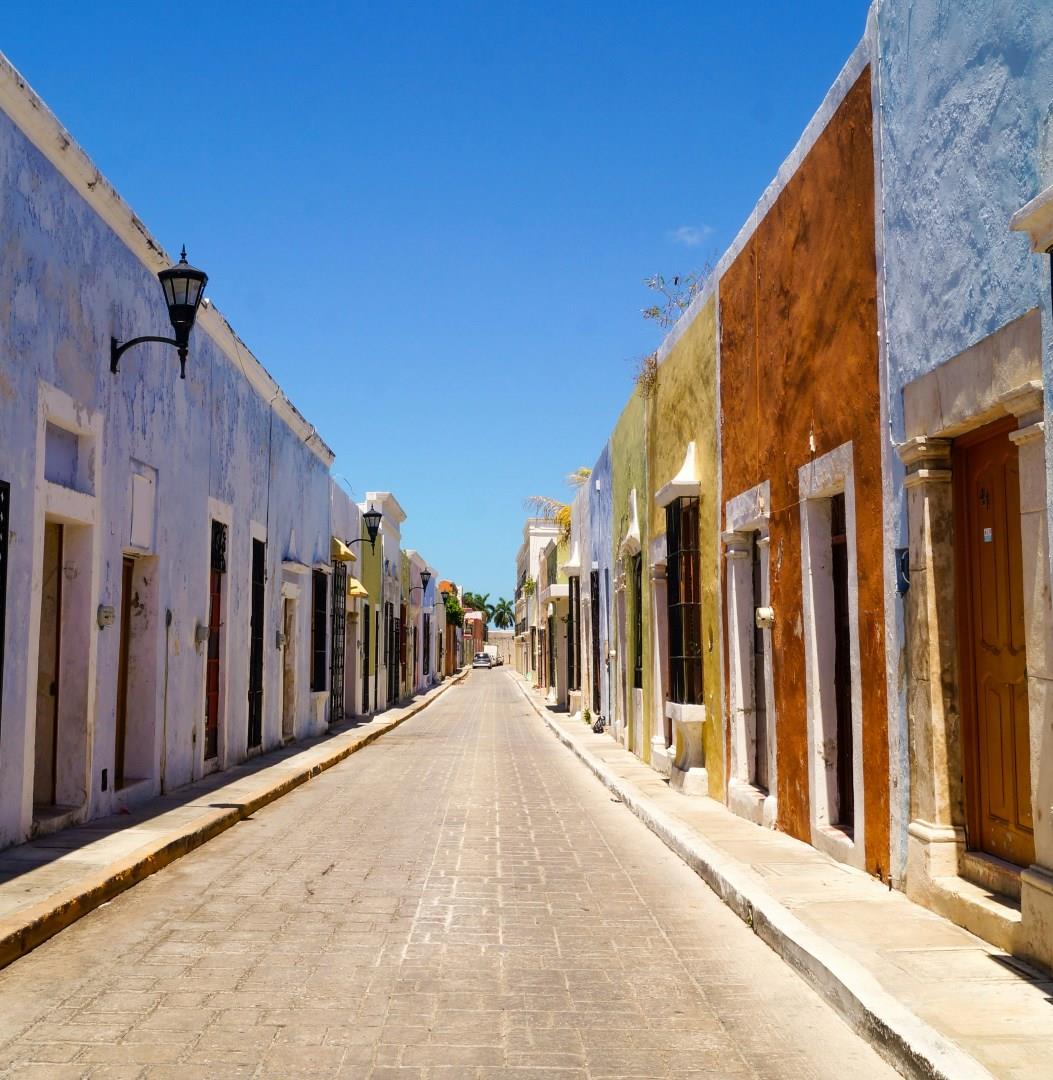
The state of Campeche, located on the western edge of the Yucatán Peninsula, is a hidden gem waiting to be discovered by adventurous travelers. Rich in history, culture, and natural beauty, Campeche offers a unique blend of colonial charm and ancient Maya heritage. The state capital, also named Campeche, is a UNESCO World Heritage Site, renowned for its well-preserved Baroque architecture and colorful, pastel-hued buildings.
Kylemore
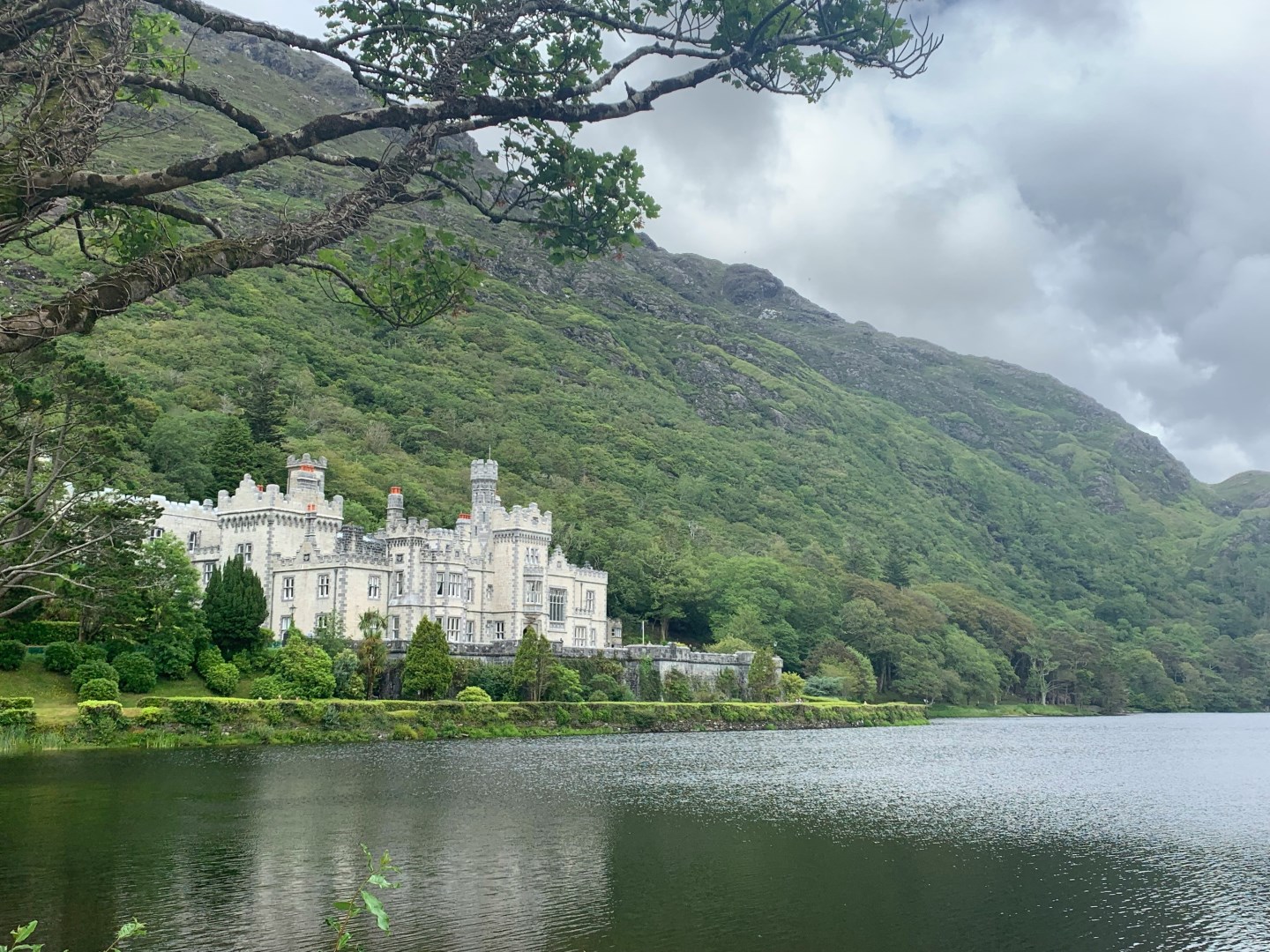
Kylemore, Ireland, sits quietly amidst the mountains and lakes of Connemara, offering visitors a blend of history and scenic views that feels both grand and intimate. The village is best known for Kylemore Abbey, a striking structure set against the backdrop of rolling hills and reflective waters. Visitors approaching the estate are greeted by formal gardens and woodland trails, where the reflections of the abbey shimmer in the calm lake.

Reno
Reno, Nevada is known as “The Biggest Little City in the World” and has evolved well beyond its casino roots. Today, it’s a city where vintage neon signs share the skyline with vibrant murals and historic train depots sit beside riverside coffee shops. The Truckee River runs through downtown, anchoring the city with a scenic Riverwalk lined with public art, restaurants, and the sounds of rushing water.
Tel Aviv
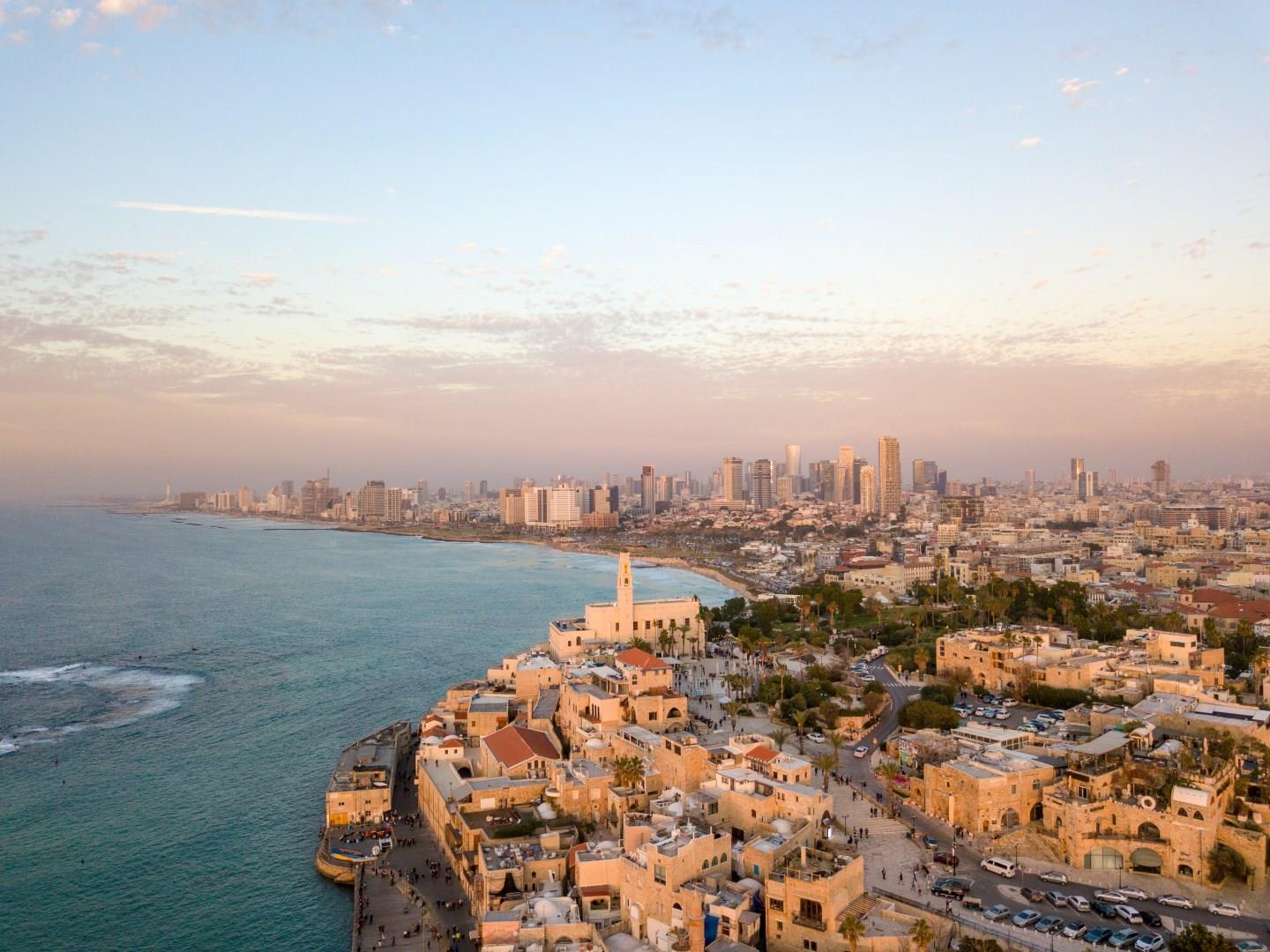
Tel Aviv began in 1909 as a new neighborhood beside the ancient port of Jaffa. The city is now home to the largest cluster of Bauhaus-style buildings in the world which earned UNESCO recognition for its early 20th-century urban planning. Visitors can explore those structures on guided architectural walks through streets like Rothschild or Dizengoff.