Šiauliai, often referred to as the "City of the Sun" due to its high number of sunny days, is a vibrant gem in northern Lithuania. The city's most iconic landmark is the Hill of Crosses, a profound site of pilgrimage adorned with thousands of crosses placed by visitors over the decades. This unique and moving monument, which has been recognized by UNESCO for its cultural significance, symbolizes the resilience and spirit of the Lithuanian people.
Coron is a coastal town in northern Palawan, part of the Calamian Islands, where steep limestone formations rise above clear bays, lagoons, and sheltered coves. The town sits on Busuanga Island and serves as a gateway to the surrounding islands and marine areas. Coron is particularly known for its combination of inland lakes and underwater landscapes, giving the destination a character that extends well beyond its beaches.
Dominica, known as the “Nature Island of the Caribbean,” is a haven for eco-tourists and adventure seekers. Nestled between the French islands of Guadeloupe and Martinique, this lush island boasts a remarkable landscape of volcanic mountains, dense rainforests, and stunning waterfalls. Dominica’s most iconic natural wonder is the Boiling Lake, the second-largest hot spring in the world.
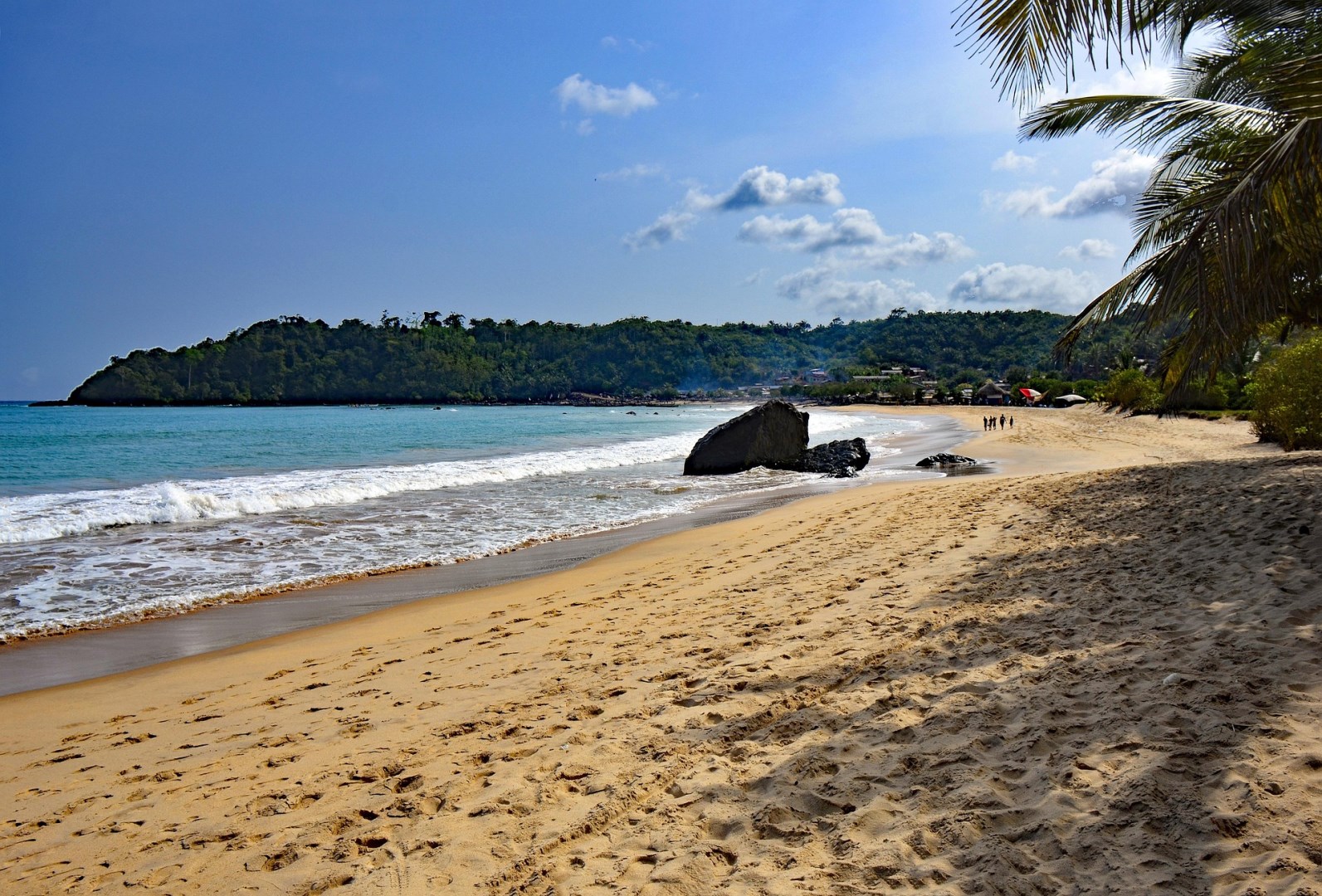
Butre is a small coastal village in Ghana’s Western Region, set around the Butre River near the Atlantic Ocean. Its landscape combines a fishing settlement, forested hills, wetlands, and a broad sandy shoreline. The village is known especially for Fort Batenstein, which stands on a hill overlooking the coast and the surrounding countryside. Fishing remains an important part of local life, while the nearby river creates a sheltered setting for small boats and canoes.
Seven miles outside of historic Athens, the Greek coastal city of Piraeus lies upon the sparkling waters of the Aegean Sea and is the largest passenger port in Europe, servicing nearly 20 million passengers per year.
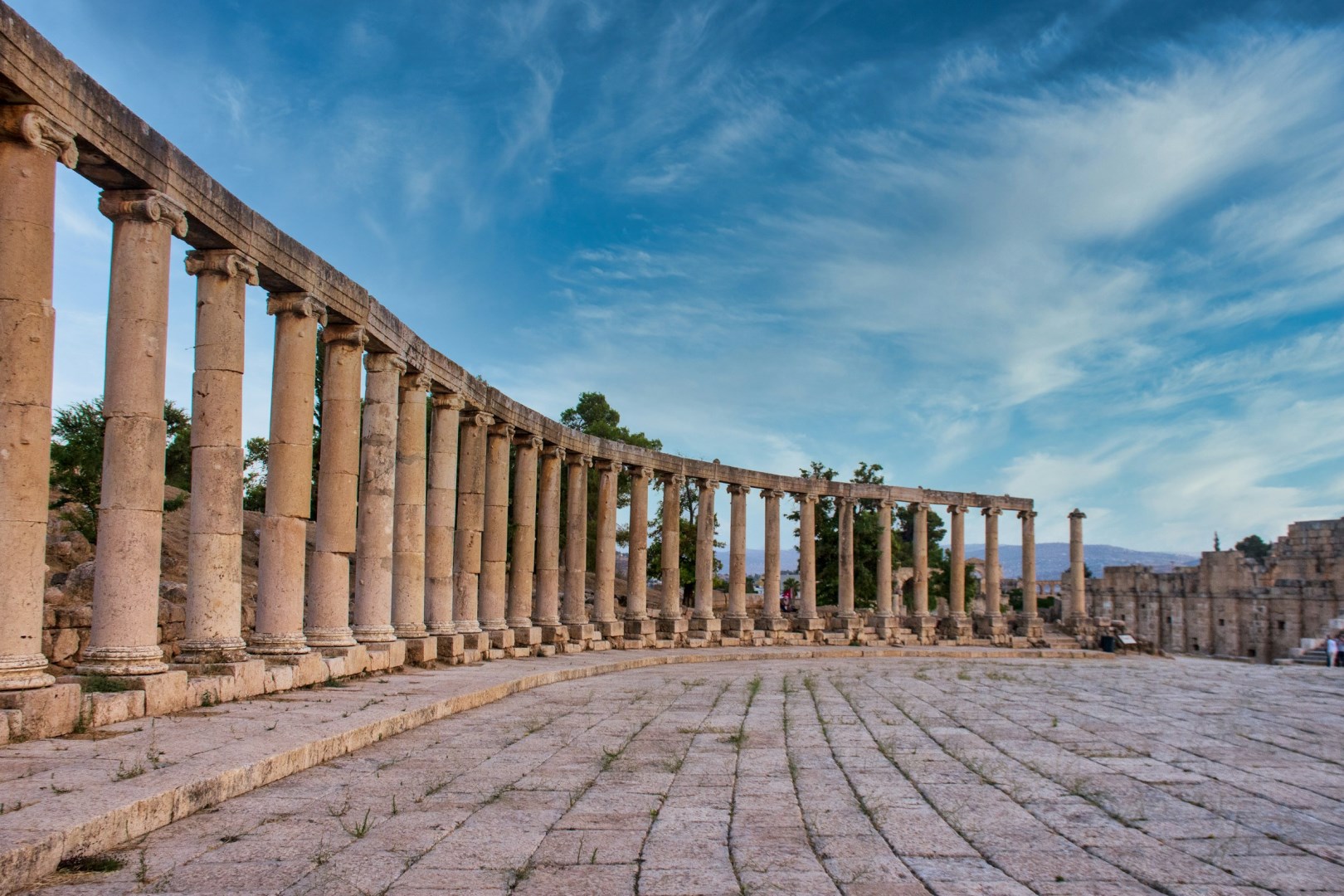
Photo Credit: Photo by Hisham Zayadneh on Unsplash
Photo Credit: Photo by Eyad SR7AN on Unsplash
Photo Credit: Photo by Hisham Zayadneh on Unsplash
Photo Credit: Photo by Matt Jones on Unsplash
Photo Credit: Photo by Hisham Zayadneh on Unsplash
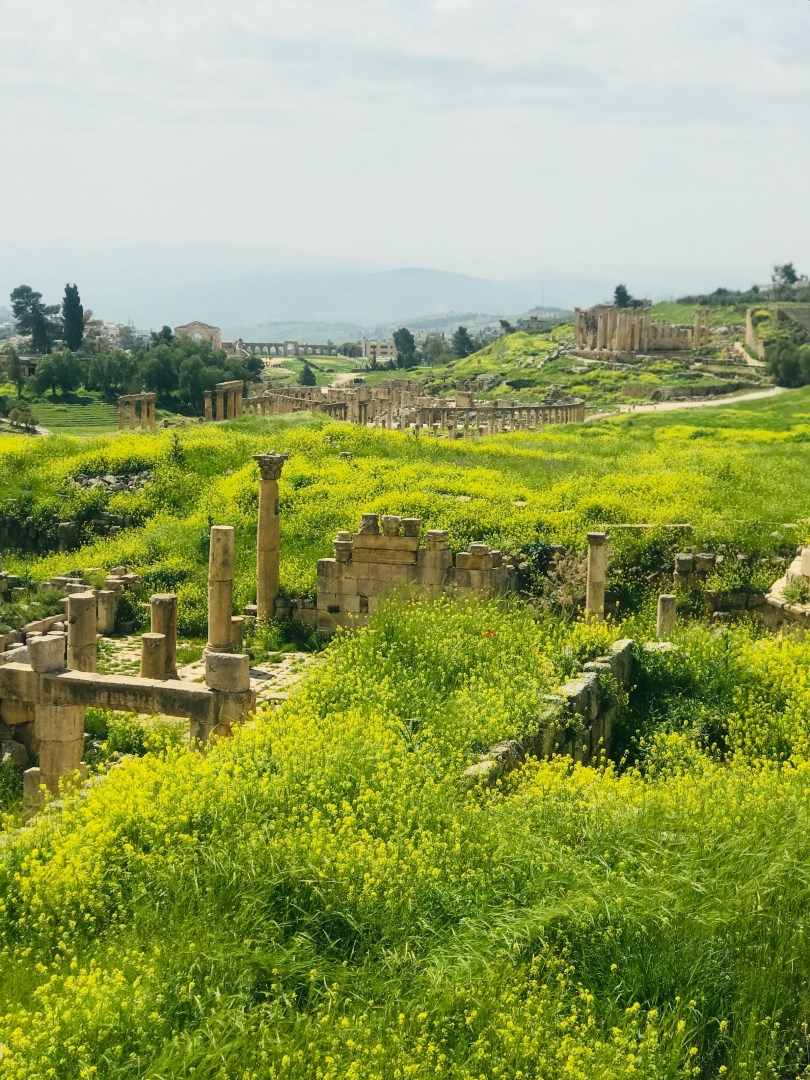
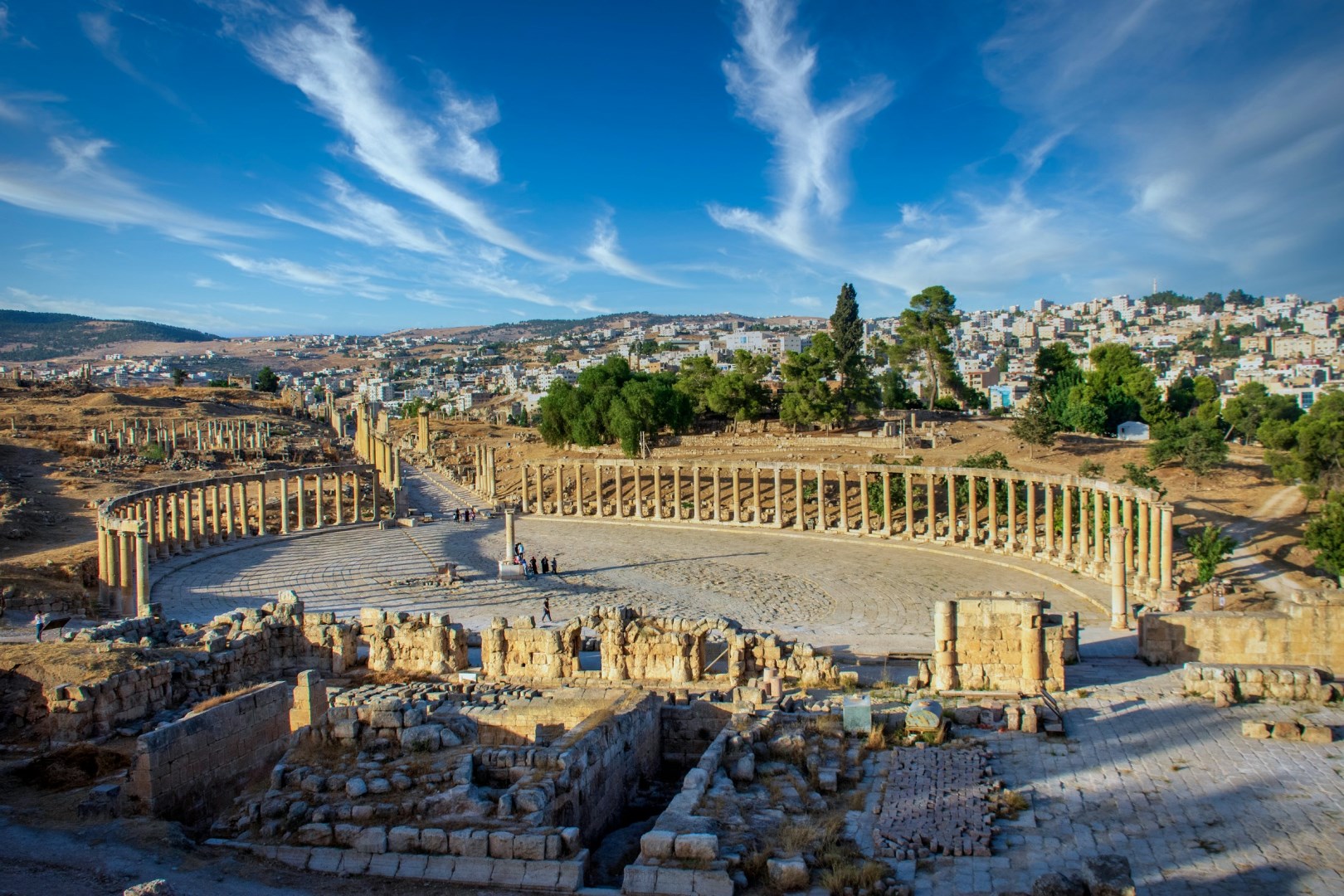
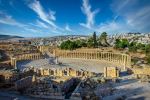
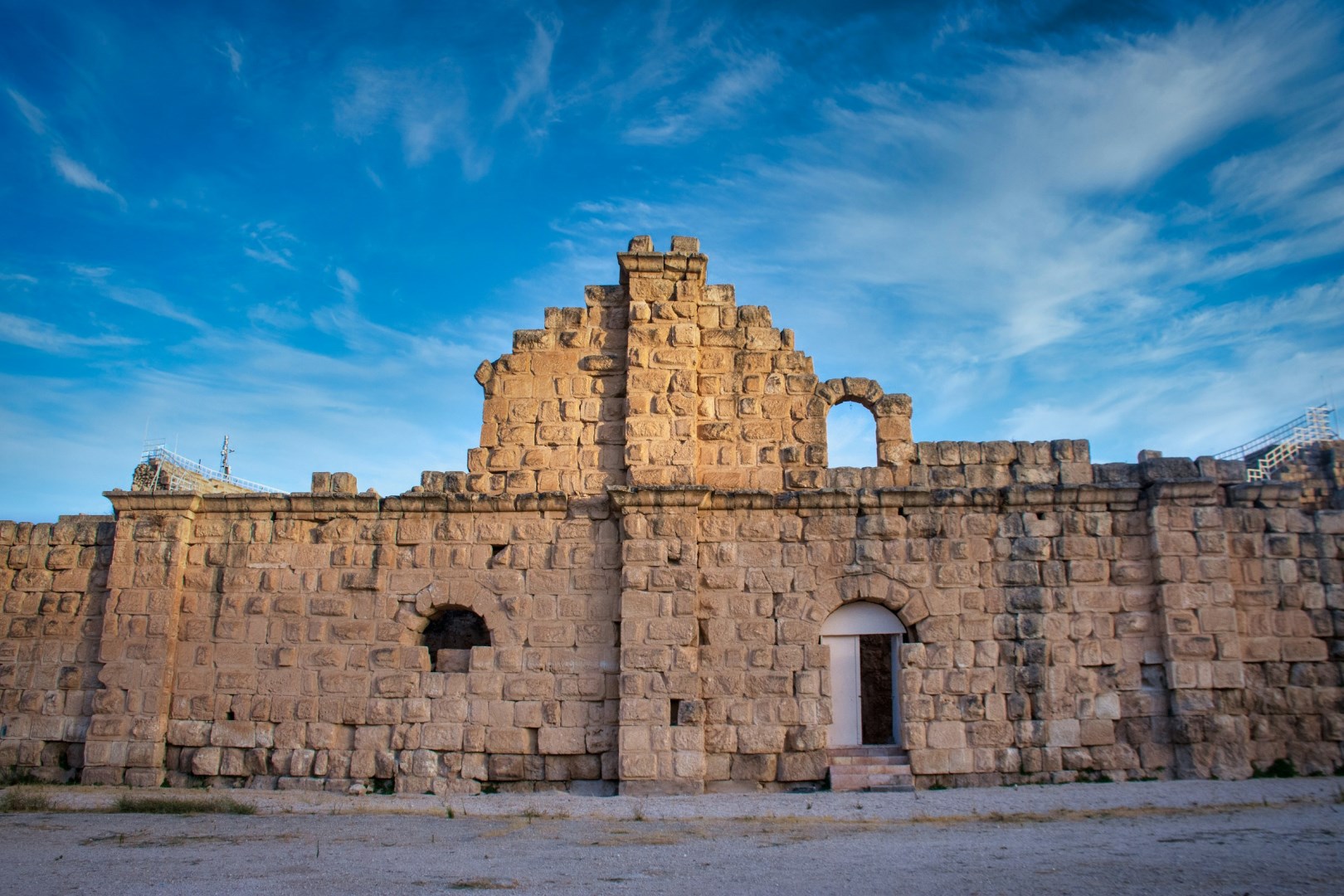
Jerash is reached by a short drive (29 miles, 47km) north of Amman and is an ancient Graeco-Roman city, once known as Gerasa. It has been dubbed the 'Pompeii of the East', because of its extraordinary state of preservation. Jerash is a vast city, which flourished in the centuries immediately preceding and following the Christian era.
At the approach to the city, the visitor is greeted by the imposing triple-arched gateway, built to honour the Emperor Hadrian when he arrived there in 129A.D.
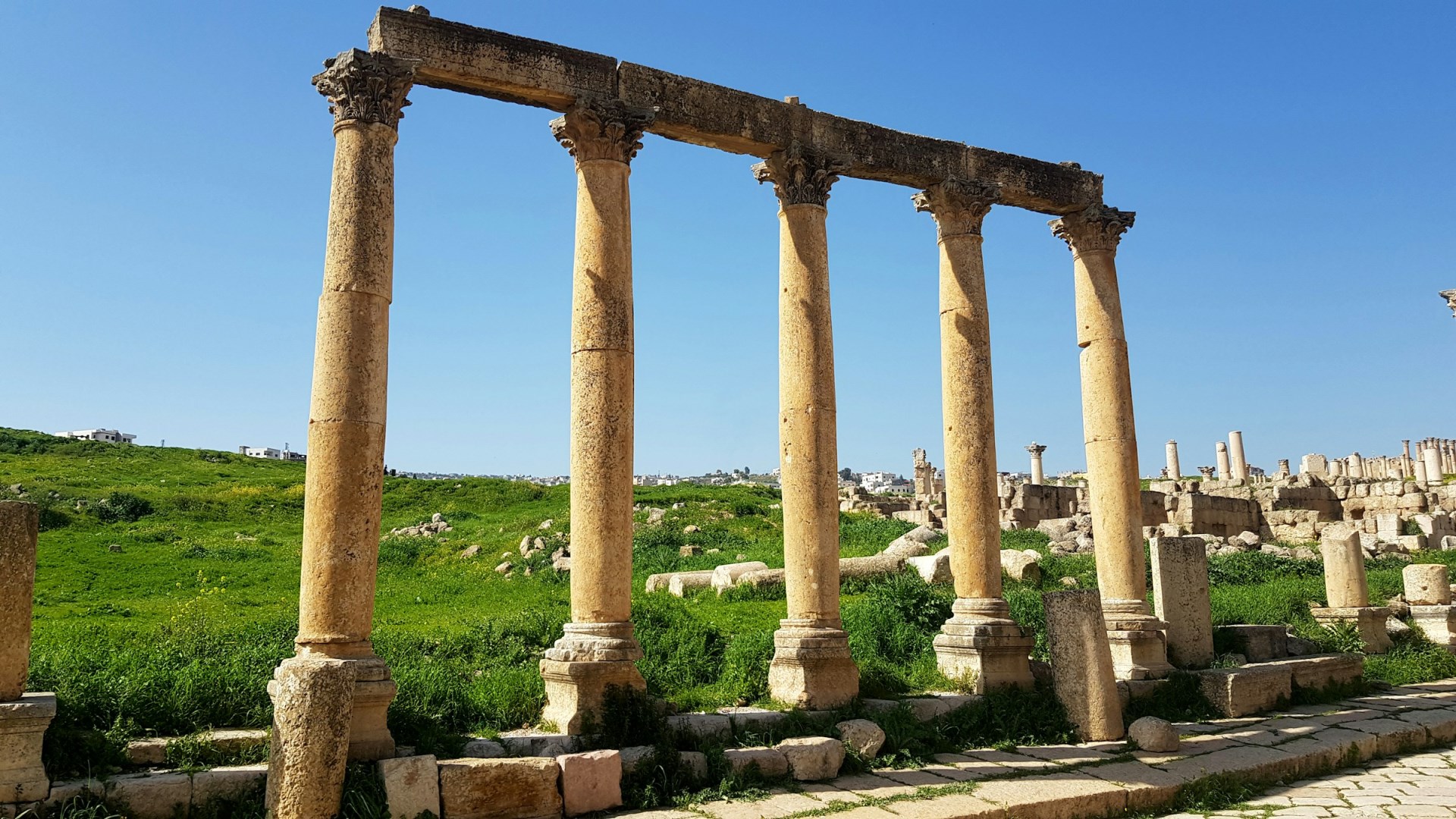
Jerash formed part of the Decapolis, a league of ten cities built by the Romans and dating from the first century B.C. Today, visitors may wander among the original temples, theatres, plazas, public baths and colonnaded streets complete with sculptures and fountains, all enclosed within the still-remaining city walls.
The great oval forum, once the centre of social activity within the city, is impressively well-preserved and is approached by means of the Street of Columns. The city's 14 churches with their beautiful mosaic decoration all date from the Byzantine era.
The annual Jerash Festival of Culture and Arts is held for two weeks
every summer and is an important cultural event, featuring performing artists from all over the world. This event has international
recognition and is a source of great pride to the culturally-minded
people of Jordan. There is also a daily sound and light show in English French, German and Arabic.
Other Popular Destinations in Jordan
Amman
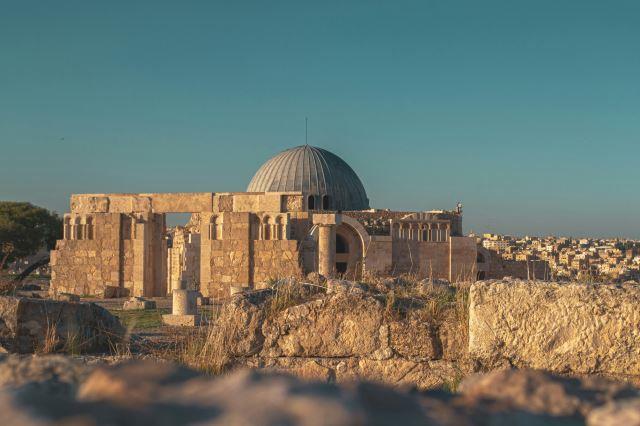
Situated near the Dead Sea, Amman is the capital of Jordan and a cultural and historical hub in the Middle East. Explore this sprawling city, replete with historic landmarks, museums, and mosques, and you’ll soon be enraptured by its blend of metropolitan and ancient beauty.
Petra
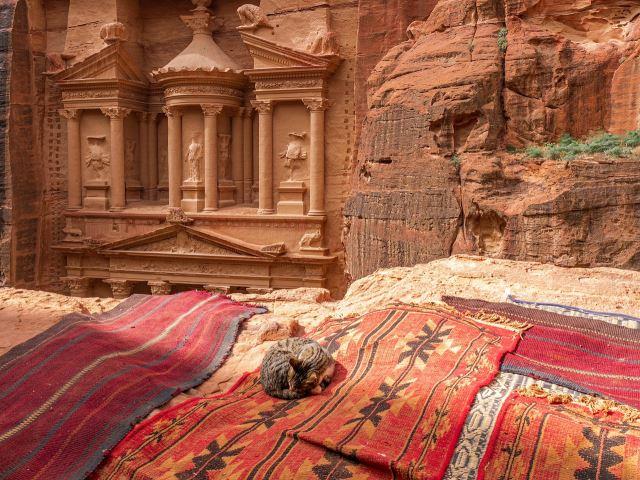
Tucked between Jordan's sandstone cliffs in the southwestern desert, Petra was carved directly into rose-colored rock more than 2,000 years ago. Visitors approaching through the narrow gorge known as the Siq are rewarded with their first glimpse of Al-Khazneh, the Treasury, a towering facade that seems to appear from another world.