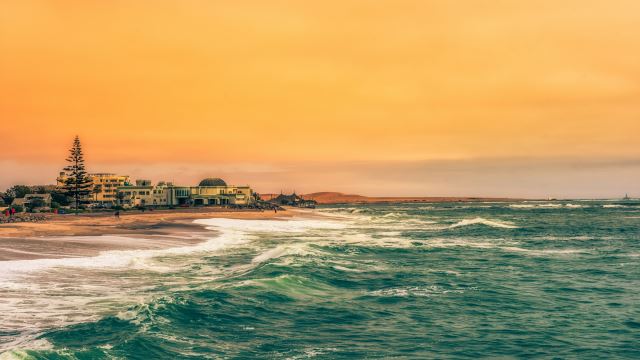
Skopje, the capital of North Macedonia, offers a fascinating blend of ancient history and modern transformation. A walk through the city reveals layers of Roman, Byzantine, and Ottoman influences, making it a treasure trove for history lovers. Begin your journey at the iconic Stone Bridge, a symbol of the city that dates back to the 15th century, linking the Ottoman Old Bazaar with Skopje’s modern city center.

Nyerere National Park is a vast protected area in southern Tanzania, centered on the Rufiji River and the surrounding miombo woodlands, floodplains, grasslands, and wetlands. It forms part of the wider Selous ecosystem and is one of Tanzania’s largest national parks, covering more than 30,000 square kilometres.
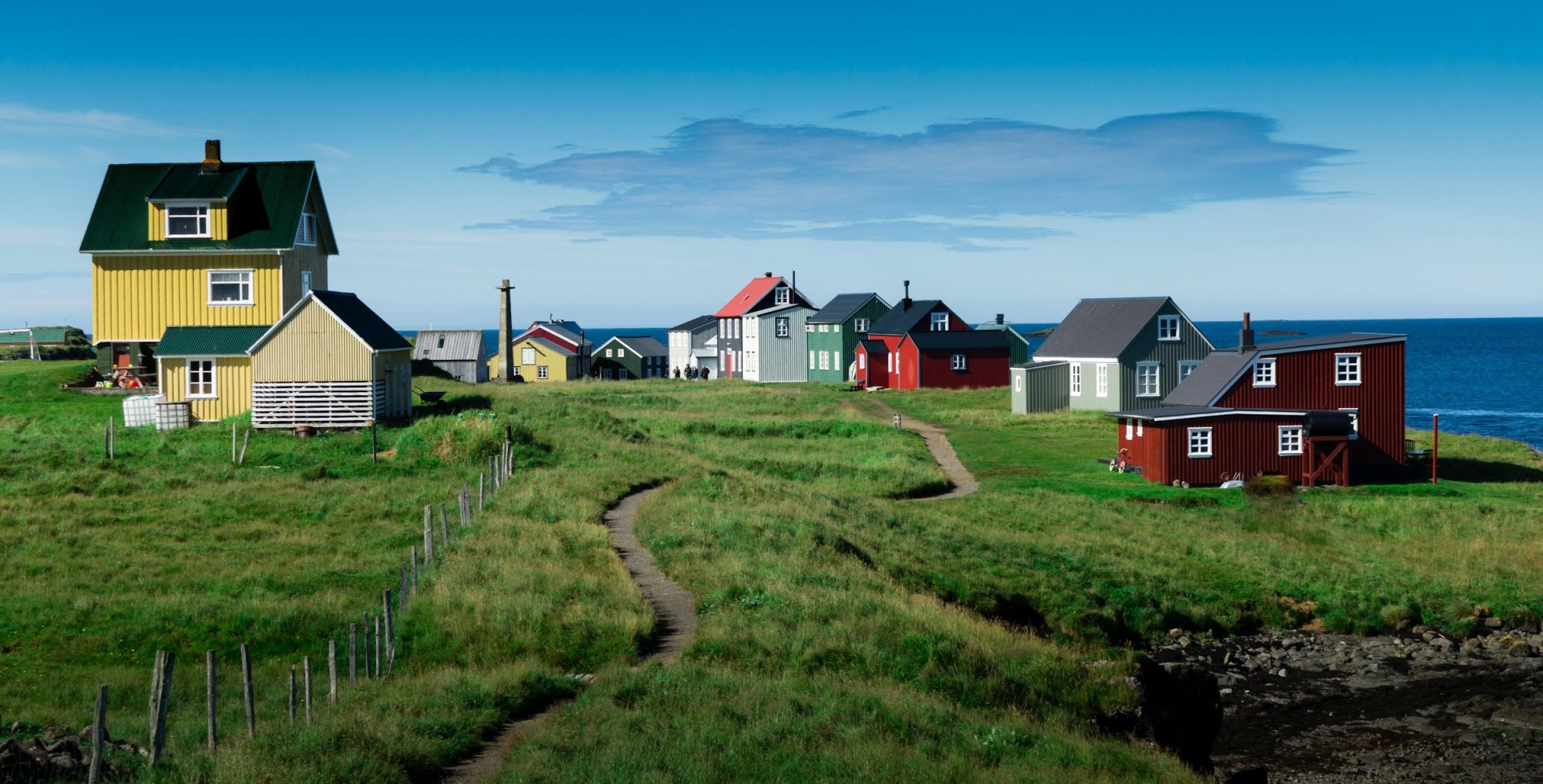
Flatey is a small island in Breiðafjörður in western Iceland, known for its compact settlement, historic buildings, and quiet coastal landscape. The island is almost entirely flat, with low fields and rocky shores extending between the surrounding skerries. Its main settlement consists of a cluster of colorful wooden houses, many of which have been preserved as part of the island’s heritage.
Symi, a charming island in the Dodecanese, Greece, offers a picturesque escape with its striking neoclassical architecture and vibrant Mediterranean colors. The town of Symi, a designated protected cultural heritage site, is renowned for its beautifully preserved pastel-colored mansions that line the harbor.
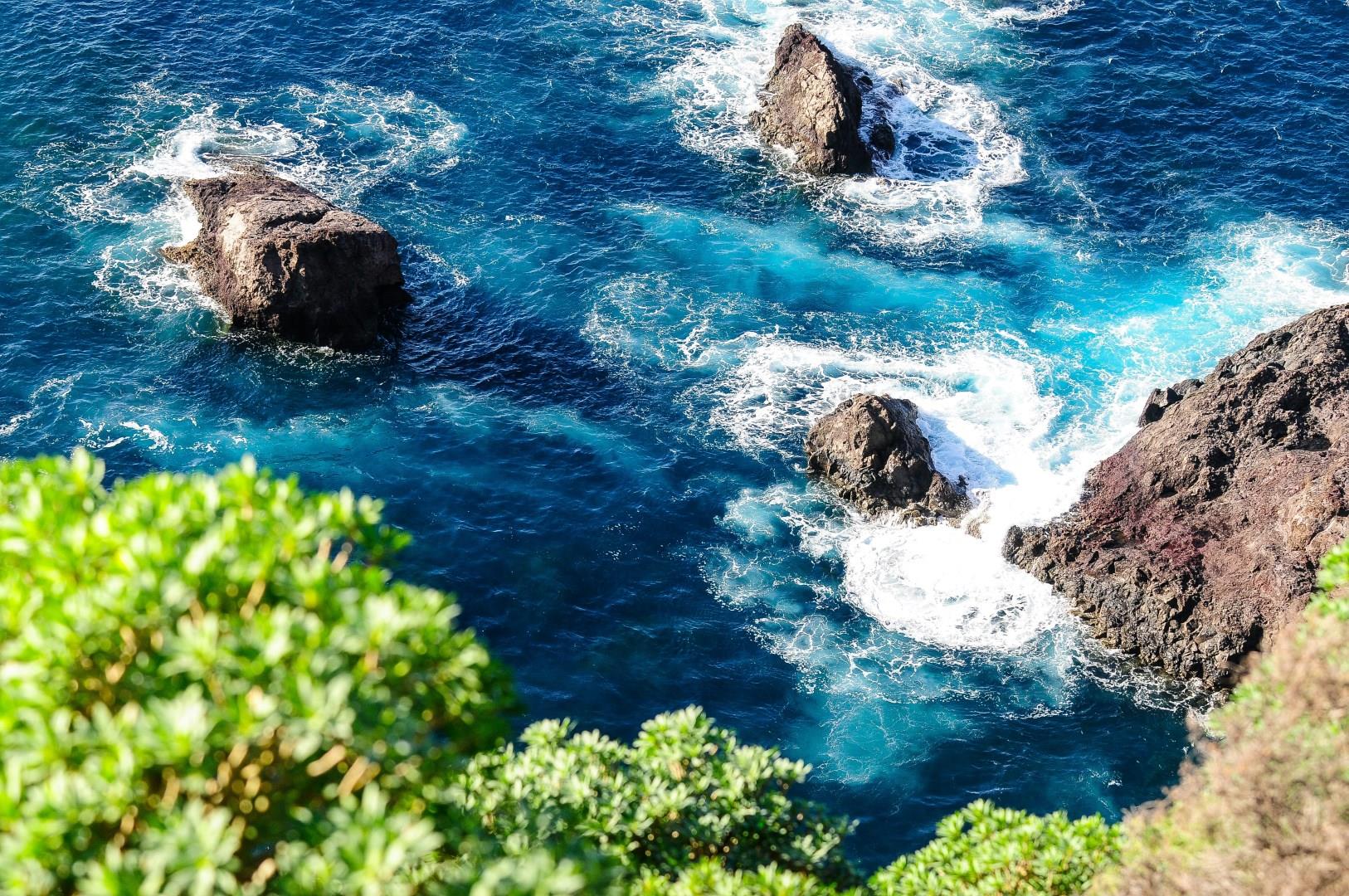
La Palma (also San Miguel de La Palma) is the fifth of Spain's Canary Islands. This mountainous volcanic island is a natural wonder of tropical vegetation. Its coast is lined by jagged cliffs and plunging ravines, and its beaches are covered with black sand. Thanks to dry climate and the height of its mountains creating excellent observation conditions, La Palma has become the home of some of the world's largest telescopes, seated on the rocky ridge called El Roque de los Muchachos.

Photo Credit: Photo by Fabien BELLANGER on Unsplash
Photo Credit: Photo by Nathalie Lays on Unsplash
Photo Credit: Photo by Nicolas Cortois on Unsplash
Nestled in the heart of Namibia, Otjiwarongo offers a unique blend of natural beauty and cultural charm. As a gateway to the country's northern wildlife reserves, this vibrant city serves as an ideal base for exploring nearby attractions. The city is renowned for its proximity to the Cheetah Conservation Fund (CCF), a world-leading organization dedicated to the protection of these magnificent creatures. Visitors can enjoy guided tours of the CCF, where they’ll learn about cheetah conservation efforts and witness these elegant animals up close.
Otjiwarongo is also celebrated for its warm hospitality and inviting atmosphere. The city’s local markets and eateries provide a taste of Namibian culture, with fresh produce and traditional dishes on offer. Not far from the city, the Otjiwa Safari Lodge offers luxurious accommodations and safari experiences that cater to both relaxation and adventure, allowing visitors to immerse themselves in the surrounding wildlife.
In addition to its wildlife attractions, Otjiwarongo boasts scenic landscapes that are perfect for outdoor enthusiasts. The nearby Waterberg Plateau, a protected area with rich biodiversity, offers hiking trails and panoramic views of the Namibian countryside. The plateau is a refuge for rare species and provides an excellent setting for birdwatching and nature walks.
Fun fact: The name "Otjiwarongo" means "pleasant place" in the Herero language, reflecting the city’s reputation for its friendly and welcoming atmosphere.
Other Popular Destinations in Namibia
Etosha National Park
Etosha National Park, located in northern Namibia, is one of Africa’s most renowned wildlife destinations. Covering nearly 8,500 square miles, it is centered around the Etosha Pan, a massive salt flat that can be seen from space. During the dry season, animals gather around waterholes, creating spectacular wildlife viewing opportunities that attract visitors from around the world.
Swakopmund
Swakopmund, on Namibia’s Atlantic coast, is a town where desert meets ocean in striking contrast. Founded by German colonists in the late 19th century, its streets are lined with colonial-era buildings painted in pastel colors, giving the town a distinctly European feel.