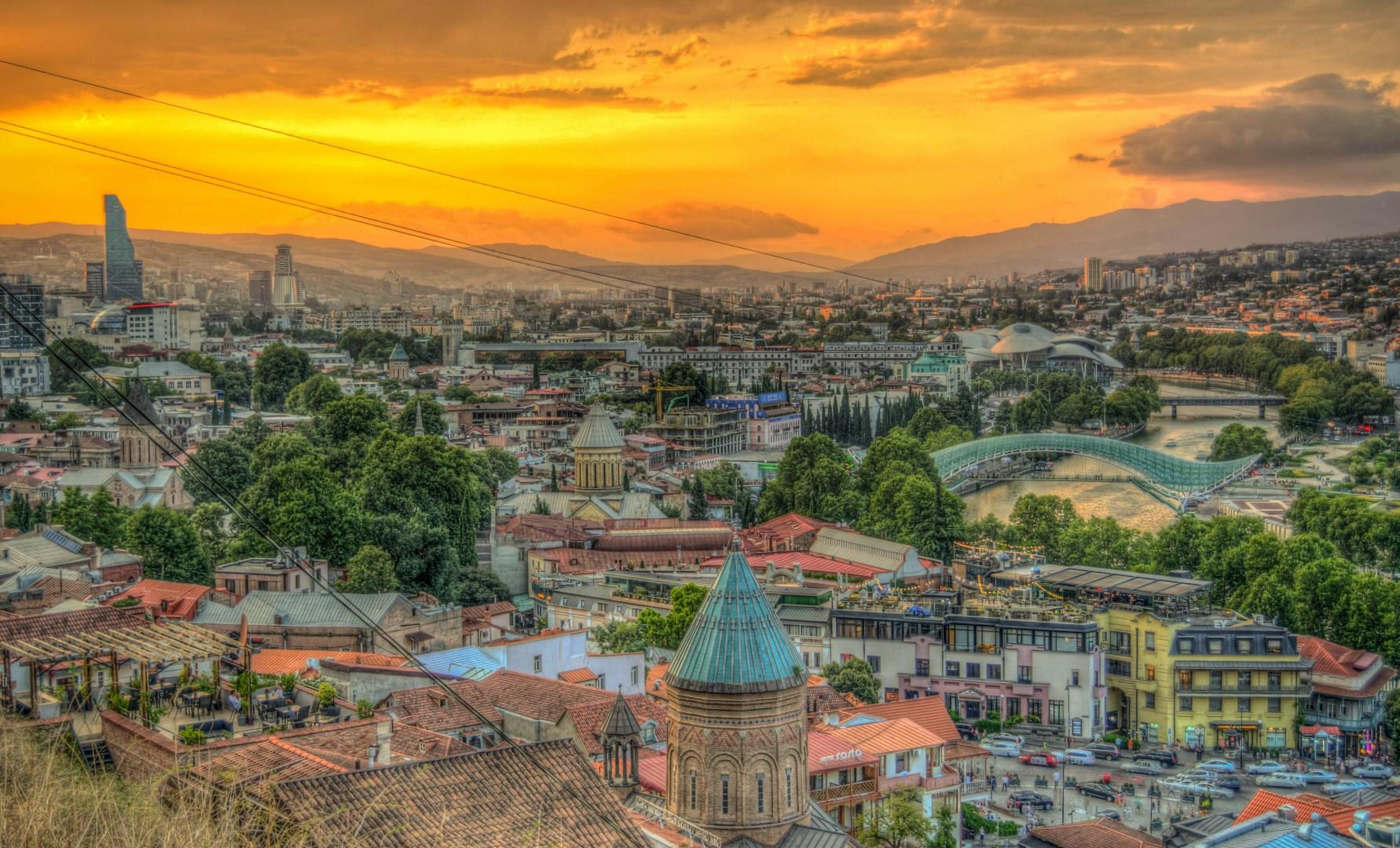
Tbilisi, the capital of Georgia, is a city where tradition and modern life blend seamlessly. Set along the banks of the Kura River and surrounded by hills, its layout reflects centuries of change and cultural exchange. The Old Town, with its cobbled lanes and wooden balconies, is a living museum of architecture, showcasing influences from Persian, Ottoman, and Russian eras. Above it all, the Narikala Fortress stands watch, offering sweeping views of the city below.
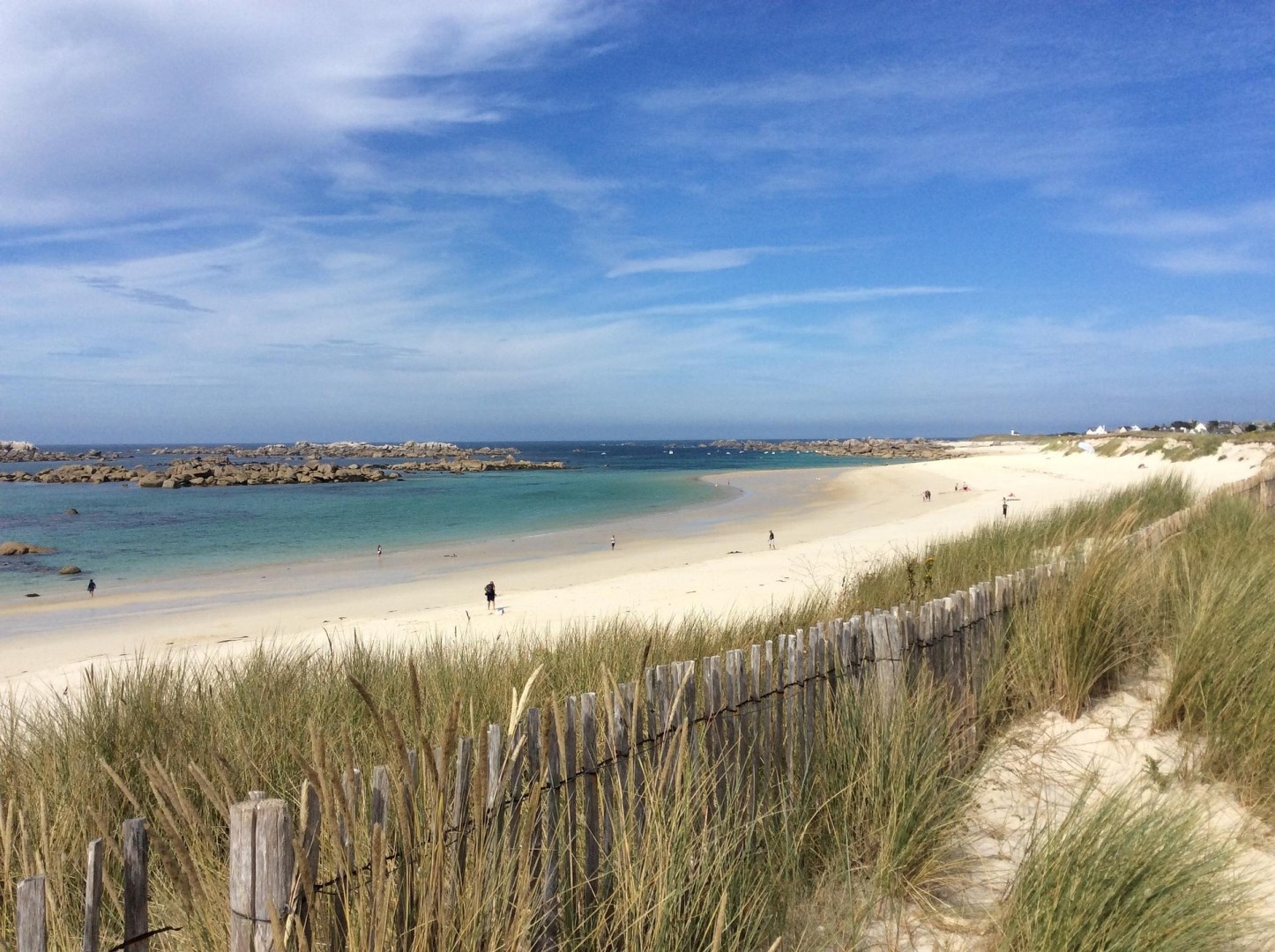
Brittany is a region in northwestern France defined by a long Atlantic coastline, historic towns, fishing ports, farmland, and a strong regional identity. Its landscape ranges from sandy beaches and rocky headlands to tidal estuaries, islands, and inland forests. Cities such as Rennes, Saint-Malo, and Vannes provide different perspectives on Breton life, while smaller places such as Dinan, Locronan, and Rochefort-en-Terre preserve traditional architecture.
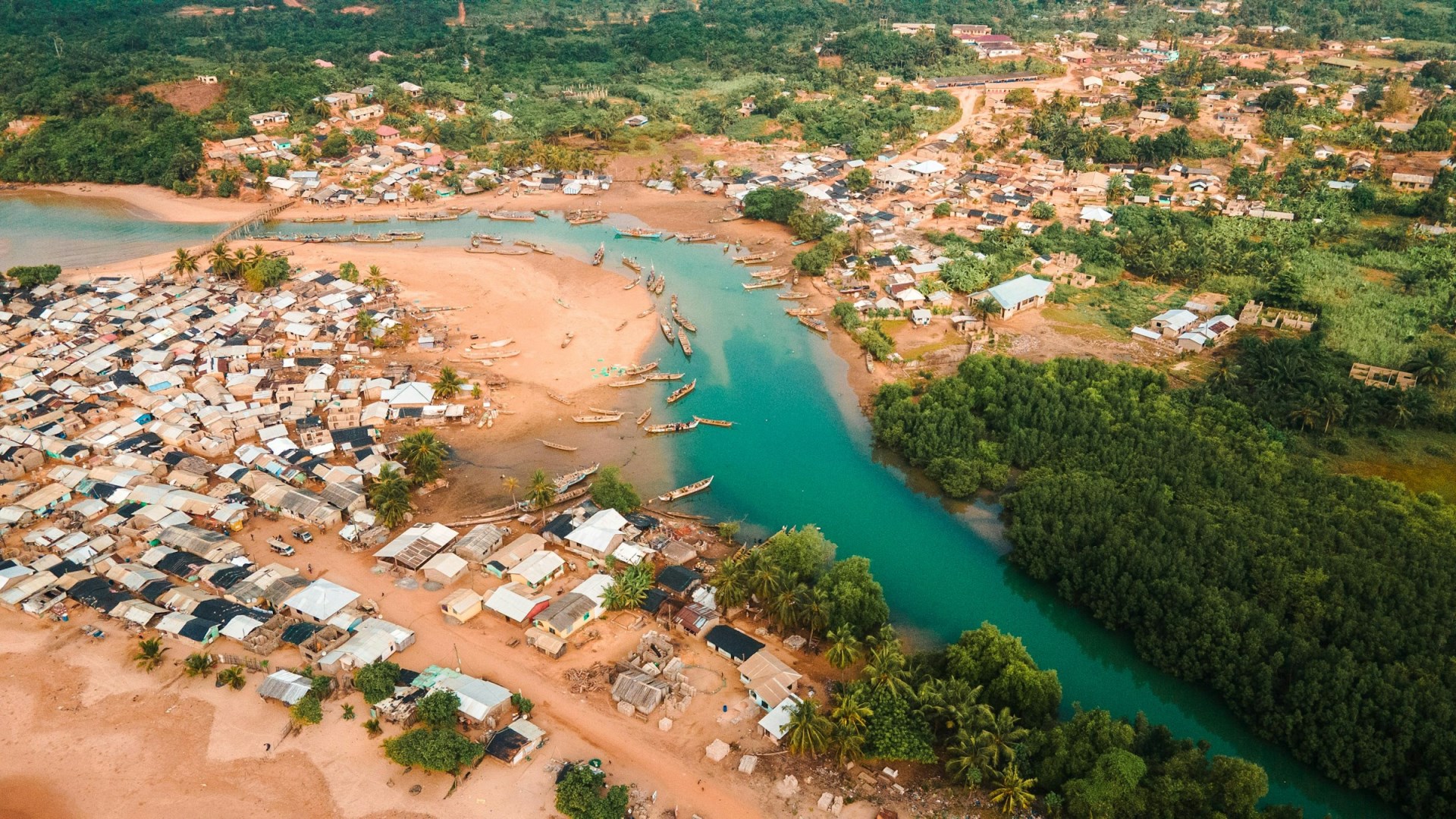
Akwidaa is a small coastal settlement in Ghana’s Western Region, located where the Atlantic Ocean meets a landscape of sandy beaches, lagoons, wetlands, and tropical vegetation. The village lies near the mouth of the Tano River and close to Cape Three Points, Ghana’s westernmost coastal area. Its surroundings remain relatively rural, with fishing and small-scale farming forming important parts of local life.
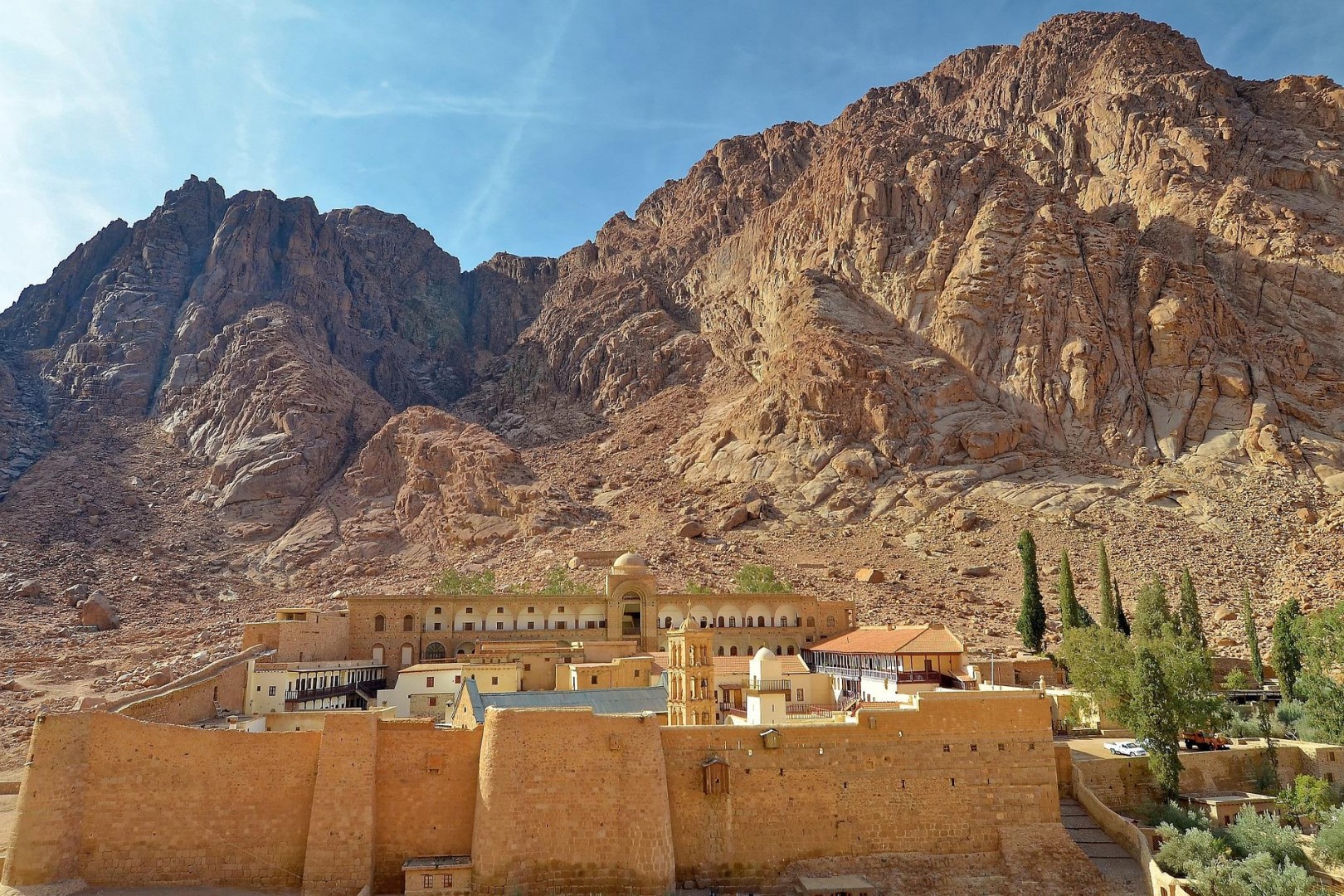
St. Catherine's Monastery, nestled at the foot of Mount Sinai in Egypt, is a beacon of historical and spiritual significance. Founded in the 6th century by Emperor Justinian, this ancient monastery is one of the world's oldest continuously operating Christian monasteries and is a UNESCO World Heritage Site.

Hanalei is located on the North central coast of Kauai Island. Near the head of Hanalei Bay, the village is in scenic and fertile Hanalei or Hanohano Valley, one of the states few rice producing regions.

Photo Credit: Photo by Fabien BELLANGER on Unsplash
Photo Credit: Photo by Nathalie Lays on Unsplash
Photo Credit: Photo by Nicolas Cortois on Unsplash
Nestled in the heart of Namibia, Otjiwarongo offers a unique blend of natural beauty and cultural charm. As a gateway to the country's northern wildlife reserves, this vibrant city serves as an ideal base for exploring nearby attractions. The city is renowned for its proximity to the Cheetah Conservation Fund (CCF), a world-leading organization dedicated to the protection of these magnificent creatures. Visitors can enjoy guided tours of the CCF, where they’ll learn about cheetah conservation efforts and witness these elegant animals up close.
Otjiwarongo is also celebrated for its warm hospitality and inviting atmosphere. The city’s local markets and eateries provide a taste of Namibian culture, with fresh produce and traditional dishes on offer. Not far from the city, the Otjiwa Safari Lodge offers luxurious accommodations and safari experiences that cater to both relaxation and adventure, allowing visitors to immerse themselves in the surrounding wildlife.
In addition to its wildlife attractions, Otjiwarongo boasts scenic landscapes that are perfect for outdoor enthusiasts. The nearby Waterberg Plateau, a protected area with rich biodiversity, offers hiking trails and panoramic views of the Namibian countryside. The plateau is a refuge for rare species and provides an excellent setting for birdwatching and nature walks.
Fun fact: The name "Otjiwarongo" means "pleasant place" in the Herero language, reflecting the city’s reputation for its friendly and welcoming atmosphere.
Other Popular Destinations in Namibia
Etosha National Park
Etosha National Park, located in northern Namibia, is one of Africa’s most renowned wildlife destinations. Covering nearly 8,500 square miles, it is centered around the Etosha Pan, a massive salt flat that can be seen from space. During the dry season, animals gather around waterholes, creating spectacular wildlife viewing opportunities that attract visitors from around the world.
Swakopmund
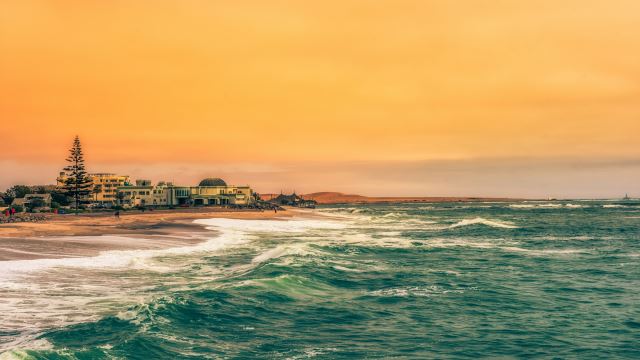
Swakopmund, on Namibia’s Atlantic coast, is a town where desert meets ocean in striking contrast. Founded by German colonists in the late 19th century, its streets are lined with colonial-era buildings painted in pastel colors, giving the town a distinctly European feel.