Coeur d'Alene
Coeur d'Alene is a lakefront resort community in one of the prettiest settings in the West. Located in northern Idaho, the region is defined by blue skies, sparkling water and pine-forested mountains
Himarë
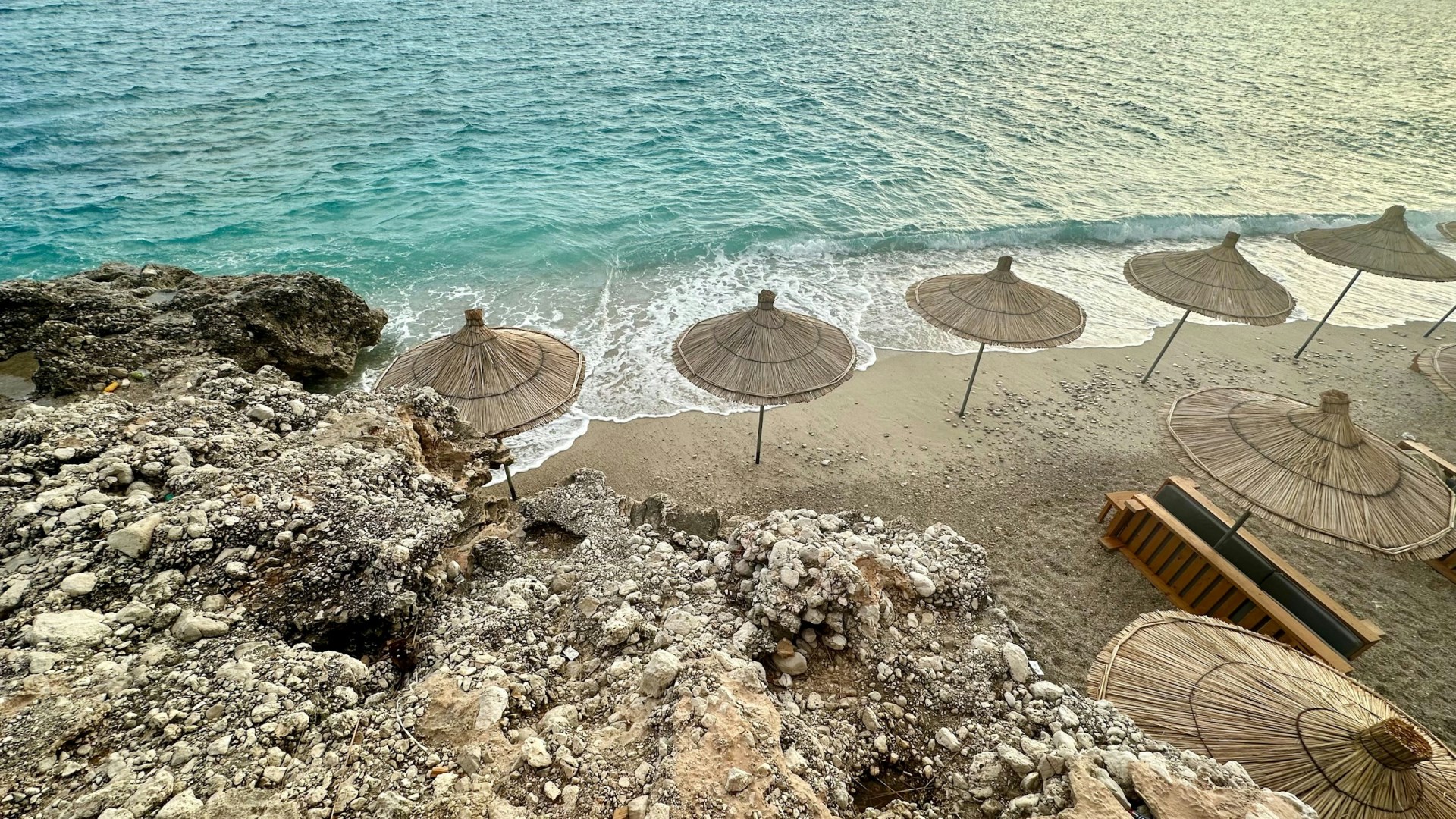
Himare is a coastal town in southern Albania, set along the Ionian Sea between steep mountains and a series of beaches, coves, and rocky headlands. The town is part of the Albanian Riviera and combines a modern waterfront with the older settlement of Himara on a hill above the coast. Olive and citrus trees grow across the surrounding slopes, while the sea shapes much of daily life and local recreation.

Austin
The capital of Texas, Austin is located in the south-central area. It was named the capital of the Republic of Texas in 1839. The main campus of the University of Texas is located here, founded in 1881.
Trévani
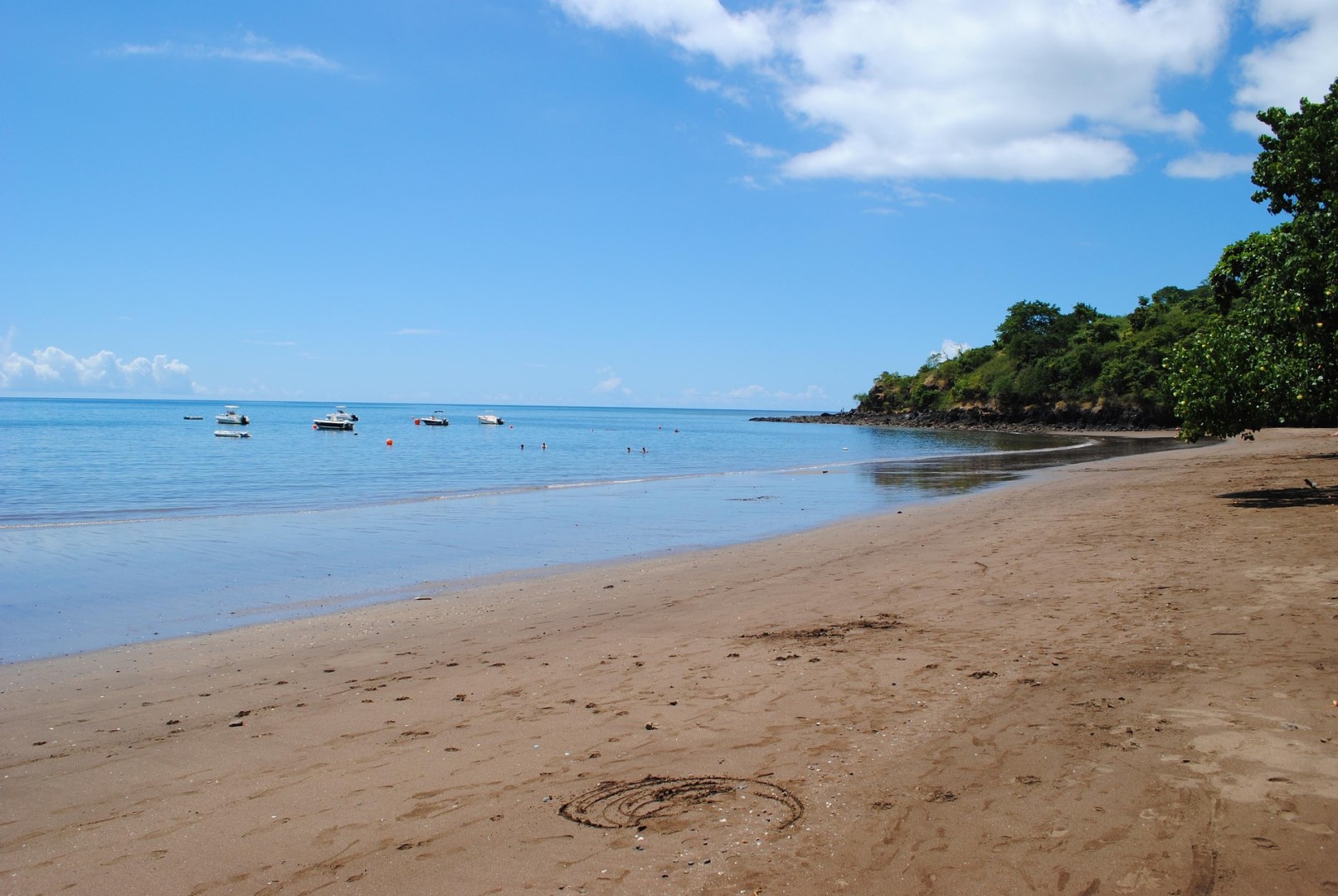
Trévani is a coastal village on the northern side of Mayotte’s Grande-Terre, facing the island’s large lagoon. It is part of the commune of Koungou and is known for its waterfront setting, tropical vegetation, and access to the sea. The village sits near a sheltered bay where the coast curves around shallow lagoon waters, creating a landscape closely connected to fishing and marine activities.
Divundu
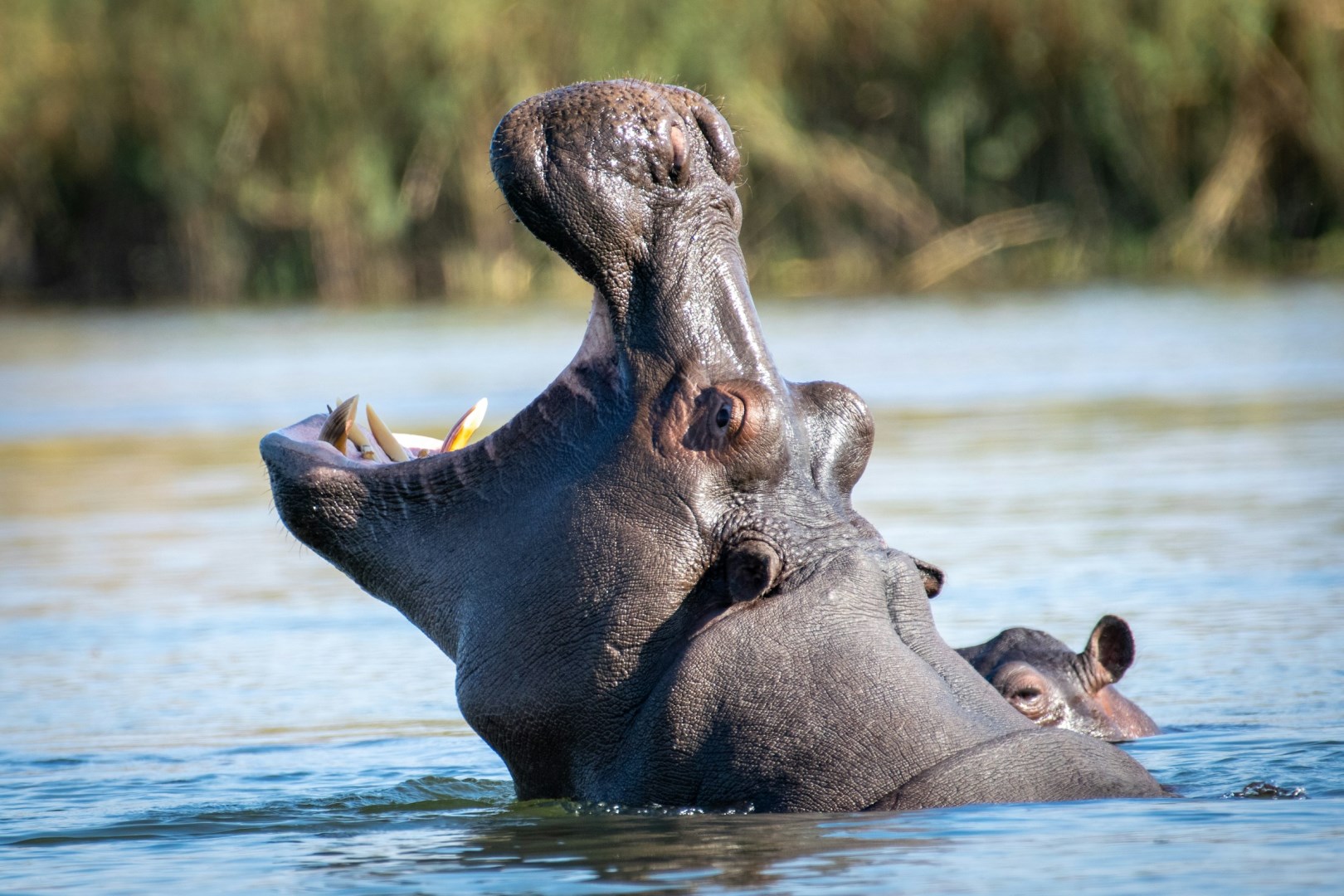
Divundu is a small settlement in northeastern Namibia, situated along the Kavango River near the western entrance to the Bwabwata National Park. The river creates a green corridor through a region otherwise dominated by dry woodland and sandy plains. Divundu is an important stopping point between Rundu and Katima Mulilo and serves as a gateway to several wildlife and cultural sites in the Kavango and Zambezi regions.