Dominica
Dominica, known as the “Nature Island of the Caribbean,” is a haven for eco-tourists and adventure seekers. Nestled between the French islands of Guadeloupe and Martinique, this lush island boasts a remarkable landscape of volcanic mountains, dense rainforests, and stunning waterfalls. Dominica’s most iconic natural wonder is the Boiling Lake, the second-largest hot spring in the world.
Cayenne
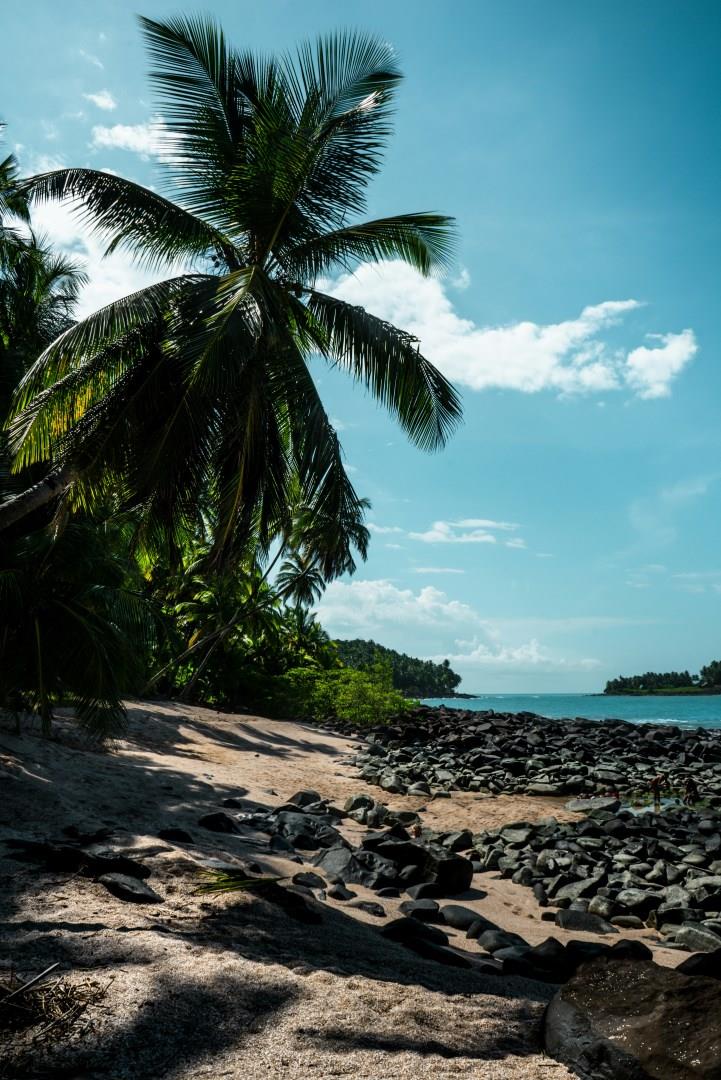
Cayenne, the lively capital of French Guiana, sits where the Cayenne River meets the Atlantic Ocean, blending South American rhythms with French-Caribbean influence. While it's officially part of France, Cayenne feels worlds away from Paris, with colorful markets, colonial architecture, and a language mix that includes French, Creole, Portuguese, and Indigenous dialects.
Nazare
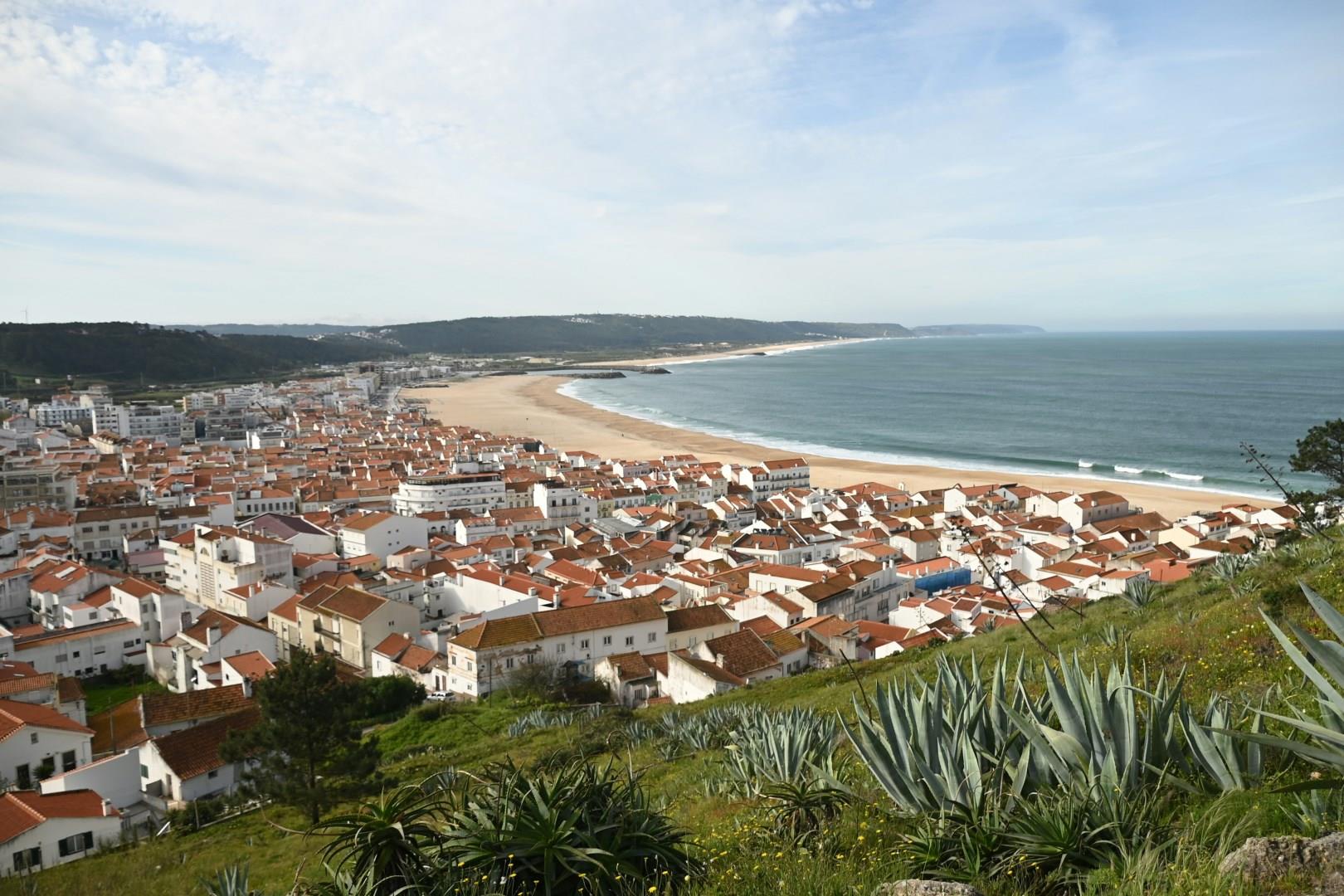
Nazaré, set along Portugal’s wild Atlantic coast, is a fishing town transformed into one of the world’s most dramatic surf destinations. Its identity is deeply tied to the sea, both in its centuries-old maritime traditions and in the awe-inspiring waves that now draw visitors from around the globe.
Paxi
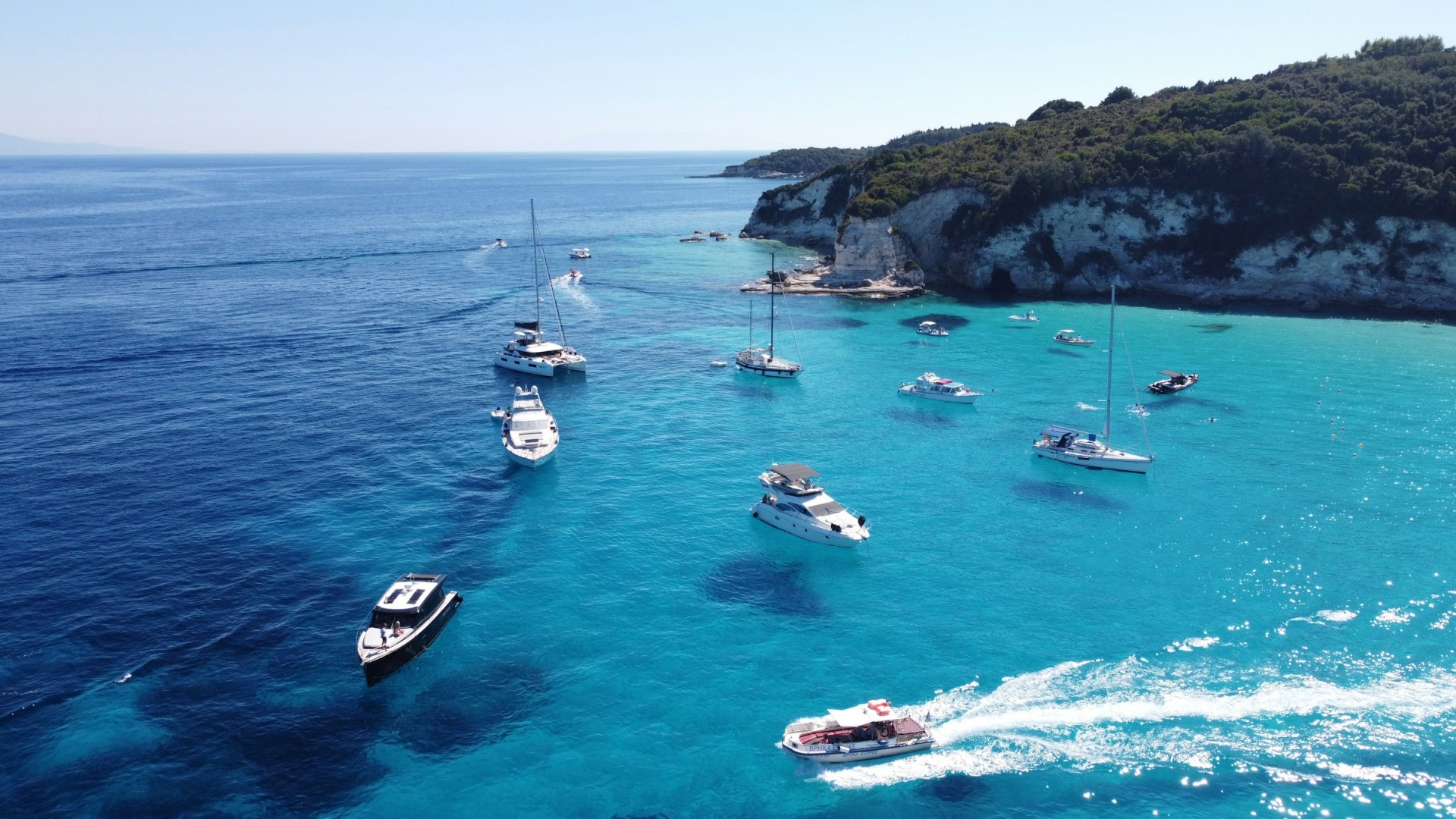
Paxi, also known as Paxos, is a small Ionian island south of Corfu, known for dense olive groves, sheltered harbours, limestone cliffs, and clear coastal waters. The island’s main settlement, Gaios, surrounds a protected harbour formed by the islets of Agios Nikolaos and Panagia, while Lakka and Loggos provide two smaller waterfront villages.
La Paz
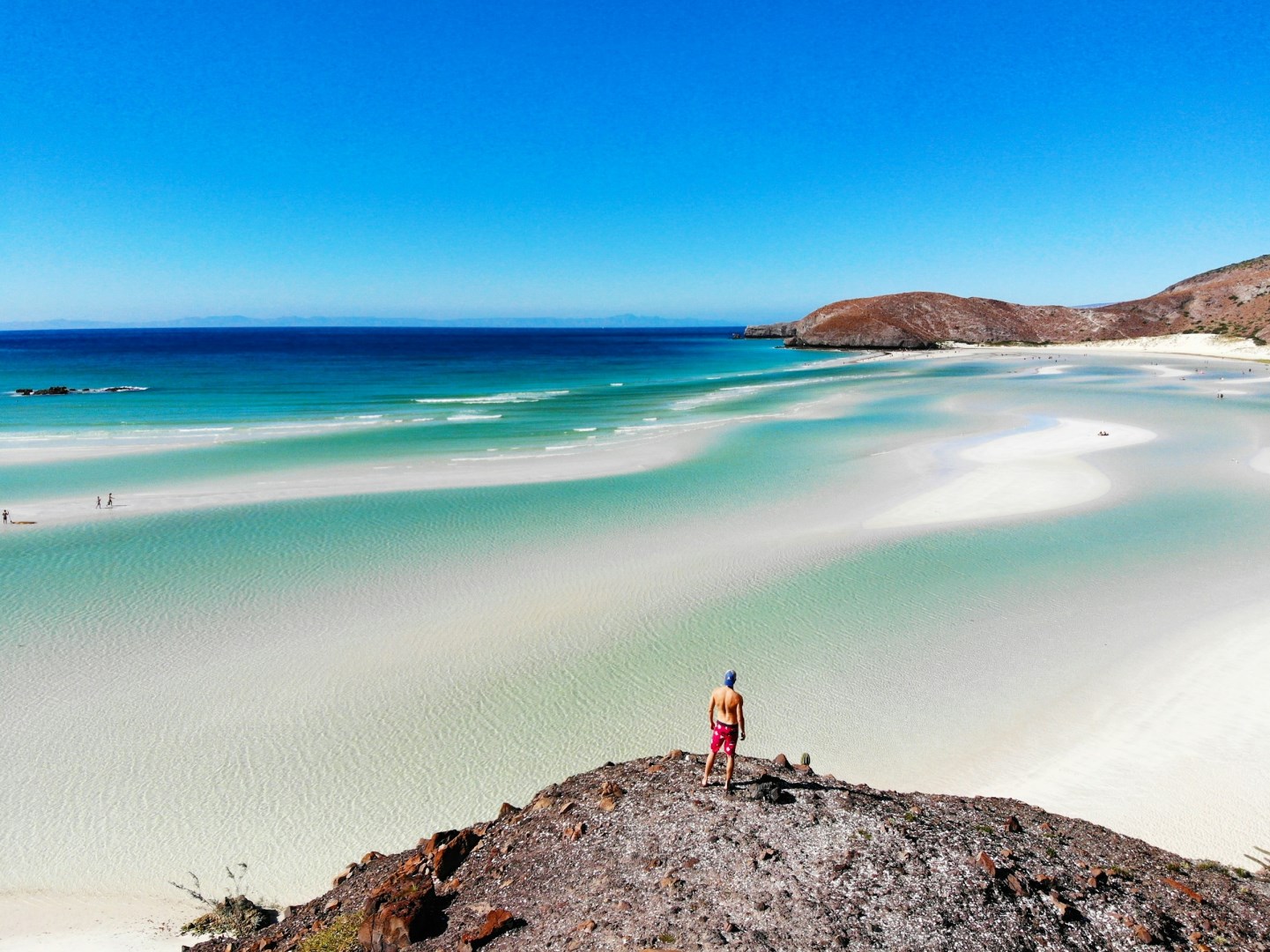
Located on the Baja Peninsula of Mexico, below California. La Paz is famous for its fishing.