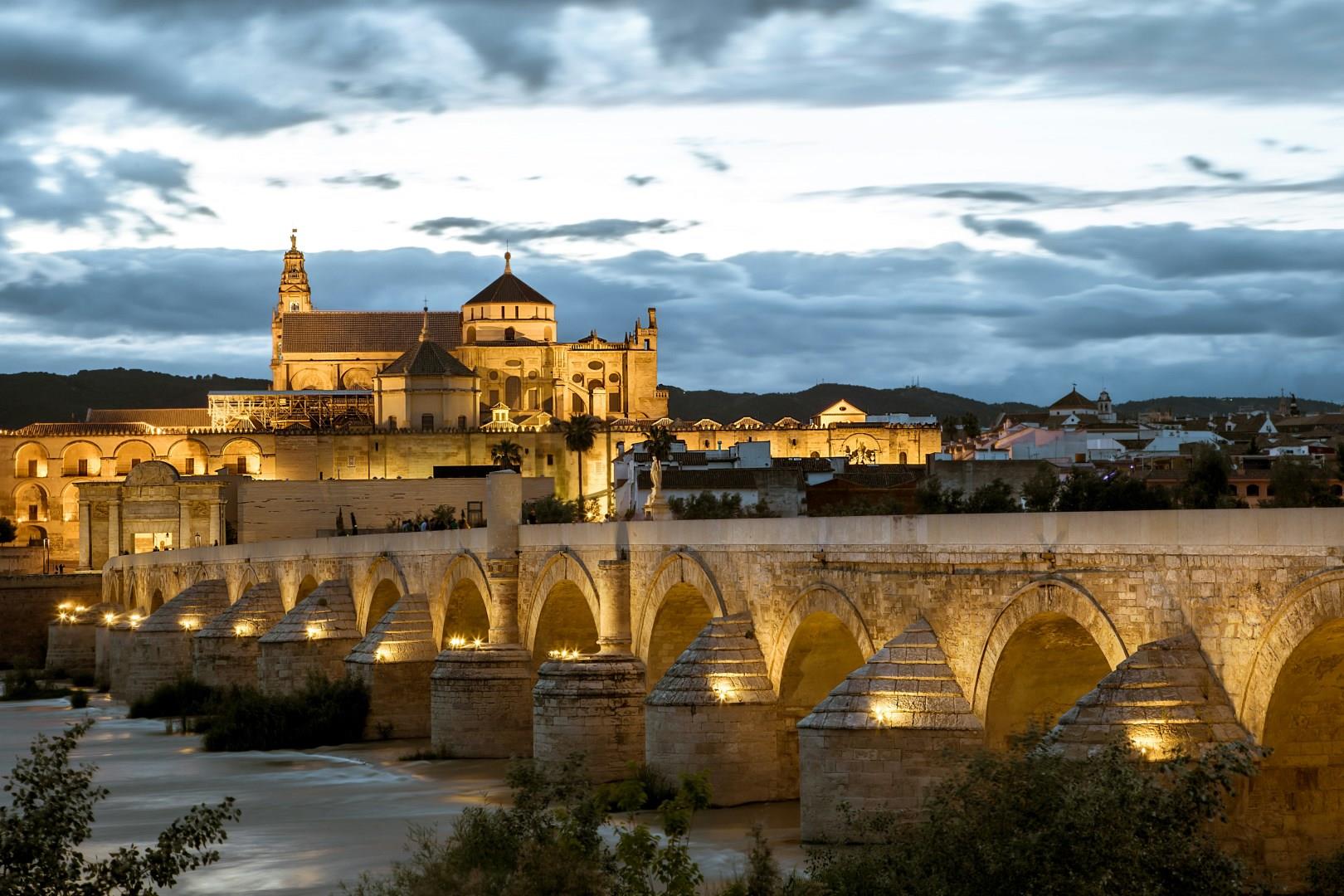
Córdoba
Córdoba, located in the heart of Andalusia, was once the most advanced city in Western Europe. During the 10th century, it served as the capital of Al-Andalus and was a center for learning, science, and art. Today, visitors walk the same streets that philosophers, poets, and physicians once crossed. The city’s most famous landmark, the Mezquita-Catedral, reflects its layered past. The red and white horseshoe arches inside are one of the most photographed interiors in Spain.
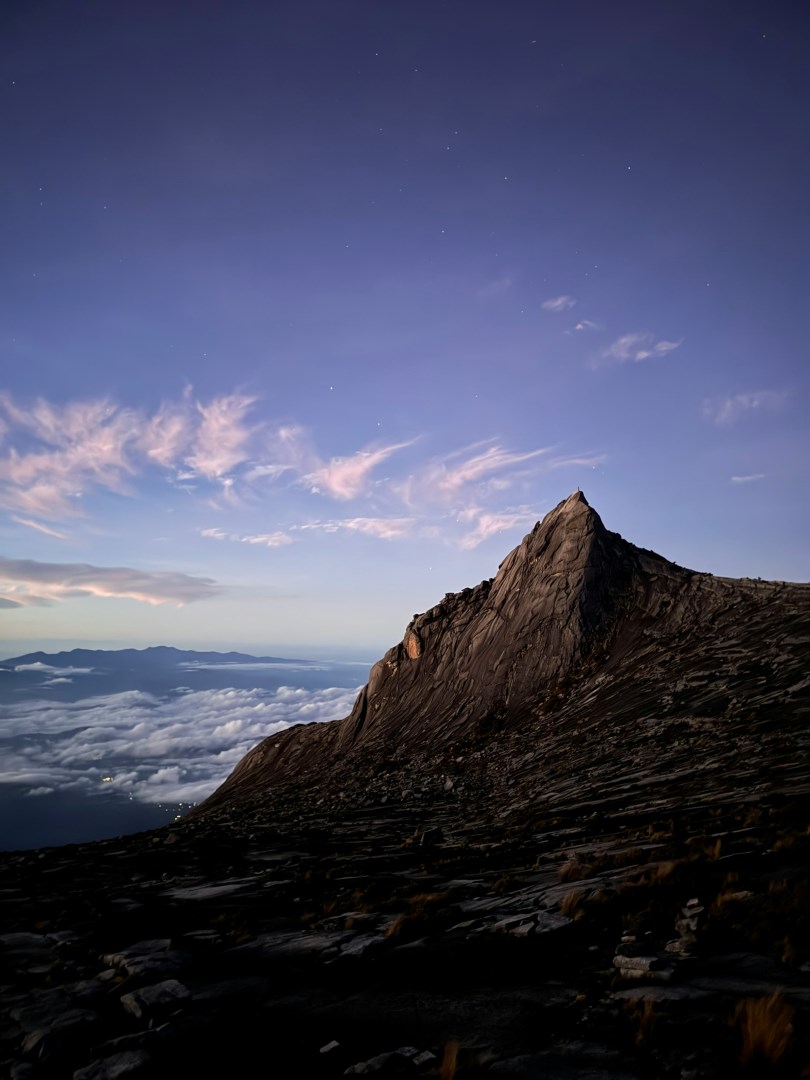
Mount Kinabalu
Scenic grandeur and fascinating wildlife are the main attraction in Sabah. Inland, Mt. Kinabalu is one of the main attractions as the highest point in Malaysia. It's also one of the easiest mountains in the world to climb and views are breathtaking.
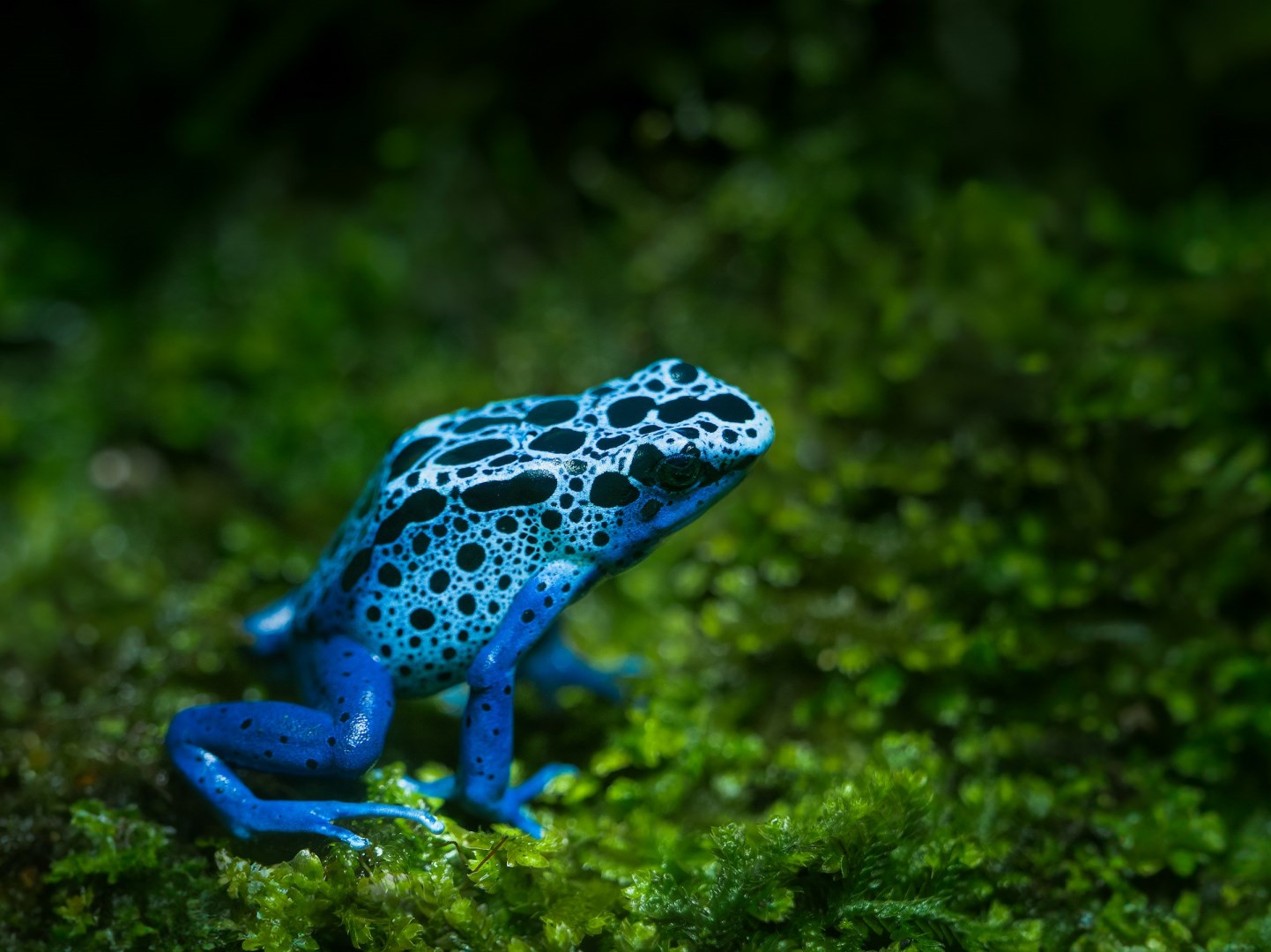
Suriname
Suriname’s forests cover more than nine‑tenths of the country and house an astounding array of wildlife. The Central Suriname Nature Reserve, one of the largest rainforest sanctuaries on Earth, shelters jaguars, giant river otters, and hundreds of bird species. Nearer the capital, Brownsberg Nature Park offers forest trails and waterfalls amid 1,450 plant and 350 bird species, just a short drive from Paramaribo.

Ica
Ica is a city in southern Peru, located in a fertile valley surrounded by the dry coastal desert. The city is the capital of the Ica Region and an important center for agriculture, wine, and pisco production. Its setting is distinctive because irrigated fields and vineyards lie close to extensive sand dunes. The nearby Huacachina oasis, about five kilometers from the city center, is one of the region’s best-known landmarks, with a lagoon surrounded by palms, huarangos, restaurants, and high dune
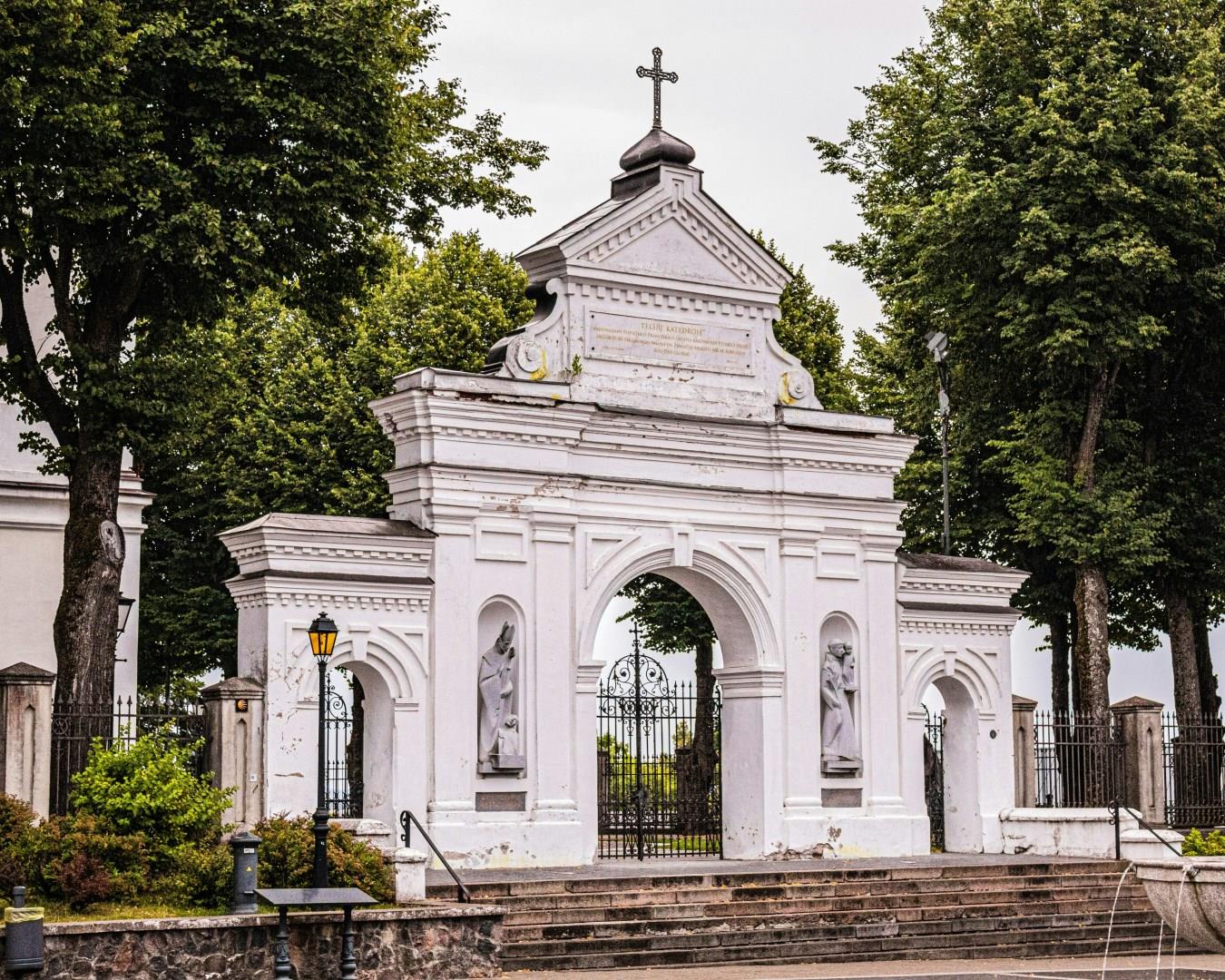
Telšiai
Telšiai, often called the capital of Lithuania’s Samogitia region, offers visitors a deep dive into a unique cultural heritage paired with striking natural settings. The town is set on the shores of Lake Mastis, where the reflections of historic buildings and lush forests create a calm and inviting atmosphere. Telšiai’s old market square bustles with life and is home to some of the town’s most notable landmarks, including the Neo-Gothic St. Anthony of Padua Cathedral.