Sweden
Sweden is a country where medieval towns, coastal archipelagos, and expansive forests sit side by side with modern design and a strong cultural identity. Stockholm, the capital, is built across 14 islands connected by bridges and ferries. The historic district of Gamla Stan features narrow, cobbled streets and colorful buildings dating back to the 13th century.
Petersburg
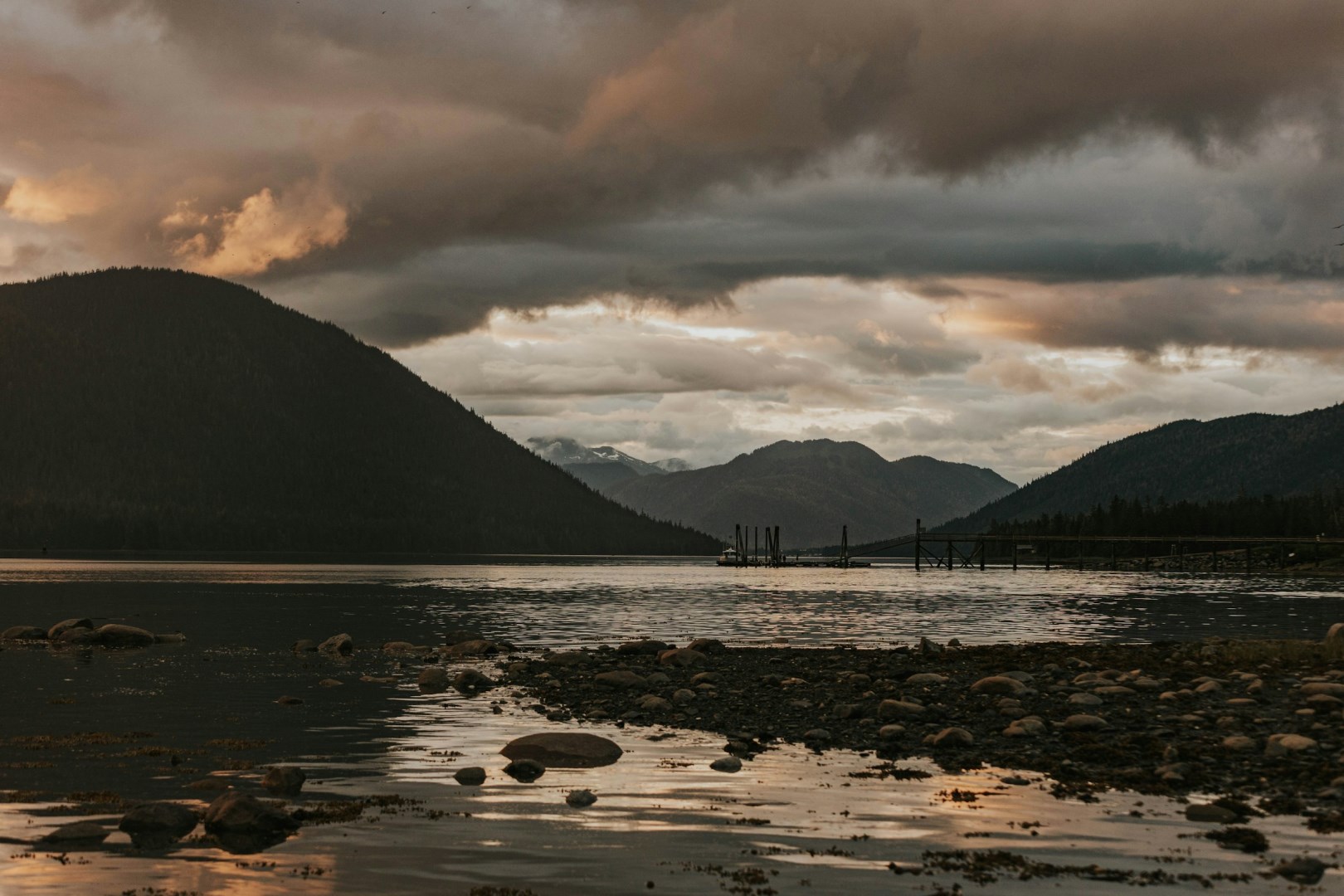
Petersburg, Alaska sits on Mitkof Island in Southeast Alaska, where ocean channels and forested mountains shape everyday life. The town looks out over the Wrangell Narrows, a narrow water route so winding that boats often follow a carefully timed path to pass through. Wooden docks line the waterfront, and fishing boats are a constant sight, reflecting how closely the town is tied to the sea and seasonal harvests.
Rennes
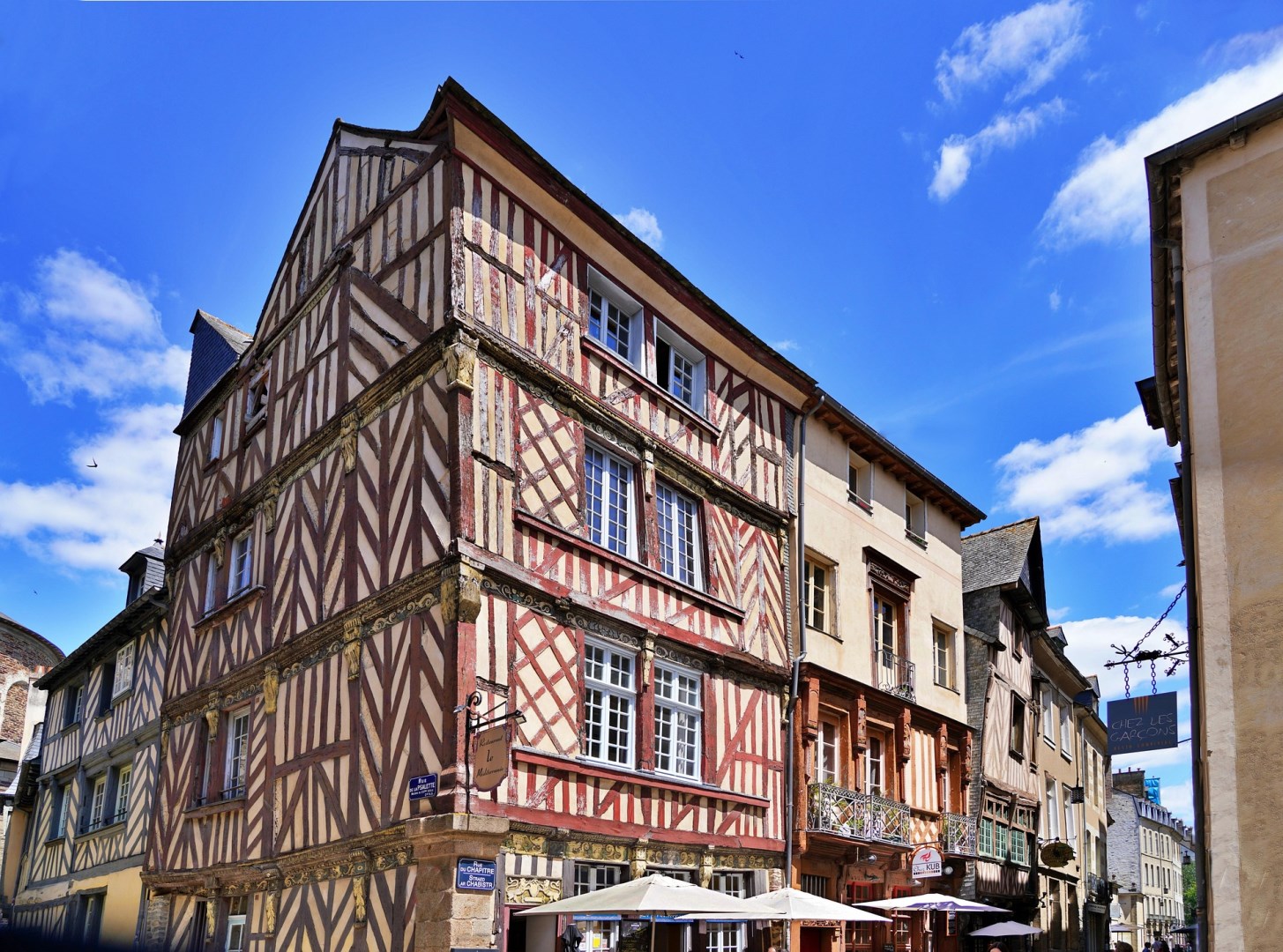
Ancient capital of Brittany, it was nearly destroyed by fire in 1720. Today it is known as an intellectural center with its famous Rennes University.
Nyabarongo
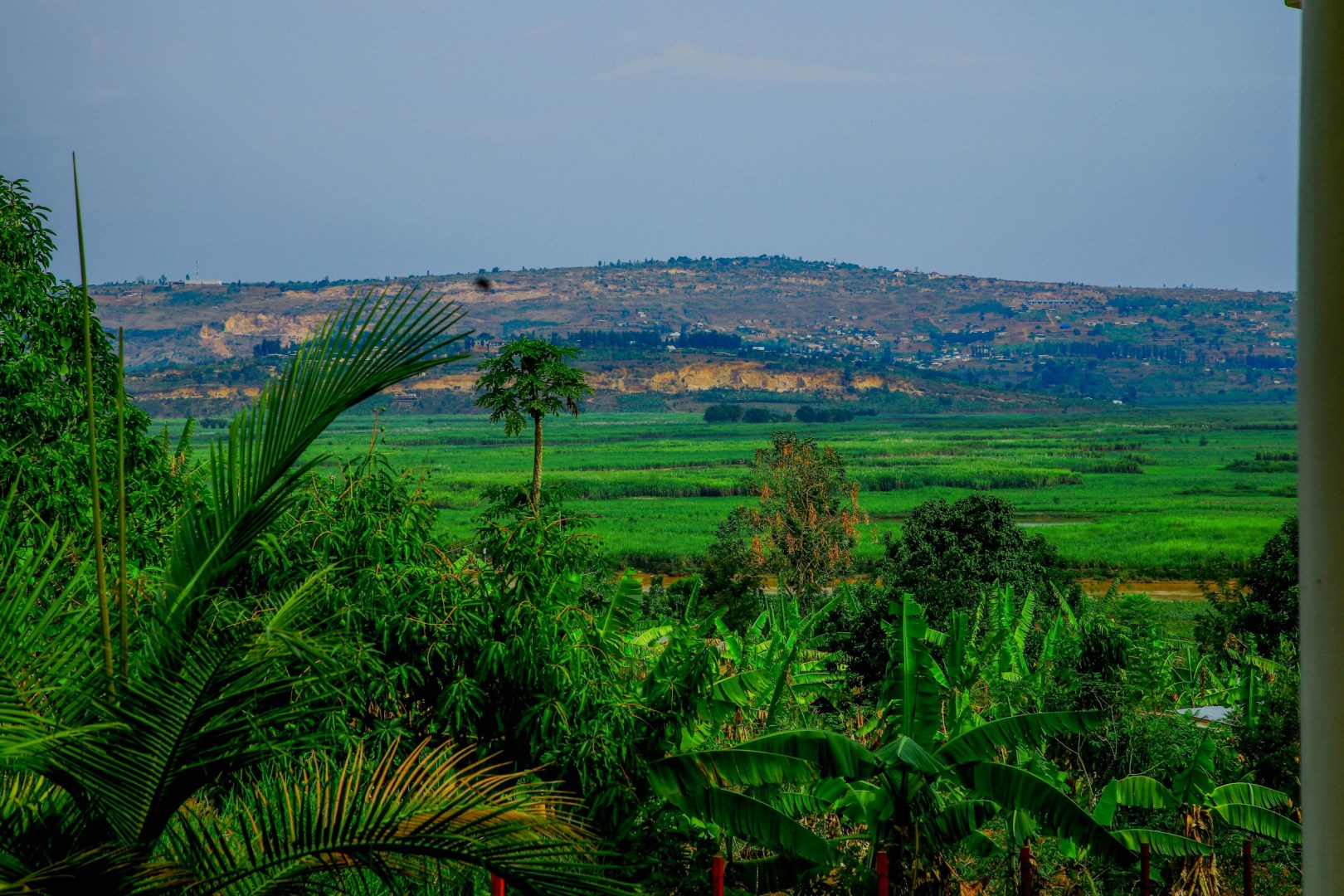
Nyabarongo is one of Rwanda’s principal rivers, flowing through the country’s central and southern landscapes and forming an important part of the Nile River basin.
Nanjing
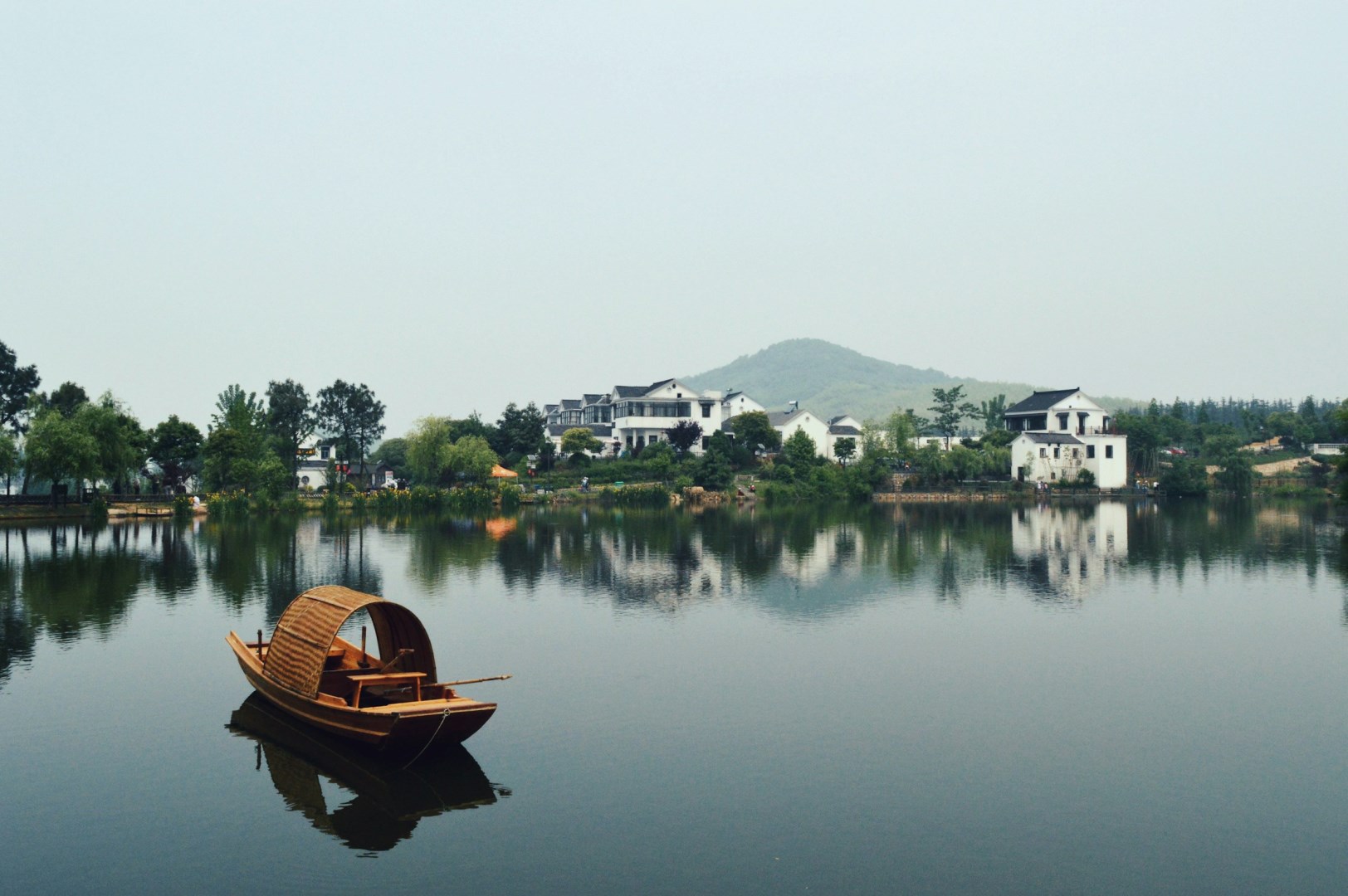
This is a city one could get lost in for days, exploring the old Ming Dynasty walls and wandering through its superb museum. If time permits, you should also take a walk through Linggu Park, home of the Linggu Pagoda and other items of Buddhist interest. Even just a casual walk through the streets-replete with food vendors and baskets of live geese-will help convey the unique flavor of this city.