Toledo
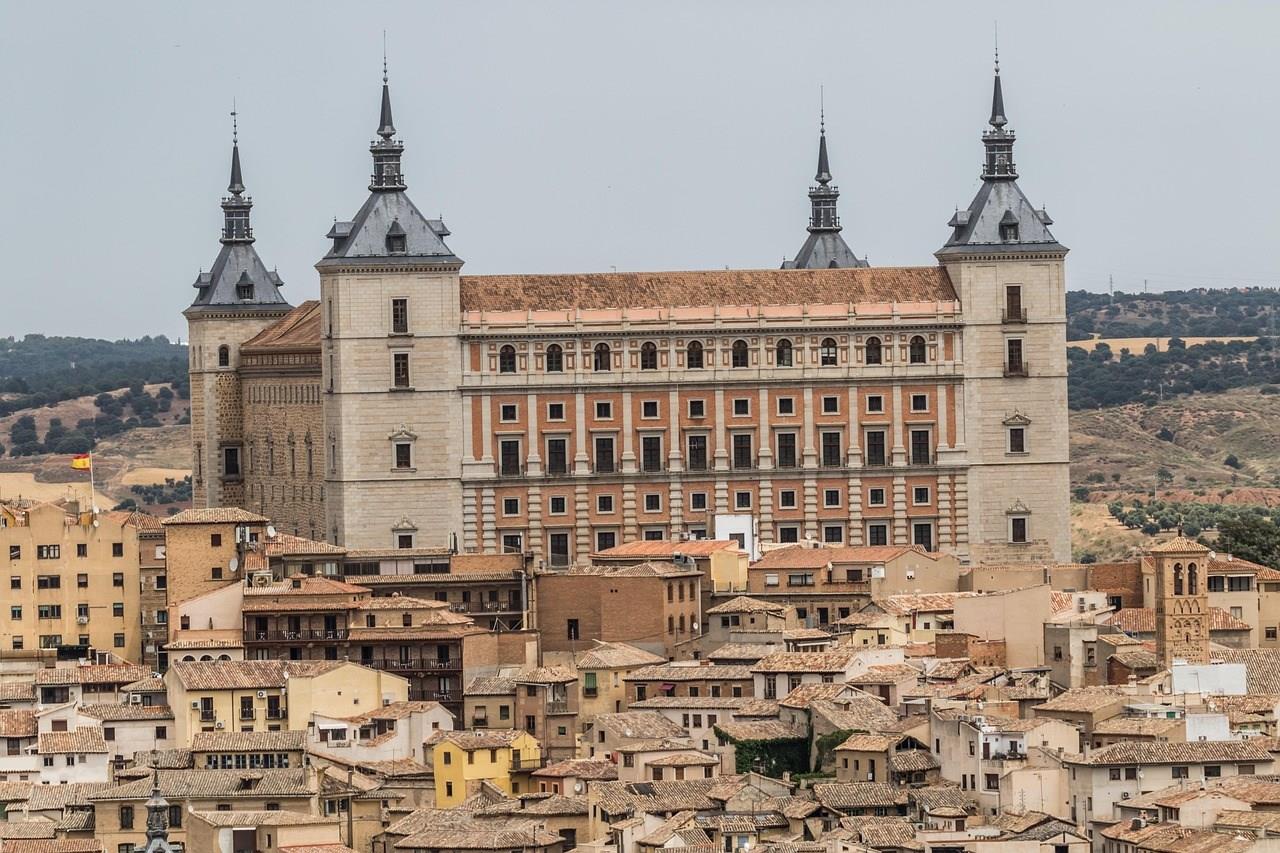
Toledo, high above the Tagus River in central Spain, is a city where layers of history are visible around every corner. For centuries it was an important Roman settlement, a Visigothic capital, and later a stronghold during the medieval Christian reconquest, before becoming the seat of royal power and a crossroads of cultures. Because of this long span of stories and architectural richness, the whole old town has been recognized as a UNESCO World Heritage Site.
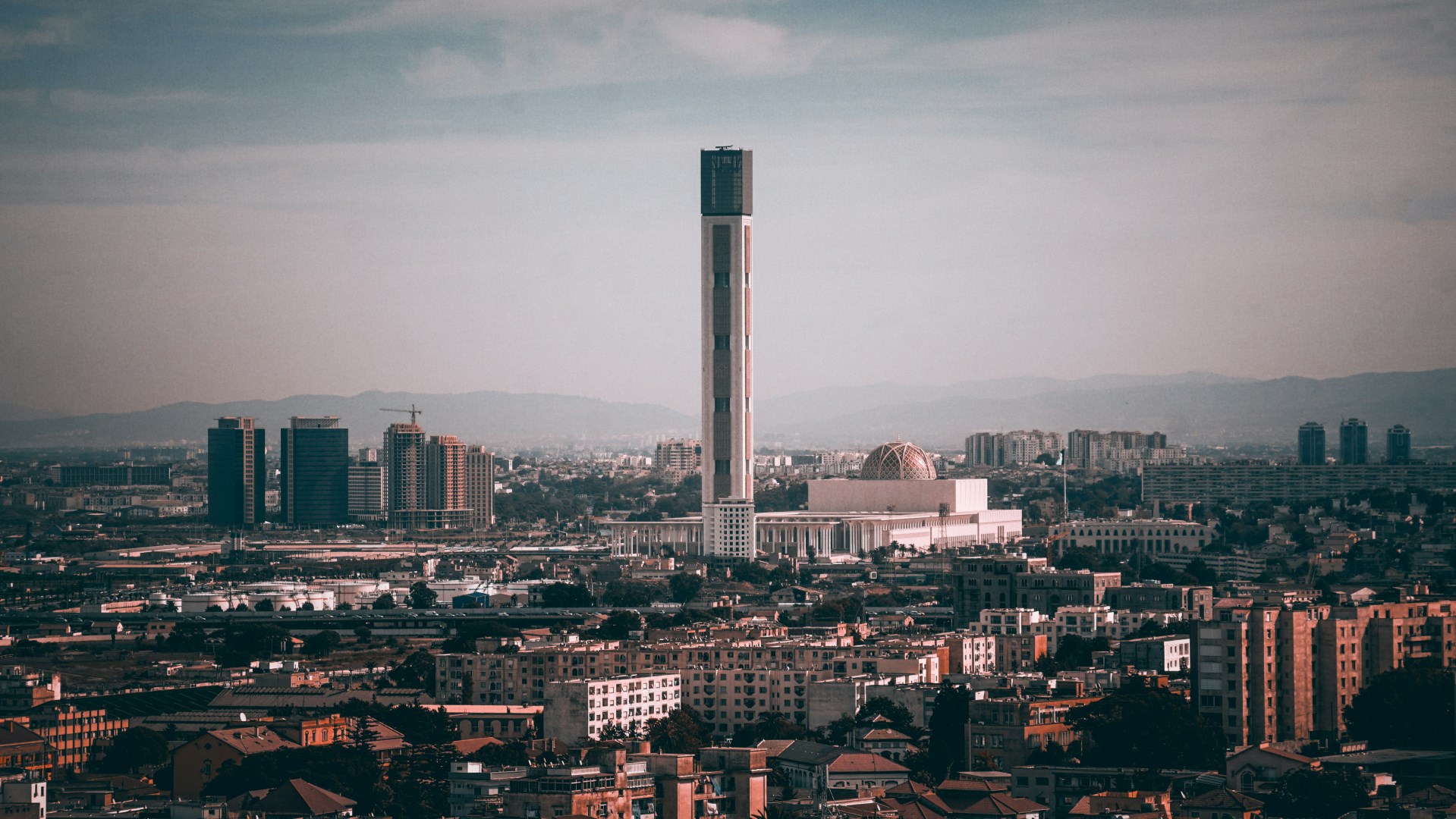
Algeria
Algeria, the largest country in Africa, offers a travel experience that’s both surprising and unforgettable. From the Mediterranean coastline to the vast expanse of the Sahara Desert, the country is full of contrast and color. In Algiers, visitors can wander the narrow lanes of the Casbah, a UNESCO World Heritage site filled with Ottoman palaces, secret stairways, and local life echoing centuries of history.
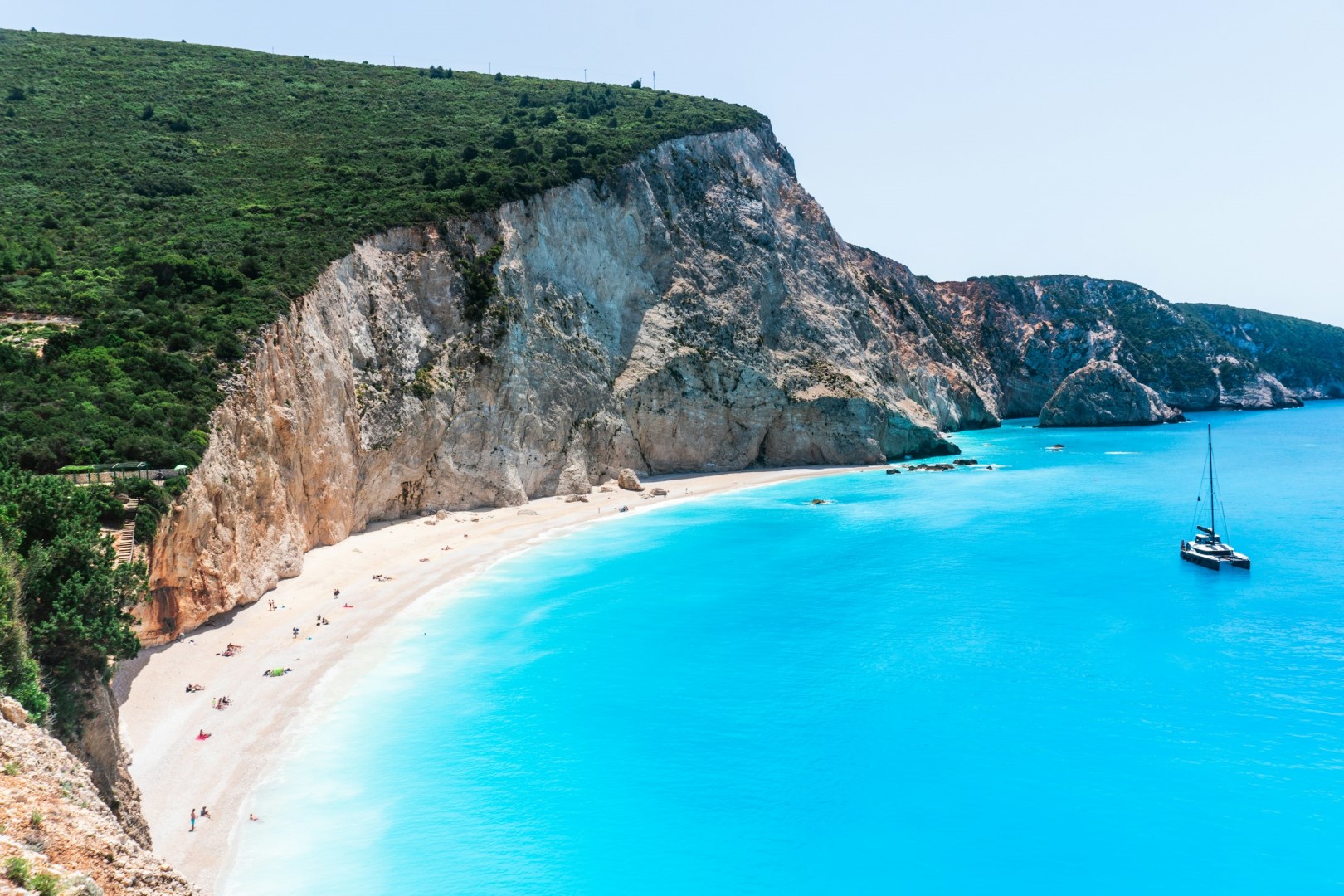
Lefkada
Lefkada, an island in the Ionian Sea, is renowned for its stunning natural beauty and vibrant local culture. Connected to the mainland by a bridge, this Greek island offers a unique blend of sandy beaches, lush landscapes, and charming towns. Visitors are often drawn to Lefkada's world-famous beaches, such as Porto Katsiki and Egremni, which boast crystal-clear waters and dramatic cliffs. These beaches are perfect for sunbathing, swimming, and water sports, making Lefkada a haven for beach lover
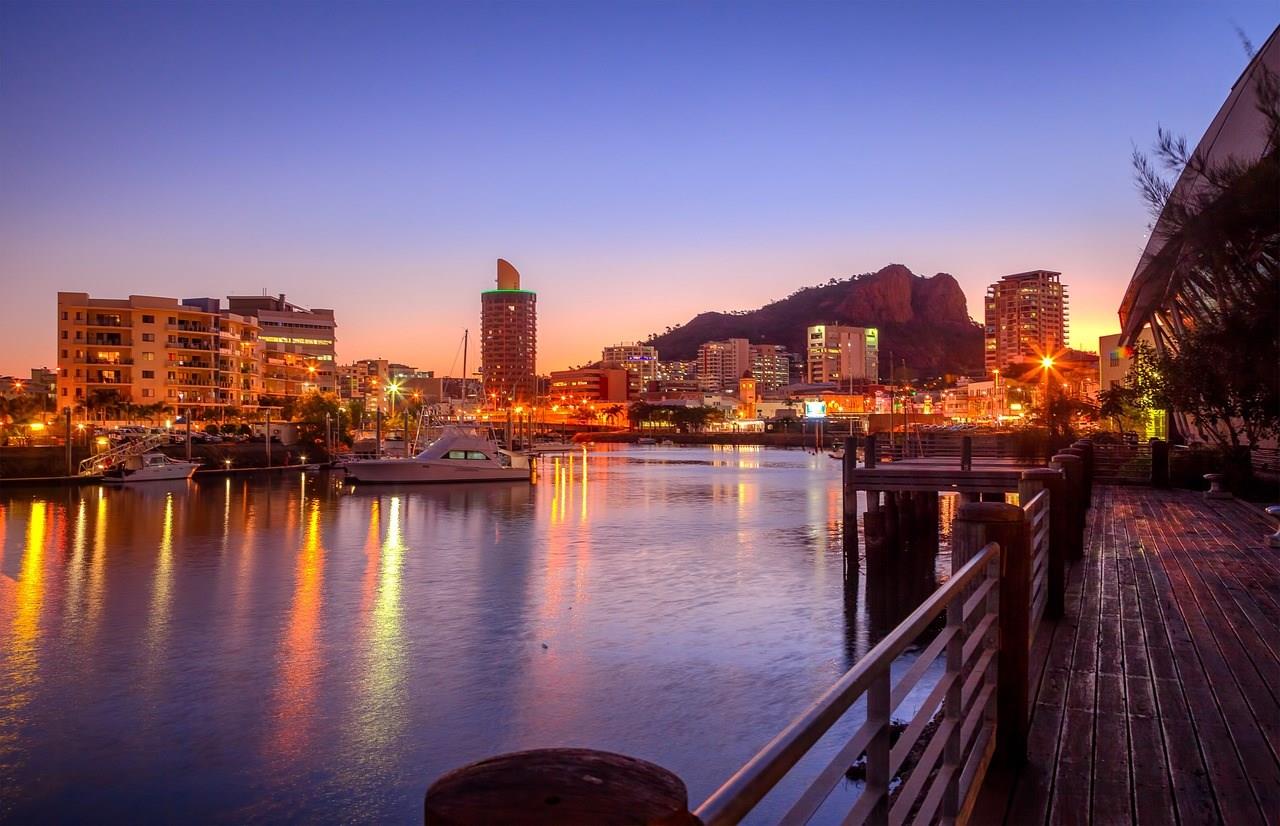
Townsville
Townsville, perched on the northeastern coast of Queensland, is a city where tropical charm meets rich heritage. Once a strategic military base during World War II, Townsville still carries echoes of its past through sites like the Townsville Heritage Centre. The Strand, a scenic, palm-lined beachfront promenade, serves as a gathering place for locals and visitors alike, where weekend drum circles and food trucks bring the esplanade to life.

Nunavut
Nunavut comprises a major portion of Northern Canada, and most of the Canadian Arctic Archipelago. Its vast territory makes it the fifth-largest country subdivision in the world, as well as the largest in North America.