Uyuni
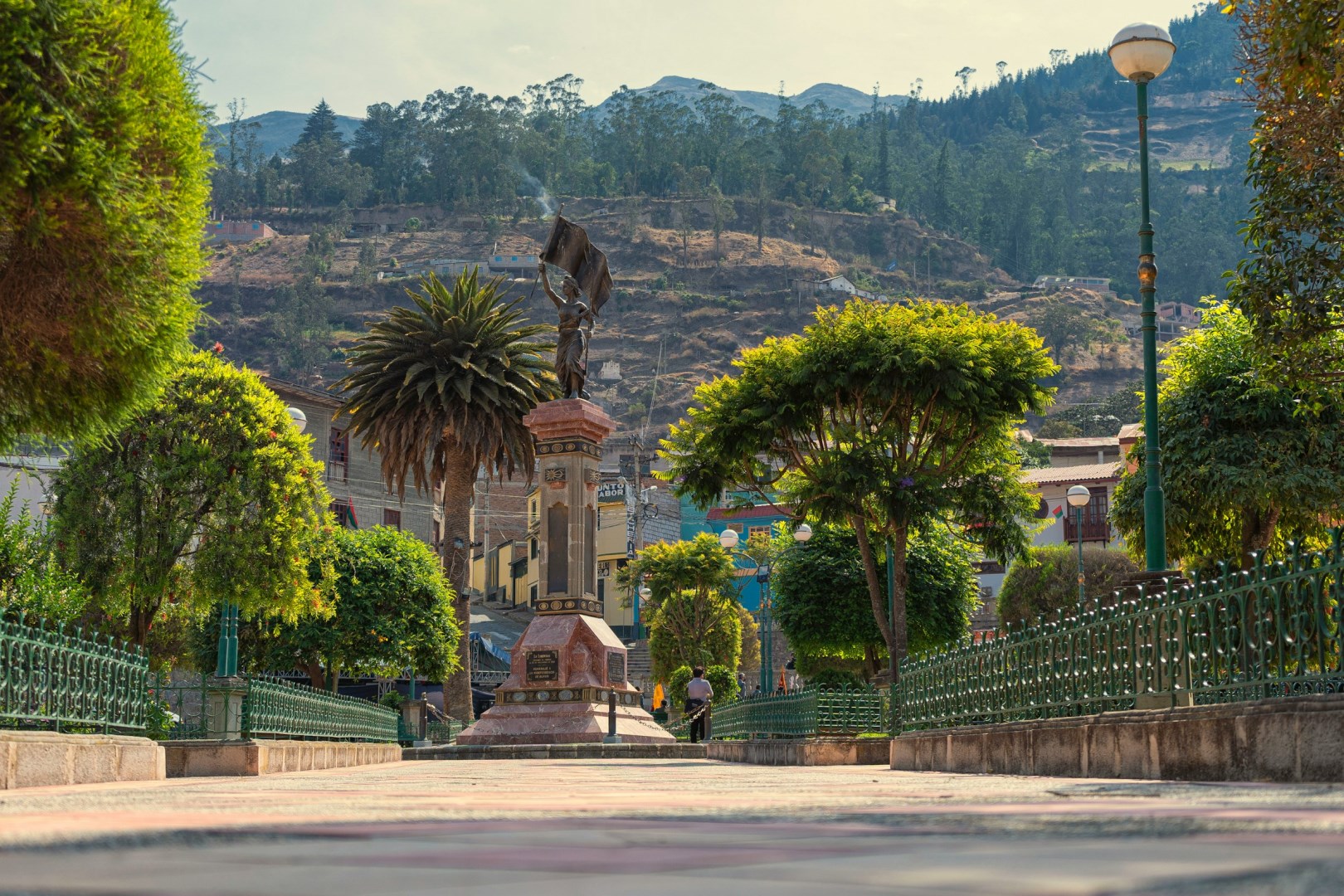
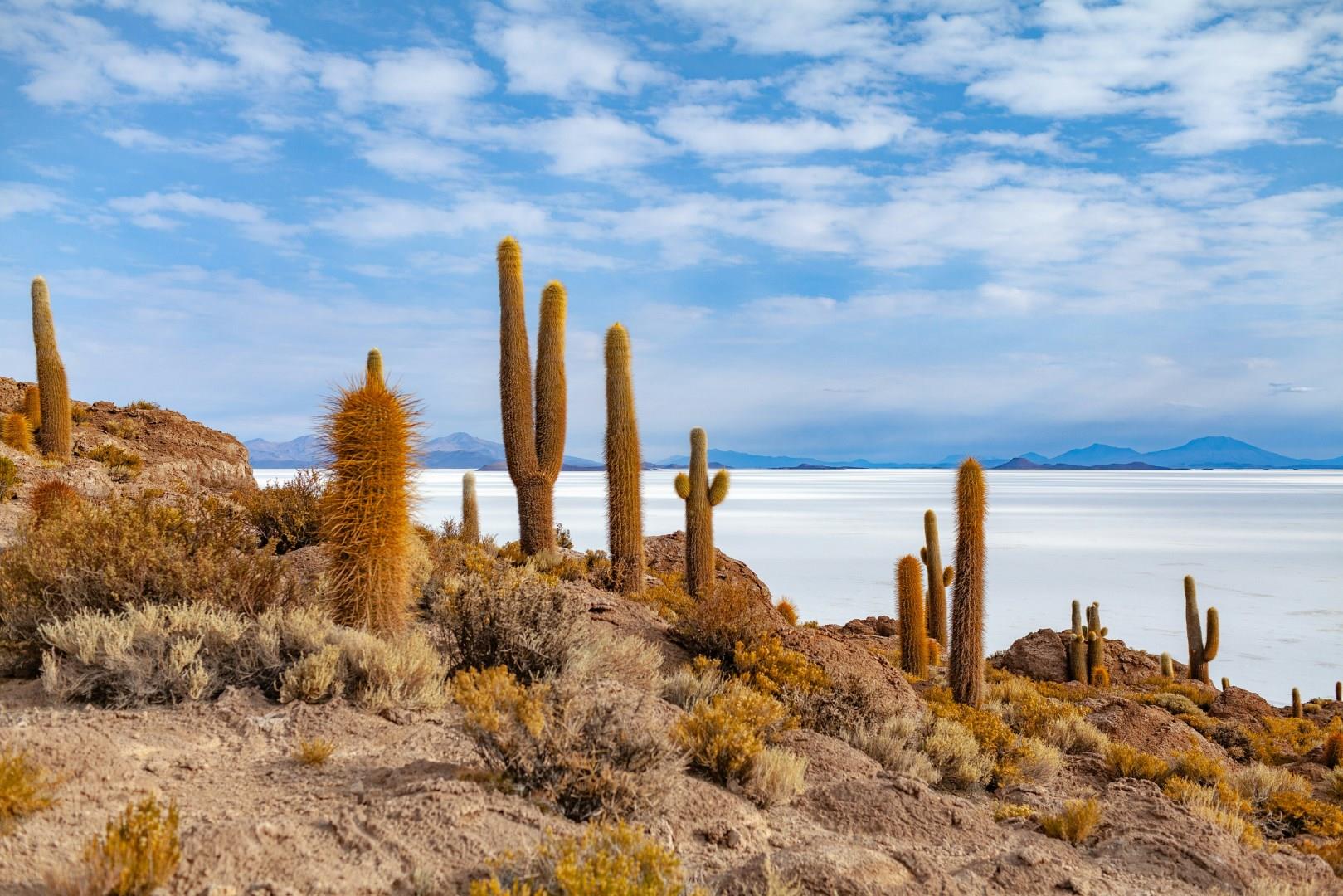
Uyuni, in southwestern Bolivia, is best known as the gateway to the world’s largest salt flat, Salar de Uyuni. Once a humble railway town, Uyuni has grown into a base for travelers drawn to this surreal landscape, where an ancient dried-up lake has left behind a vast expanse of glistening salt crust.
Island of Hawai'i
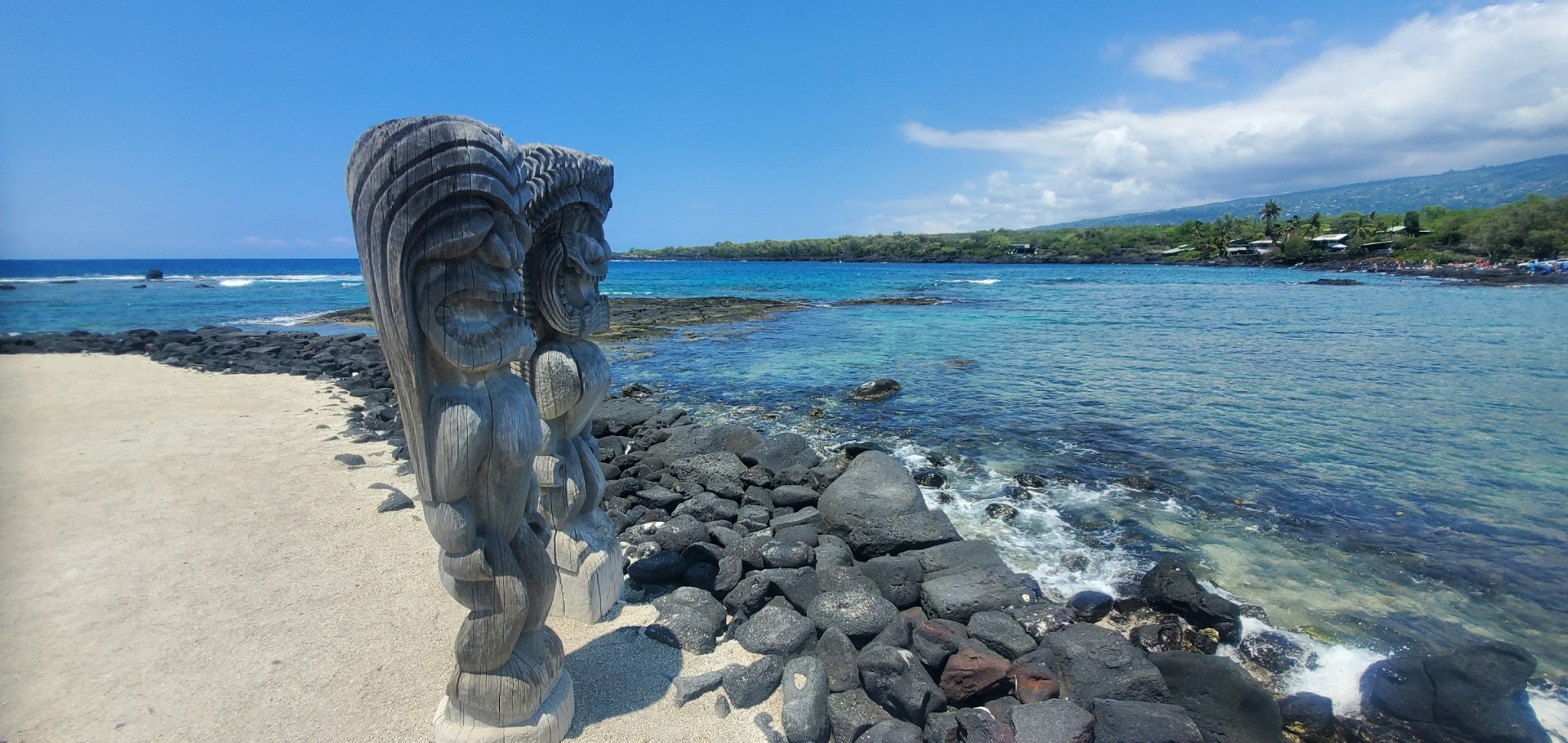
Hawaii Island, also known as the Big Island, is a place where natural wonder and cultural heritage converge in breathtaking ways. The island’s diverse landscapes span black sand beaches, verdant rainforests, and snow-capped mountains. Volcanoes National Park is a must-see destination where visitors can witness the power of Earth’s creation at the Kīlauea and Mauna Loa volcanoes, two of the most active in the world.

Nagoya
Nagoya’s charm lies in its ability to connect the past and future. Whether exploring historical landmarks, marveling at technological achievements, or indulging in the city’s distinct cuisine, visitors to Nagoya will find themselves immersed in a dynamic and unforgettable experience.
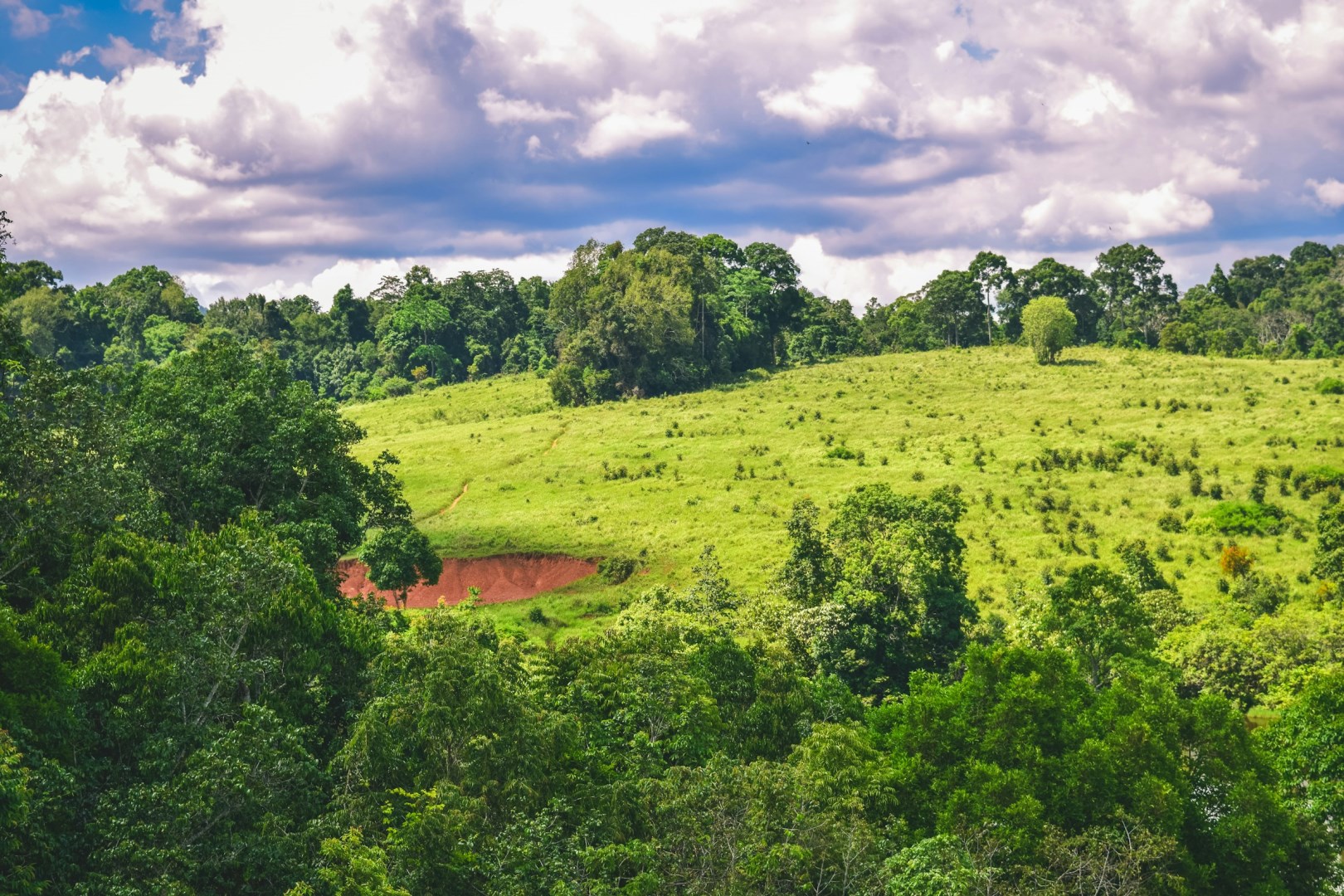
Khao Yai National Park
Khao Yai National Park is one of the most interesting and oldest park in Thailand. It is northeast of the central plain of Thailand, on the rim of the Korat Plateau. There are many species of plants and animals. Large animals such as wild elephants and tigers prowl the jungles freely. More than 800 species of orchids grow there and over 200 species of day moths have been catalogued.
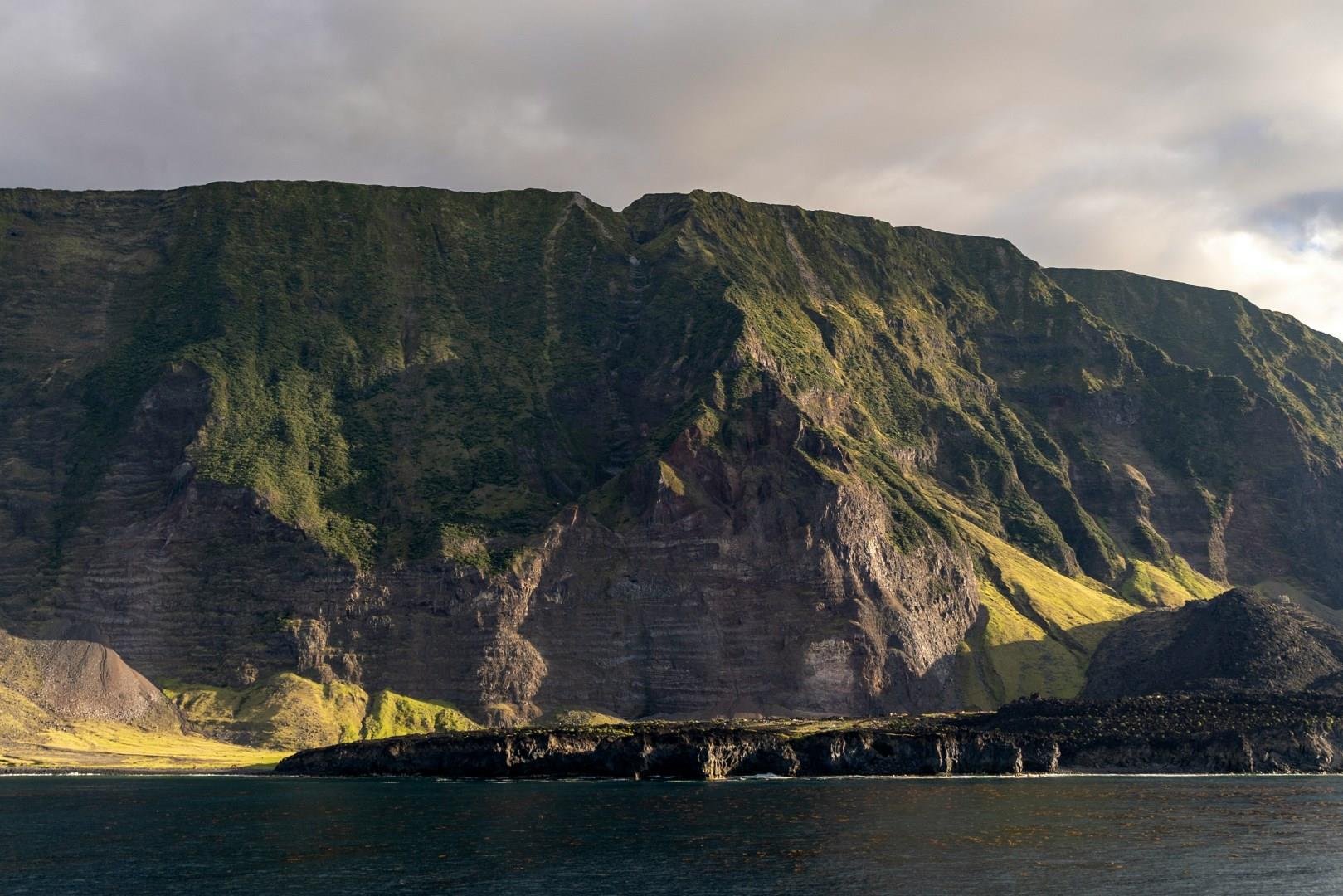
Tristan da Cunha
Tristan da Cunha is a remote volcanic island in the South Atlantic Ocean, forming part of a small archipelago along with Inaccessible Island and Nightingale Island. Known as the most isolated inhabited island in the world, it is accessible only by a week-long boat journey from South Africa.