Dominica, known as the “Nature Island of the Caribbean,” is a haven for eco-tourists and adventure seekers. Nestled between the French islands of Guadeloupe and Martinique, this lush island boasts a remarkable landscape of volcanic mountains, dense rainforests, and stunning waterfalls. Dominica’s most iconic natural wonder is the Boiling Lake, the second-largest hot spring in the world.
Chania, the jewel of western Crete, is a city where history, culture, and natural beauty converge to create a captivating experience. Known for its Venetian harbor, Chania boasts a unique blend of Venetian, Ottoman, and Greek influences. The harbor's old lighthouse, built in the 16th century by the Venetians, stands as a timeless sentinel over the bustling waterfront, which is lined with colorful buildings, inviting cafes, and vibrant tavernas.
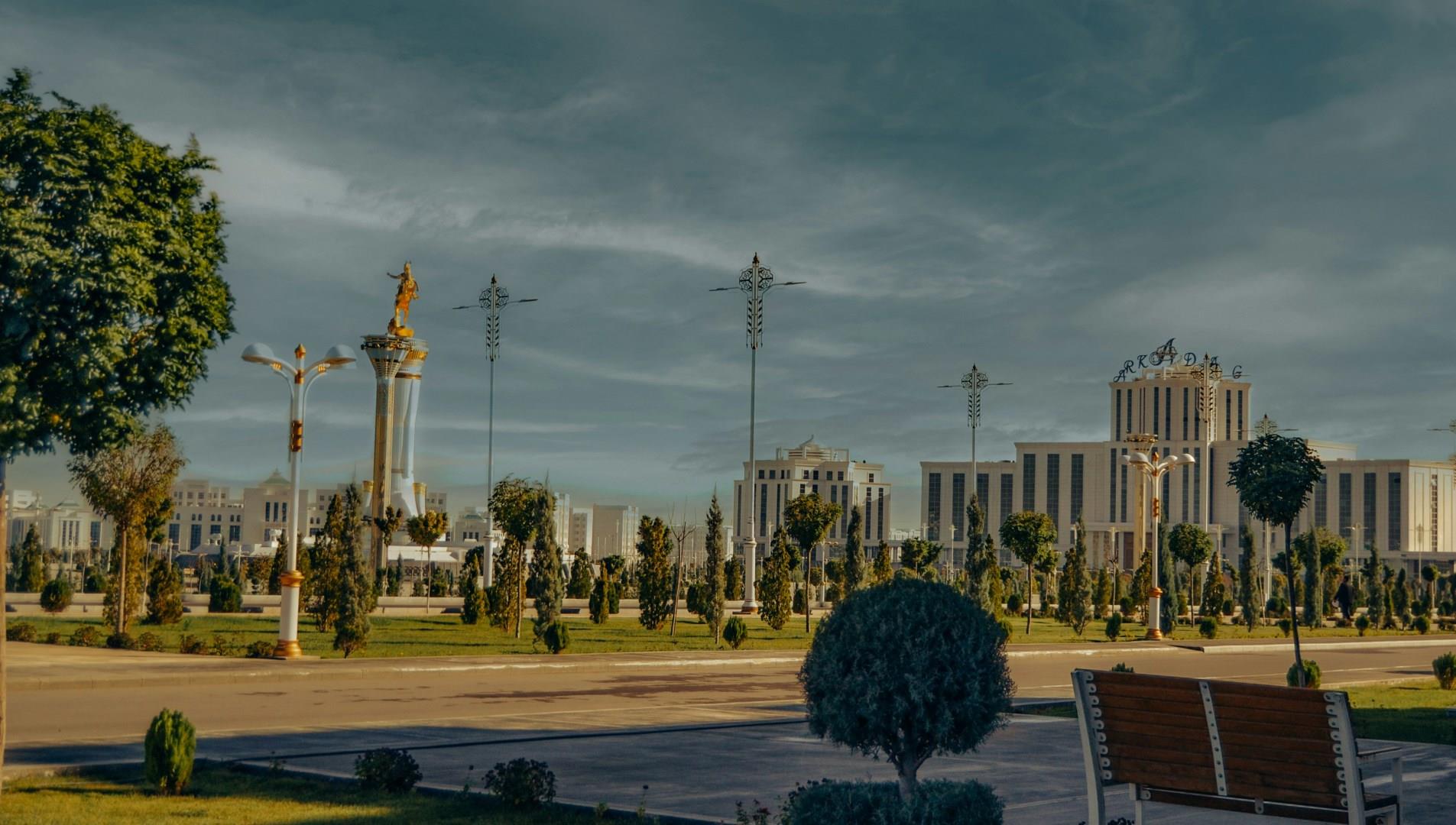
Turkmenistan is a land of striking contrasts, where vast deserts meet ancient Silk Road history. The country is dominated by the Karakum Desert, an expanse of sand and scrub that covers most of its territory, yet it is also home to oases where cities flourished as trading posts for caravans journeying between Persia, China, and beyond.
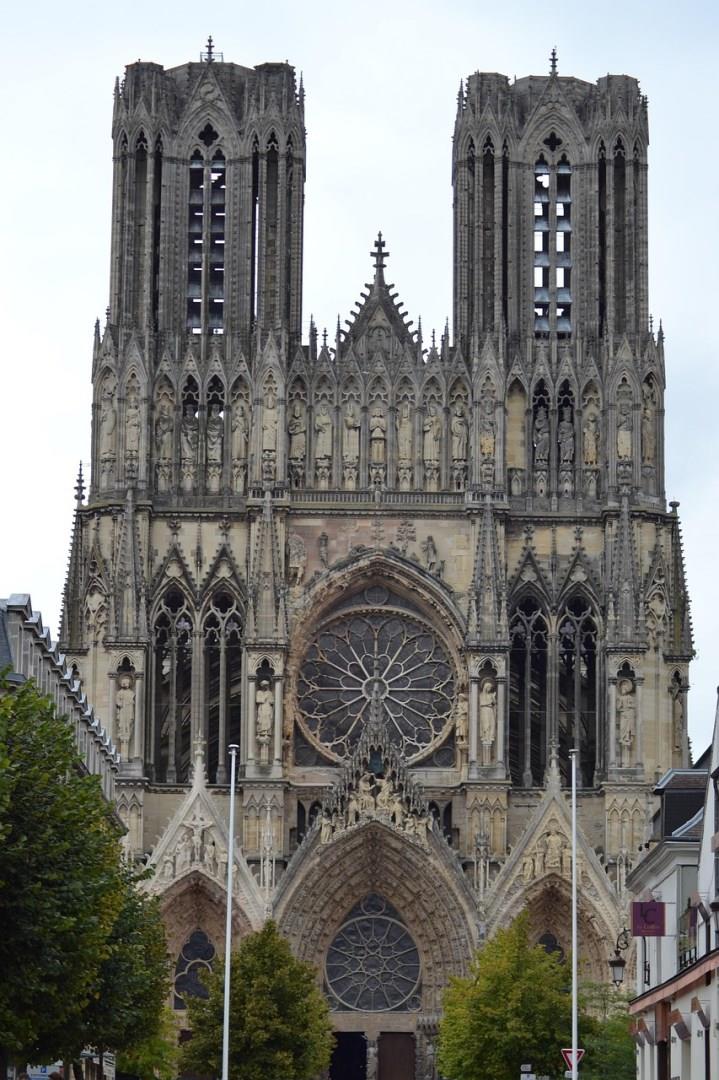
France’s city of Reims, located in the heart of the Champagne region, is a place where history and celebration meet. Known for its towering cathedral, Reims played a central role in French royal tradition. Nearly every French king was crowned at the Cathedral of Notre-Dame de Reims, a masterpiece of Gothic architecture that still dominates the skyline. The cathedral’s intricate facade and famous stained-glass window continue to draw visitors from around the world.
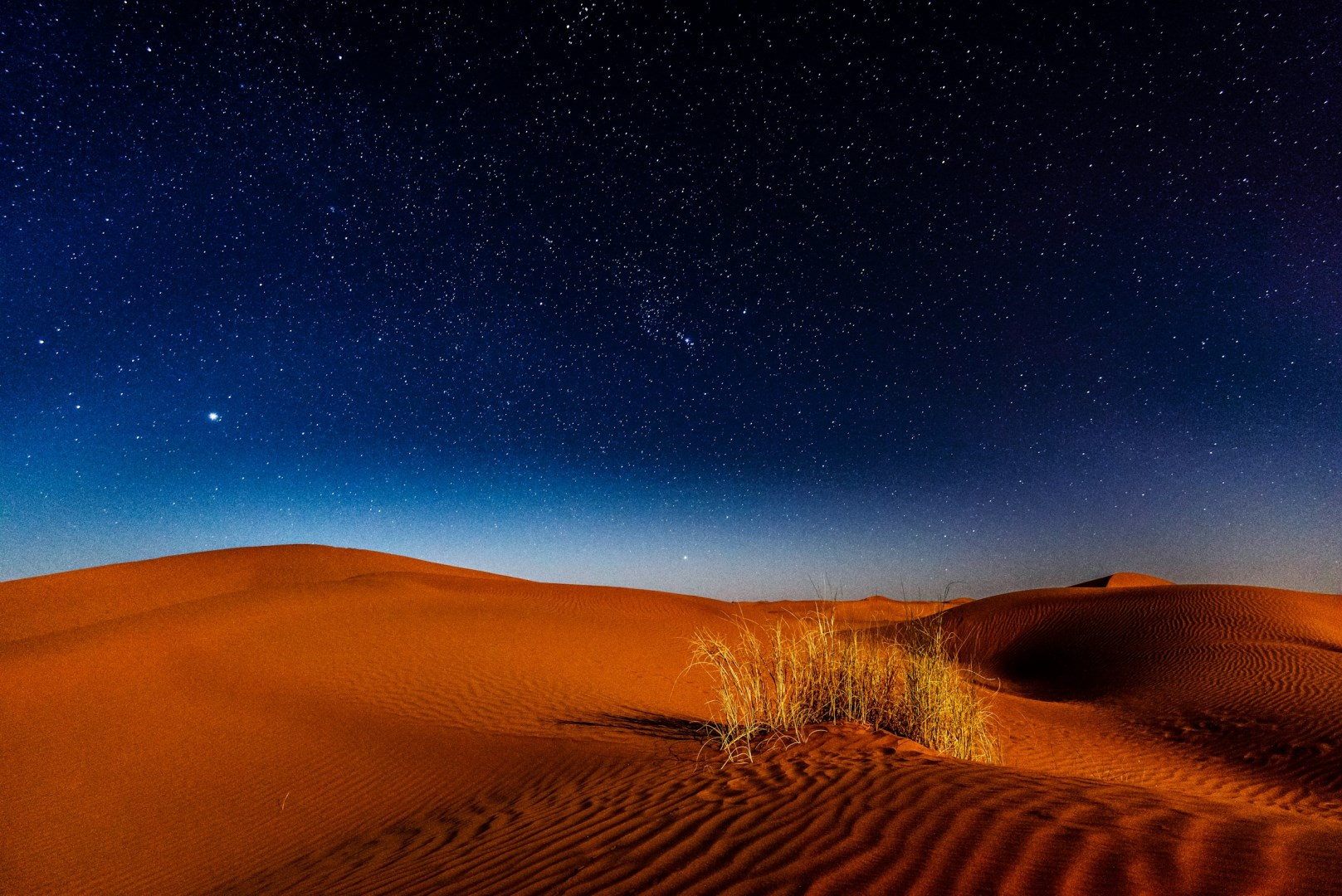
Western Sahara, (formerly Spanish Sahara), northwestern Africa, former overseas province of Spain partitioned in 1976 between Mauritania and Morocco, and since 1979, occupied entirely by Morocco.
The Gobi Desert, spanning across northern China and southern Mongolia, is one of the world’s most iconic and mysterious landscapes. Known for its vast stretches of arid plains, towering sand dunes, and rugged mountains, the Gobi offers a stark, breathtaking beauty that has captivated explorers and travelers for centuries. This desert is not only the largest in Asia but also one of the most diverse, with its ecosystems ranging from sandy expanses to steppes that support a surprising array of wildlife. Visitors can witness the grandeur of this desert firsthand, exploring its ancient valleys and experiencing its unique climate, where temperatures can soar to extreme highs in summer and drop drastically in winter.
The Gobi Desert is also steeped in history, having served as a critical part of the ancient Silk Road, the trade route that connected the East and West for centuries. Travelers today can still feel the echoes of this historic trade route, visiting sites like the Khongoryn Els, known as the "Singing Dunes," where the wind creates hauntingly beautiful sounds as it sweeps across the sands. The Gobi’s cultural heritage is equally rich, with ancient monasteries like Erdene Zuu, which provide a glimpse into Mongolia's deep Buddhist traditions.
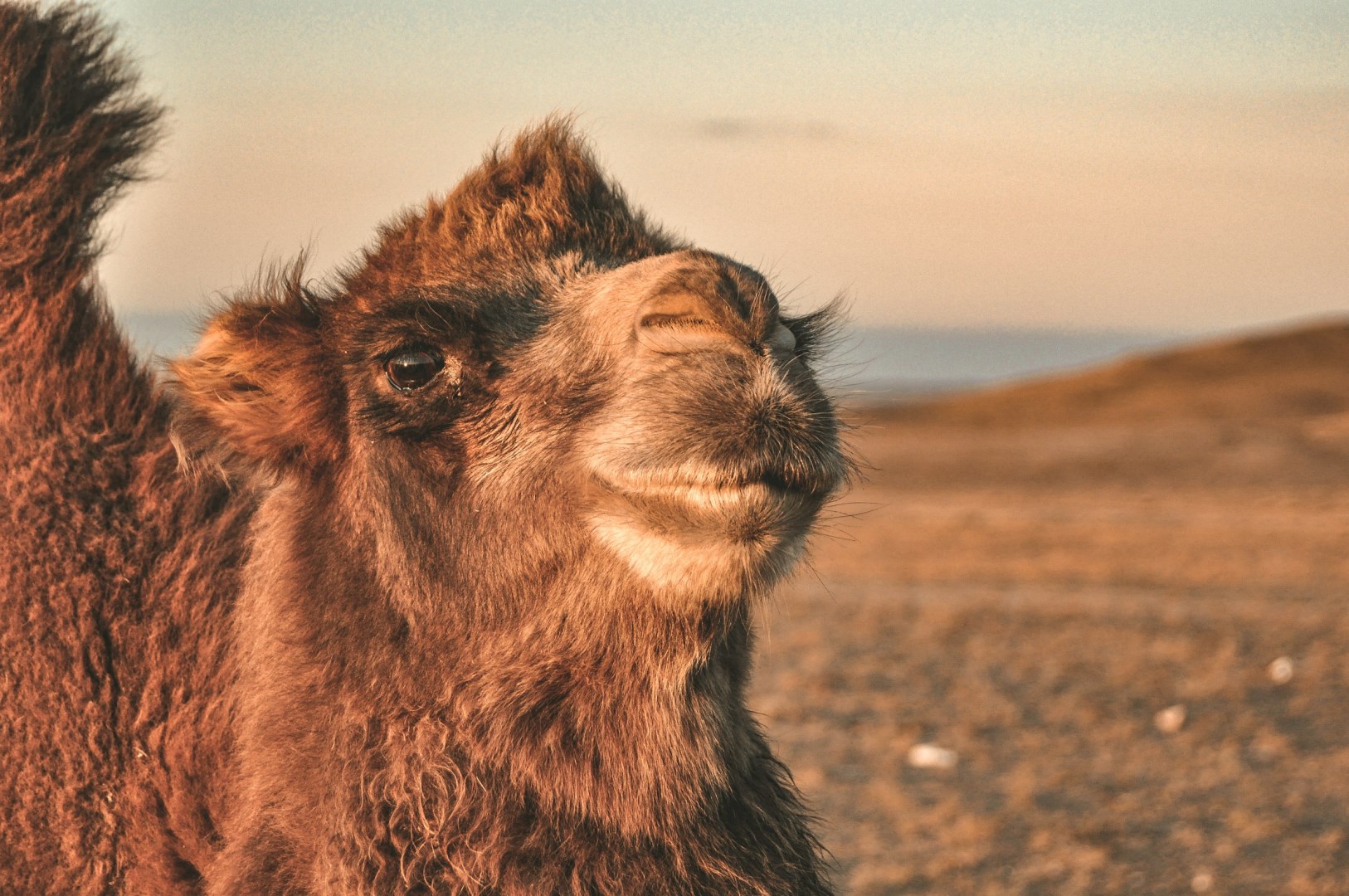
For those seeking adventure, the Gobi Desert offers unparalleled opportunities. From camel treks that take you deep into the heart of the desert to off-road jeep tours that navigate through its rugged terrain, there’s no shortage of ways to explore this remote region. Wildlife enthusiasts will be thrilled by the chance to spot rare species such as the Bactrian camel, snow leopards, and the elusive Gobi bear, one of the world’s rarest animals.
Fun fact: The Gobi Desert is home to the world’s first dinosaur eggs discovered in the 1920s by American explorer Roy Chapman Andrews. This area continues to be a hotbed for paleontological discoveries, making it a fascinating destination for anyone interested in the ancient past.