Khasab stands at the edge of Oman’s Musandam Peninsula, where rocky inlets carve into the land like desert fjords and earning it the nickname "Norway of Arabia." A short dhow ride uncovers soaring cliffs and narrow waterways, often mirrored by pods of dolphins gliding beside the wooden vessel. These traditional dhows, used for centuries by traders, now carry visitors into those coastal arms for snorkeling, swimming, and quiet reflection.
Portland, Oregon, is a city where natural beauty and urban innovation coexist harmoniously. Nestled between the Columbia and Willamette Rivers and framed by volcanic mountains, Portland offers an array of outdoor adventures alongside its renowned cultural scene. Visitors can explore the lush expanses of Forest Park, one of the largest urban forests in the U.S., or take a leisurely stroll through the Portland Japanese Garden, which showcases exquisite traditional Japanese landscape design.
On Cook Strait sits Wellington, New Zealand's charming windy city. Must-sees here include the waterfront, the lovely beaches, and the Wellington Cable Car that takes riders to botanical gardens. For cultural exposure, visit The Museum of New Zealand Te Papa Tongarewa, with its Maori national treasures and art gallery. Wellington Zoo is another key attraction, and features Tahi, a one-legged kiwi, as its mascot.
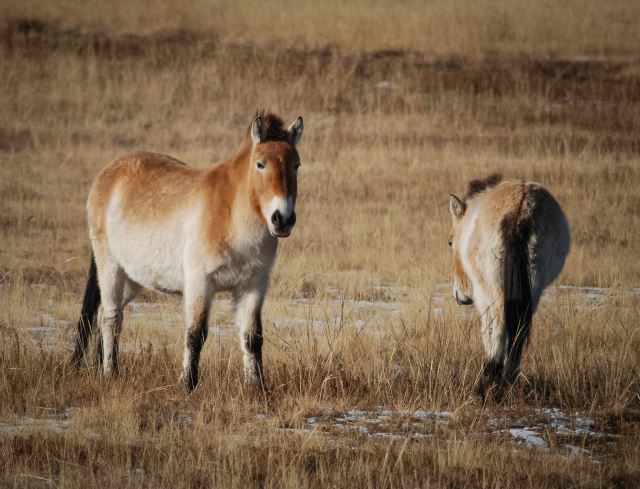
Hustai National Park is a protected grassland reserve in central Mongolia, located west of Ulaanbaatar in an area of rolling степpe, forested hills, and river valleys. The park is best known for the reintroduction of the Przewalski’s horse, known locally as takhi, a wild horse species that had disappeared from Mongolia before conservation programs returned it to the region.
Amarillo is a city in the Texas Panhandle known for its wide-open plains, cattle industry, and strong connection to Route 66 culture. Positioned along Interstate 40, the city developed as a transportation and trade center serving ranching communities across the region.
The Gobi Desert, spanning across northern China and southern Mongolia, is one of the world’s most iconic and mysterious landscapes. Known for its vast stretches of arid plains, towering sand dunes, and rugged mountains, the Gobi offers a stark, breathtaking beauty that has captivated explorers and travelers for centuries. This desert is not only the largest in Asia but also one of the most diverse, with its ecosystems ranging from sandy expanses to steppes that support a surprising array of wildlife. Visitors can witness the grandeur of this desert firsthand, exploring its ancient valleys and experiencing its unique climate, where temperatures can soar to extreme highs in summer and drop drastically in winter.
The Gobi Desert is also steeped in history, having served as a critical part of the ancient Silk Road, the trade route that connected the East and West for centuries. Travelers today can still feel the echoes of this historic trade route, visiting sites like the Khongoryn Els, known as the "Singing Dunes," where the wind creates hauntingly beautiful sounds as it sweeps across the sands. The Gobi’s cultural heritage is equally rich, with ancient monasteries like Erdene Zuu, which provide a glimpse into Mongolia's deep Buddhist traditions.
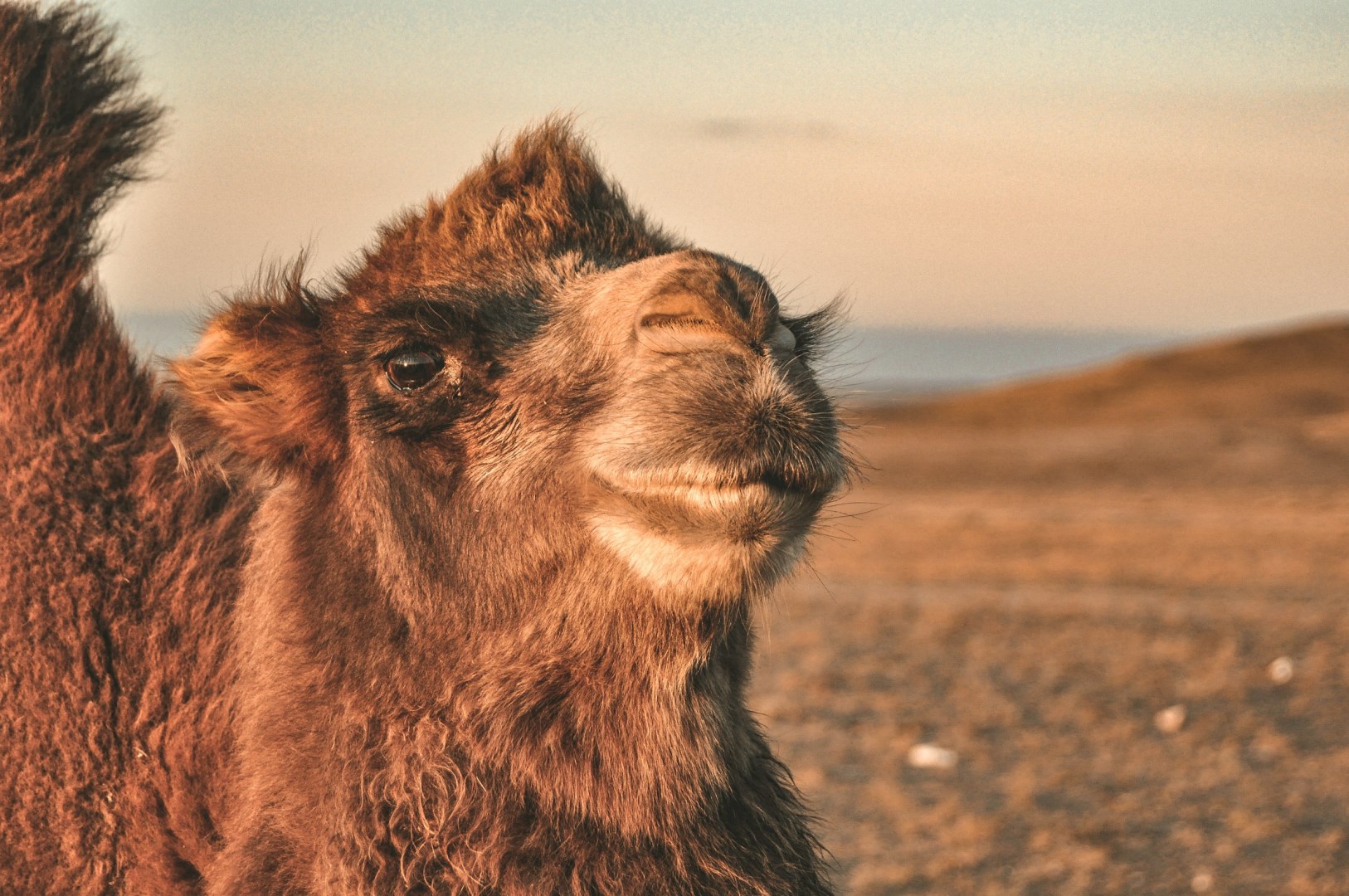
For those seeking adventure, the Gobi Desert offers unparalleled opportunities. From camel treks that take you deep into the heart of the desert to off-road jeep tours that navigate through its rugged terrain, there’s no shortage of ways to explore this remote region. Wildlife enthusiasts will be thrilled by the chance to spot rare species such as the Bactrian camel, snow leopards, and the elusive Gobi bear, one of the world’s rarest animals.
Fun fact: The Gobi Desert is home to the world’s first dinosaur eggs discovered in the 1920s by American explorer Roy Chapman Andrews. This area continues to be a hotbed for paleontological discoveries, making it a fascinating destination for anyone interested in the ancient past.