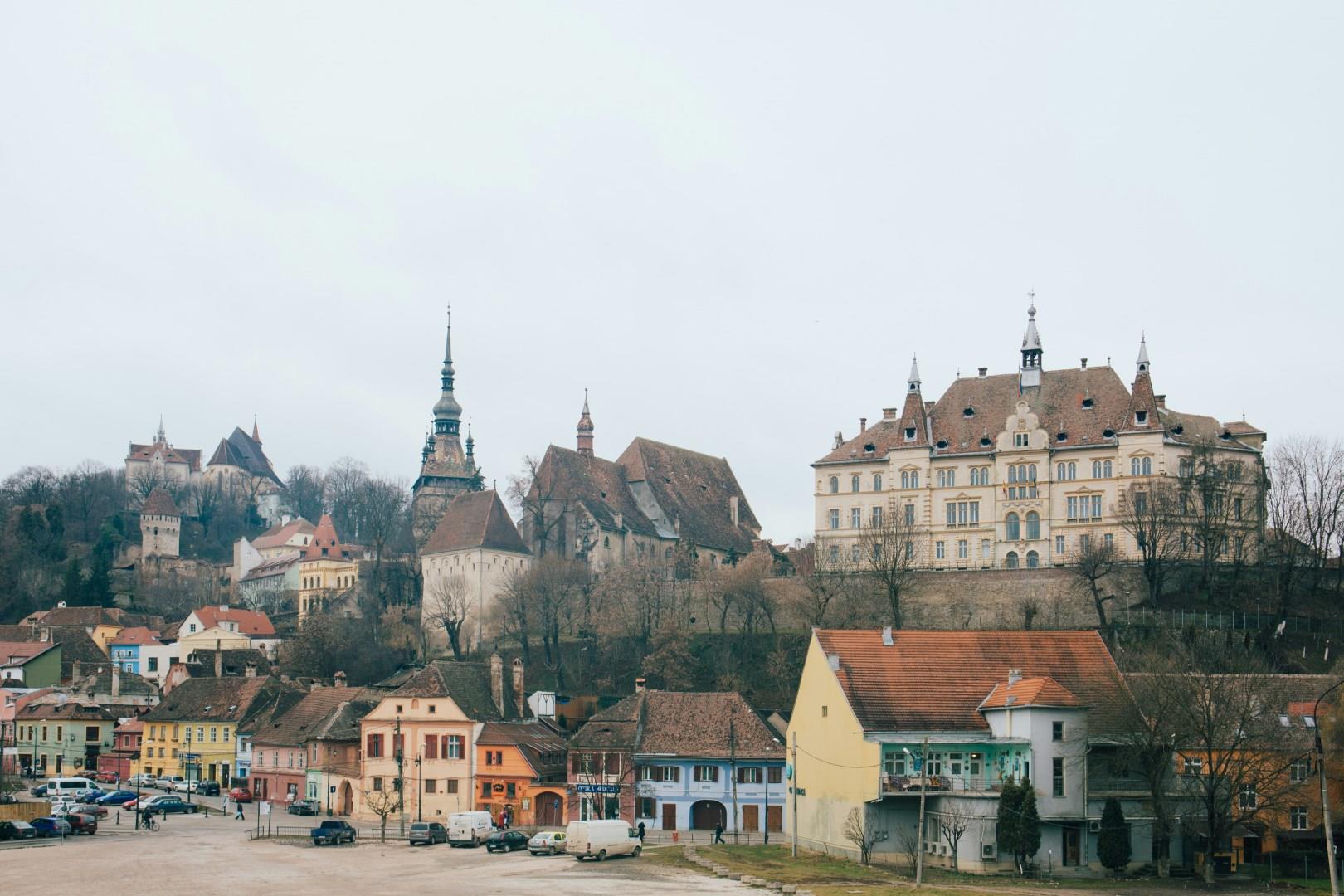
Sighisoara rises above the Târnava Mare River as one of the few medieval citadels in Europe that is still lived in and admired today. Its historic center has been on the UNESCO World Heritage List since 1999, recognized for its long history as a fortified Saxon settlement and its role in trade and defense on the edges of central Europe. Wander through cobbled alleys framed by pastel-colored houses, and the layers of time feel close at hand, from the city walls and guild towers to busy cafés.
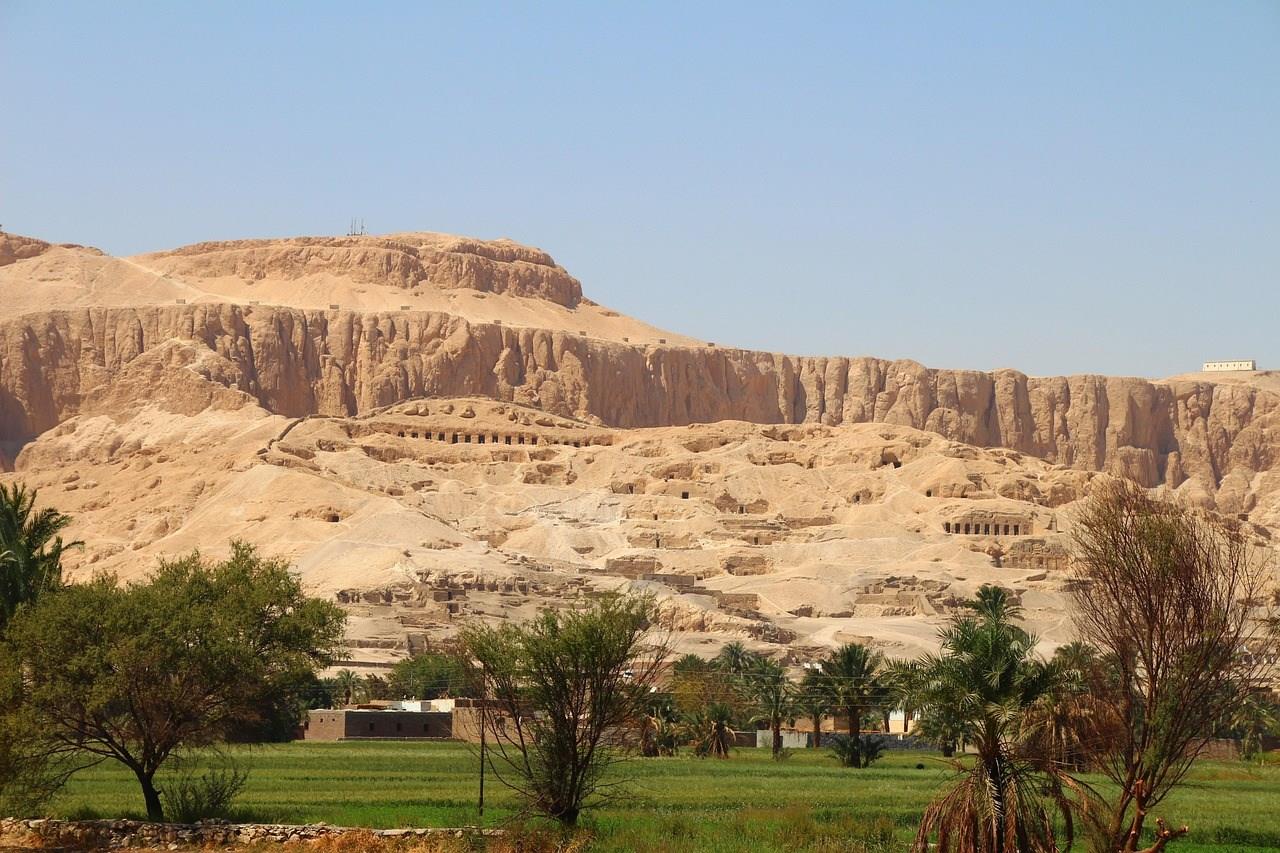
The Valley of the Kings and the Valley of the Queens, located on the west bank of the Nile near Luxor, Egypt, are two of the world’s most significant archaeological sites. For over 500 years during the New Kingdom (16th–11th centuries BCE), these valleys served as the burial grounds for pharaohs, queens, and high-ranking nobles.
Poland offers a layered and often surprising experience shaped by centuries of resilience and creativity. From the cobbled lanes of Kraków’s Old Town to the post-industrial art scenes in Łódź, the country moves comfortably between tradition and reinvention.
Bar Harbor should be any traveler's Maine priority! Drink in a view of the Atlantic Ocean from the town pier, and be sure to get some lobster at one of the excellent local restaurants. Bar Harbor, a Mount Desert Island town, is also the portal to the rugged, recreational paradise Acadia National Park, where birding, whale-watching and kayaking is the order of the day. The park's Cadillac Mountain is the highest point on America's East Coast.
New Zealand is a land of breathtaking landscapes and memorable cultural experiences. Located in the South Pacific, this island nation is famed for its dramatic mountain ranges, pristine beaches, and rolling farmlands. With its beauty, welcoming culture, and endless opportunities for adventure, New Zealand is sure to captivate travelers from around the globe.
The Gobi Desert, spanning across northern China and southern Mongolia, is one of the world’s most iconic and mysterious landscapes. Known for its vast stretches of arid plains, towering sand dunes, and rugged mountains, the Gobi offers a stark, breathtaking beauty that has captivated explorers and travelers for centuries. This desert is not only the largest in Asia but also one of the most diverse, with its ecosystems ranging from sandy expanses to steppes that support a surprising array of wildlife. Visitors can witness the grandeur of this desert firsthand, exploring its ancient valleys and experiencing its unique climate, where temperatures can soar to extreme highs in summer and drop drastically in winter.
The Gobi Desert is also steeped in history, having served as a critical part of the ancient Silk Road, the trade route that connected the East and West for centuries. Travelers today can still feel the echoes of this historic trade route, visiting sites like the Khongoryn Els, known as the "Singing Dunes," where the wind creates hauntingly beautiful sounds as it sweeps across the sands. The Gobi’s cultural heritage is equally rich, with ancient monasteries like Erdene Zuu, which provide a glimpse into Mongolia's deep Buddhist traditions.
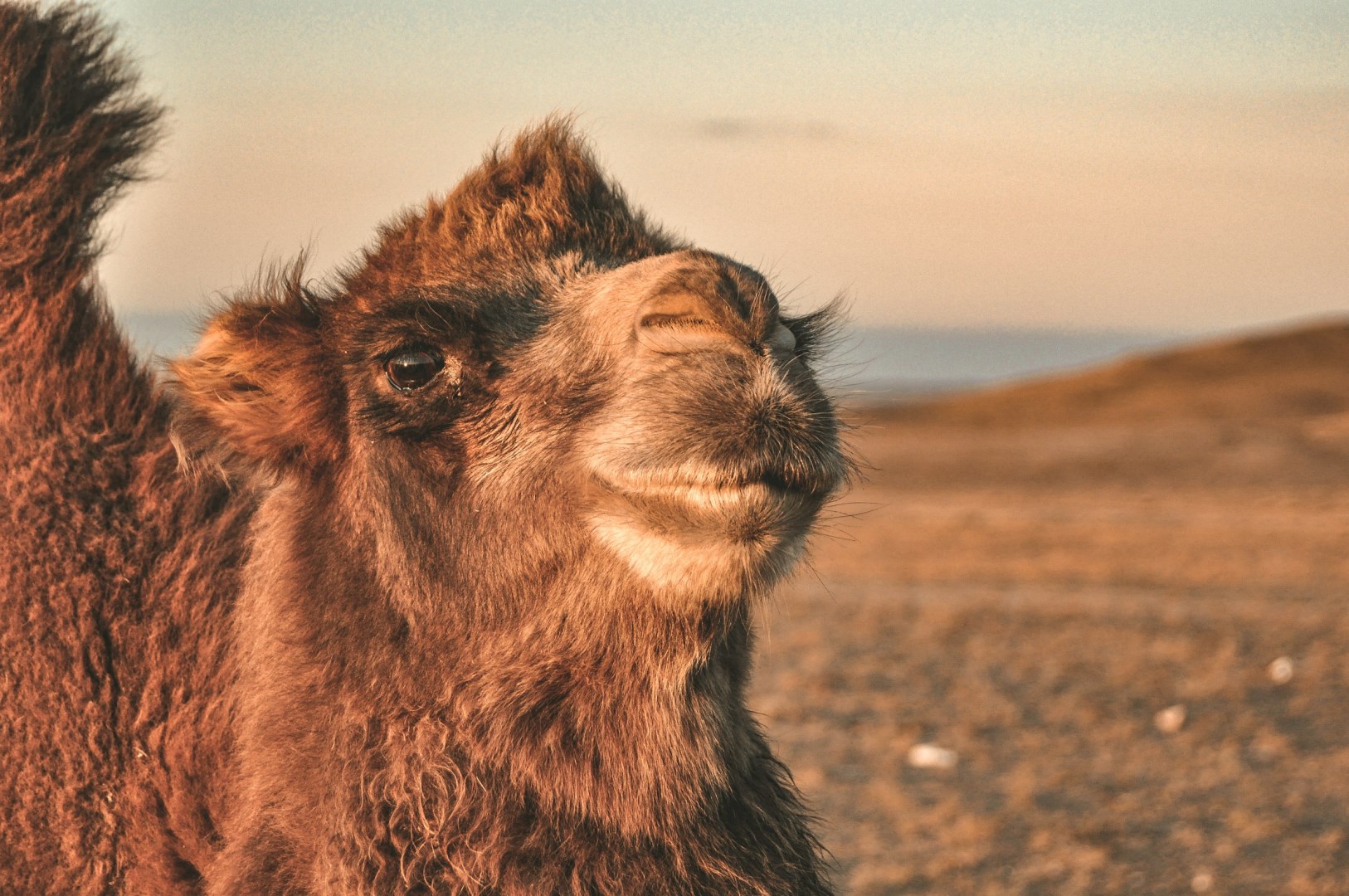
For those seeking adventure, the Gobi Desert offers unparalleled opportunities. From camel treks that take you deep into the heart of the desert to off-road jeep tours that navigate through its rugged terrain, there’s no shortage of ways to explore this remote region. Wildlife enthusiasts will be thrilled by the chance to spot rare species such as the Bactrian camel, snow leopards, and the elusive Gobi bear, one of the world’s rarest animals.
Fun fact: The Gobi Desert is home to the world’s first dinosaur eggs discovered in the 1920s by American explorer Roy Chapman Andrews. This area continues to be a hotbed for paleontological discoveries, making it a fascinating destination for anyone interested in the ancient past.
Other Popular Destinations in Mongolia
Ulaanbaatar
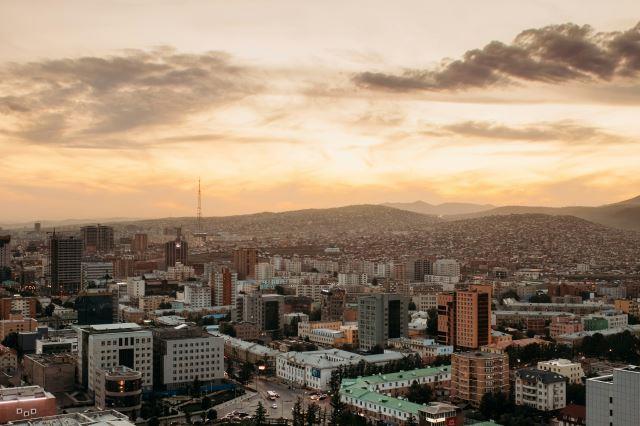
Ulaanbaatar, the capital of Mongolia, is a city where tradition and modern life intertwine. Nestled in a valley surrounded by mountains, it serves as the country’s cultural, political, and economic hub. The city’s skyline features a mix of Soviet-era architecture, Buddhist monasteries, and contemporary high-rises.
Hustai National Park
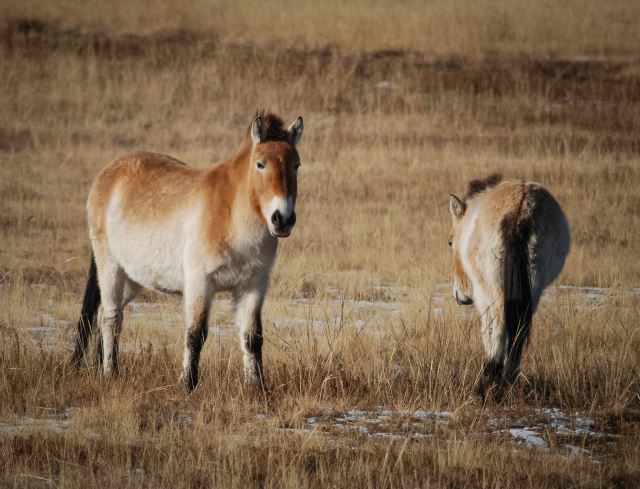
Hustai National Park is a protected grassland reserve in central Mongolia, located west of Ulaanbaatar in an area of rolling степpe, forested hills, and river valleys. The park is best known for the reintroduction of the Przewalski’s horse, known locally as takhi, a wild horse species that had disappeared from Mongolia before conservation programs returned it to the region.