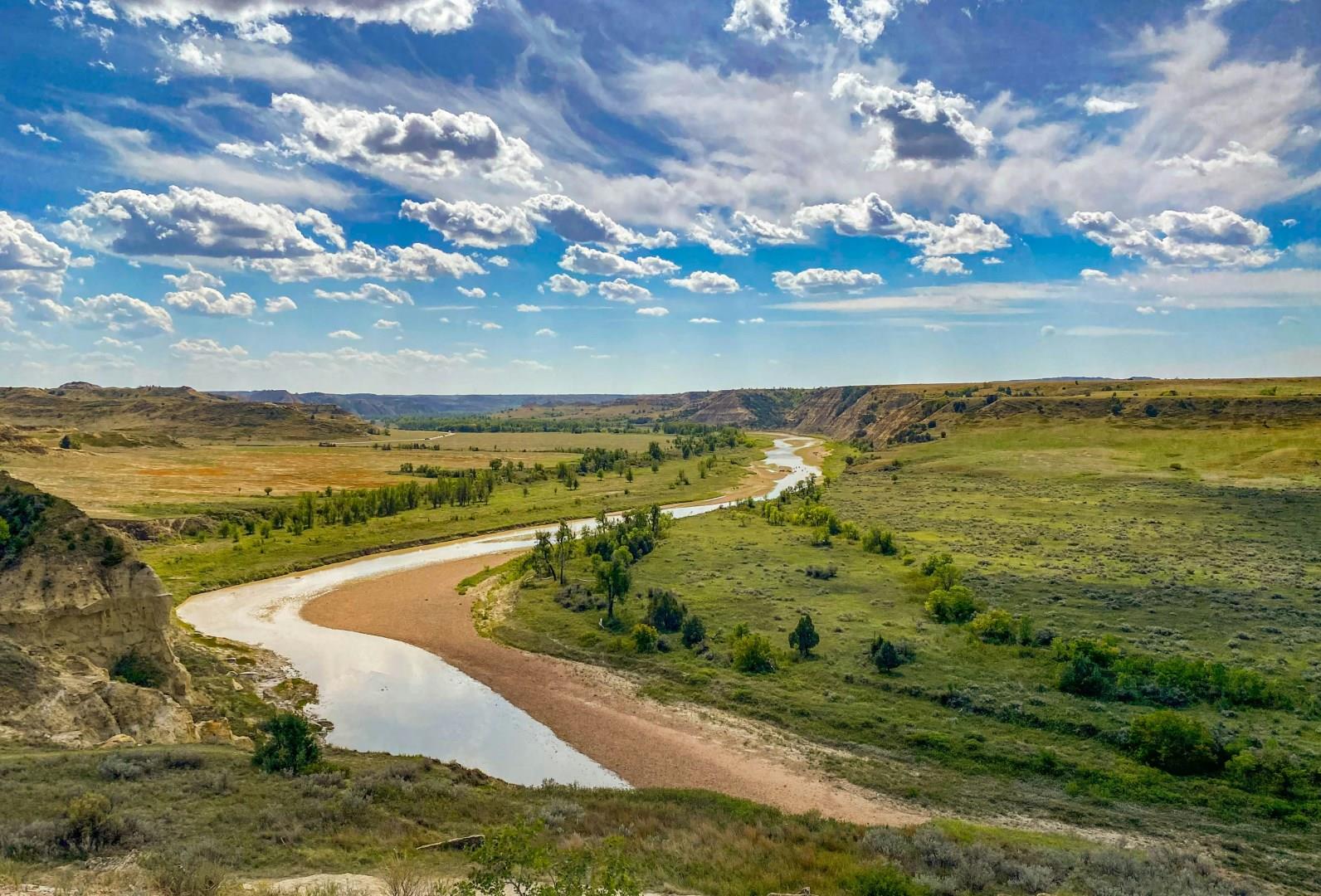
Theodore Roosevelt National Park, tucked into the rugged badlands of western North Dakota is where a young Theodore Roosevelt came to recover after the loss of his wife and mother in the same day. He bought a ranch, rode the open plains, and found the resolve that would later define his presidency. Today, the park named in his honor preserves that same wild spirit. Visitors can still see Roosevelt’s original Maltese Cross Cabin near the park's entrance and walk trails he once rode on horseback.
Reggio Calabria, located at the tip of Italy’s toe, is a city where ancient history and natural beauty converge in spectacular fashion. One of the city's most renowned landmarks is the Bronzi di Riace, two magnificent bronze statues from the 5th century BC that were discovered off the coast of Riace in 1972.
Lima's sprawling size and unique embrace of both past and present make it an unforgettably unique destination. Colonial architecture, gastronomical delights, and art are all part of the fabric of this city.
The dazzling capital of the Czech Republic, the explorable Prague has fittingly been nicknamed "the City of a Hundred Spires." Halved by the Vltava River and notable for architecture Baroque, Renaissance, and Gothic, visitors will find much to take in here.
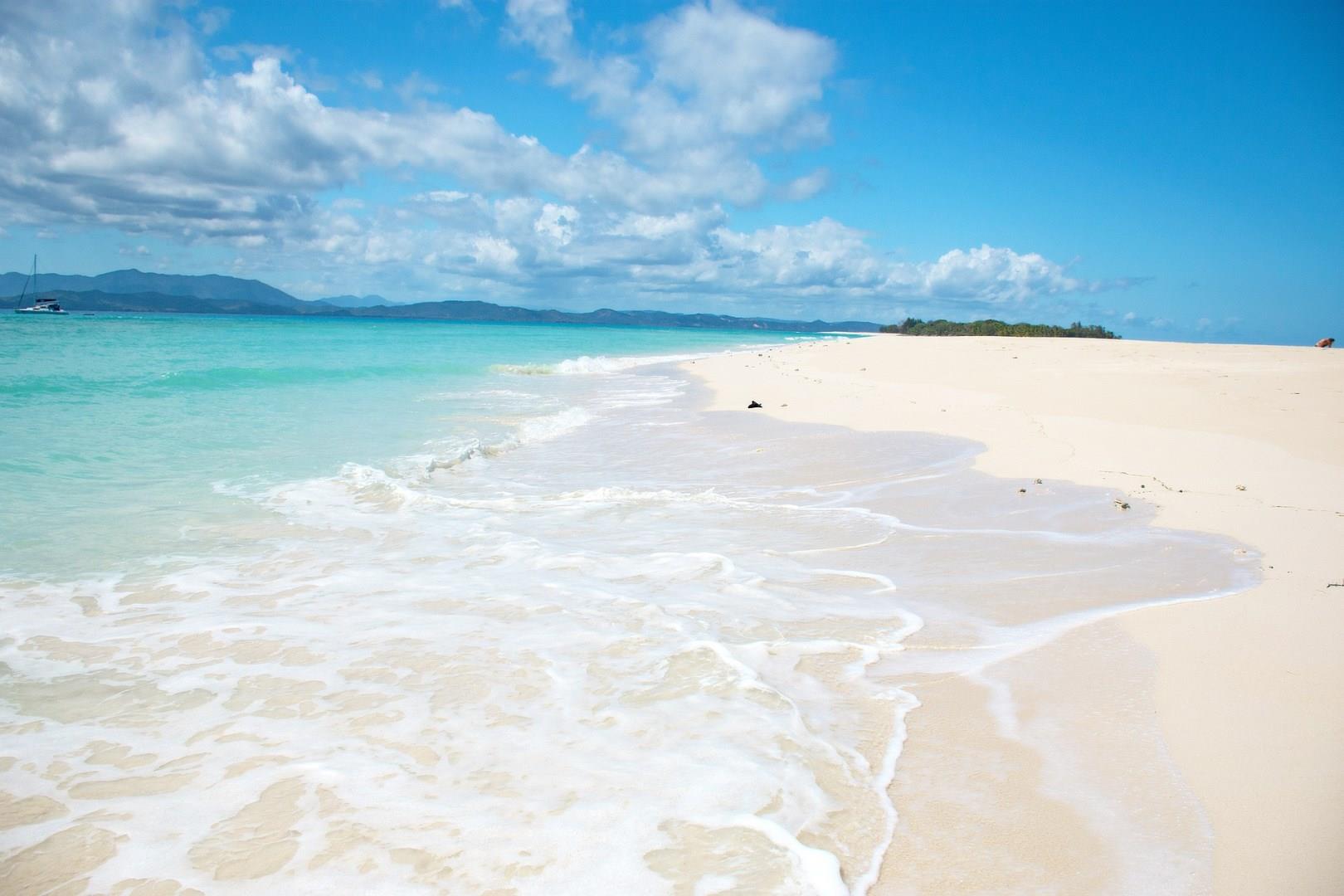
Nosy Iranja, a tropical paradise off the northwest coast of Madagascar, is a must-visit destination for travelers seeking an untouched escape. Known for its stunning natural beauty, Nosy Iranja is actually composed of two islands, Nosy Iranja Be and Nosy Iranja Kely, connected by a striking sandbar that appears at low tide. Visitors can stroll across the white sands with crystal-clear turquoise waters on either side, creating an otherworldly experience of walking between two islands.
The Gobi Desert, spanning across northern China and southern Mongolia, is one of the world’s most iconic and mysterious landscapes. Known for its vast stretches of arid plains, towering sand dunes, and rugged mountains, the Gobi offers a stark, breathtaking beauty that has captivated explorers and travelers for centuries. This desert is not only the largest in Asia but also one of the most diverse, with its ecosystems ranging from sandy expanses to steppes that support a surprising array of wildlife. Visitors can witness the grandeur of this desert firsthand, exploring its ancient valleys and experiencing its unique climate, where temperatures can soar to extreme highs in summer and drop drastically in winter.
The Gobi Desert is also steeped in history, having served as a critical part of the ancient Silk Road, the trade route that connected the East and West for centuries. Travelers today can still feel the echoes of this historic trade route, visiting sites like the Khongoryn Els, known as the "Singing Dunes," where the wind creates hauntingly beautiful sounds as it sweeps across the sands. The Gobi’s cultural heritage is equally rich, with ancient monasteries like Erdene Zuu, which provide a glimpse into Mongolia's deep Buddhist traditions.
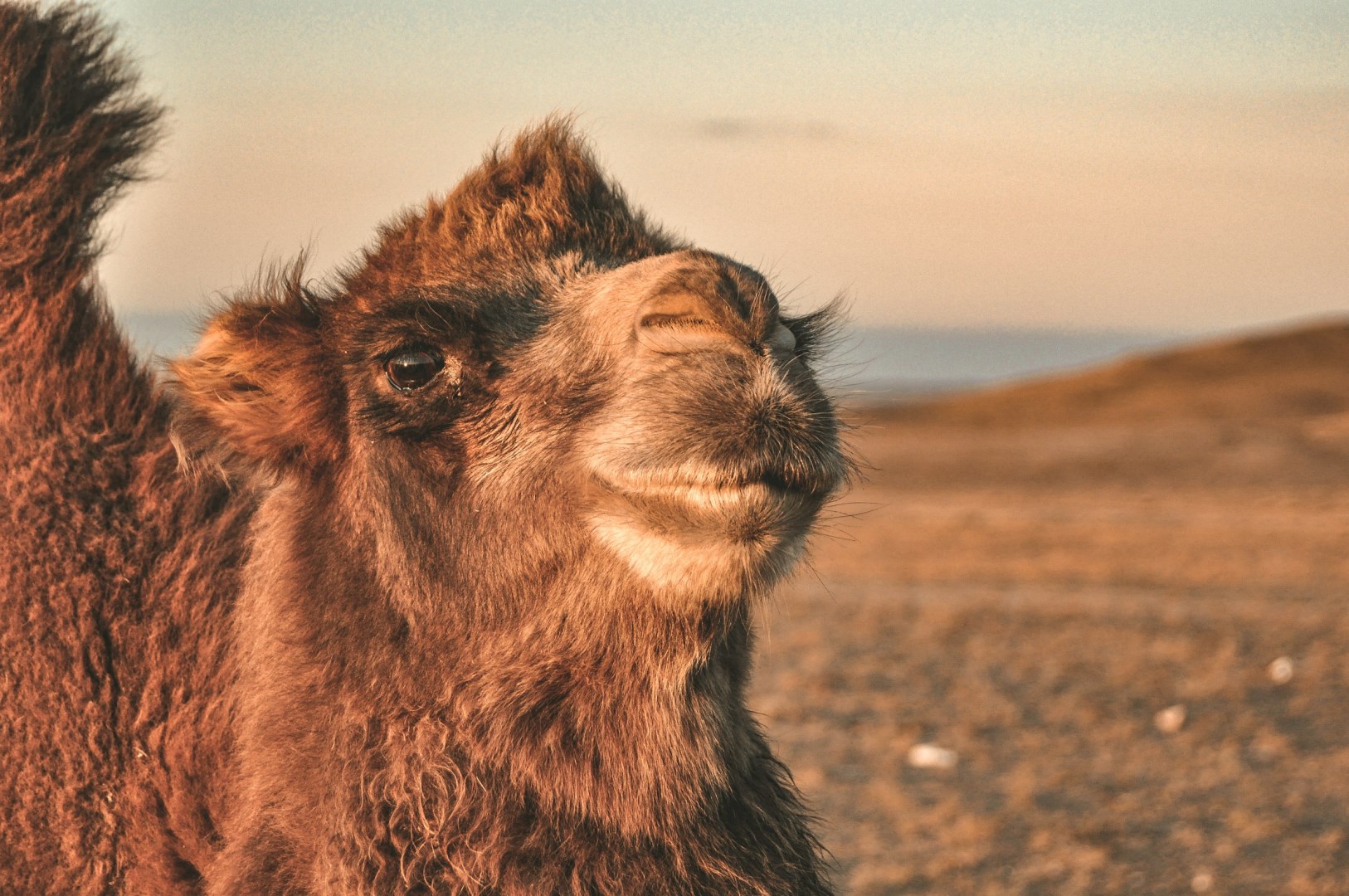
For those seeking adventure, the Gobi Desert offers unparalleled opportunities. From camel treks that take you deep into the heart of the desert to off-road jeep tours that navigate through its rugged terrain, there’s no shortage of ways to explore this remote region. Wildlife enthusiasts will be thrilled by the chance to spot rare species such as the Bactrian camel, snow leopards, and the elusive Gobi bear, one of the world’s rarest animals.
Fun fact: The Gobi Desert is home to the world’s first dinosaur eggs discovered in the 1920s by American explorer Roy Chapman Andrews. This area continues to be a hotbed for paleontological discoveries, making it a fascinating destination for anyone interested in the ancient past.