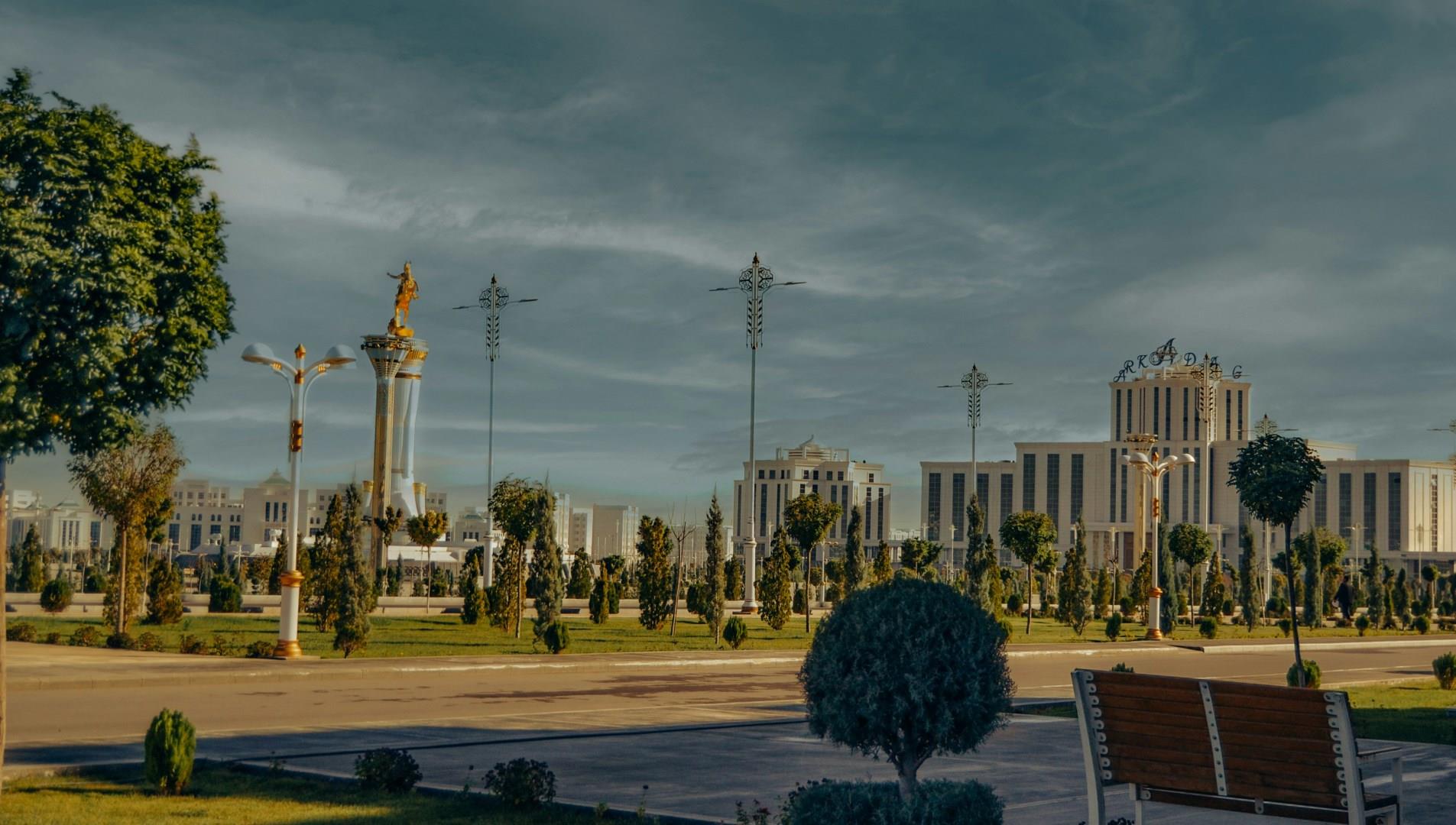
Turkmenistan is a land of striking contrasts, where vast deserts meet ancient Silk Road history. The country is dominated by the Karakum Desert, an expanse of sand and scrub that covers most of its territory, yet it is also home to oases where cities flourished as trading posts for caravans journeying between Persia, China, and beyond.
Dominica, known as the “Nature Island of the Caribbean,” is a haven for eco-tourists and adventure seekers. Nestled between the French islands of Guadeloupe and Martinique, this lush island boasts a remarkable landscape of volcanic mountains, dense rainforests, and stunning waterfalls. Dominica’s most iconic natural wonder is the Boiling Lake, the second-largest hot spring in the world.
Mahé Island is the largest and most culturally central island in the Seychelles, home to the capital city of Victoria and the majority of the country’s population.
Monteverde, located in the Tilarán Mountains of northwestern Costa Rica, is known for its cloud forests, winding trails, and biodiversity that has drawn researchers and travelers for decades. The area was settled in the 1950s by Quakers from the United States who were looking for a peaceful place to raise dairy cattle. They also played a major role in preserving the local ecosystem, helping to establish the Monteverde Cloud Forest Reserve in 1972.
Whether cruising along its waters, exploring historic towns, or simply soaking in the scenic views, the Rhine River offers an experience that is as diverse as the countries it passes through.
Photo Credit: Image by Rolf Dobberstein from Pixabay
Photo Credit: Image by Les Bohlen from Pixabay
Photo Credit: Photo by Bibhash (Polygon.Cafe) Banerjee on Unsplash
Photo Credit: Photo by muthengi mbuvi on Unsplash
Photo Credit: Photo by Brian Kungu on Unsplash
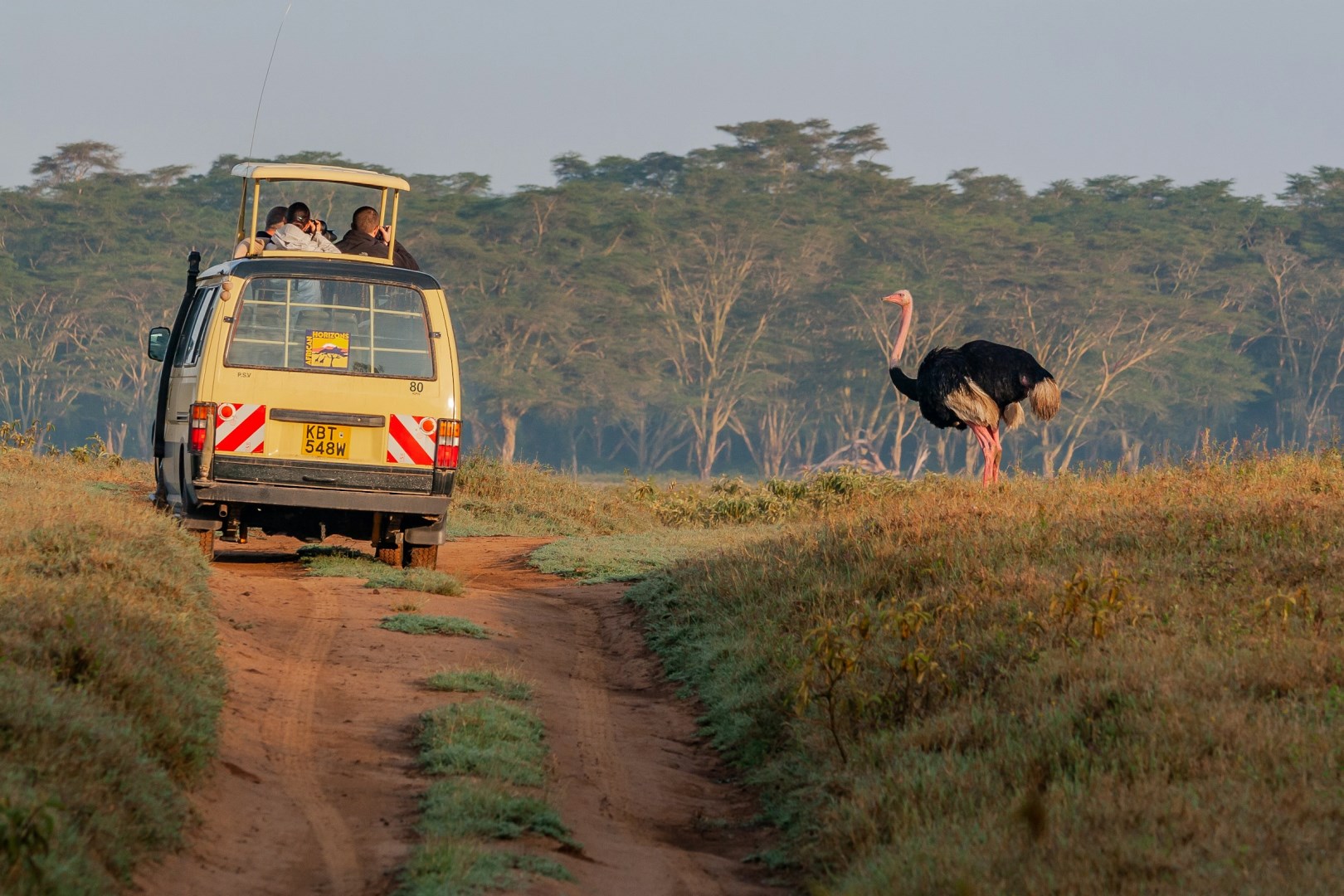
Ostrich
Photo Credit: Photo by Florentina Tilvic on Unsplash
Photo Credit: Photo by Mengyu Xu on Unsplash
Photo Credit: Photo by Bibhash (Polygon.Cafe) Banerjee on Unsplash
Photo Credit: Photo by muthengi mbuvi on Unsplash
Photo Credit: Photo by Wietse Jongsma on Unsplash
Photo Credit: Photo by Moses Sichach on Unsplash
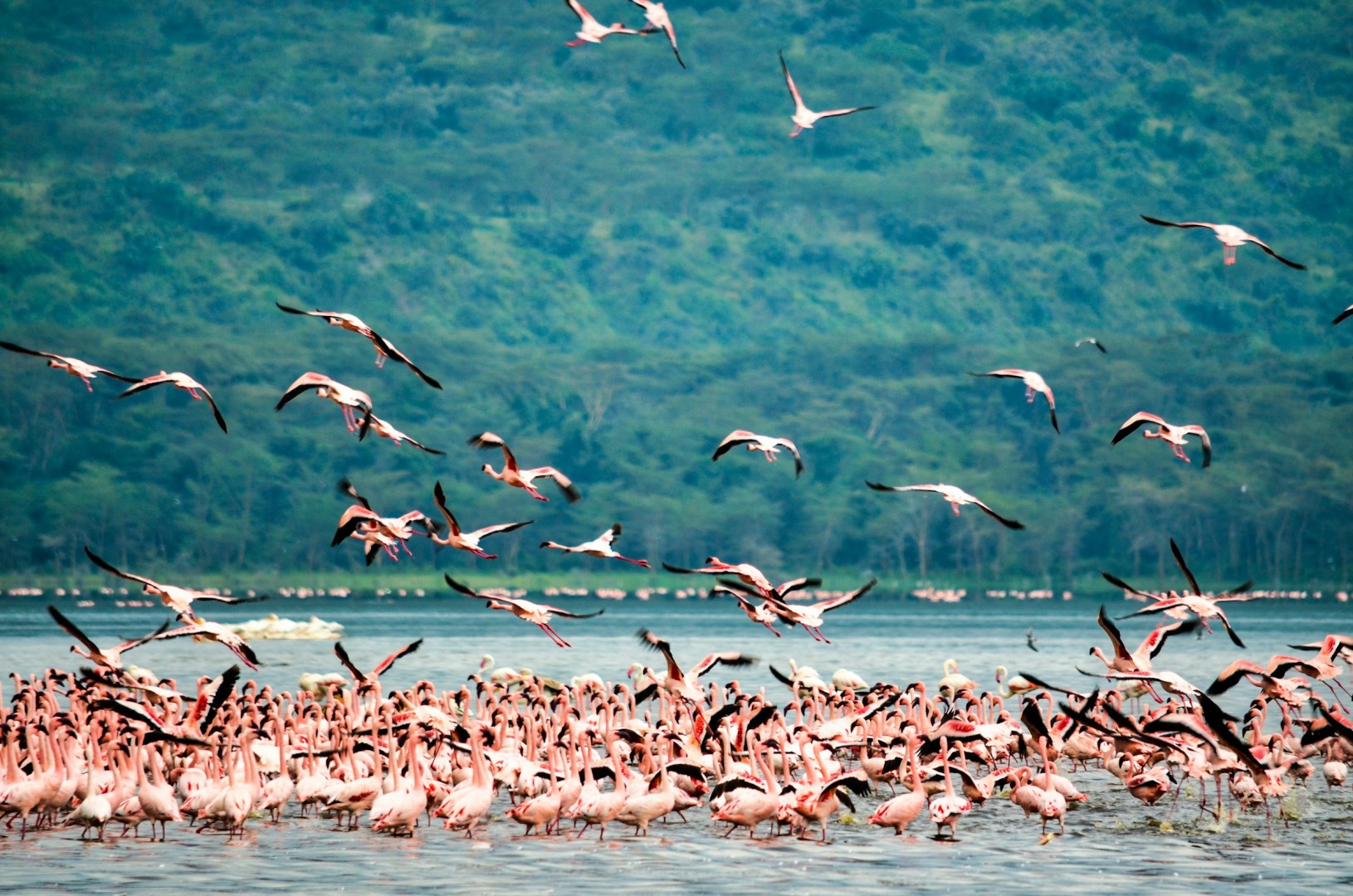
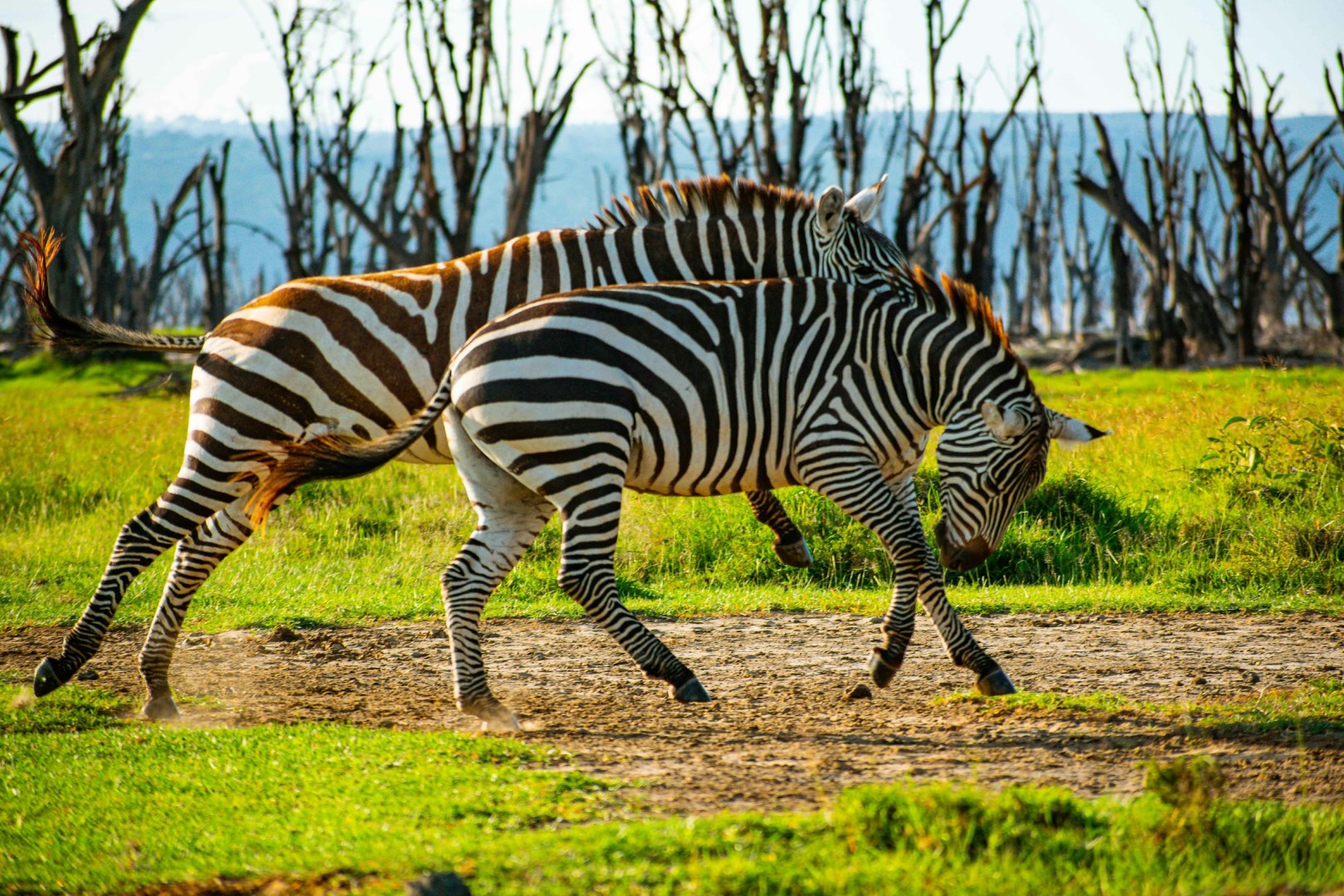
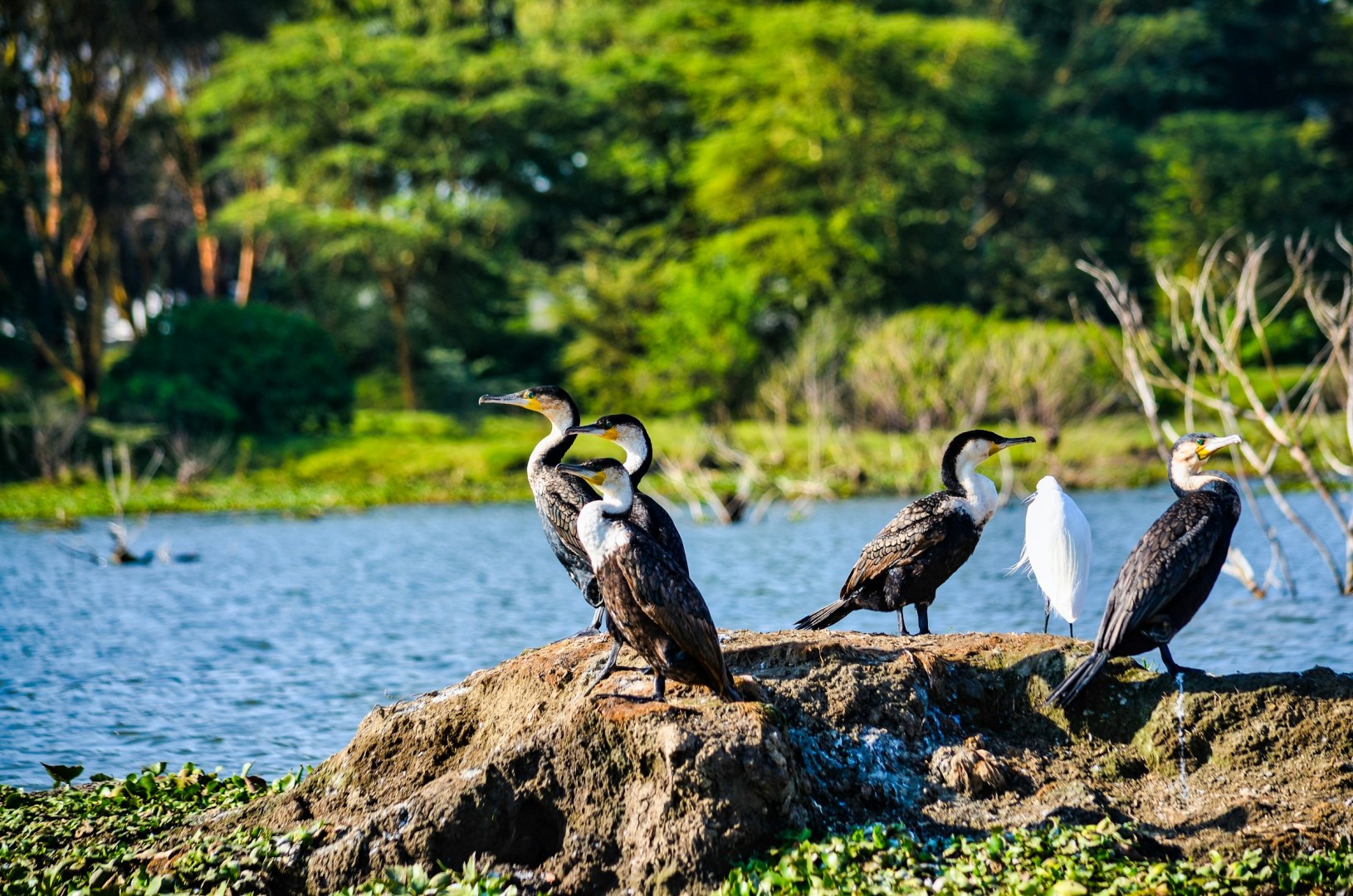
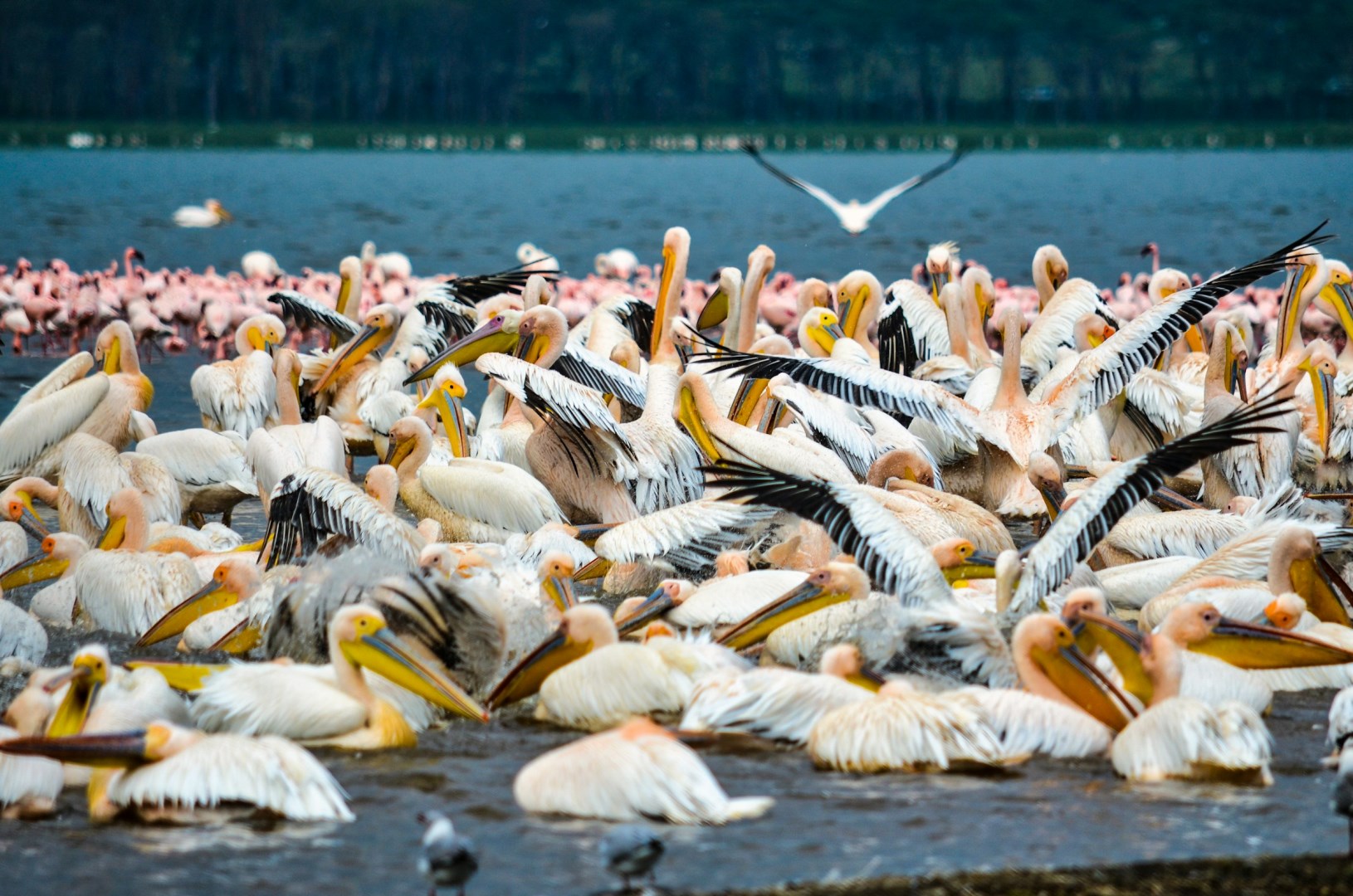
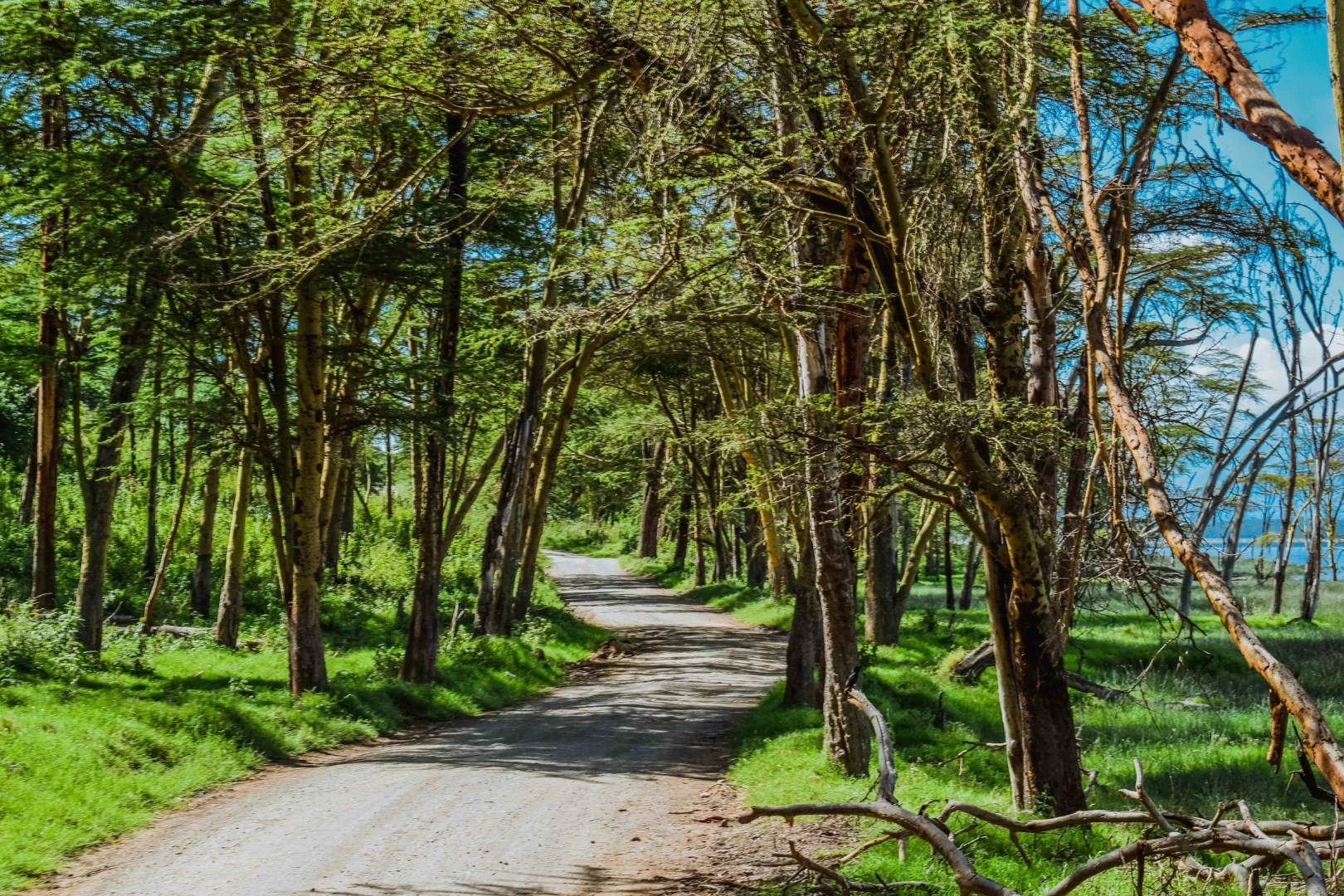
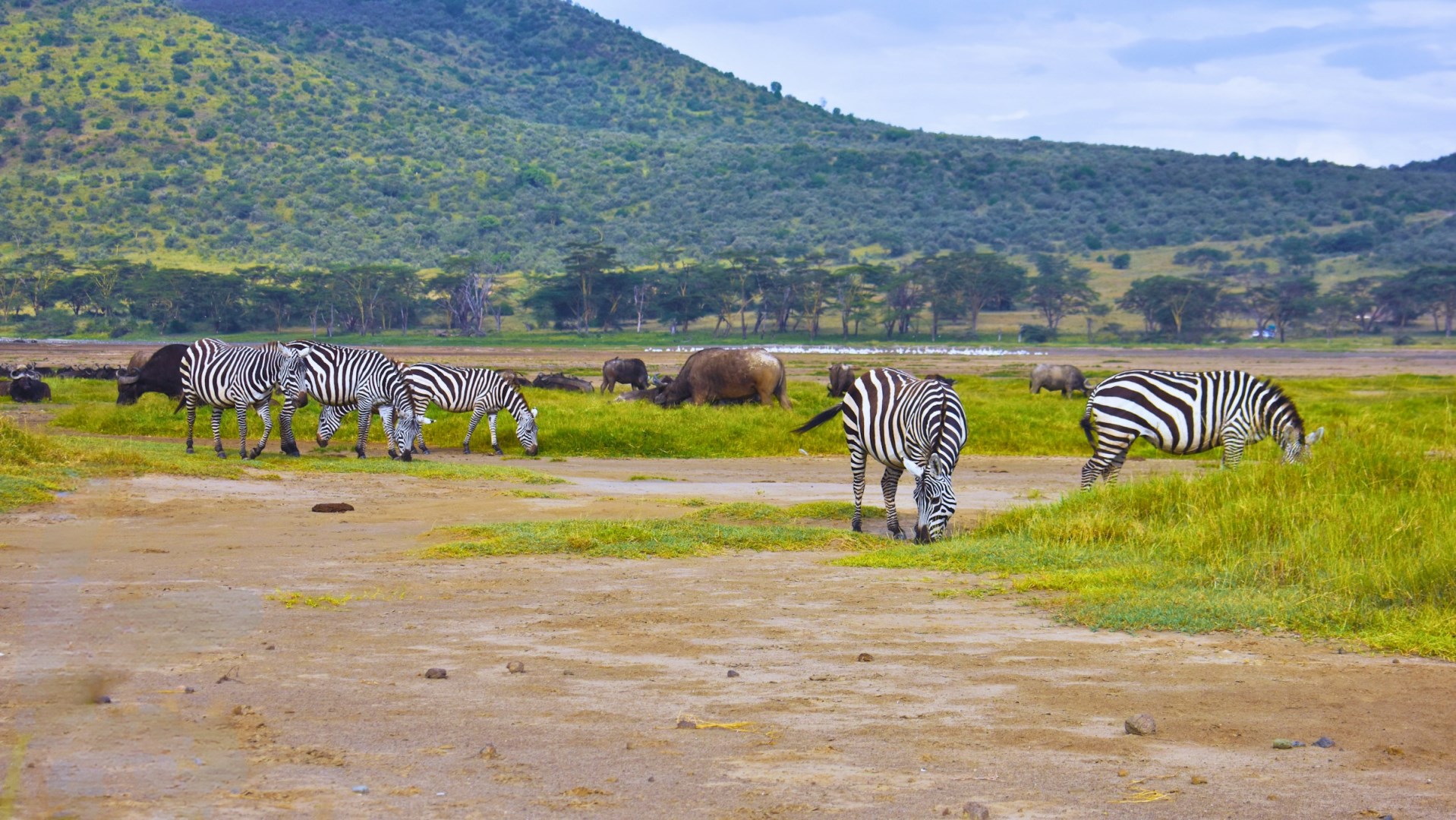
Lake Nakuru National Park is located in the heart of the Great Rift Valley. The Park encompasses the alkaline Lake Nakuru and has earned fame as the greatest bird spectacle in the world. The gathering of hundreds of thousands of greater and lesser pink flamingos. The massive flock of birds color the waters a delicate pink and feed on the abundant algae which thrives in the lake's shallow warm waters.
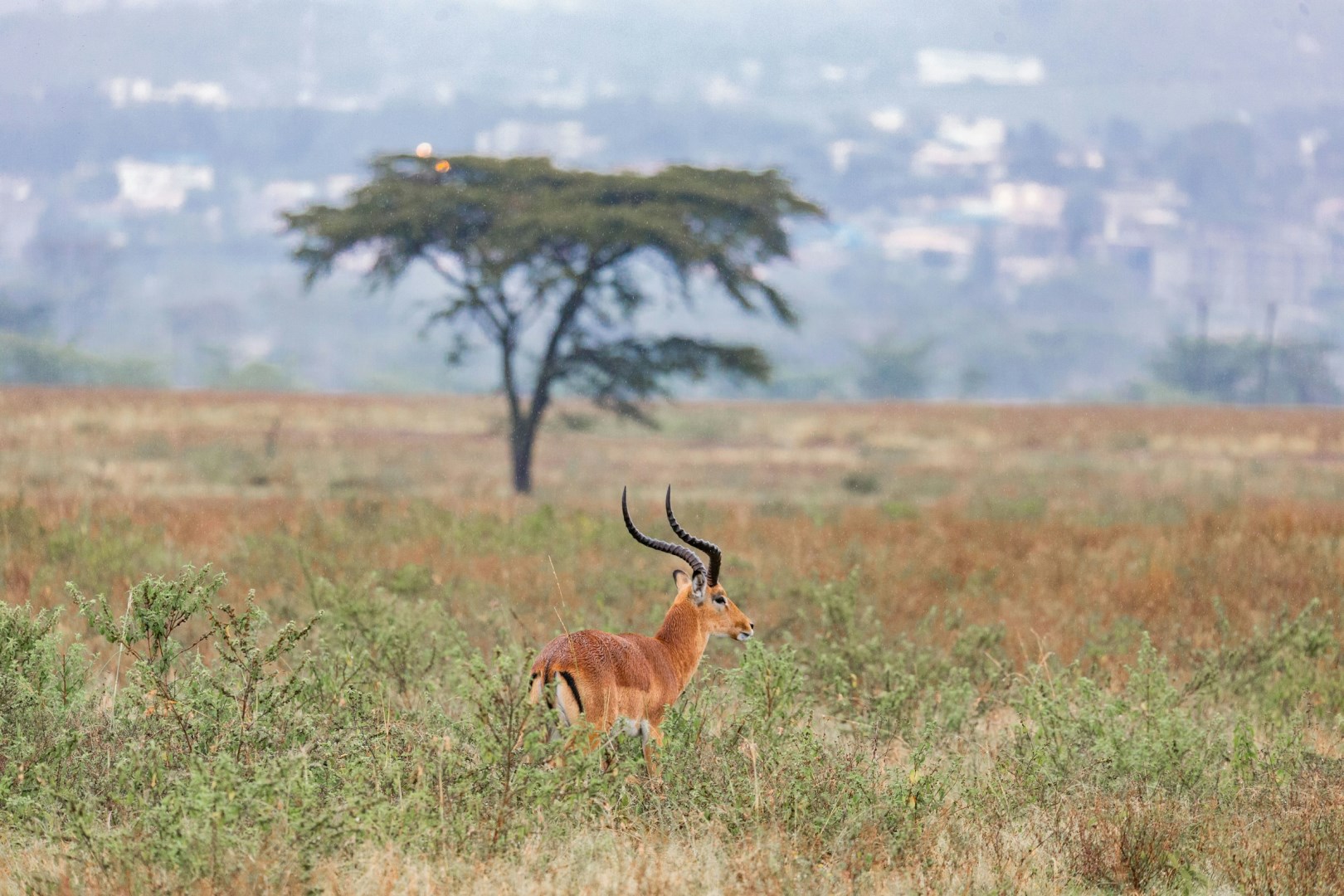
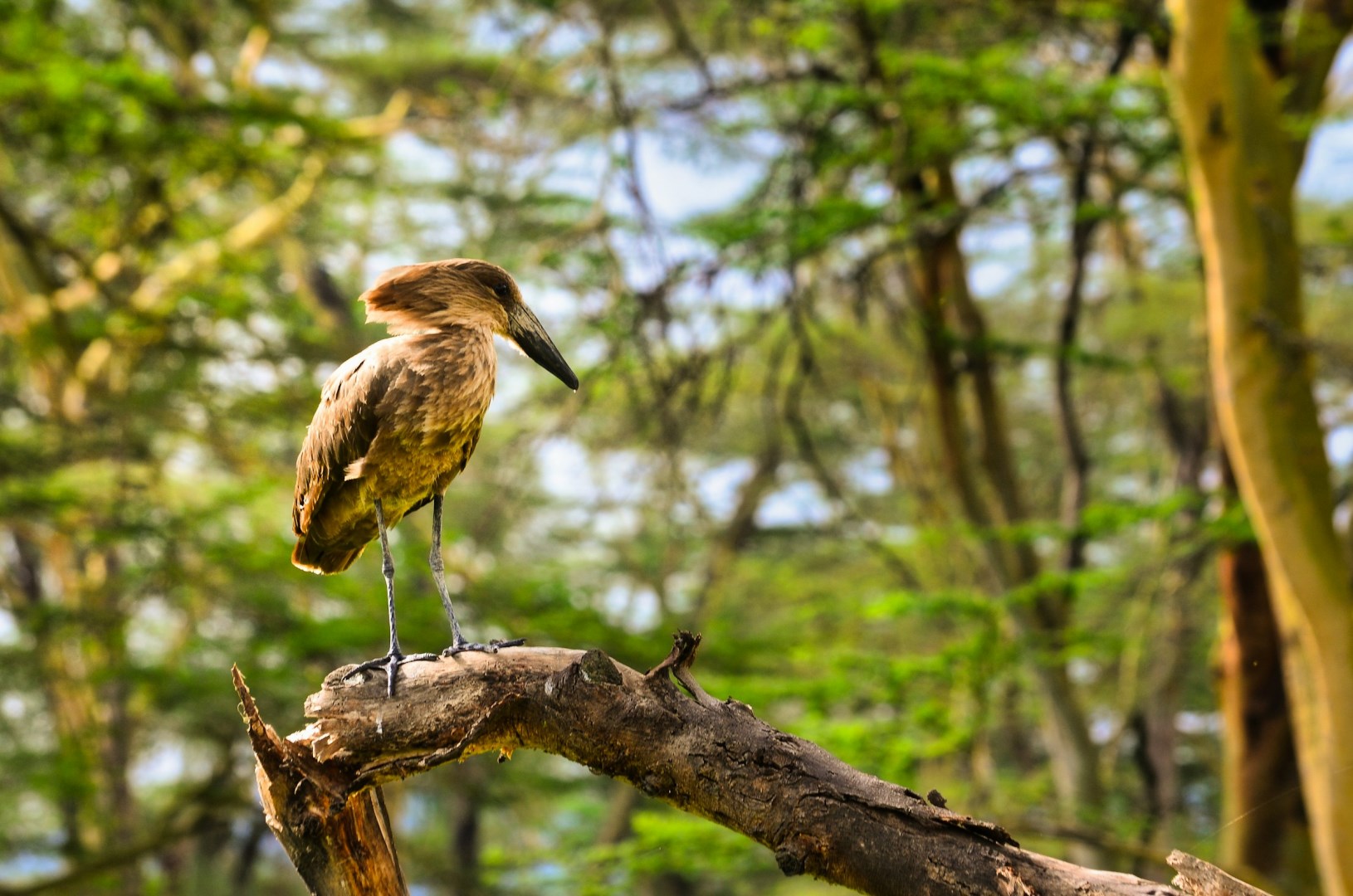
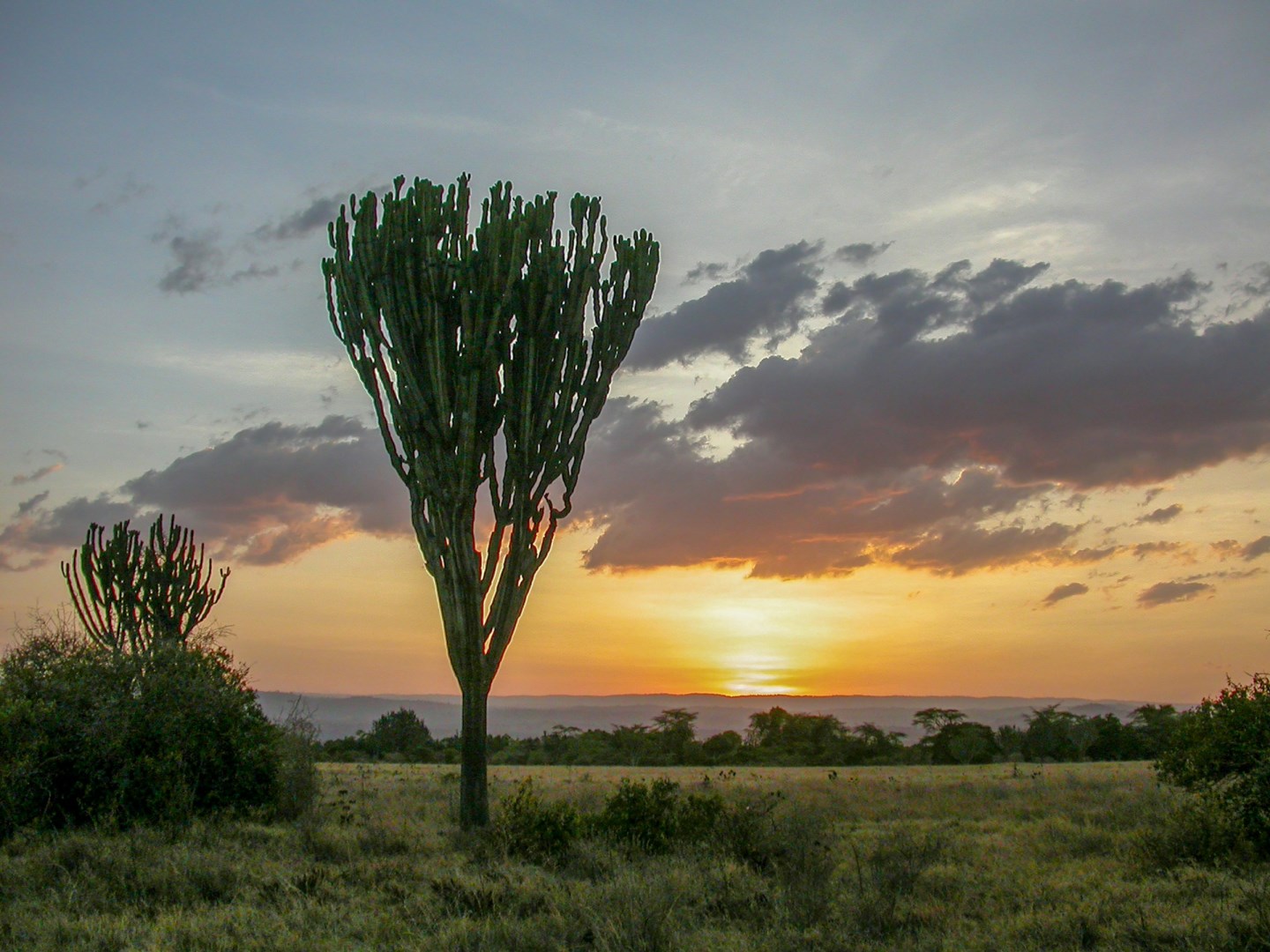
Lake Nakuru is subject to fluctuation in depth and once in every 20 to 30 years it dries up completely, in which case the flamingos and pelican fly over the Managaai crater to the more remote waters of Lake Bogoria. Lake Nakuru National Park covers 78 square miles, most of which is the lake itself. Nakuru has also been declared a black rhino sanctuary and has a number of these endangered animals underguard. Other wildlife found here are leopards, buffalo, Rothschild's giraffes, waterbucks, reedbucks, hippos, baboons, pelicans, and cormorants. The acacia savannah which surrounds the lake is itself beautiful and provides an area particuarly delightful for game viewing.