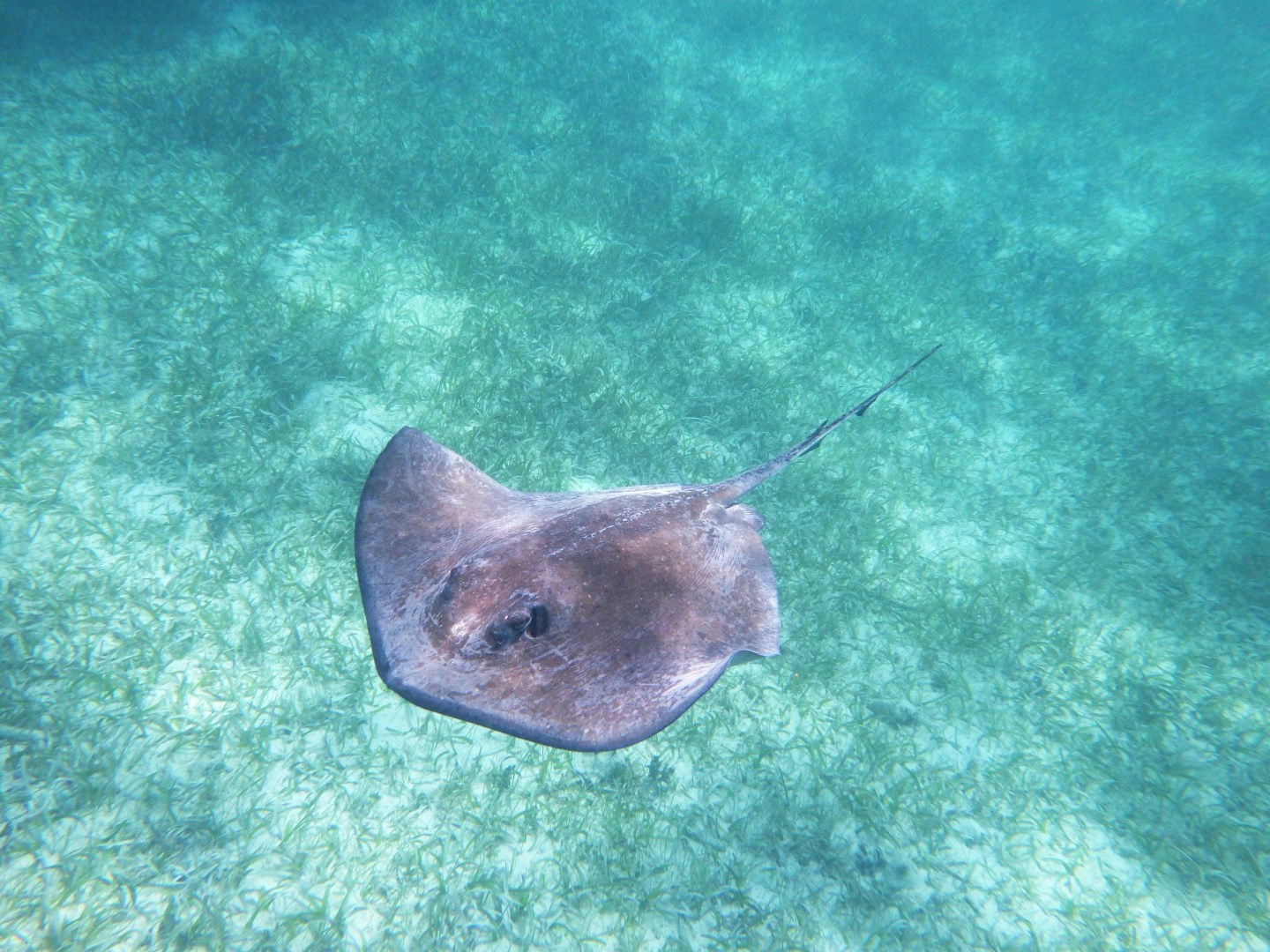
Hol Chan Marine Reserve lies off the southern coast of Ambergris Caye, near San Pedro in northern Belize. The protected area covers coral reefs, seagrass beds, mangroves, and channels that form part of the Belize Barrier Reef. Its name comes from the Maya words for “little channel,” referring to a natural break in the reef that allows water to move between the Caribbean Sea and the shallow lagoon.
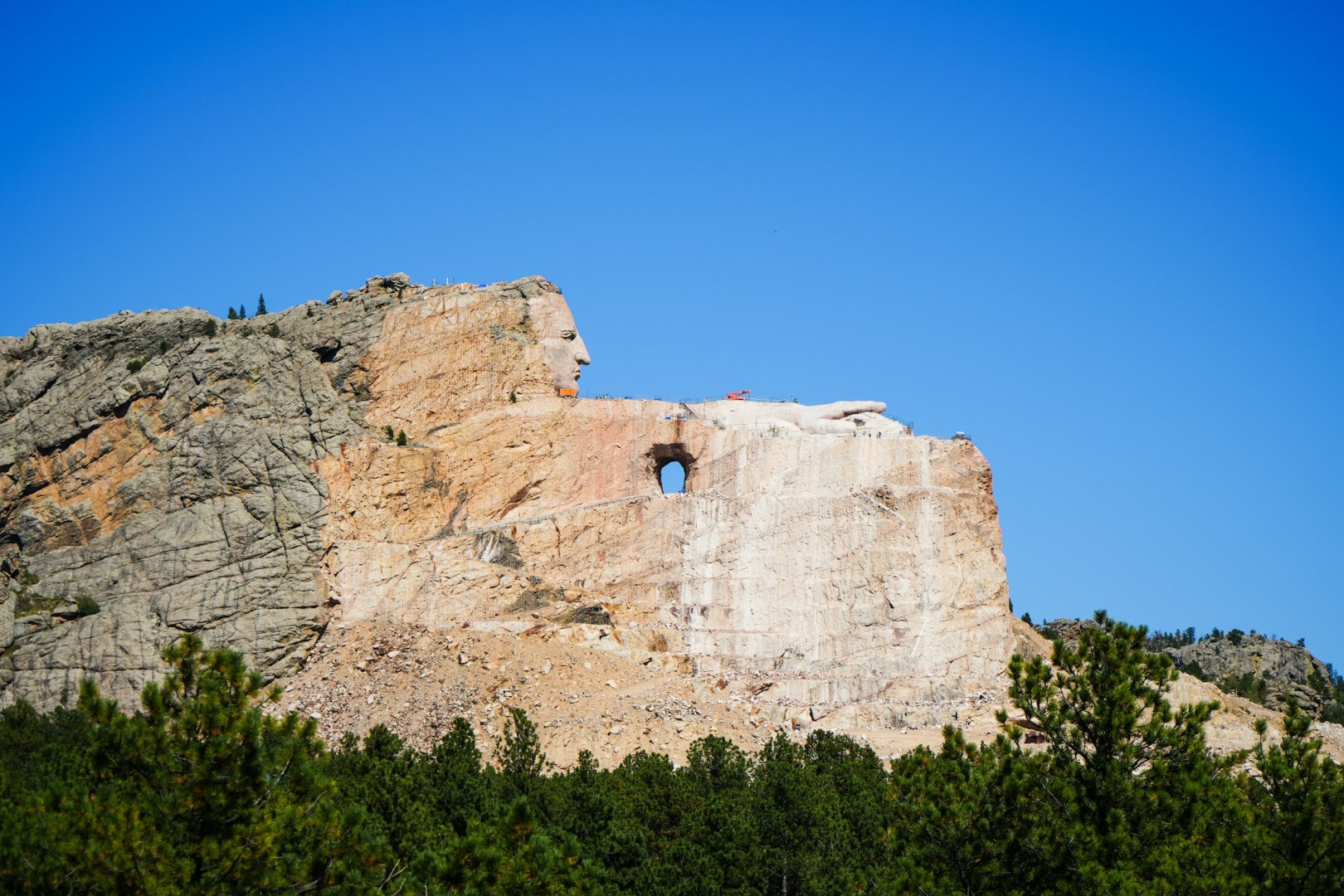
Crazy Horse Memorial stands in the Black Hills of South Dakota, between Custer and Hill City, where a massive mountain carving is being created to honor the Lakota leader Crazy Horse and the cultures of Native American peoples. The sculpture is cut directly into Thunderhead Mountain and is designed to depict Crazy Horse on horseback, pointing toward his ancestral lands
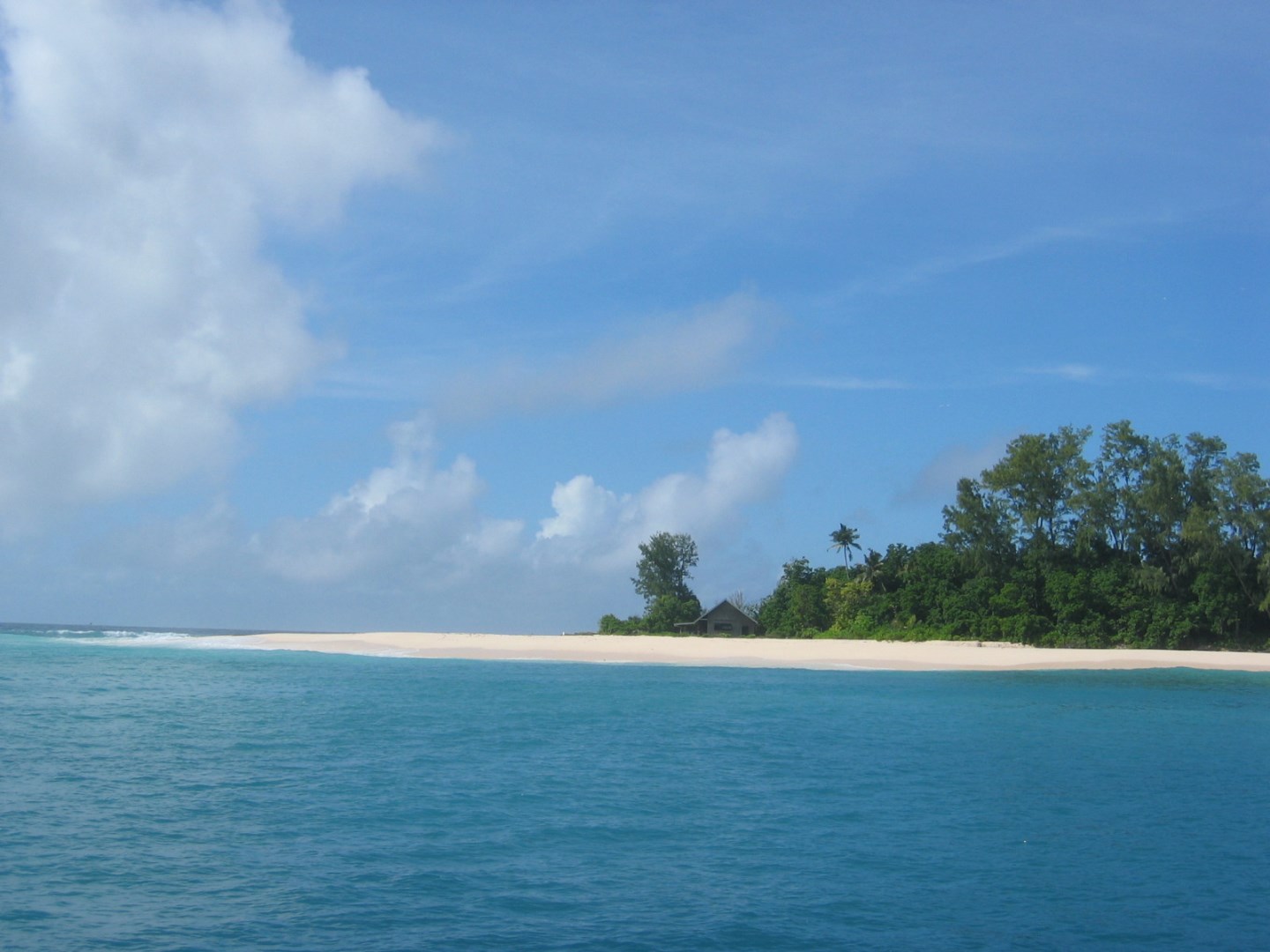
Cousin Atoll, a gem in the Seychelles, is renowned for its unspoiled natural beauty and thriving ecosystems. Located approximately 7 kilometers southwest of Praslin Island, this small, crescent-shaped atoll offers a pristine escape into nature. Its white sandy beaches, crystal-clear waters, and vibrant coral reefs make it an ideal destination for eco-tourists and nature enthusiasts
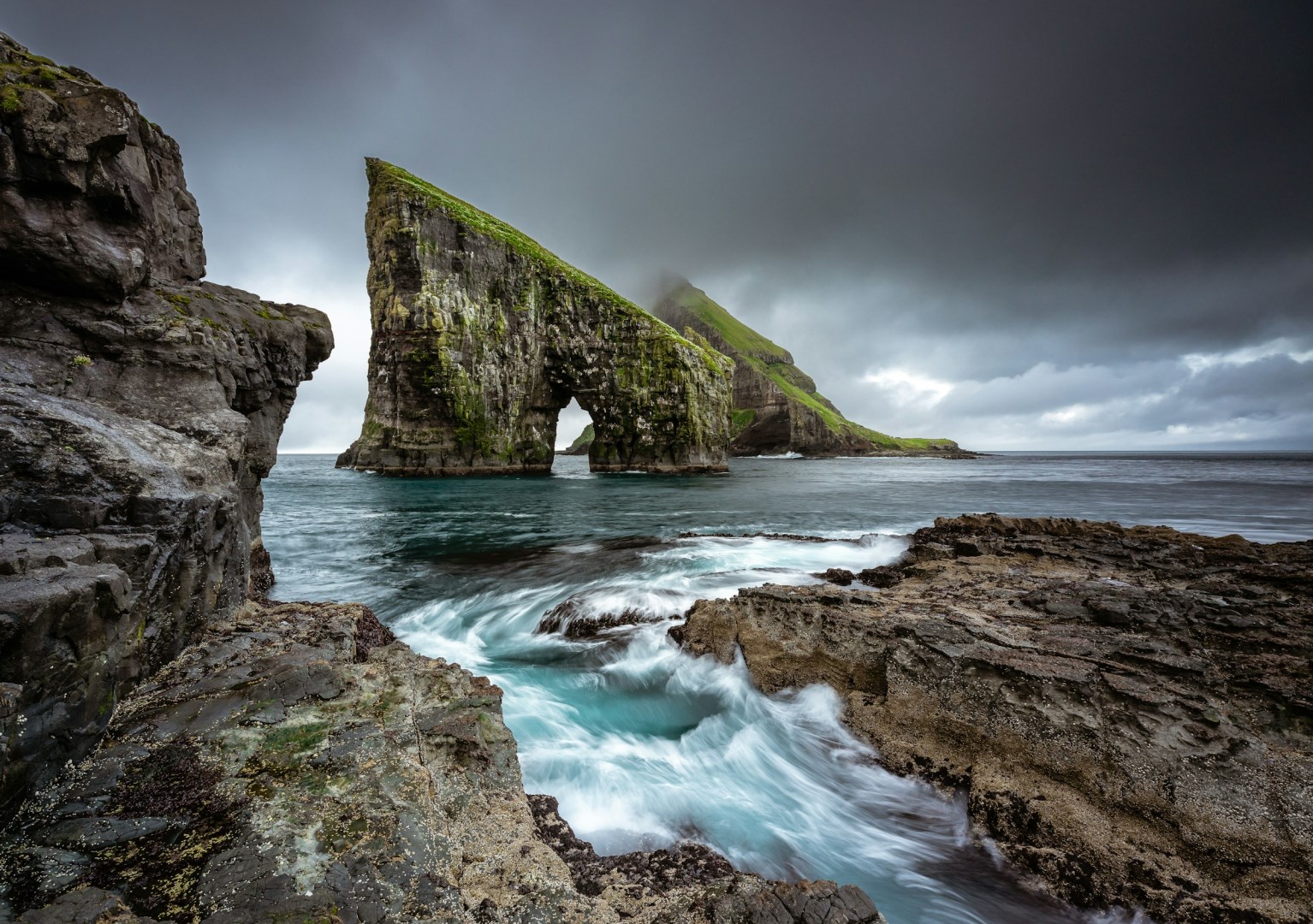
Vágar is one of the western islands of the Faroe Islands and the main arrival point for many visitors, with the archipelago’s only airport located near Sørvágur. The island combines high mountains, freshwater lakes, steep sea cliffs, and small villages set along sheltered bays. Its landscape is particularly varied for its size, ranging from the agricultural fields around Miðvágur and Sandavágur to the rugged western coast near Bøur and Gásadalur.
The Coromandel Peninsula on New Zealand’s North Island is a place where coastline and culture come alive in ways that stay with visitors long after they’ve left. Stretching for about 110 kilometers between the Hauraki Gulf and the Bay of Plenty, this region has deep roots that go back to the arrival of Māori long before Europeans stepped ashore.
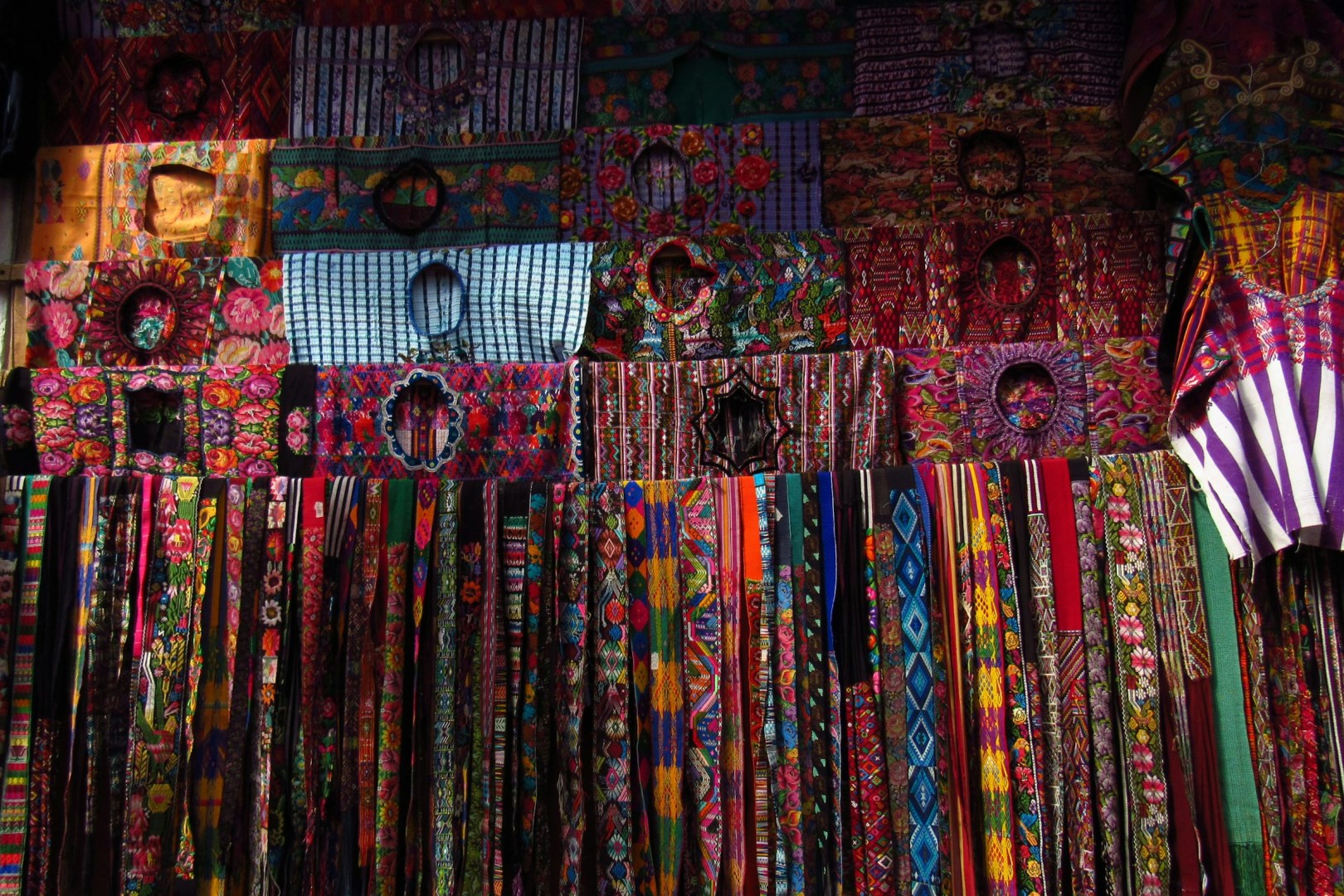
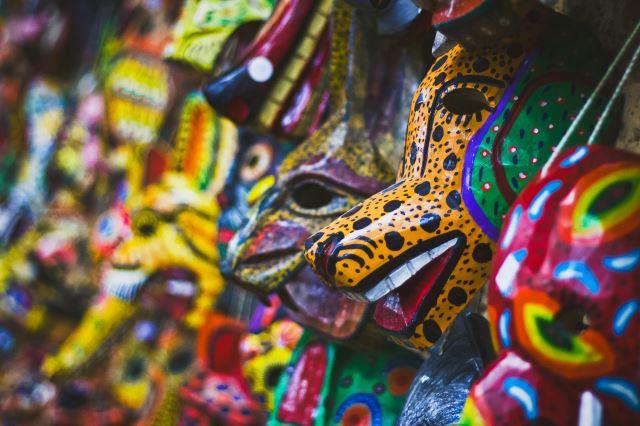
Chichicastenango, often simply called "Chichi," is a vibrant town in the highlands of Guatemala that offers an unparalleled cultural experience. Known for its lively indigenous market, which takes place every Thursday and Sunday, this bustling bazaar is one of the most famous in Central America. Here, visitors can immerse themselves in the rich tapestry of Mayan culture while browsing colorful textiles, handcrafted masks, and traditional pottery.
The town is also home to the Church of Santo Tomás, an impressive colonial-era church that stands on the site of a former Mayan temple. The church's unique architectural blend of Spanish and indigenous influences is a testament to Chichicastenango's complex history.
For those interested in the spiritual and mystical, Chichicastenango is a significant location for traditional Mayan ceremonies. Visitors can observe or participate in rituals led by local shamans, offering a profound glimpse into the spiritual practices that have persisted through centuries.
A fun fact about Chichicastenango is that its market and traditions are deeply intertwined with the surrounding natural environment. The town’s name is derived from the K'iche' Maya language, meaning "the place of the nettles," which reflects the rich flora of the region. With its vibrant market, rich history, and cultural significance, Chichicastenango offers an unforgettable journey into the heart of Guatemalan heritage.
Other Popular Destinations in Guatemala
Antigua
Antigua is a city shaped by centuries of artistry, tradition, and natural forces. Set in a highland valley and surrounded by volcanoes, its streets are lined with colorful buildings, hidden courtyards, and open-air plazas. The Santa Catalina Arch is one of Antigua’s most recognizable features, originally built as a passage between two sections of a convent. Today, it frames a dramatic view of Volcán de Agua and is a popular gathering spot for both locals and visitors.
Tikal National Park
Tikal is one of the most extraordinary ancient cities in Guatemala, hidden deep in the Petén region’s tropical forests. Once called Yax Mutal by its Maya builders, these ruins reveal thousands of years of history in carved stone stelae and towering limestone structures, some of which rise more than 60 meters above the jungle floor. Today, visitors can walk among the Great Plaza and gaze up at the Temple of the Great Jaguar and the Temple of the Masks, reminders of the city’s long legacy.