Located in the Gulf of St. Lawrence in southeastern Canada, Prince Edward Island has been nicknamed "The Garden of the Gulf." It was founded in 1534 by French Explorer Jacques Cartier and is primarily a fishing center and summer tourist destination.
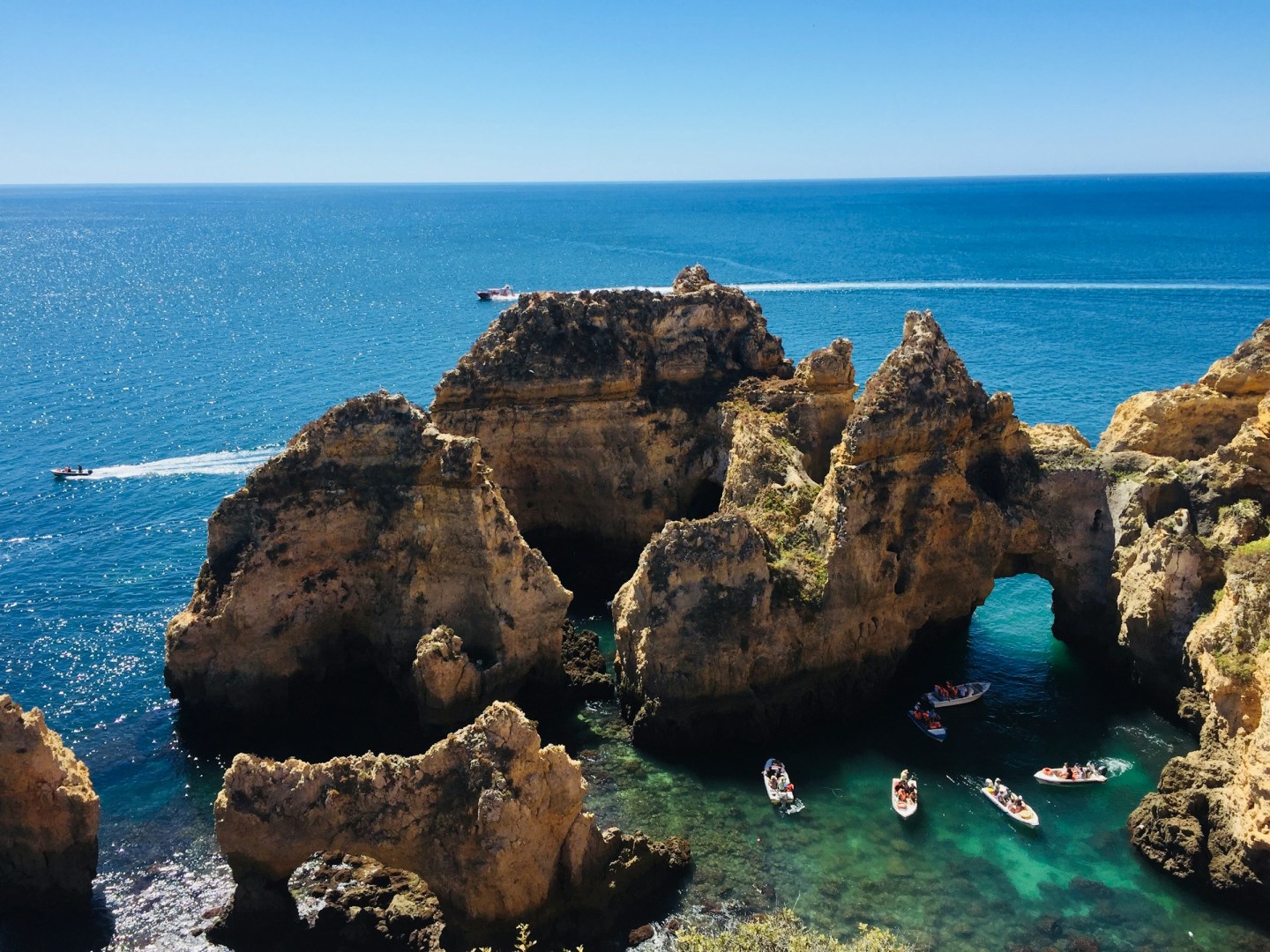
Lagos sits on the southern edge of Portugal’s Algarve where a lively old port town meets wide Atlantic skies. Just a short stroll from the heart of town, the coast drops away into a spectacle at Ponta da Piedade, where golden sandstone cliffs rise out of the Atlantic and have been shaped into stacks, natural arches and grottoes over millennia. At the top, the Ponta da Piedade Lighthouse watches over this dramatic shoreline and offers a great backdrop for photos as the sun sets into the ocean.
Ohio offers a blend of surprises that range from ancient earthworks to world-class roller coasters. In the southern part of the state, the newly designated Hopewell Ceremonial Earthworks tells the story of a sophisticated Native American culture that built massive geometric mounds over 2,000 years ago. Visitors can walk among these quiet, grassy structures and learn how they were used for ceremonies, astronomy, and social gatherings long before European contact.
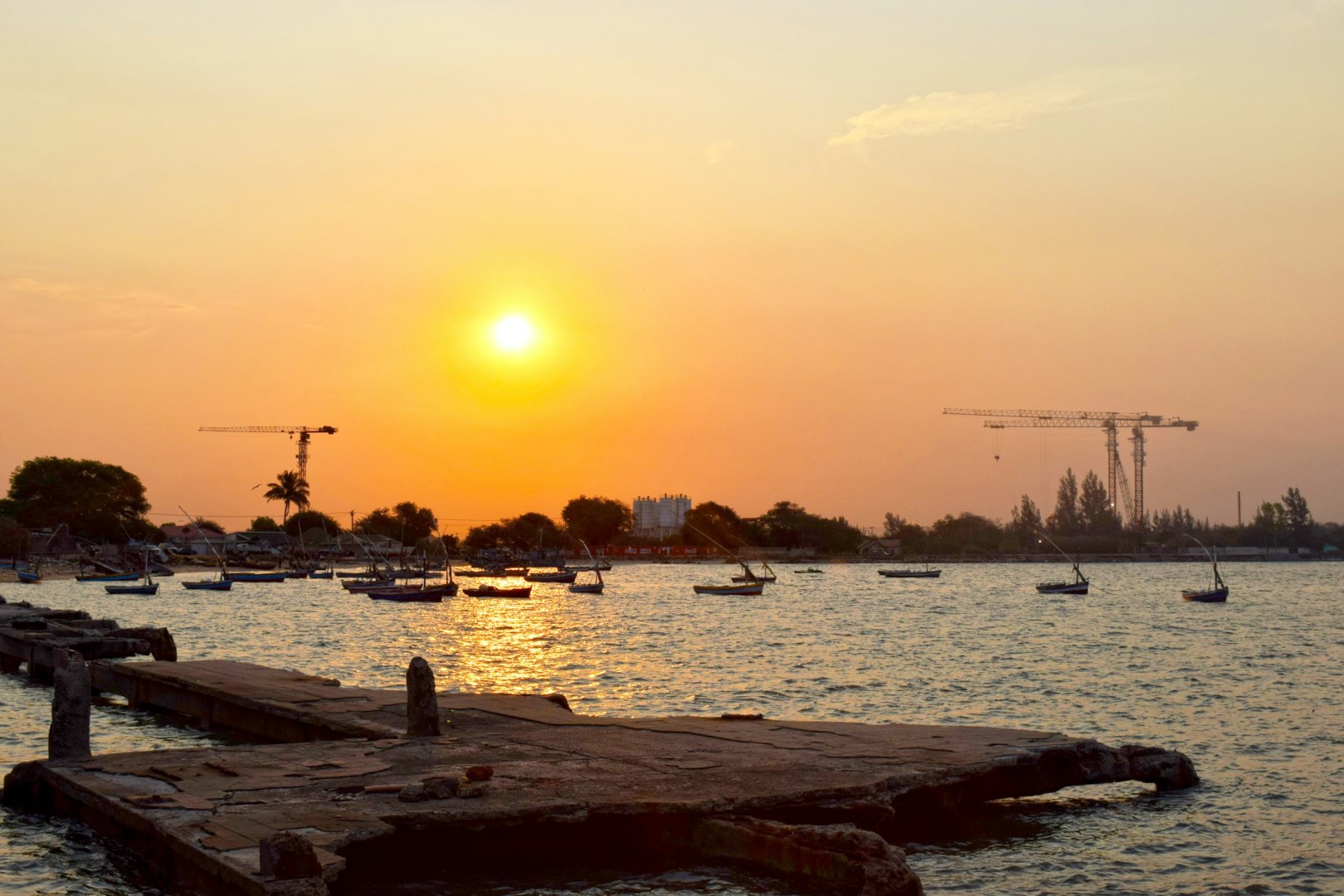
Catembe is a coastal district of Maputo, located on the southern shore of Maputo Bay directly across the water from central Maputo. Its landscape includes sandy beaches, low coastal vegetation, open land, and views across the bay toward the capital. The district has traditionally been a quieter counterpart to Maputo, with fishing, small-scale agriculture, and coastal activities forming part of local life.
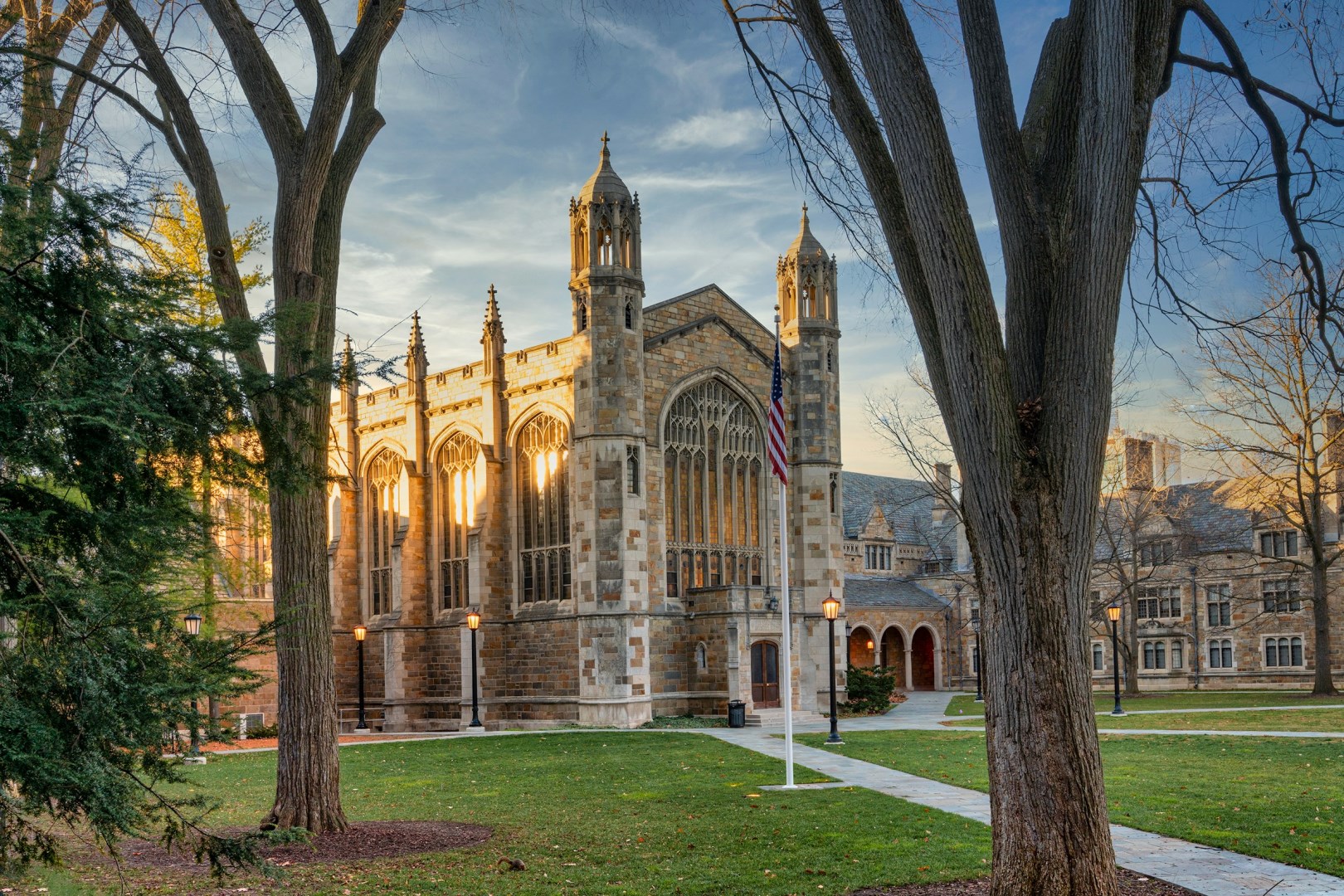
Long regarded as one of the freest-thinking college towns in the U.S., Ann Arbor is home to the University of Michigan, the Gerald R. Ford Presidential Library and Domino's Pizza. While you're in Ann Arbor, be certain to see the city's many fascinating historic buildings; the Kelsey Museum of Ancient and Medieval Archaeology; and Kerrytown (a diversity of specialty shops and eateries in restored 19th-century buildings close to the Farmers Market).
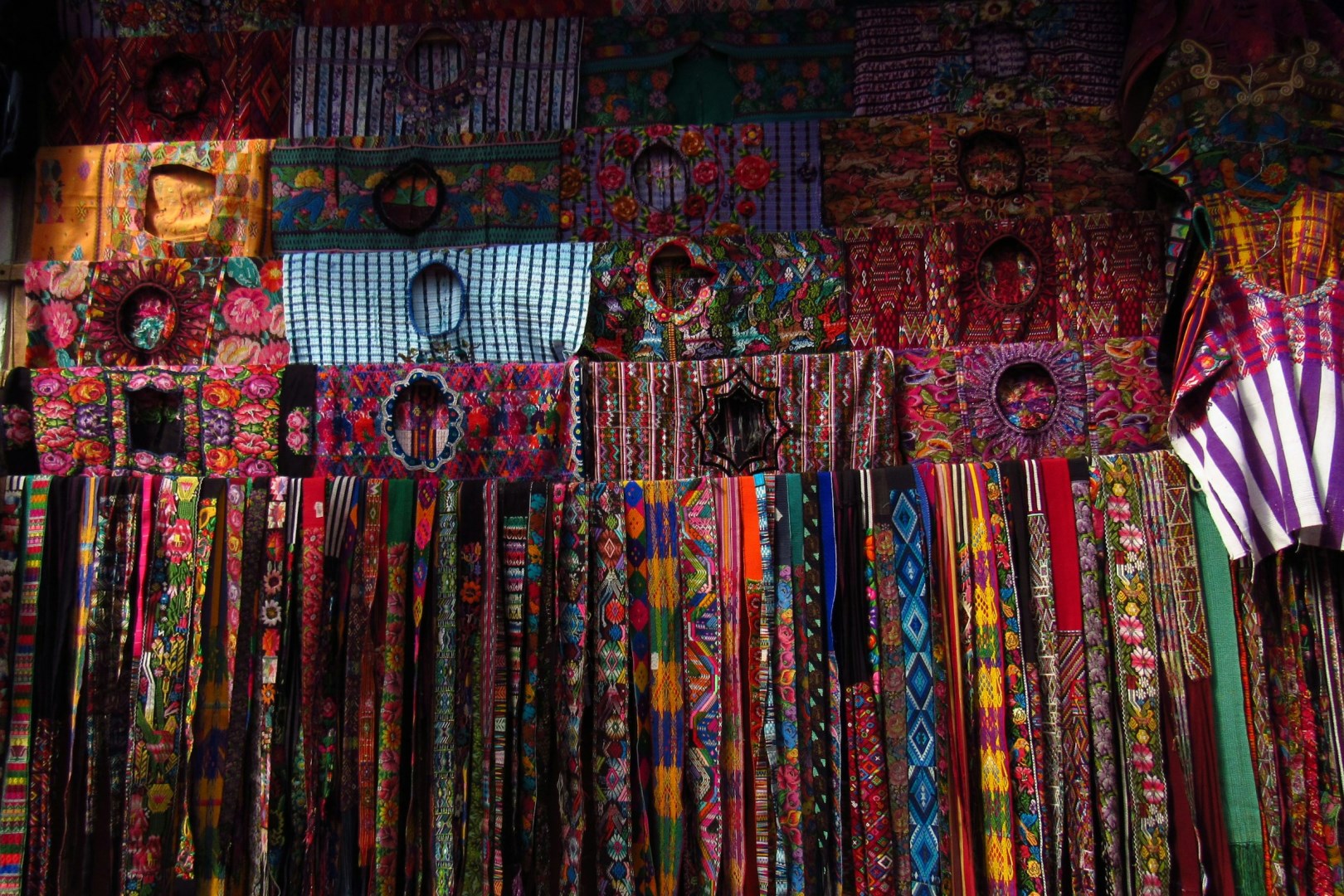
Chichicastenango, often simply called "Chichi," is a vibrant town in the highlands of Guatemala that offers an unparalleled cultural experience. Known for its lively indigenous market, which takes place every Thursday and Sunday, this bustling bazaar is one of the most famous in Central America. Here, visitors can immerse themselves in the rich tapestry of Mayan culture while browsing colorful textiles, handcrafted masks, and traditional pottery.
The town is also home to the Church of Santo Tomás, an impressive colonial-era church that stands on the site of a former Mayan temple. The church's unique architectural blend of Spanish and indigenous influences is a testament to Chichicastenango's complex history.
For those interested in the spiritual and mystical, Chichicastenango is a significant location for traditional Mayan ceremonies. Visitors can observe or participate in rituals led by local shamans, offering a profound glimpse into the spiritual practices that have persisted through centuries.
A fun fact about Chichicastenango is that its market and traditions are deeply intertwined with the surrounding natural environment. The town’s name is derived from the K'iche' Maya language, meaning "the place of the nettles," which reflects the rich flora of the region. With its vibrant market, rich history, and cultural significance, Chichicastenango offers an unforgettable journey into the heart of Guatemalan heritage.
Other Popular Destinations in Guatemala
Tikal National Park
Tikal is one of the most extraordinary ancient cities in Guatemala, hidden deep in the Petén region’s tropical forests. Once called Yax Mutal by its Maya builders, these ruins reveal thousands of years of history in carved stone stelae and towering limestone structures, some of which rise more than 60 meters above the jungle floor. Today, visitors can walk among the Great Plaza and gaze up at the Temple of the Great Jaguar and the Temple of the Masks, reminders of the city’s long legacy.
Rio Dulce
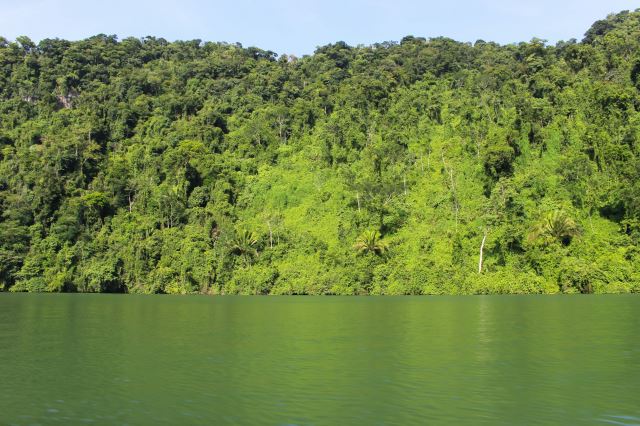
Rio Dulce is a river region in eastern Guatemala that connects Lake Izabal to the Caribbean Sea. The area is centered around the town of Fronteras and the long waterway that cuts through tropical forest, limestone cliffs, and wetland habitats.