
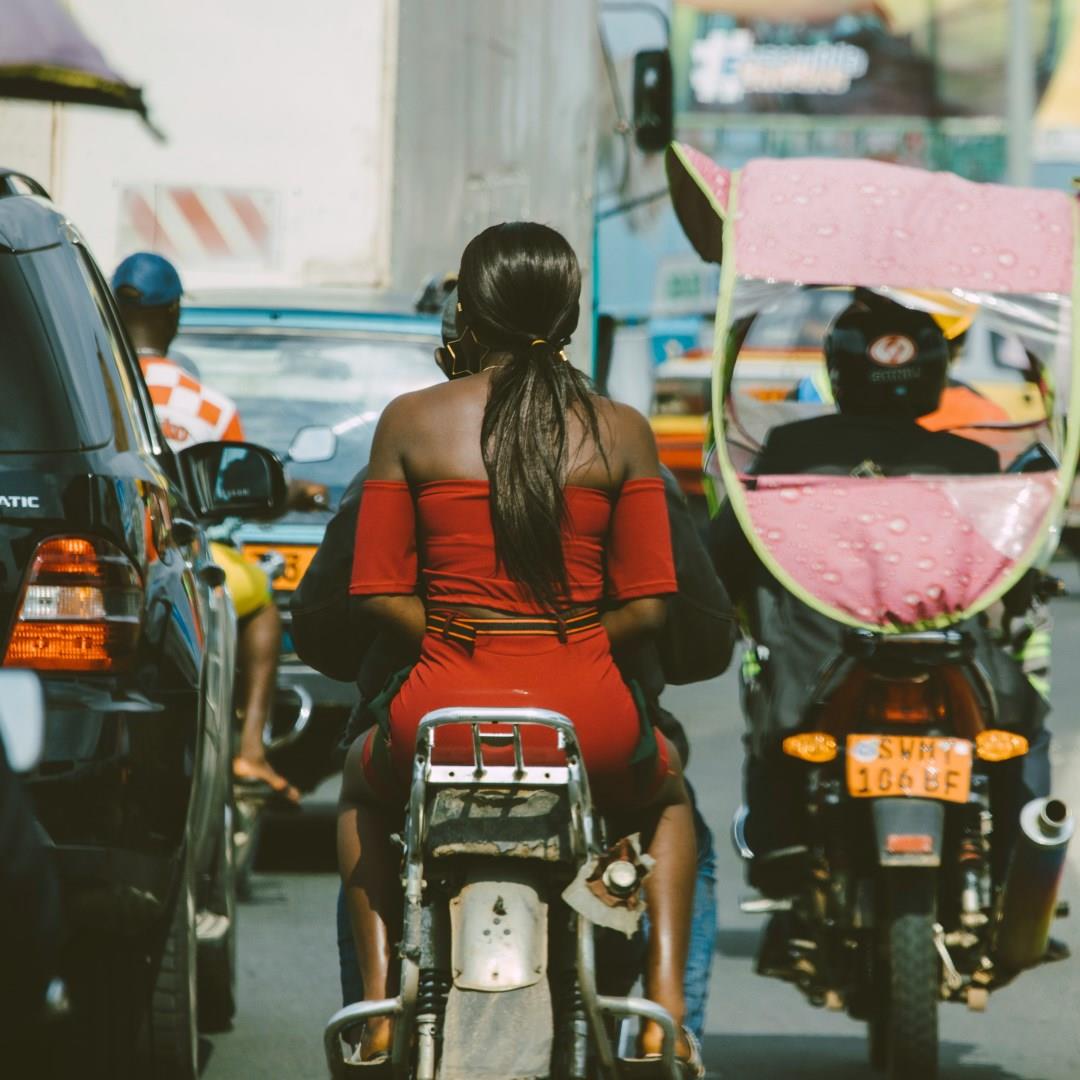
Douala is Cameroon’s largest city and its economic powerhouse, but beyond the busy ports and bustling streets lies a city full of creativity, flavor, and unexpected charm. Located on the Atlantic coast, Douala has long served as a crossroads of cultures. The city's waterfront, especially along the Wouri River, is a great place to watch the movement of boats, local fishermen, and floating markets while soaking in the tropical coastal air.
Guanacaste is a province on the western coast of Costa Rica in Central America. A biodiverse paradise, this region is popular for its tropical rainforests, beaches, and a variety of adventurous activities, including ziplining and snorkeling.
Semarang is a port city on the north coast of Java, shaped by centuries of trade, migration, and cultural exchange. As an important hub during the Dutch colonial period, it developed into a city where Javanese traditions intersect with European and Chinese influences.
Motril, Spain, is located near the Guadalfeo River on the Mediterranean coast in the province of Granada. Sugar cane refineries form the backbone of Motril's economy, though tourism is also an essential industry.
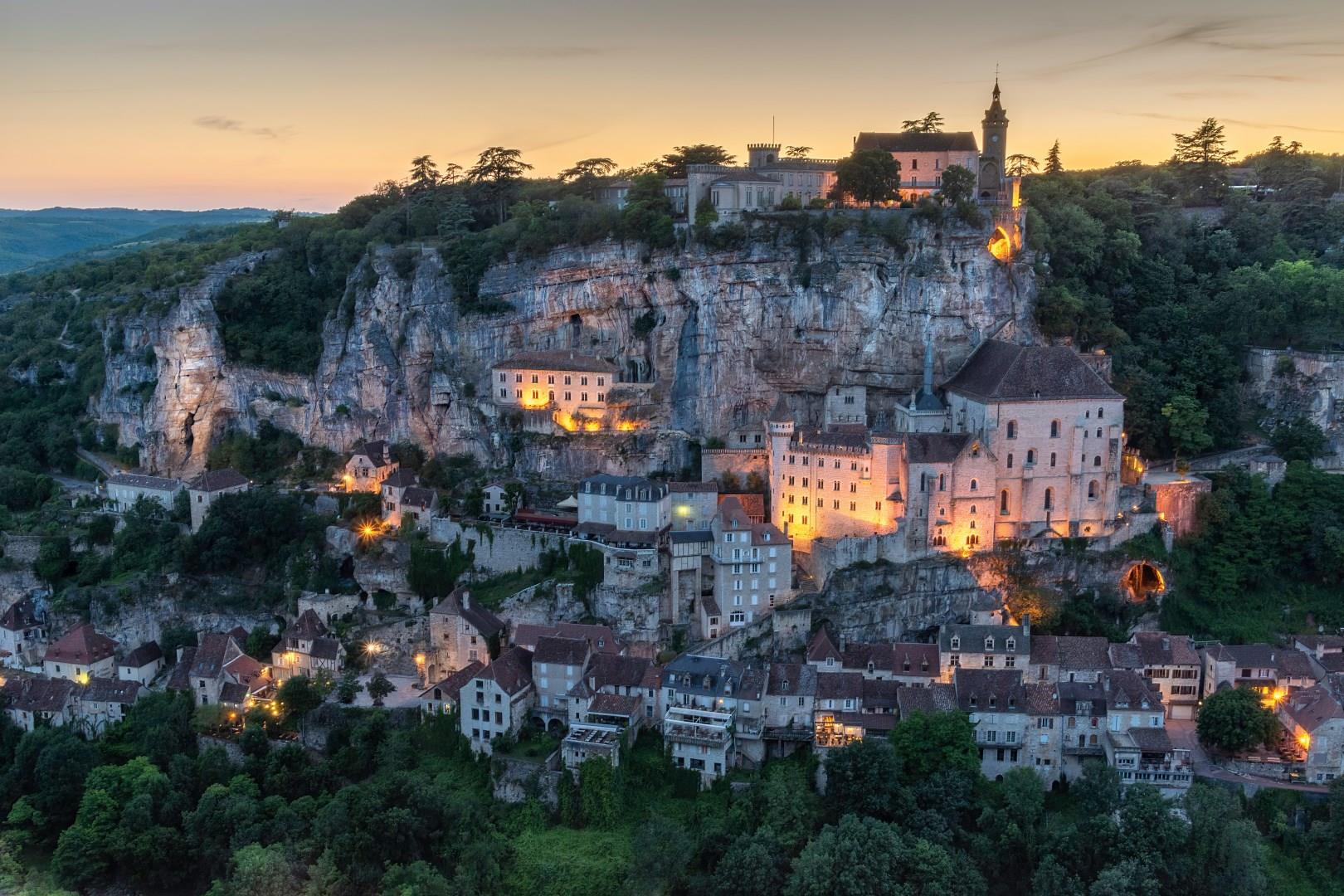
Rocamadour is a remarkable village set against a steep limestone cliff in the Lot department of southwestern France. Its stone buildings, narrow lanes and ancient sanctuaries rise in stages above the Alzou River valley, giving the settlement a striking silhouette that has drawn visitors for centuries. Pilgrims have come here since the Middle Ages to see the Black Madonna in the Chapelle Notre-Dame and to walk the Chemin de Croix.
Brno, the vibrant heart of the Czech Republic's Moravian region, offers a captivating blend of historical charm and modern dynamism. As the second-largest city in the country, Brno is known for its striking architecture, including the Špilberk Castle, which overlooks the city from its hilltop perch. Originally a medieval fortress, Špilberk Castle has evolved into a cultural and historical museum, showcasing exhibits on the city’s rich past and providing panoramic views of Brno.
The Villa Tugendhat, a UNESCO World Heritage Site, is another must-see for visitors. Designed by the renowned architect Ludwig Mies van der Rohe, this modernist gem from the 1920s is celebrated for its innovative design and use of space. A tour through this architectural marvel offers insight into early 20th-century design principles and the history of one of the most influential architects of the modern era.
For a taste of Brno’s lively cultural scene, explore the Brno City Museum and its collection of local artifacts, or wander through the bustling Zelný trh (Cabbage Market), where the colorful market stalls and lively atmosphere reflect the city's deep-rooted traditions. This area is perfect for sampling local delicacies and experiencing the vibrant daily life of Brno.
A fun fact about Brno is that it is home to one of the most intriguing historical curiosities: the Brno Ossuary, the second-largest ossuary in Europe. Discovered beneath the Church of St. James, this vast underground cemetery holds the remains of thousands of people and offers a fascinating glimpse into the city's historical past. With its rich history, stunning architecture, and lively cultural scene, Brno is a destination that promises to enchant and engage every visitor.