

Virginia
Virginia is a state where past and present share the same ground. In places like Colonial Williamsburg, costumed interpreters walk the same streets once frequented by American revolutionaries, while nearby Jamestown and Yorktown complete what's known as the Historic Triangle. Outside its historic corridors, Virginia surprises visitors with its changing landscapes, from the rolling horse farms of Middleburg to the rugged terrain of the Blue Ridge Mountains.
Livingstone
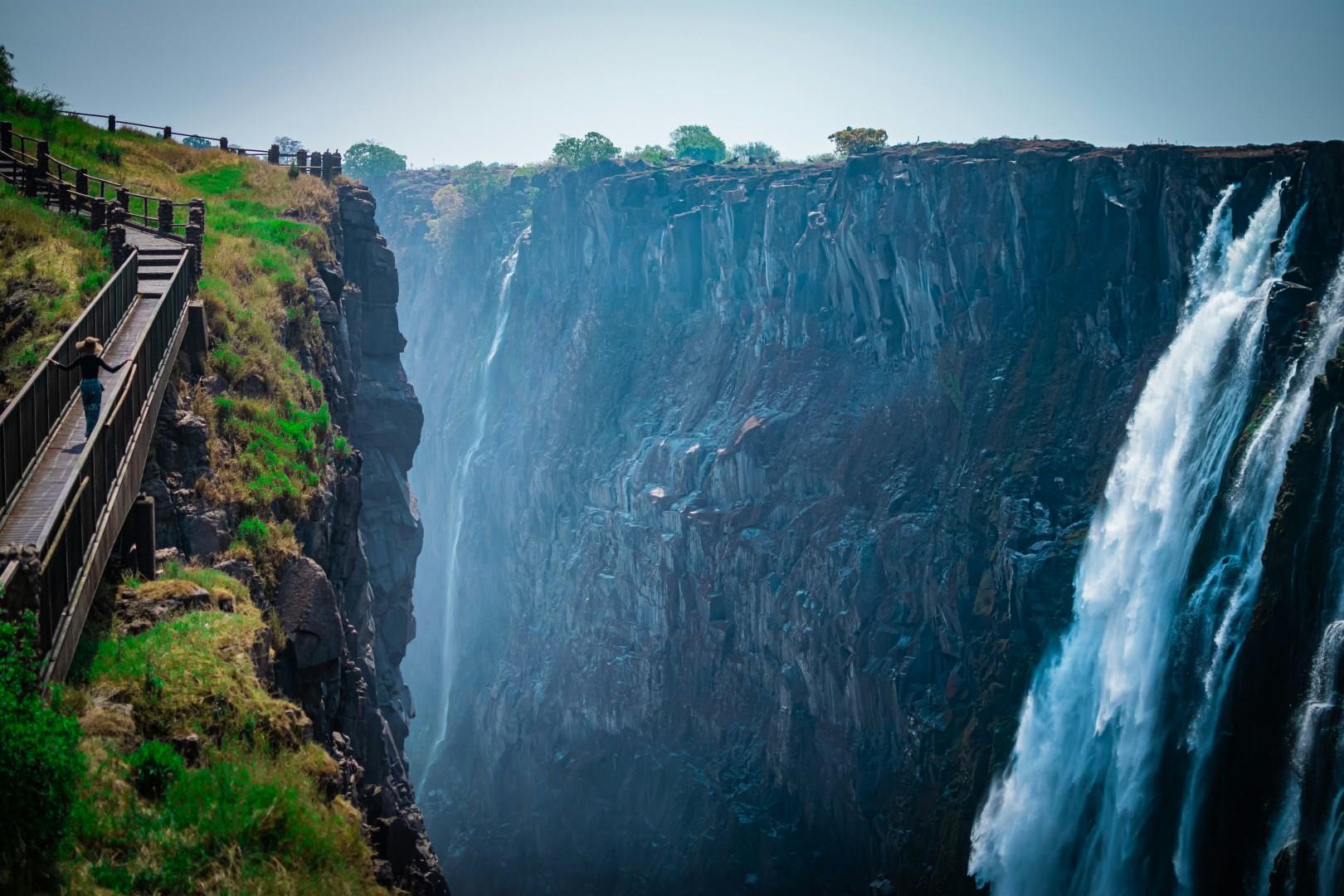
In the heart of Zambia lies Livingstone, a city that serves as the gateway to one of the most spectacular natural wonders in the world: Victoria Falls. This UNESCO World Heritage Site, often referred to as "The Smoke That Thunders," is renowned for its breathtakingly powerful waterfalls on the Zambezi River. The falls, which span over 1,700 meters wide and plunge 108 meters deep, offer a mesmerizing display of nature's might.
Milos
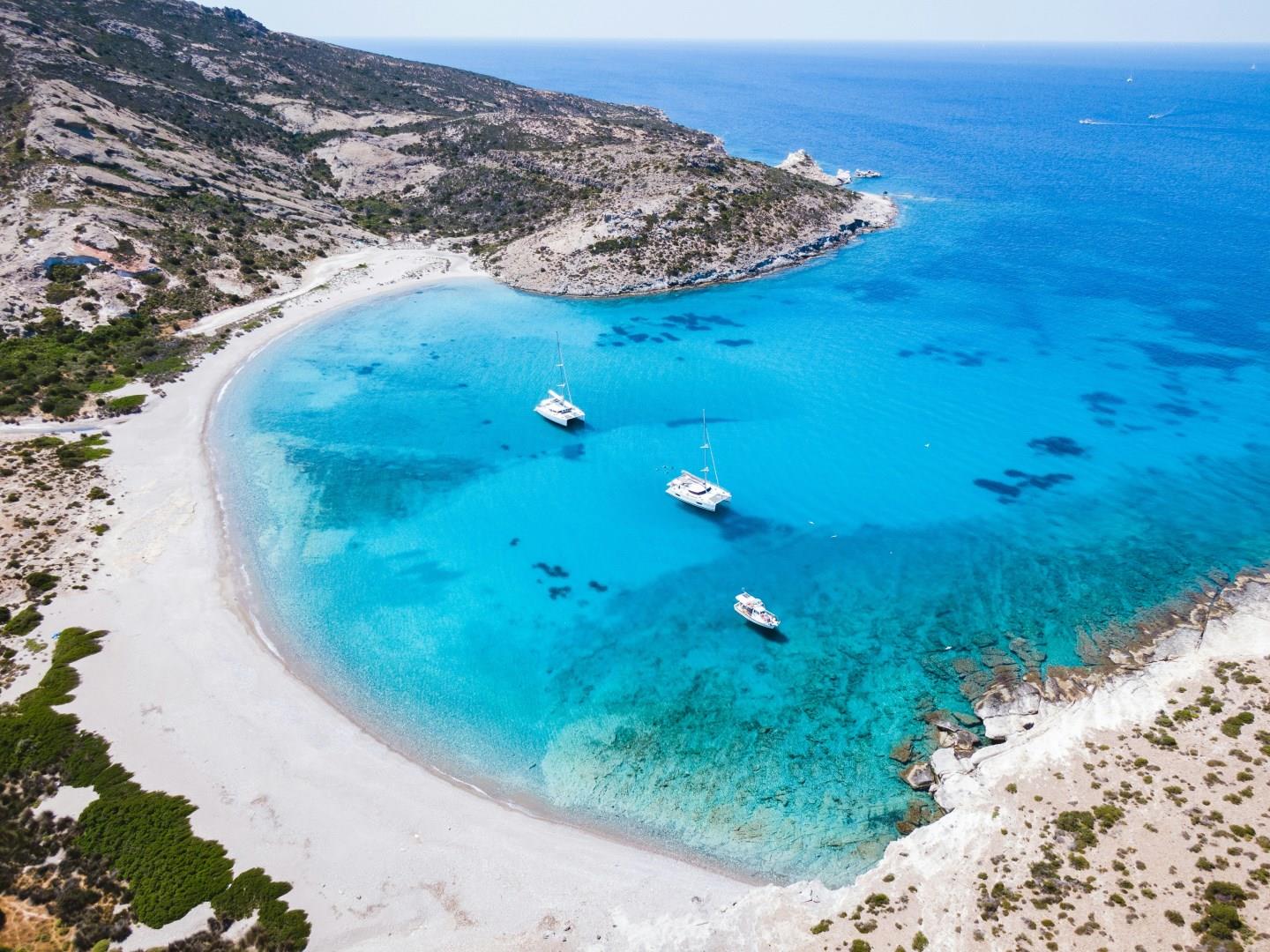
Milos is one of the most striking islands in the Aegean Sea, known for its otherworldly landscapes, turquoise coves, and centuries-old history. Shaped like a horseshoe, the island was formed by volcanic activity which left behind dramatic cliffs and hidden beaches carved from soft white rock. Visitors often find their first glimpse of Milos unforgettable, especially at Sarakiniko Beach where smooth, chalk-white formations contrast with the vivid blue water.

Memphis
Memphis is as deeply rooted in culture as it is in history. Discover the city's cultural attractions at the Memphis Brooks Museum of Art, The Pink Palace, The Orpheum Theatre and Dixon Gallery and Gardens. Elvis Presley's Graceland is the most visited site.

Laos
Laos, a landlocked country in Southeast Asia, is known for its lush landscapes, winding rivers, and rich Buddhist culture. The Mekong River flows along much of the country’s western border, offering both vital transportation routes and scenic vistas. Rolling hills, dense forests, and limestone karsts provide opportunities for hiking, kayaking, and exploring remote villages.


