

Dominica
Dominica, known as the “Nature Island of the Caribbean,” is a haven for eco-tourists and adventure seekers. Nestled between the French islands of Guadeloupe and Martinique, this lush island boasts a remarkable landscape of volcanic mountains, dense rainforests, and stunning waterfalls. Dominica’s most iconic natural wonder is the Boiling Lake, the second-largest hot spring in the world.
Carcassonne
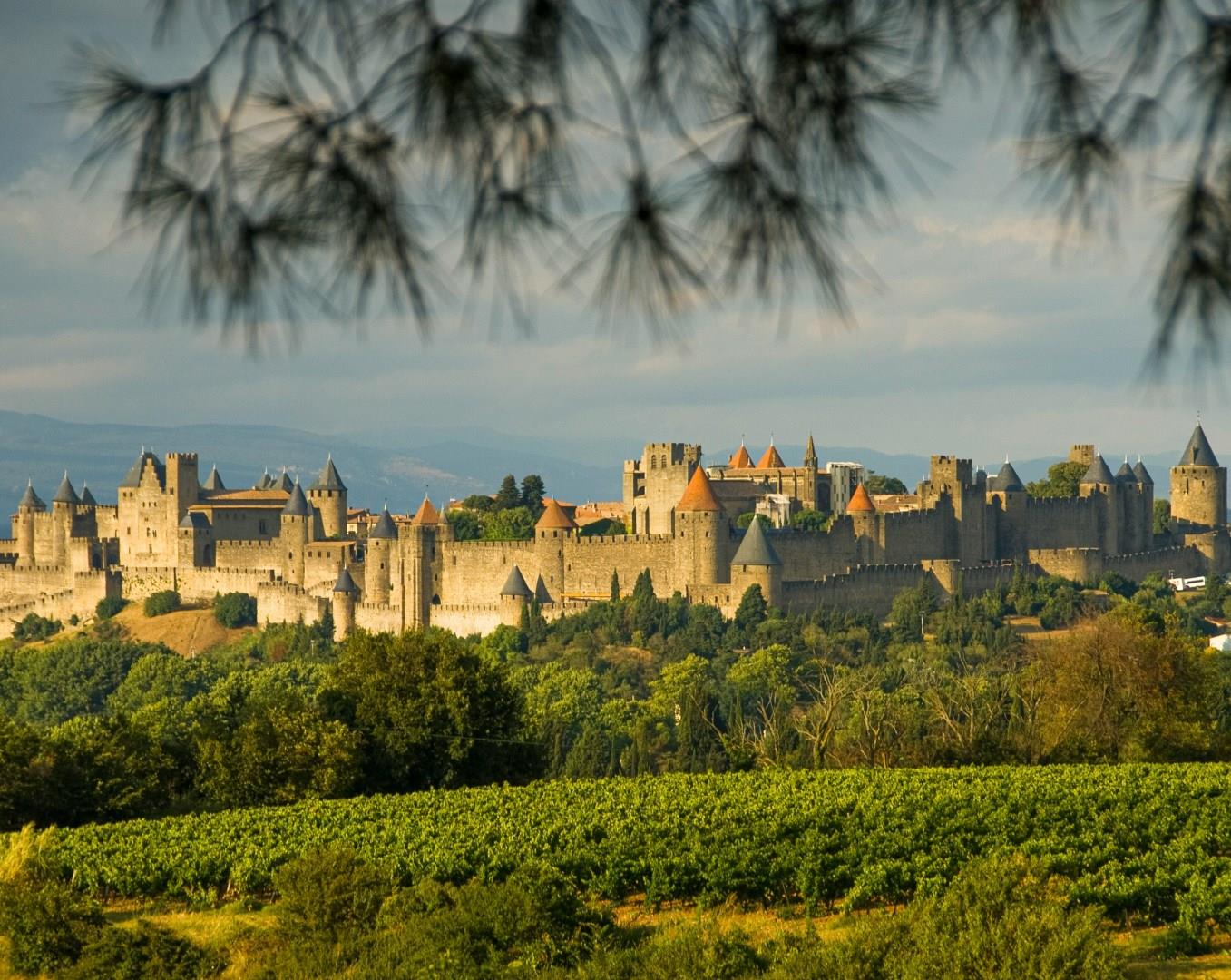
Carcassonne is a fortified city in southern France, rising above the Aude River with walls and towers that feel lifted from another century. Its origins stretch back to Roman times, but the city is best known for its medieval citadel, rebuilt and expanded during the Middle Ages when Carcassonne became a strategic stronghold on key trade and military routes.
Mobile
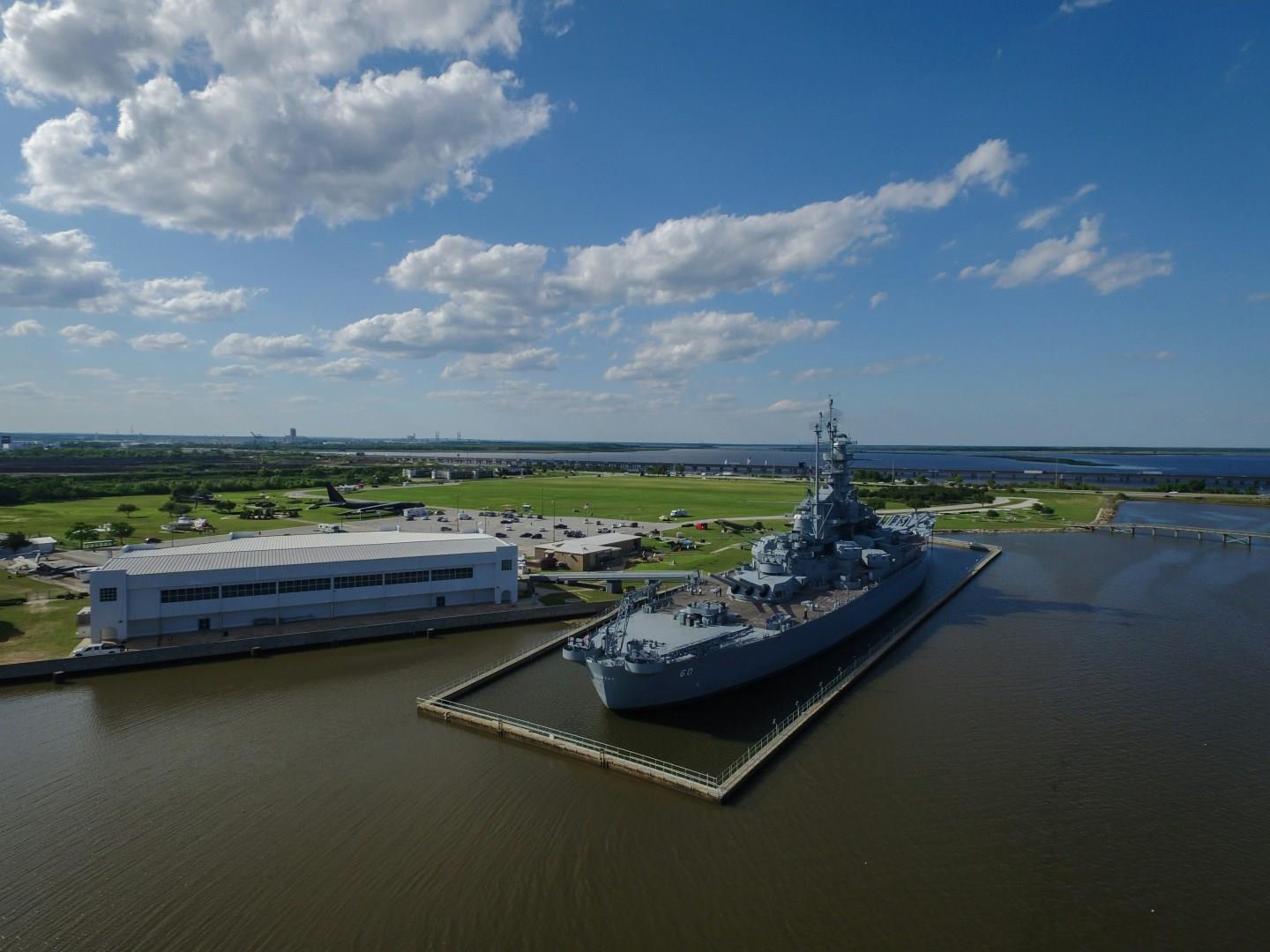
Mobile, Alabama, offers a unique blend of Southern charm, rich history, and vibrant culture, making it an enticing destination for travelers. Situated along the Gulf Coast, Mobile is known for its well-preserved antebellum architecture and its role in America's early history. Visitors can explore the Mobile Historic District with its beautiful oak-lined streets and stately homes, or visit the USS Alabama Battleship Memorial Park to tour a World War II-era battleship, submarine, and aircraft, off
Lemaire Channel
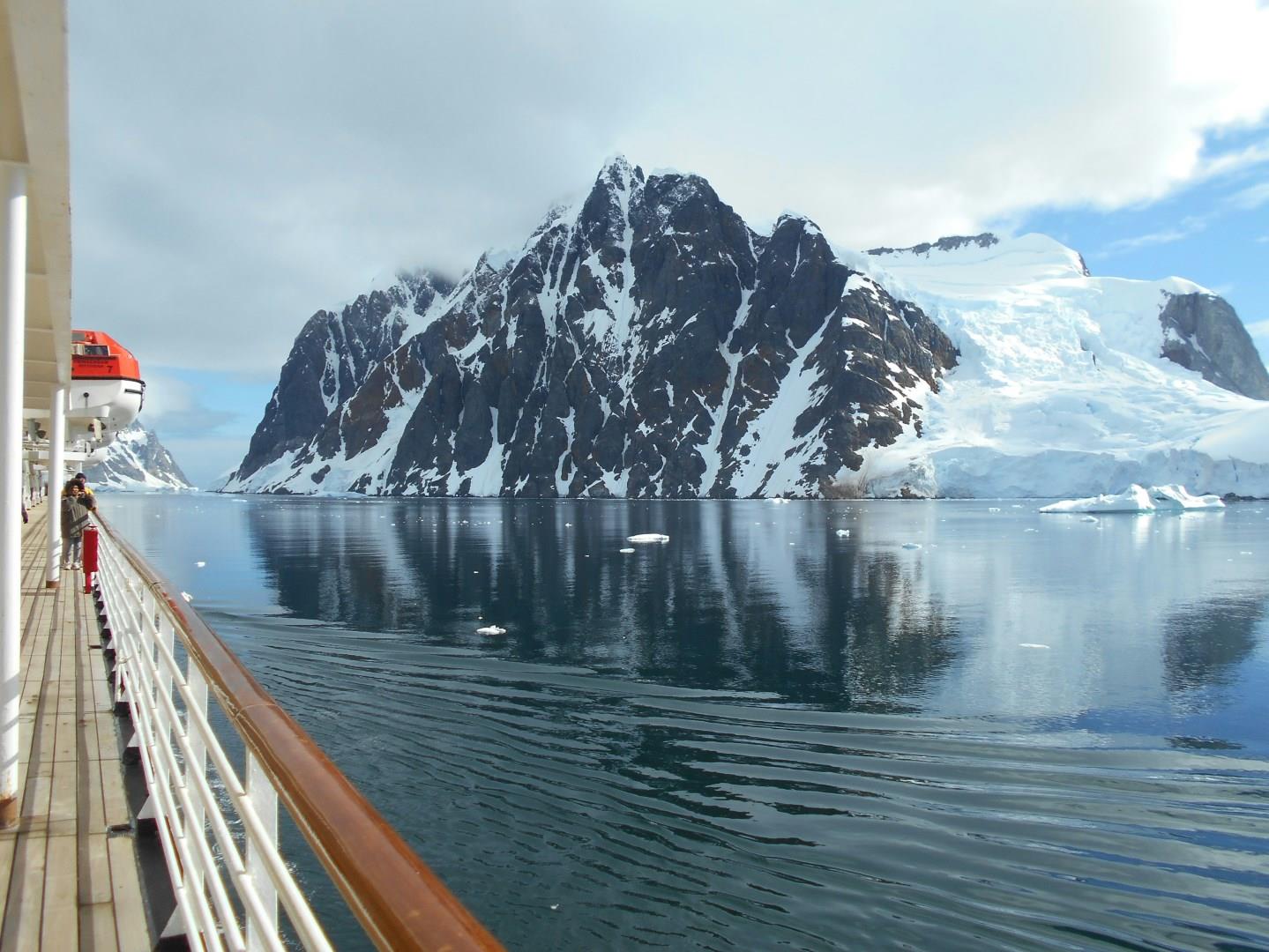
The Lemaire Channel is a spectacular sight with enormous sheer cliffs falling straight into the sea. It's a narrow channel flanked by the Antarctic Peninsula on one side and Booth Island on the other. So photogenic is the channel that it's nicknamed 'Kodak Gap', and it's only once you're well within it that a way through is visible.
Netherlands
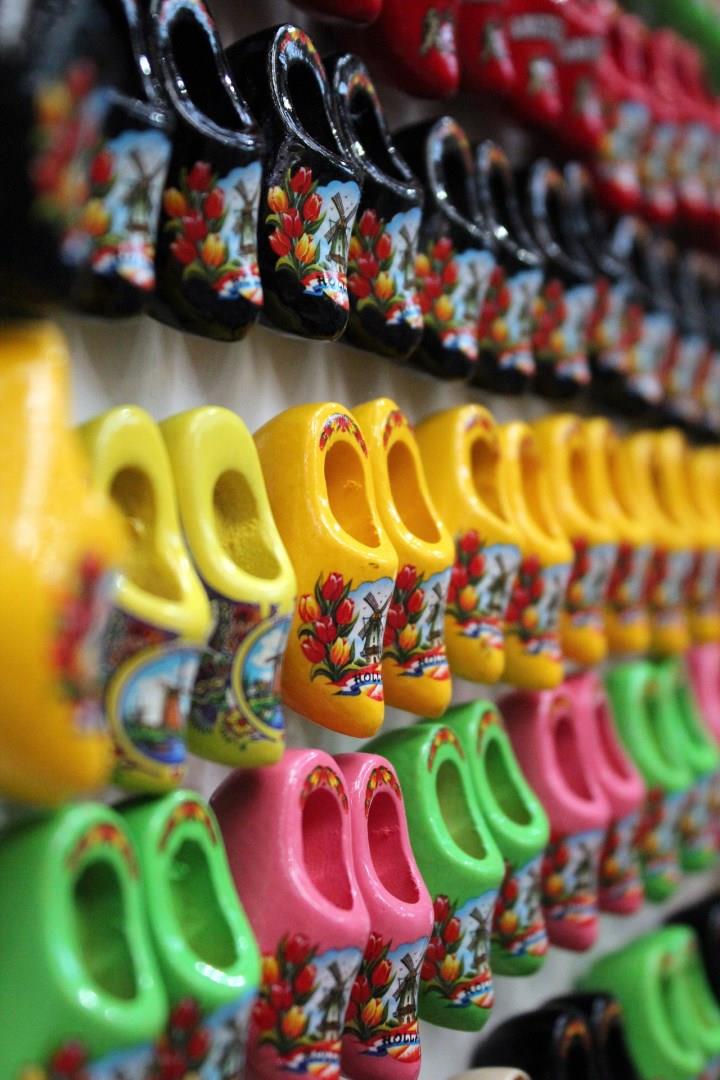
The Netherlands offers travelers a landscape where innovation and tradition intersect. In cities like Amsterdam, visitors can explore centuries-old canal networks and Golden Age architecture while also encountering contemporary art installations and sustainable urban design. The Rijksmuseum houses masterpieces by Rembrandt and Vermeer, while a short walk away, the Van Gogh Museum brings visitors closer to one of history’s most studied painters.


