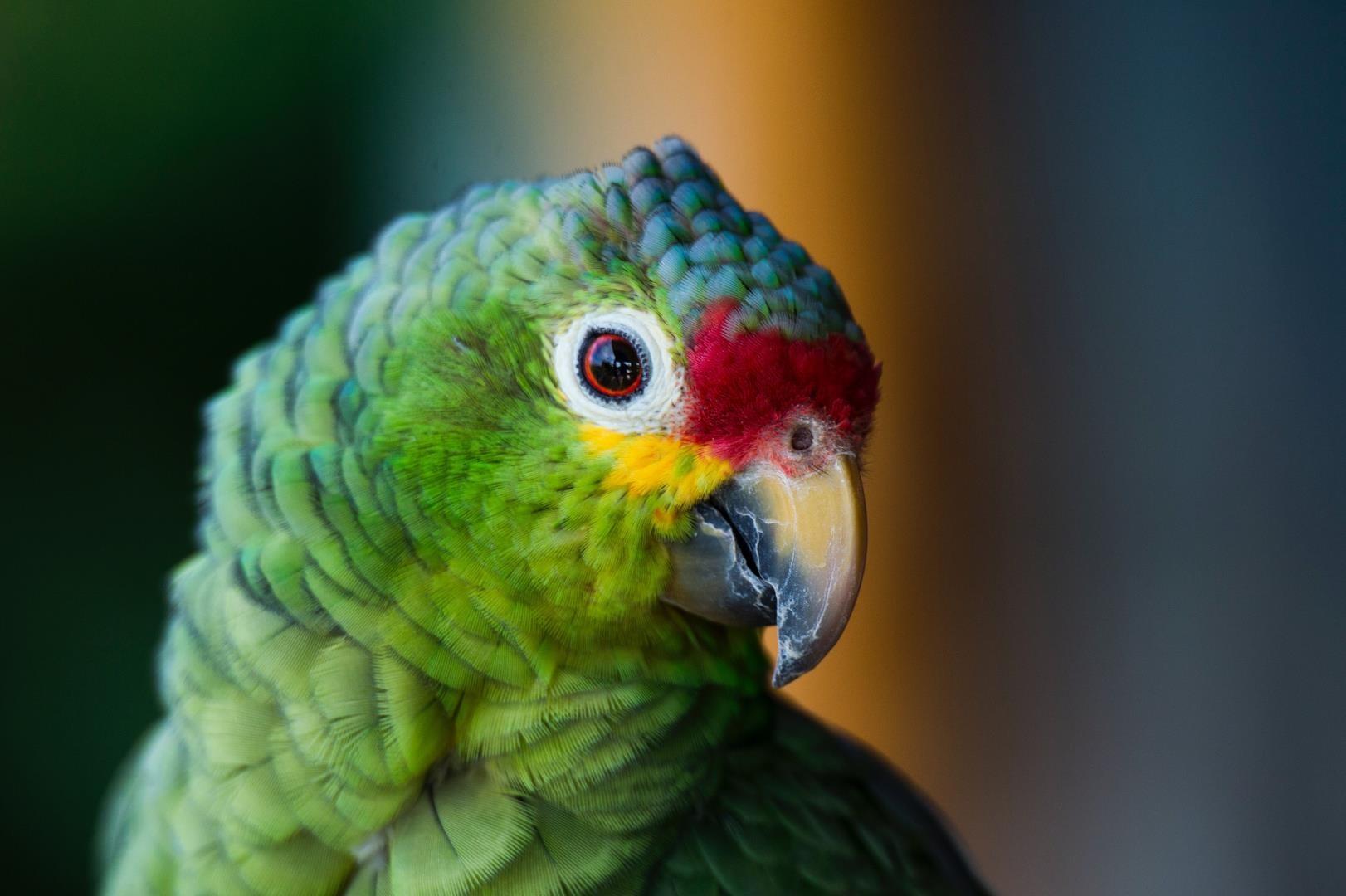
Guernsey
Guernsey, the second-largest of the Channel Islands, blends coastal landscapes with a deep-rooted history shaped by centuries of outside influence. Though located closer to France than to mainland Britain, Guernsey is a British Crown Dependency with its own government and a distinct identity. The capital, St Peter Port, is a hillside town overlooking a natural harbor, where visitors can explore narrow lanes, stone stairways, and 18th-century buildings.

Cairo
Upon the banks of the mighty Nile River, the renowned city of Cairo stands tall as an iconic world capital and a well-preserved relic of antiquity. Immerse yourself in this historically significant city, replete with architectural wonders, mesmerizing artifacts, and sprawling markets humming with energy.
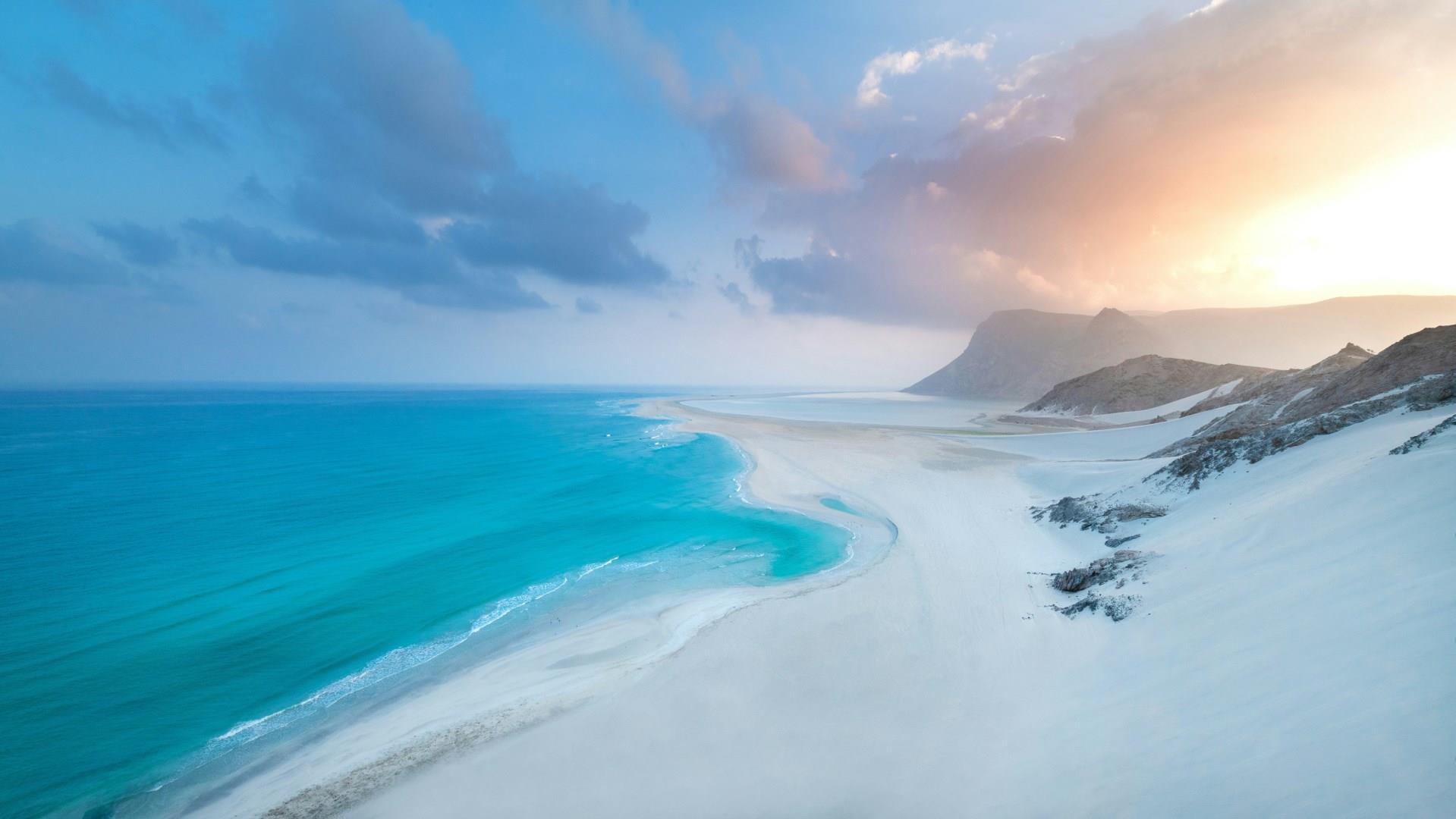
Socotra
Socotra rises from the Arabian Sea like a world apart, its landscapes shaped over millennia. The Dragon’s Blood Trees, with their umbrella-shaped crowns and deep red sap, stand among the most iconic sights here. In places like Dixam Plateau and Homhil Forest, these trees gather in sparse formations, creating scenes that feel both ancient and alien. The resin remains valued for traditional dyes and remedies.

Freycinet National Park
Freycinet National Park, located on the east coast of Tasmania, Australia, is a natural paradise that entices travelers with its dramatic pink granite peaks, secluded bays, and pristine beaches. The park is home to the iconic Wineglass Bay, often touted as one of the world's most beautiful beaches, with its crescent-shaped shore of soft white sand and crystal-clear turquoise waters.
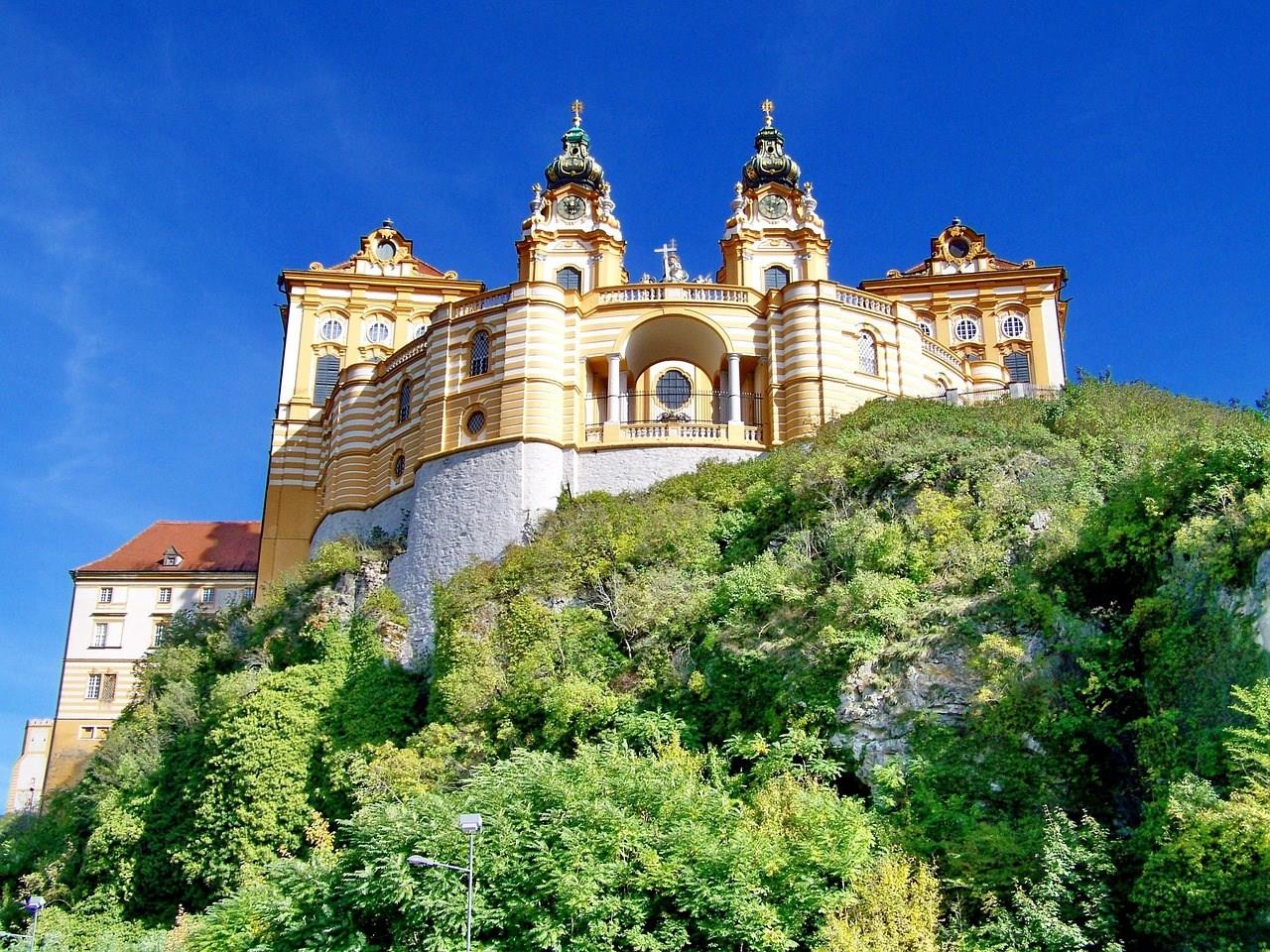
Wachau Valley
Austria’s Wachau Valley is a scenic stretch of the Danube River between Melk and Krems, known for its terraced vineyards, medieval towns, and a deep sense of history.