Dominica
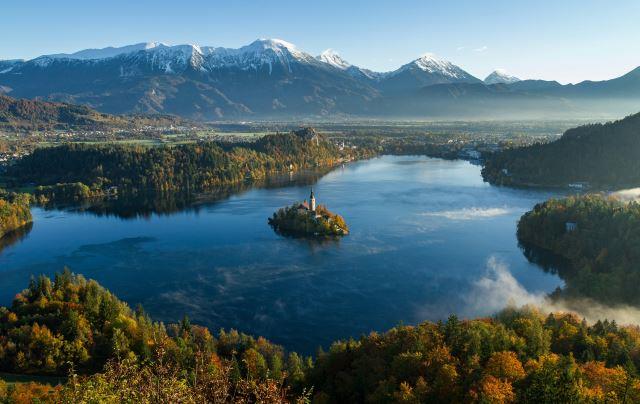
Dominica, known as the “Nature Island of the Caribbean,” is a haven for eco-tourists and adventure seekers. Nestled between the French islands of Guadeloupe and Martinique, this lush island boasts a remarkable landscape of volcanic mountains, dense rainforests, and stunning waterfalls. Dominica’s most iconic natural wonder is the Boiling Lake, the second-largest hot spring in the world.

Mainz
A charming city nestled on the banks of the Rhine, Mainz, Germany lies southwest of Frankfurt and is replete with historic buildings and famous museums. The city's Altstadt district meets the river's edge and boasts a variety of beautiful and fascinating landmarks.
Tamil Nadu
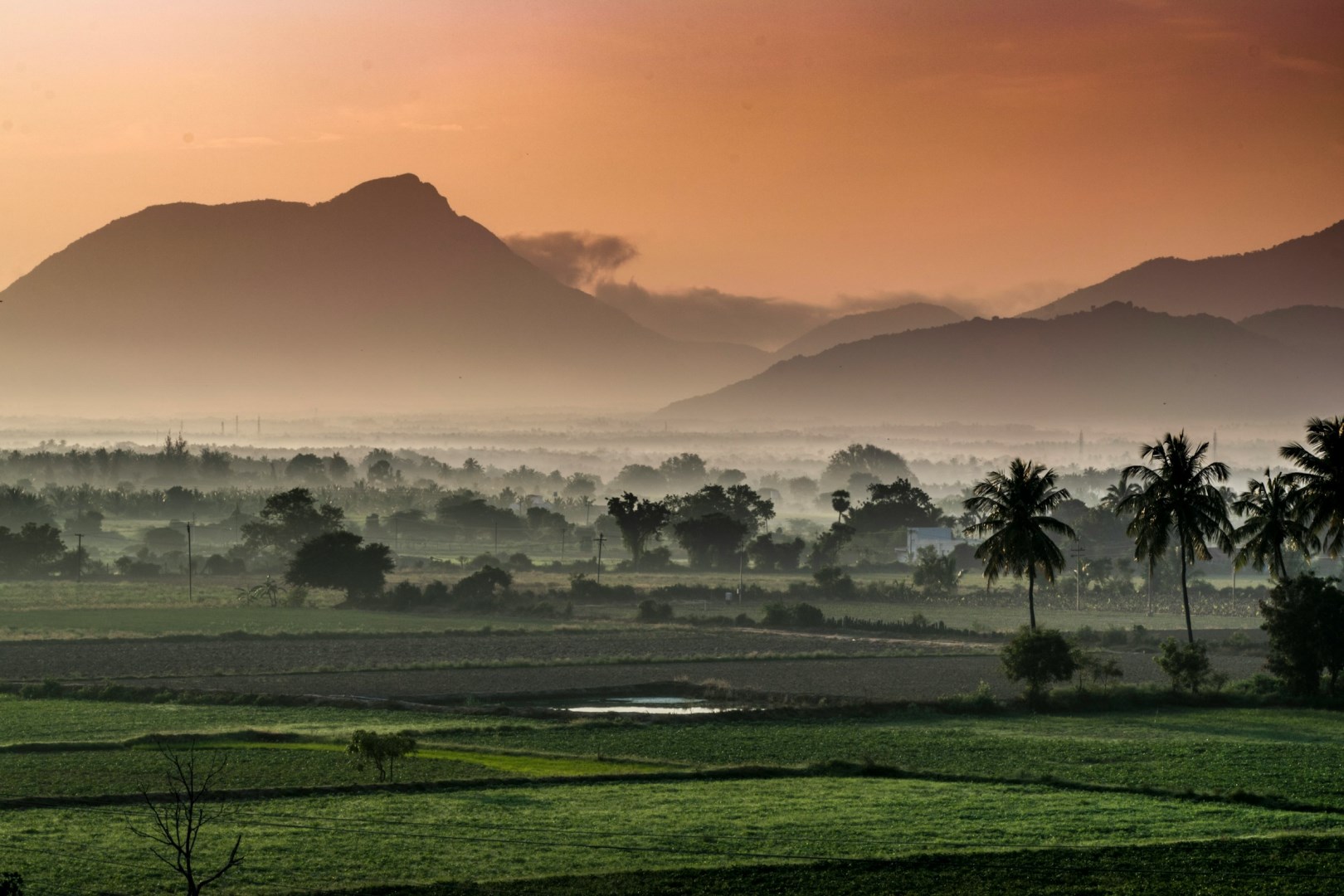
Tamil Nadu occupies India’s southeastern corner, stretching from the Coromandel Coast to the forested Western Ghats and the dry interior plains. The state is distinguished by its extensive network of Hindu temples, classical arts, coastal landscapes, fertile river deltas, and hill regions such as the Nilgiris. Chennai is the state capital and a major centre for commerce, music, cinema, and education
Keelung
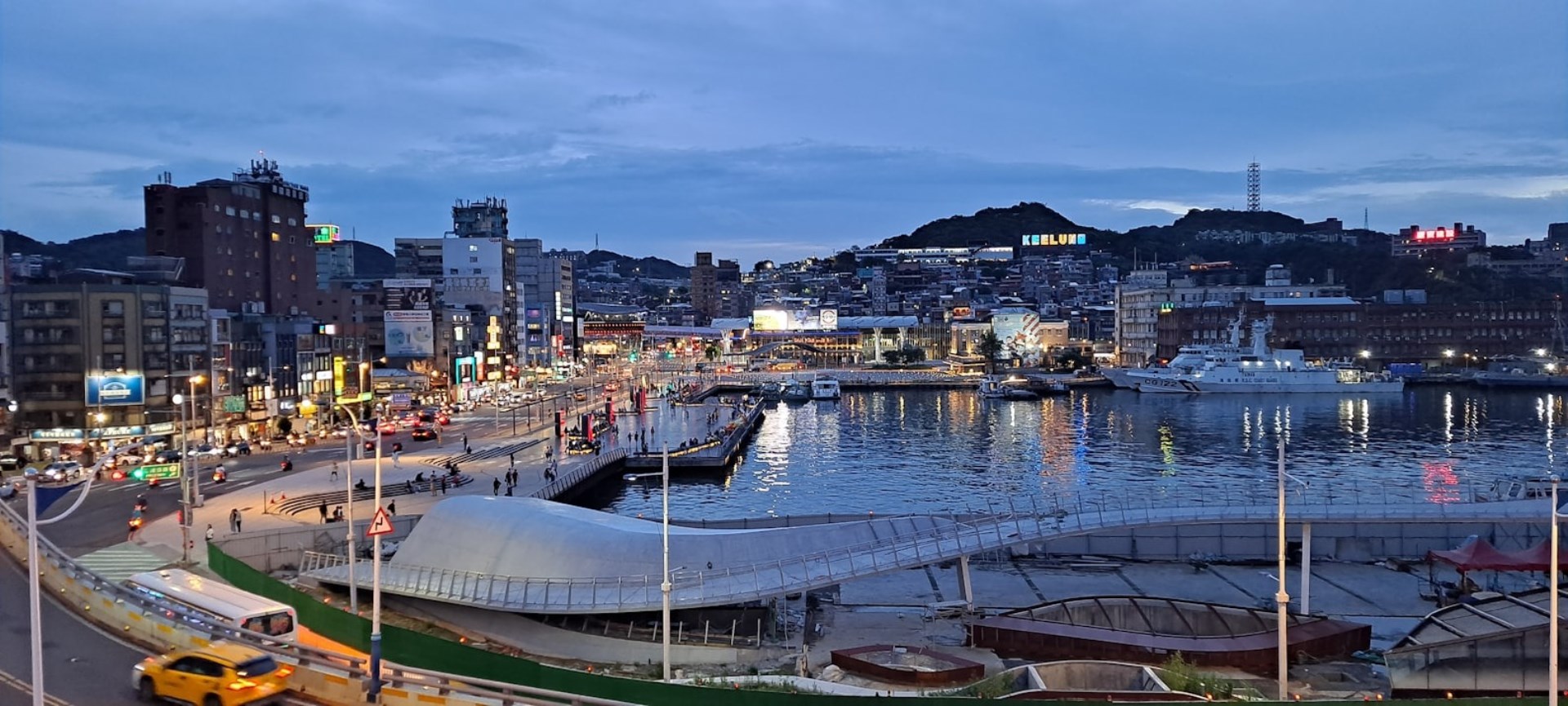
Keelung, a bustling port city in northern Taiwan, offers a unique blend of maritime history, vibrant street life, and natural beauty. Known for its scenic coastal views and rich cultural heritage, Keelung is a gateway to exploring the island's northern region. The city’s most iconic landmark is the Keelung Harbor, one of the busiest ports in Taiwan, which provides picturesque views and a bustling atmosphere.
Toulouse
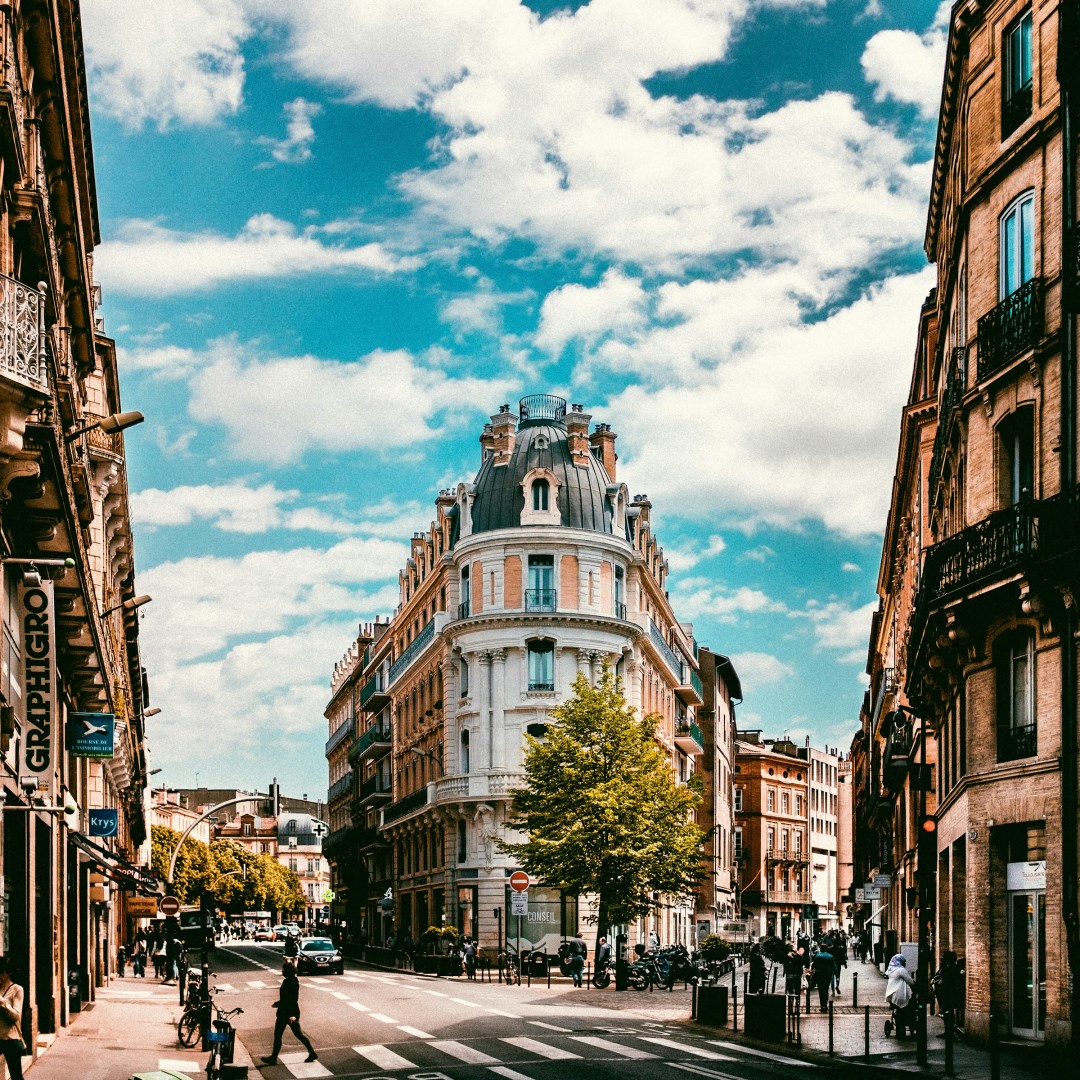
A religious center since the 4th century, it has numerous churches and religious sites. It is the fourth largest city in France, located in southern France near the border with Andorra.