Denarau Island
Denarau Island is a small resort and residential precinct on the western coast of Viti Levu, Fiji’s largest island, connected to the Nadi area by a short causeway.
Arimba
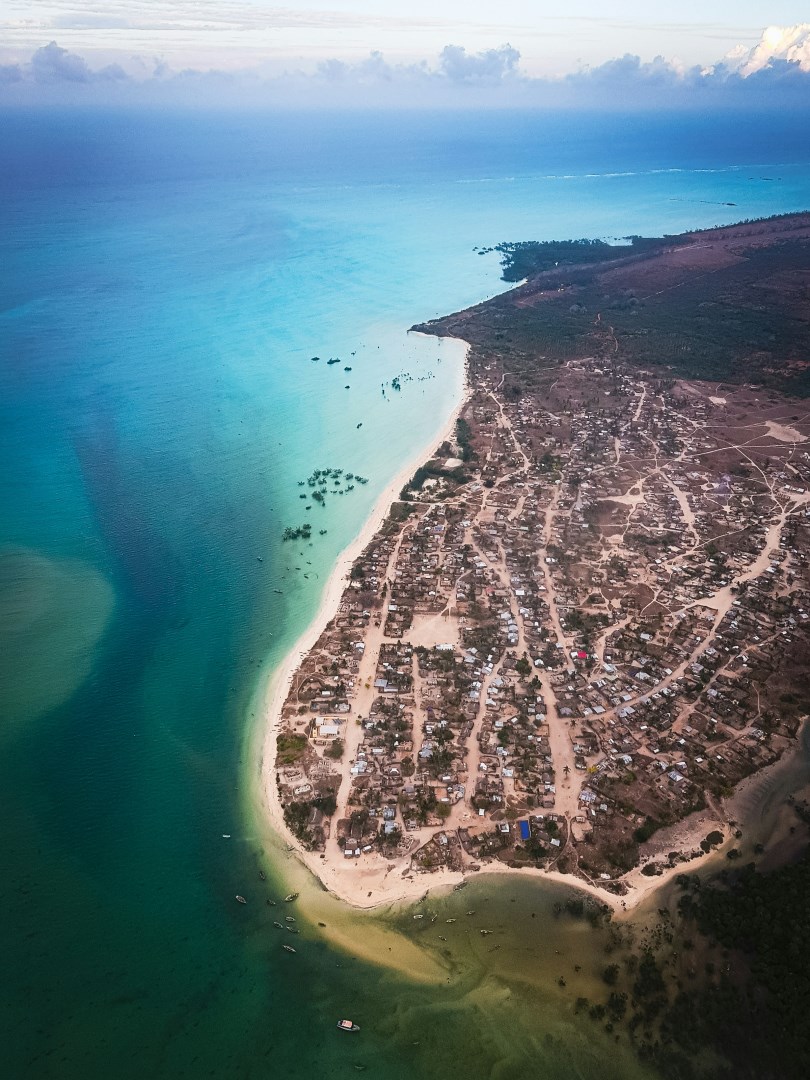
Arimba is a coastal village in Cabo Delgado Province in northern Mozambique, situated along the mainland shore near the Quirimbas Archipelago. Its setting combines sandy coastline, coral-rich waters, coconut palms, and low coastal vegetation. The village has traditionally been connected to fishing and small-scale coastal trade, while its position near the Quirimbas has linked it with maritime routes serving communities along northern Mozambique.

Rhinebeck
Rhinebeck is a village in Dutchess County in the Hudson Valley, set among rolling farmland, wooded hills, and communities along the eastern side of the Hudson River. Its compact center is known for historic buildings, independent shops, restaurants, galleries, and the long-established Beekman Arms. The surrounding town extends toward the river through rural landscapes and the hamlet of Rhinecliff, where rail service connects the area with destinations along the Hudson.
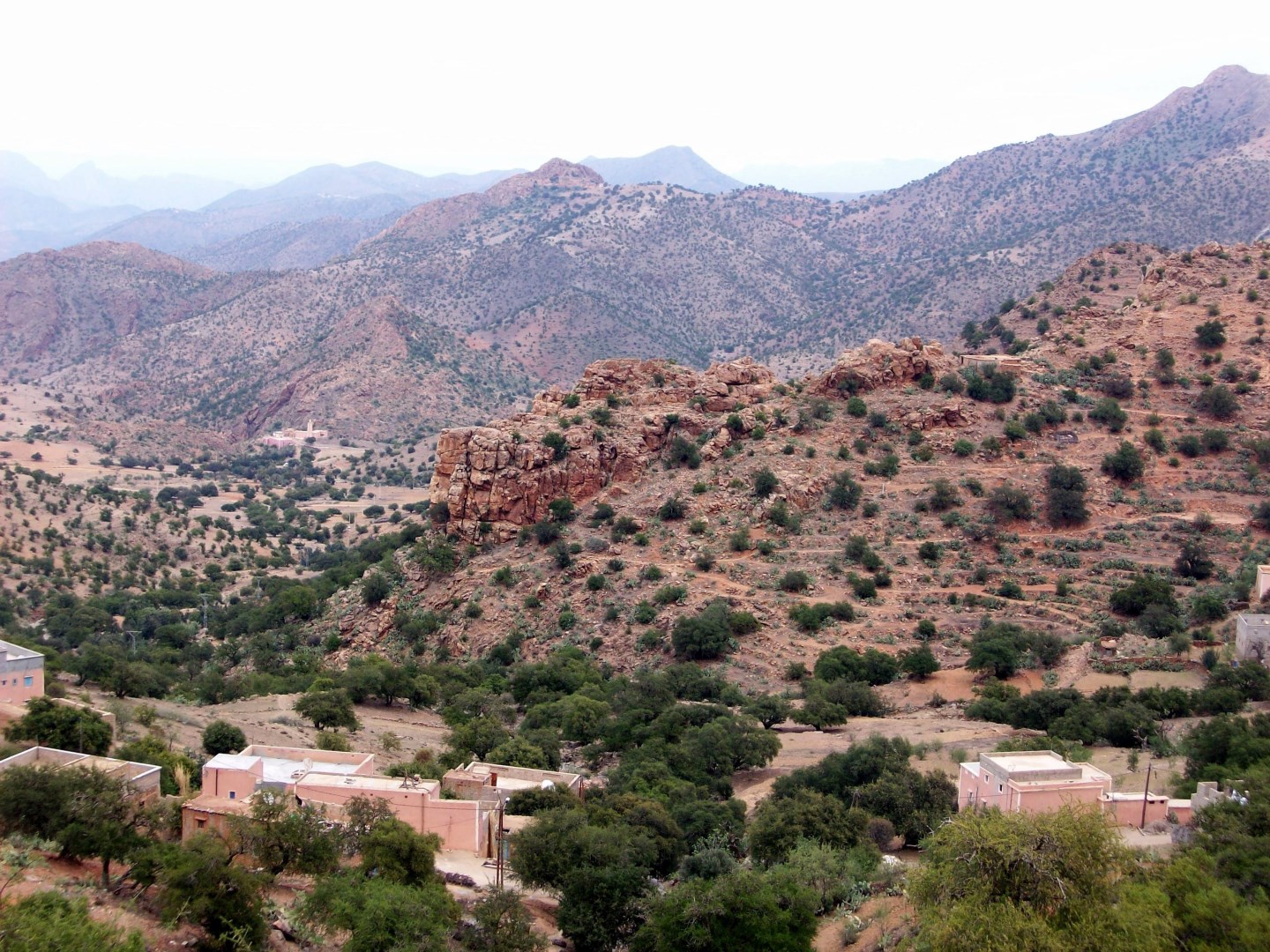
Tafraoute
Set within a basin of pink granite mountains, Tafraoute offers a landscape that feels both open and sheltered. The town lies in the Anti-Atlas range, where rounded rock formations rise above palm groves and small farms. As the sun moves across the sky, the rocks shift from soft rose to deep orange, creating a changing backdrop that defines the area. The setting gives Tafraoute a sense of quiet distance, even though it serves as a central hub for nearby villages.
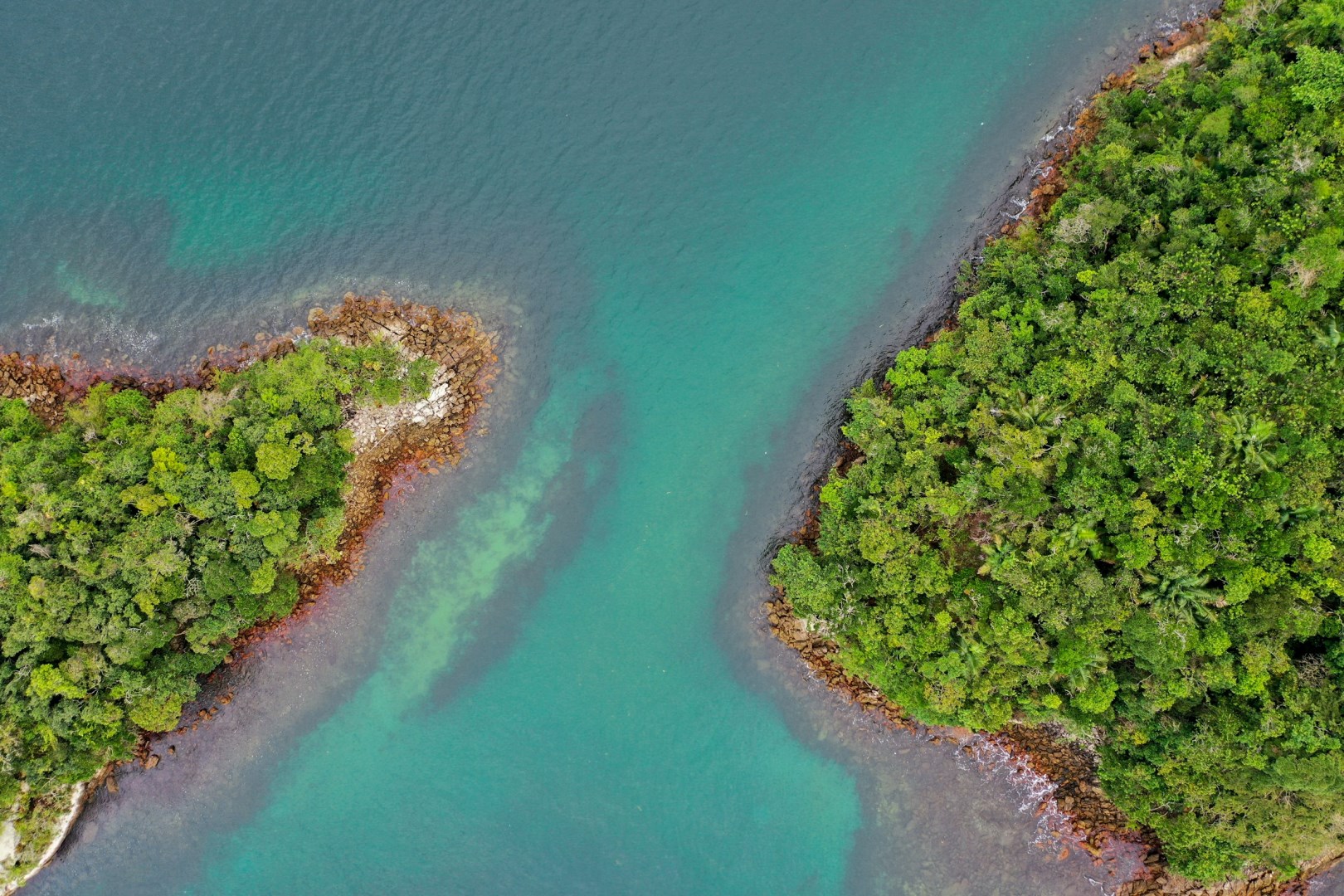
Angra dos Reis
Angra dos Reis is a great destination for nautical relaxation with thousands of beaches and 365 islands. This brilliant landscape is surrounded by the calm, crystal-clear waters. Angra is in the center of Costa Verde in the state of Rio de Janeiro, one of the most beautiful regions of the country.