Valencia
Valencia, located on the Balearic coastline of eastern Spain, is a Mediterranean haven replete with stunning art, striking architecture, immersive museums, and inviting beaches. The heart of Valencia is the perfect place to explore the best that the city has to offer.

York
York, England, is a city where over 2,000 years of history comes to life. Originally founded by the Romans in 71 AD as Eboracum, York has witnessed the rise and fall of empires, from the Vikings to the Normans. Today, the city retains its medieval charm, with its historic York Minster, one of the largest Gothic cathedrals in Northern Europe, standing proudly as its centerpiece.
Querétaro
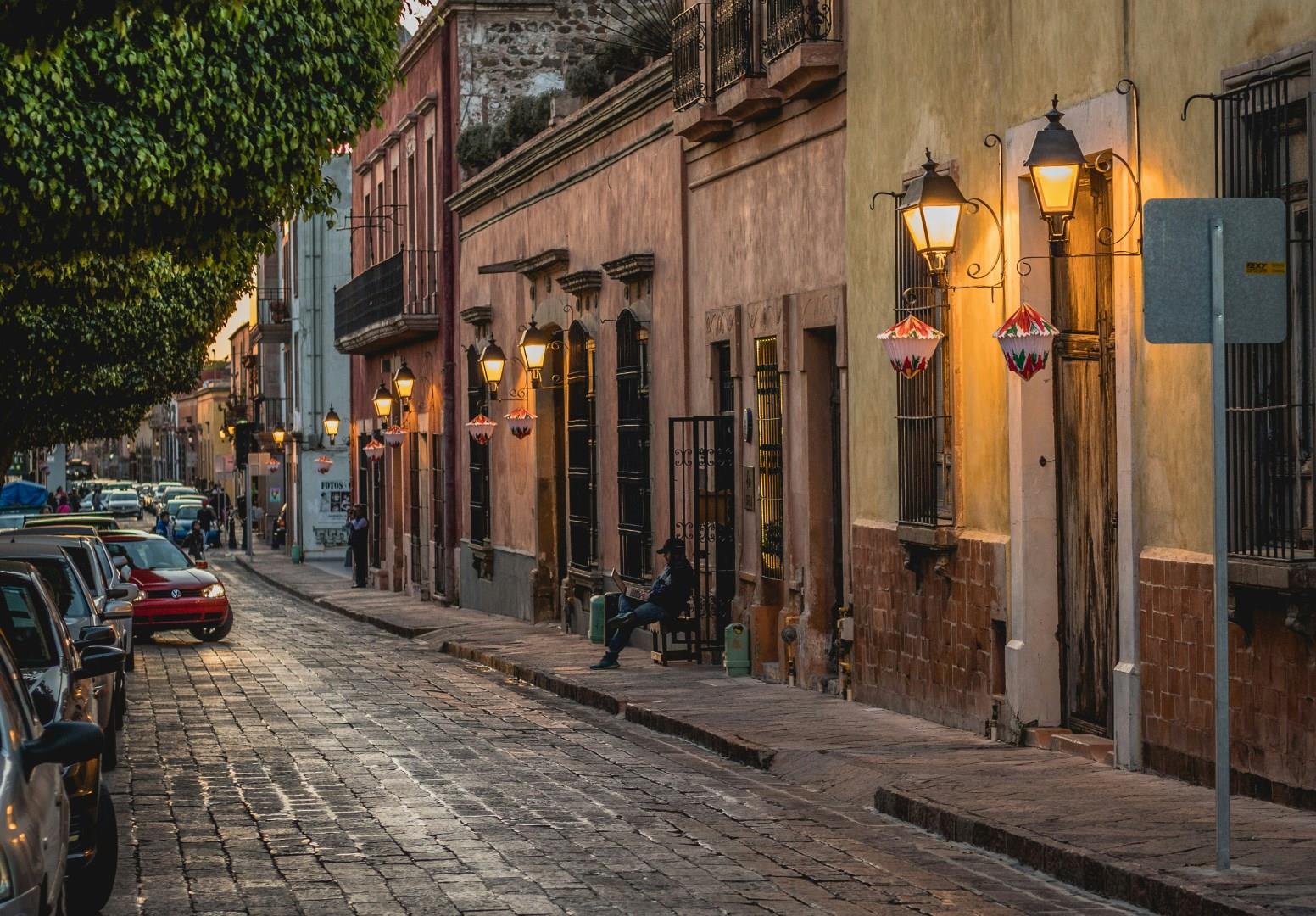
Querétaro, located in the heart of central Mexico, is a city where centuries of history are still visible in daily life. Its historic center, a UNESCO World Heritage Site, features narrow streets, elegant plazas, and baroque churches that reflect its colonial past. One of the city’s most iconic landmarks is the massive aqueduct, built in the 18th century with 74 stone arches stretching nearly a mile across the landscape.
Windermere
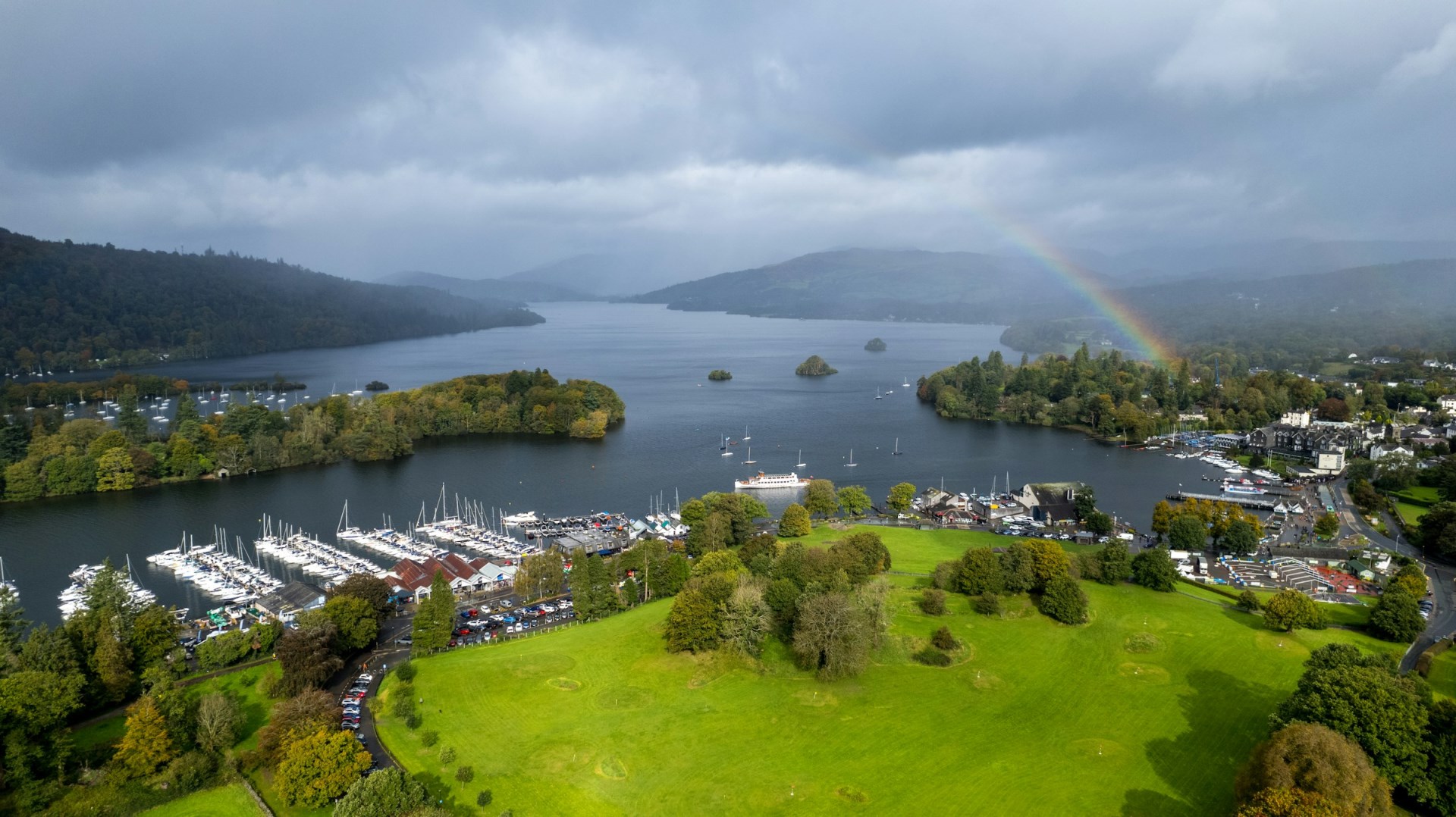
The largest tourist town in the Lake District feels like a resort. One of the sights is the Windermere Steamboat Museum, probably the finest steamboat collection in the world.

Mississippi
Mississippi, a state rich in history and culture, offers a unique blend of Southern charm and historic significance. For those drawn to natural beauty, Mississippi's landscape is a tapestry of rolling hills, dense forests, and scenic rivers.