Nova Scotia covers an area of 21,425 sq. miles, and Halifax is the capital. This is an area rich in history — Gaelic is still spoken here in some areas by descendants of the early settlers. The coast is peppered with fishing villages, and inland the climate boasts sprawling valleys and rocky headlands.
Immerse yourself in adventure in the untouched wilderness of Masoala National Park, Madagascar, where pristine rainforests, secluded beaches, and diverse wildlife converge. Varied animal sightings await, from whale watching to lemur spotting; it's like nowhere else on this planet!
Located along the northern coast of the Dominican Republic, Amber Cove serves as a vibrant gateway to the region of Puerto Plata. Designed as a cruise port with a strong sense of place, the area reflects the island’s long connection to the sea and trade. Visitors often begin their experience with views of the harbor framed by green mountains, setting the tone for what lies beyond.
Batalha, a small town in central Portugal, is steeped in history and home to one of the country’s most magnificent monuments, the Batalha Monastery. This UNESCO World Heritage Site, also known as the Monastery of Santa Maria da Vitória, was built to commemorate the Portuguese victory over Castile at the Battle of Aljubarrota in 1385. I
La Rioja, located in northern Spain, is best known for its wine, but the region offers much more than vineyard views. Its capital, Logroño, sits along the Camino de Santiago and has welcomed travelers for centuries. The city’s historic center is compact and lively, with narrow streets lined by centuries-old churches, pintxo bars, and quiet plazas.
Photo Credit: Photo by Hendrik Cornelissen on Unsplash
Photo Credit: Photo by Avel Chuklanov on Unsplash
Photo Credit: Photo by Michael Wilcox on Unsplash
Photo Credit: Photo by Nad Hemnani on Unsplash
Photo Credit: Photo by MARIOLA GROBELSKA on Unsplash
Photo Credit: Photo by Hendrik Cornelissen on Unsplash
Photo Credit: Photo by Denice Alex on Unsplash
Photo Credit: Photo by MARIOLA GROBELSKA on Unsplash
Photo Credit: Photo by Nad Hemnani on Unsplash
Photo Credit: Photo by Lesly Derksen on Unsplash
Photo Credit: Photo by Audric Wonkam on Unsplash
Photo Credit: Photo by mtsjrdl on Unsplash
Photo Credit: Photo by Mwandwe Chileshe on Unsplash
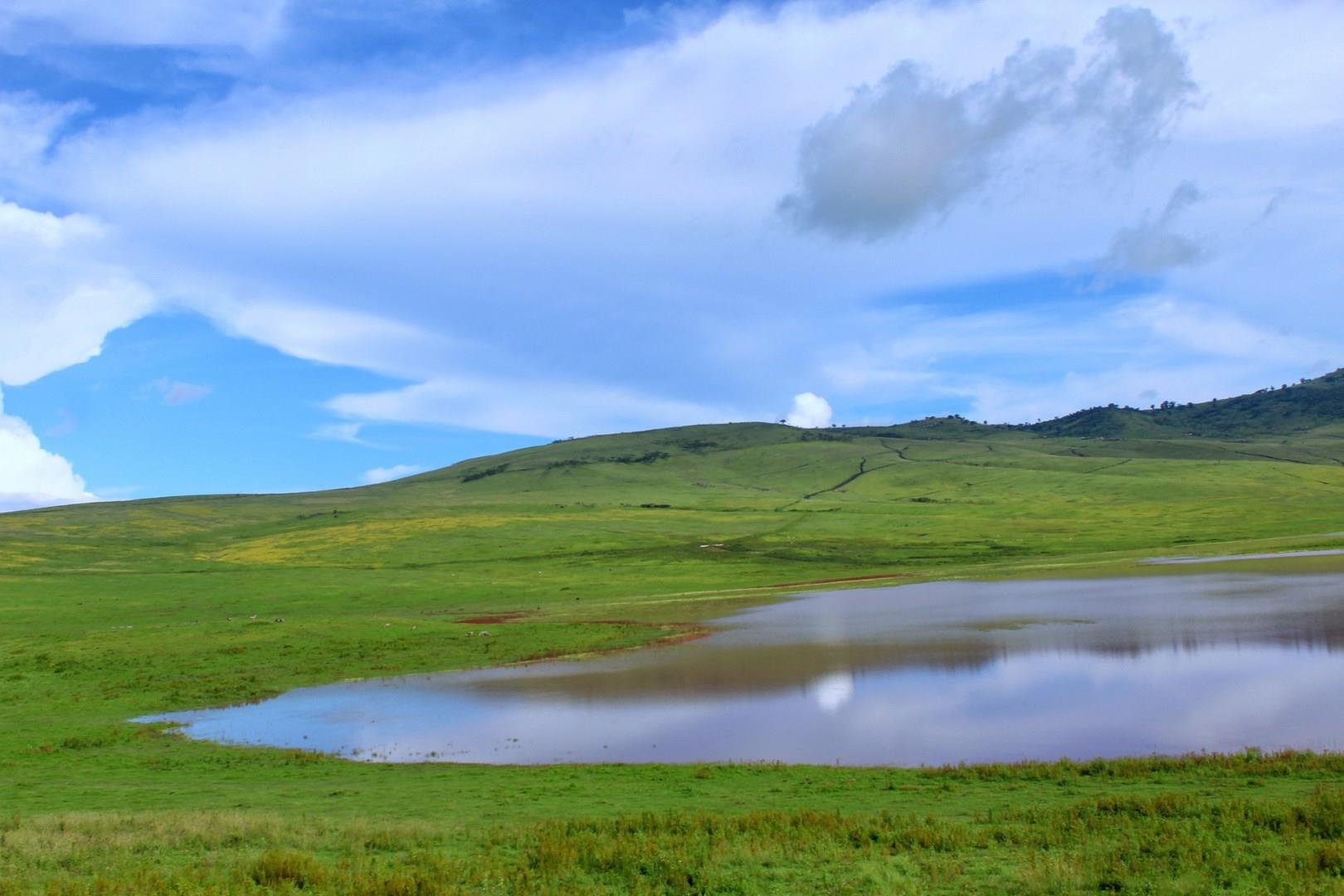
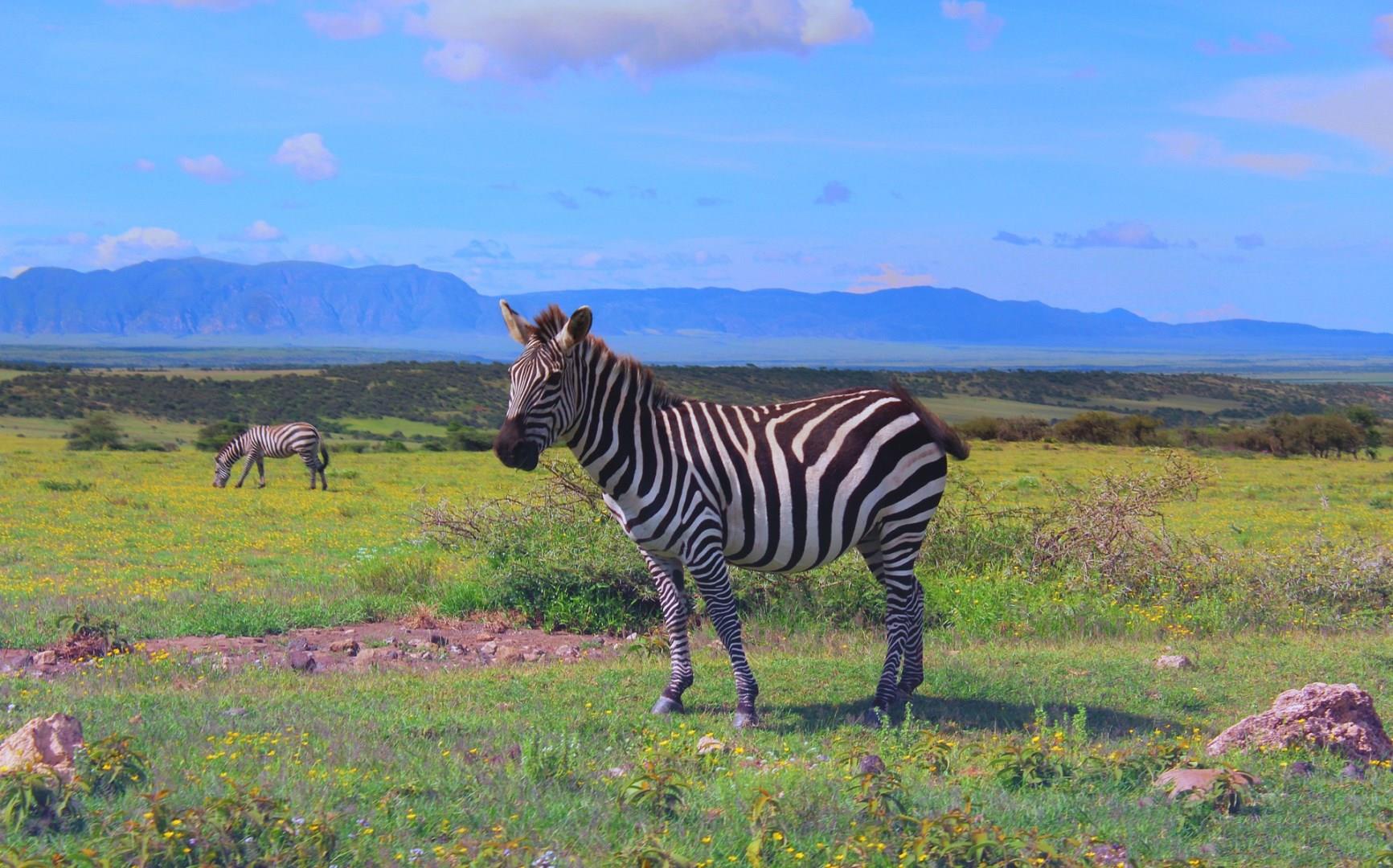
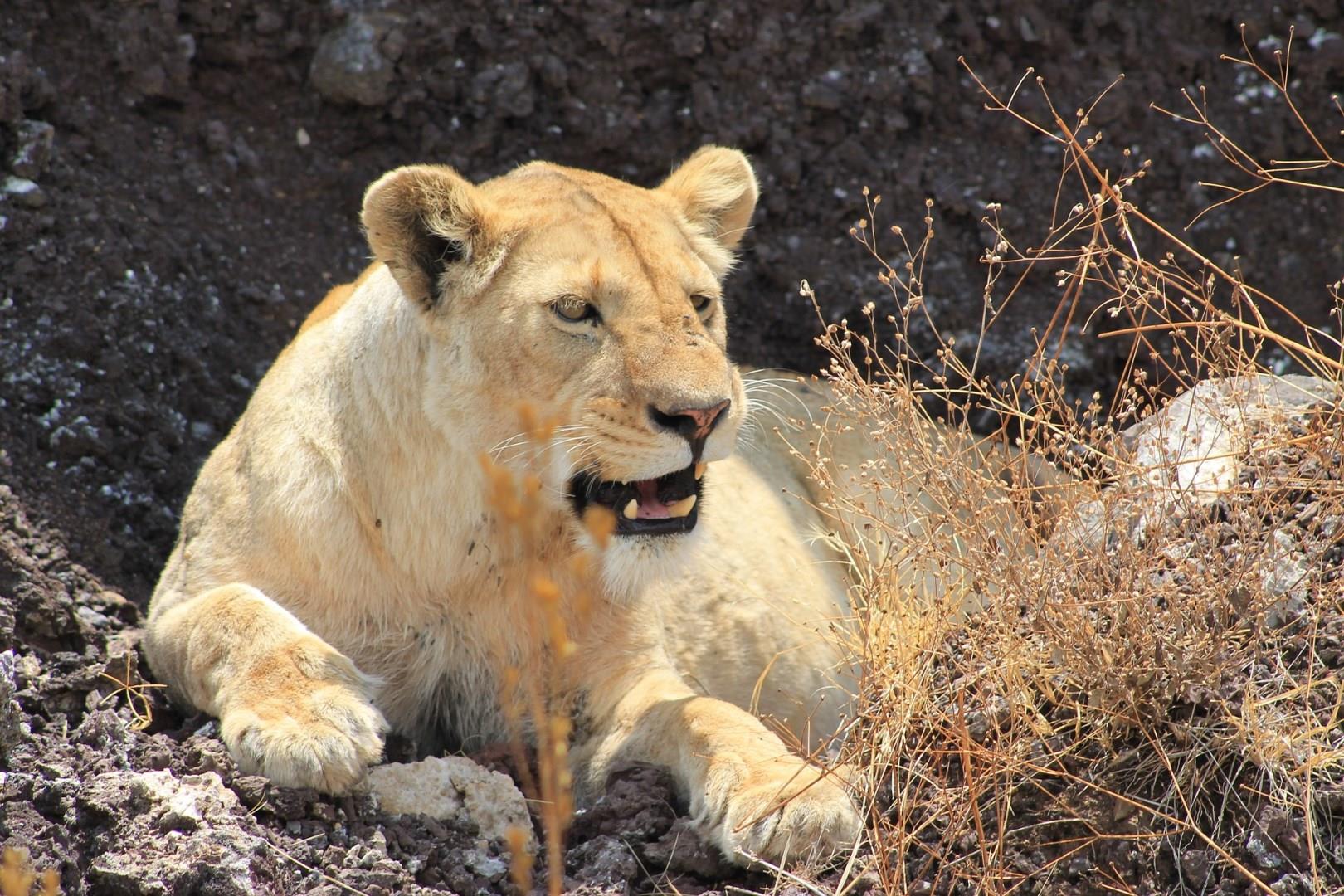
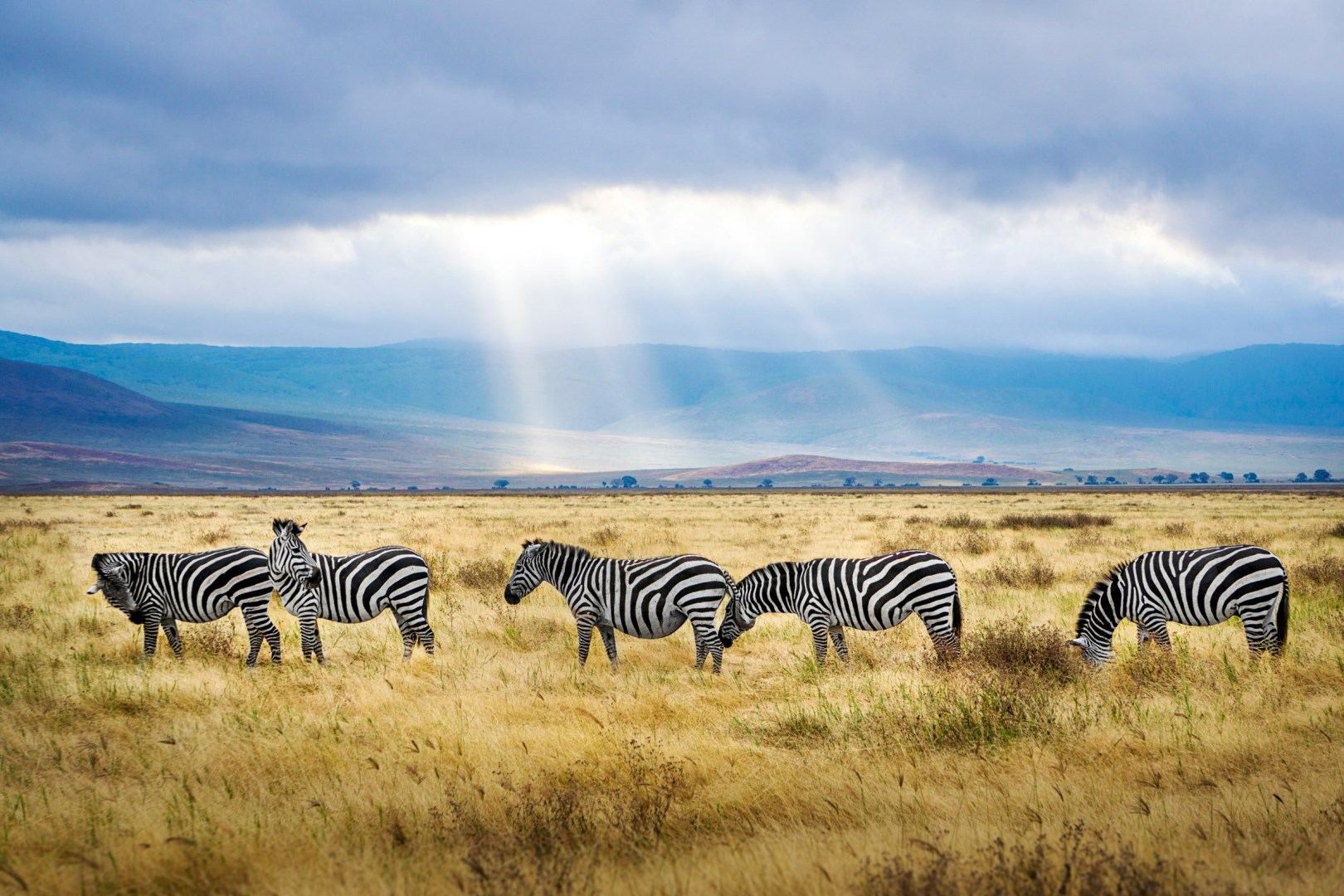
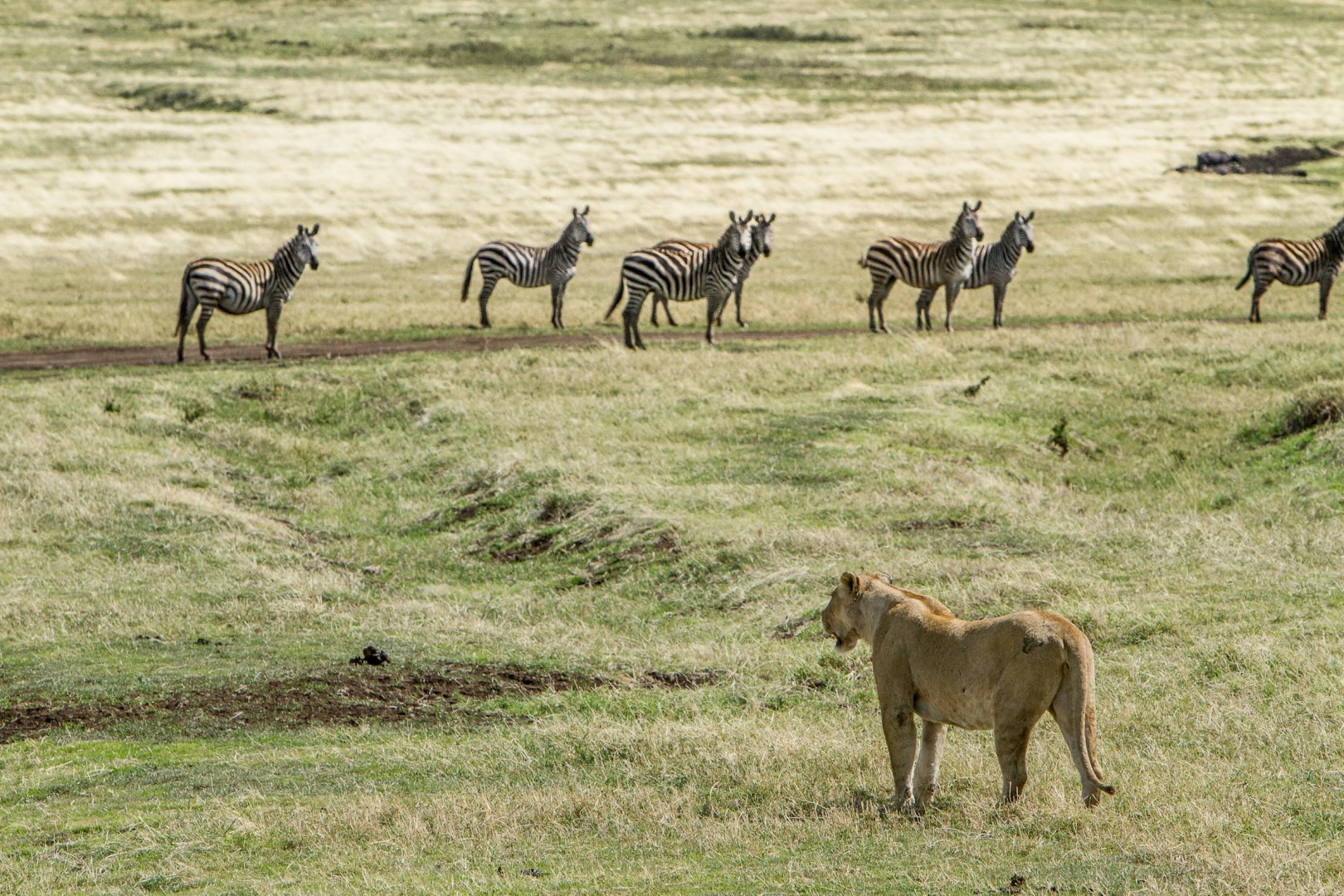
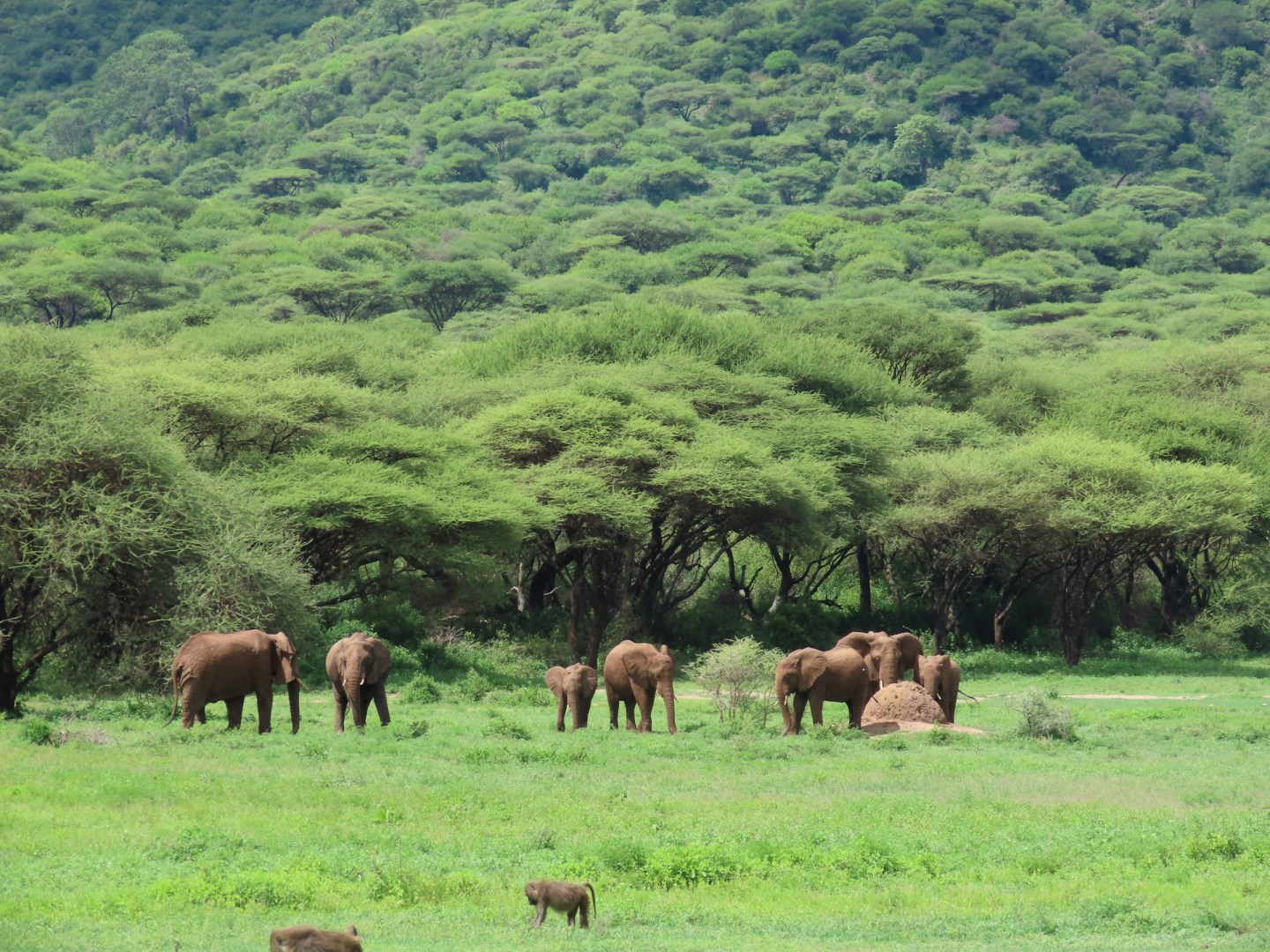
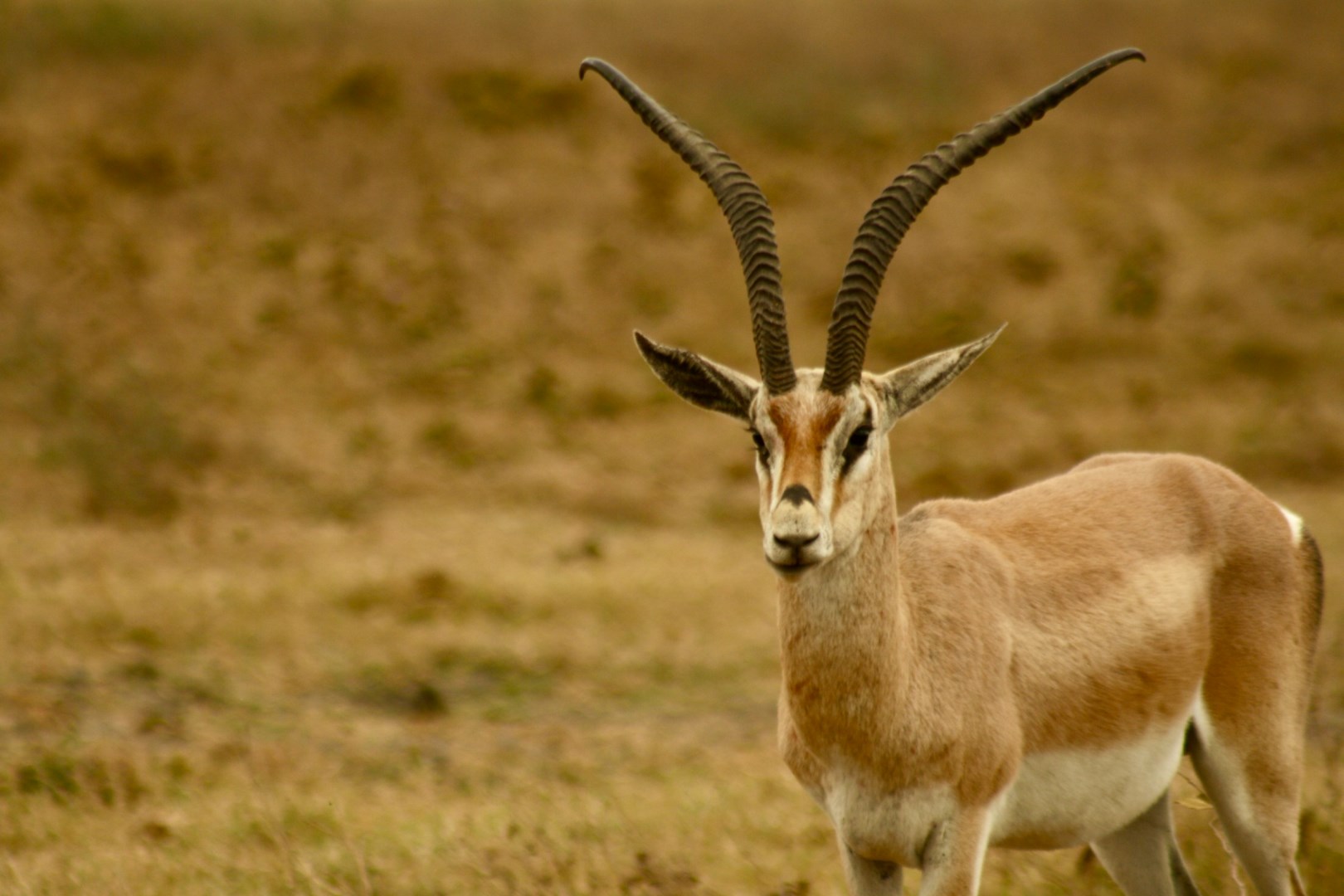
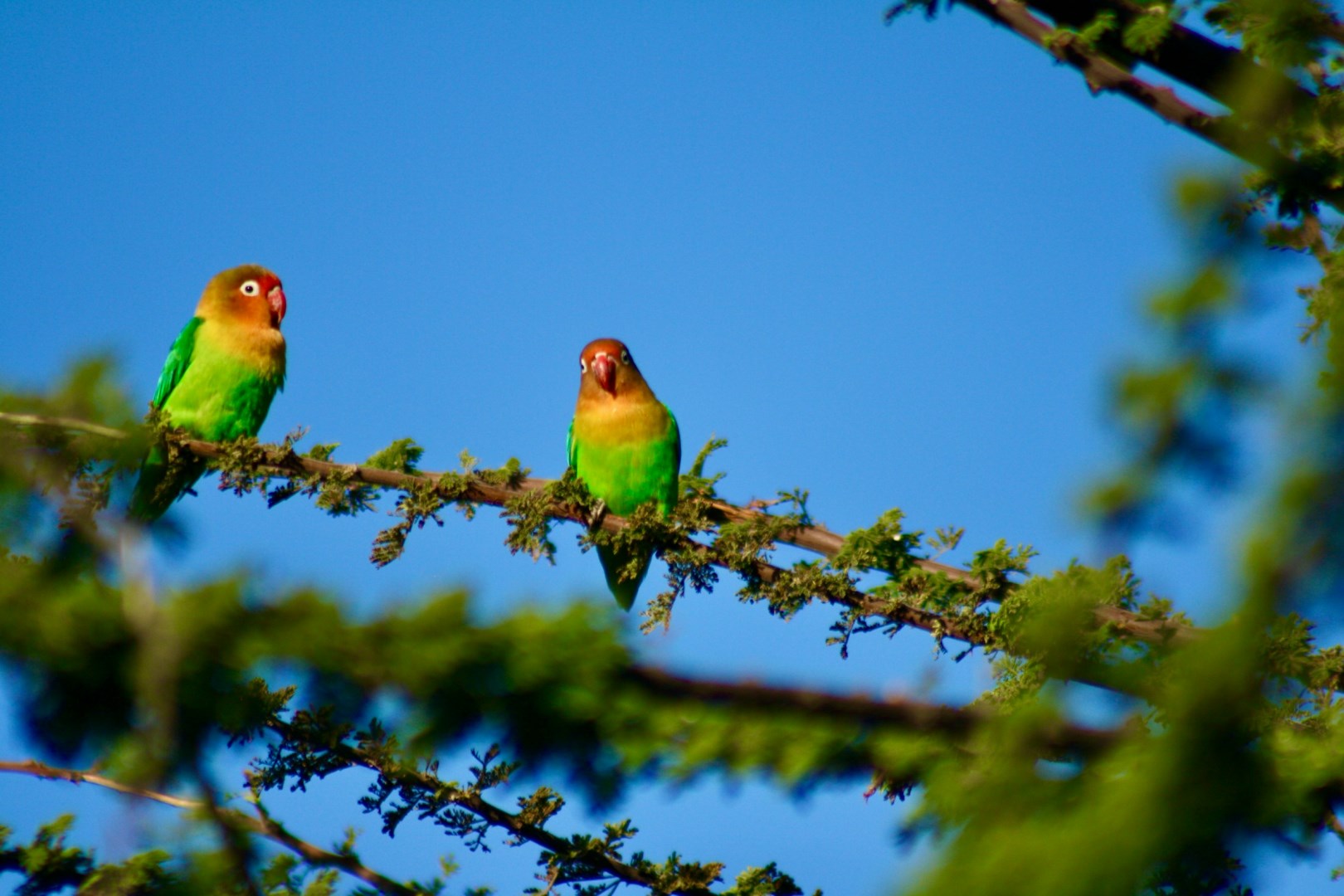
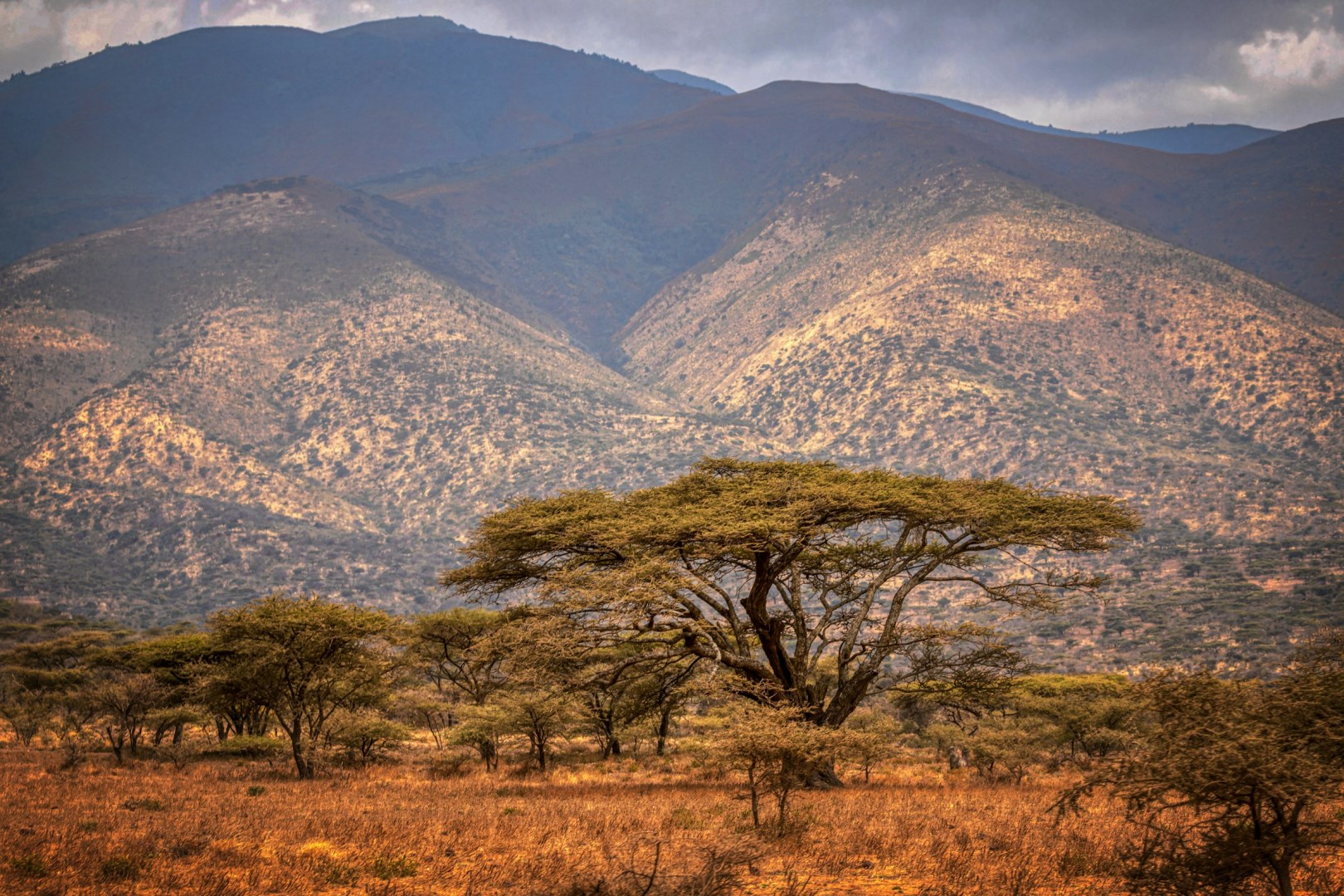
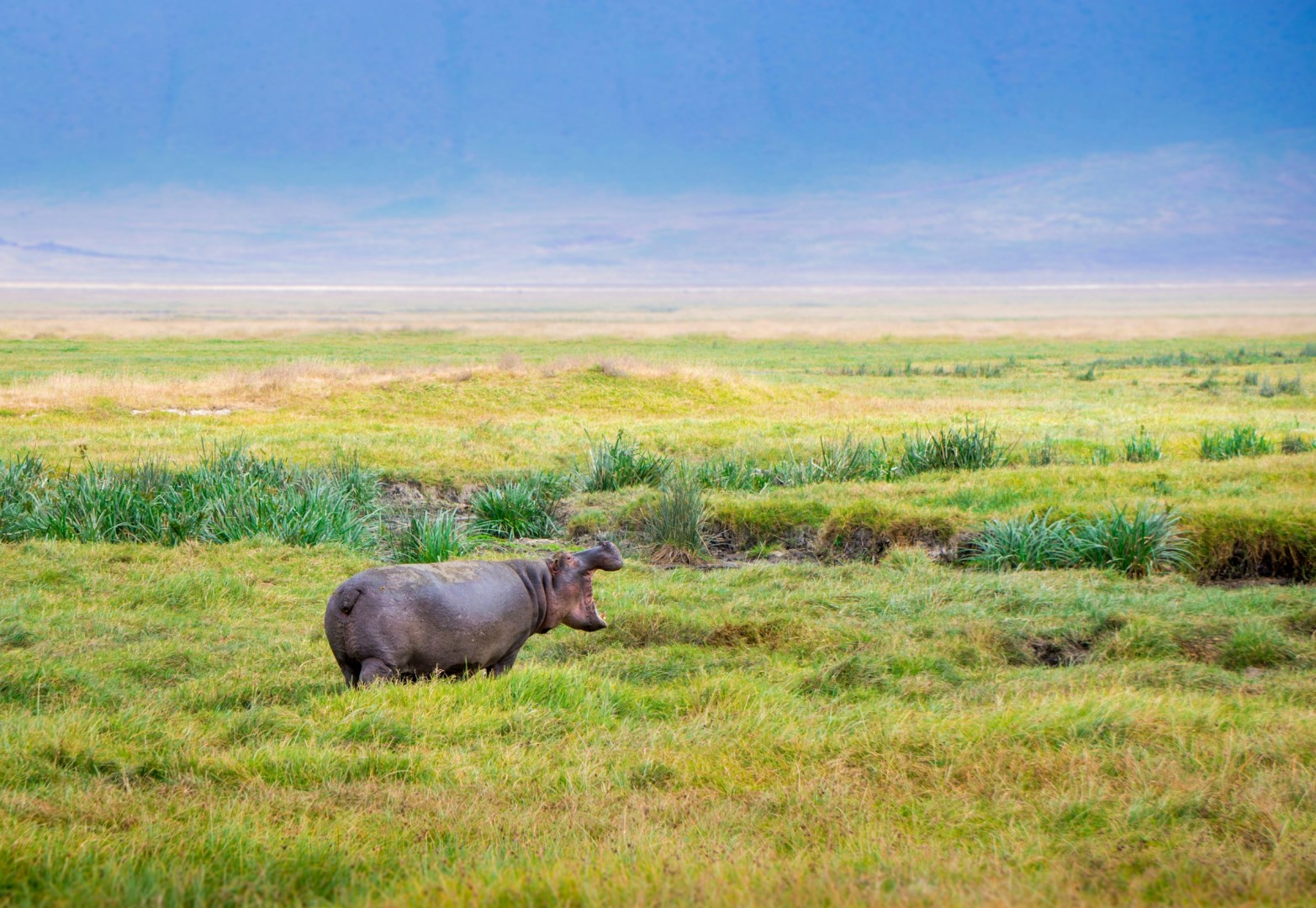
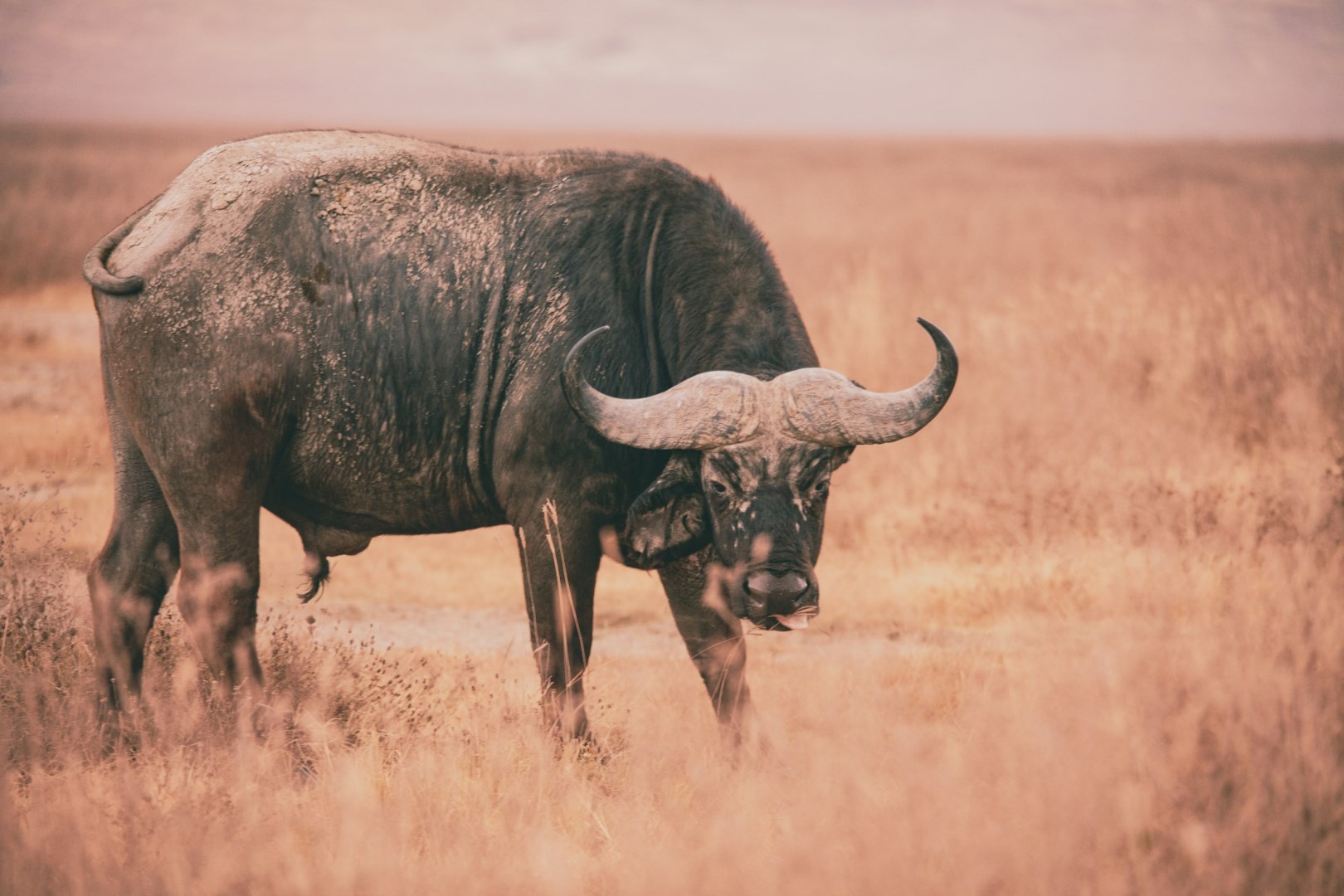
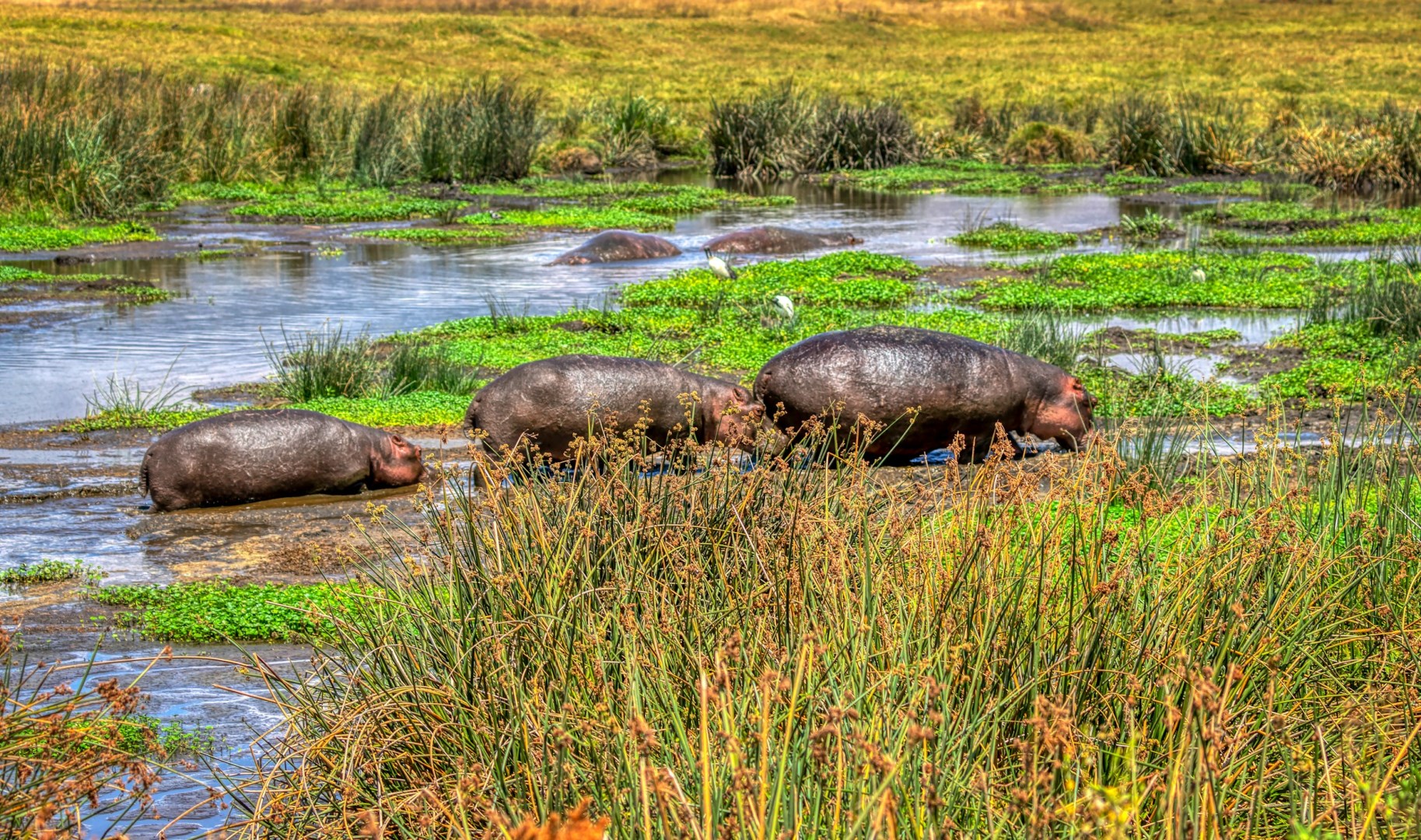
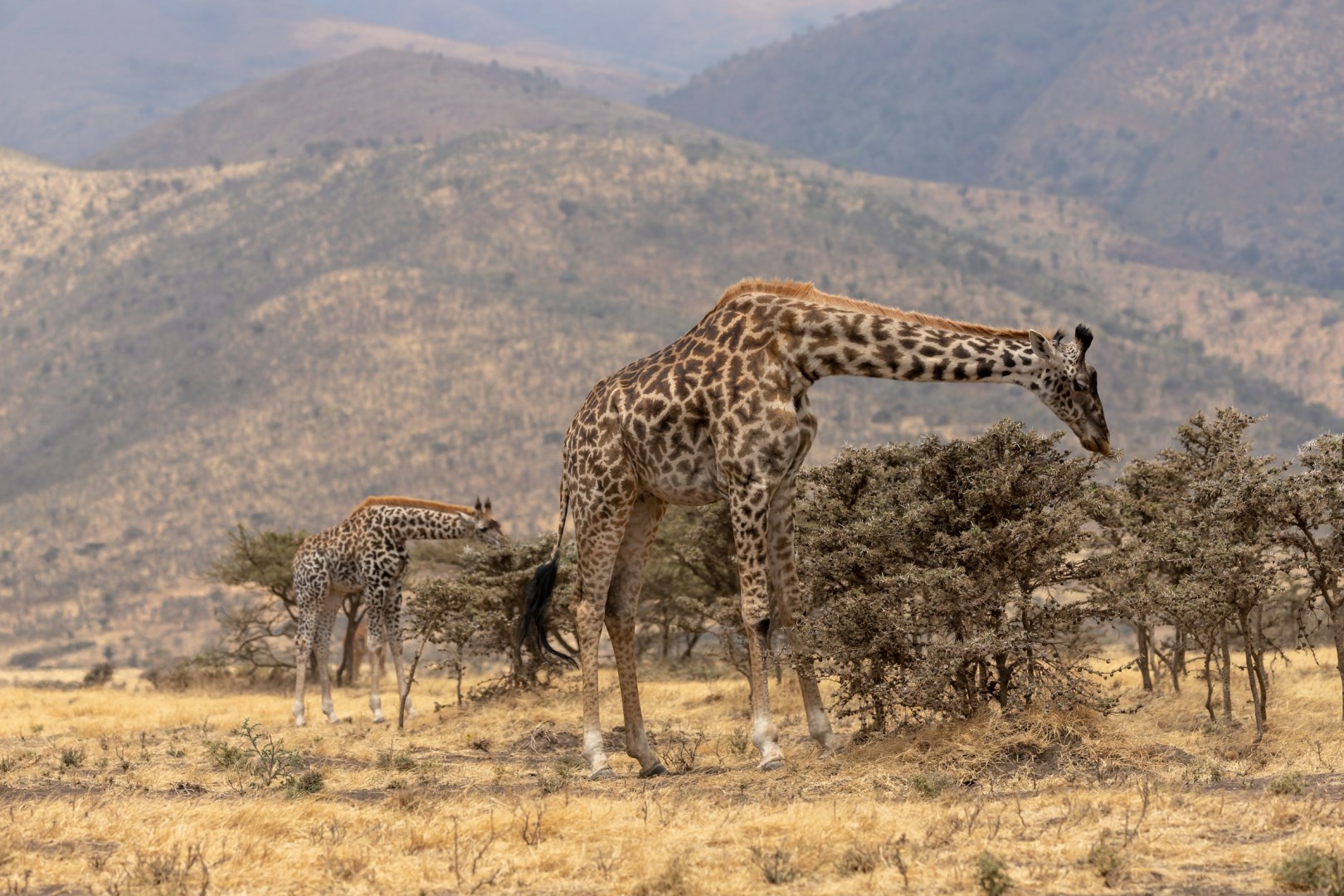
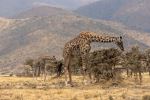
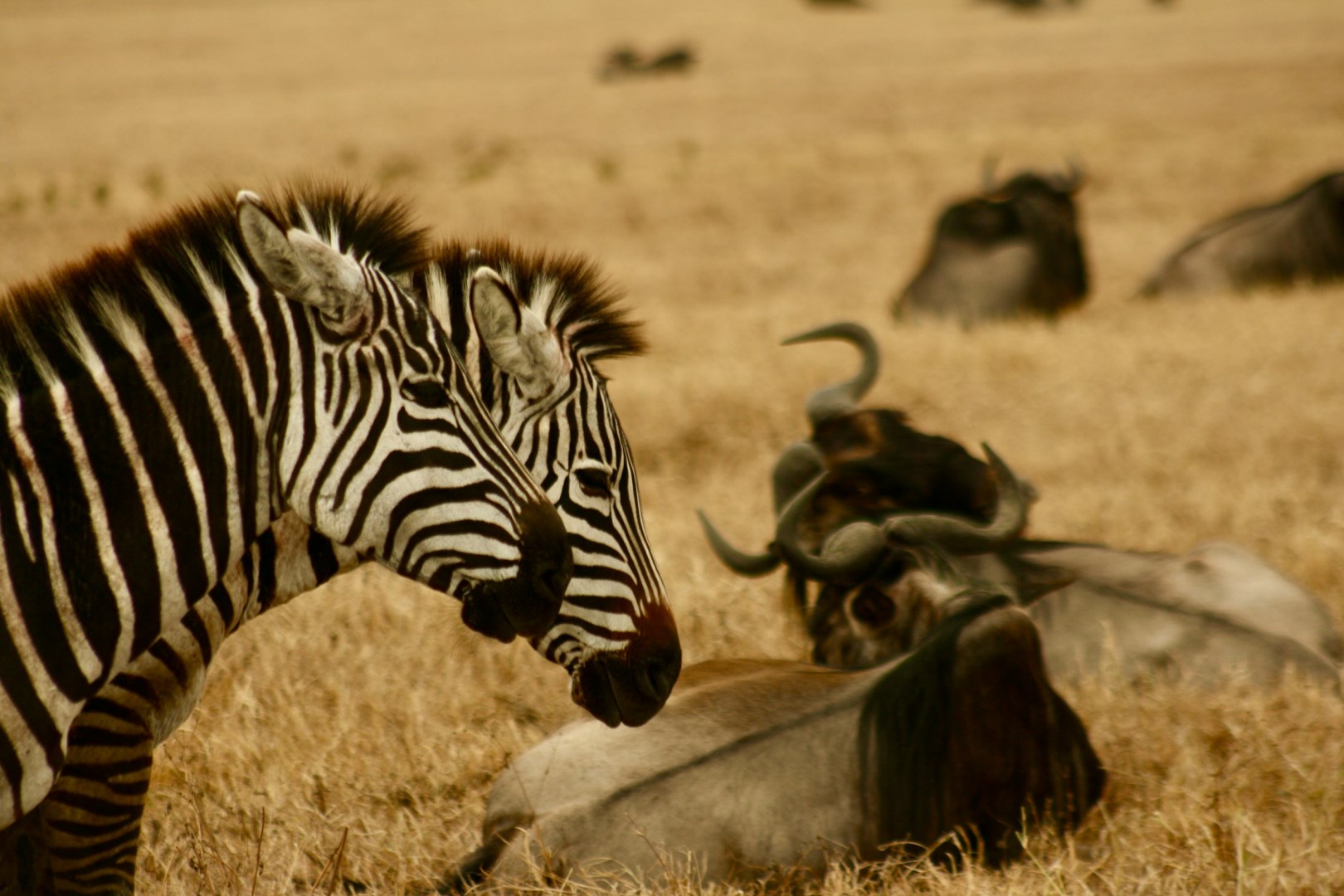
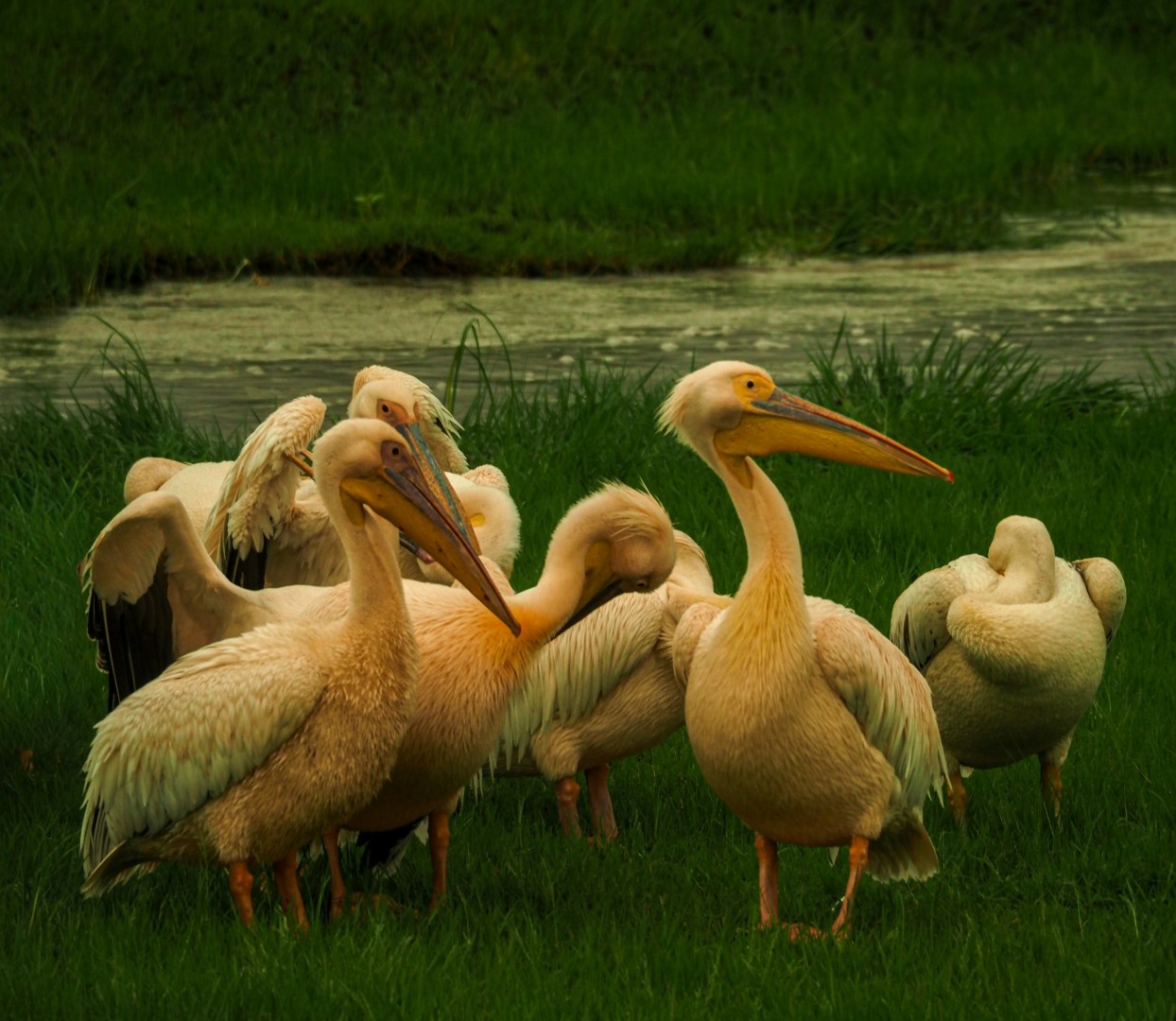
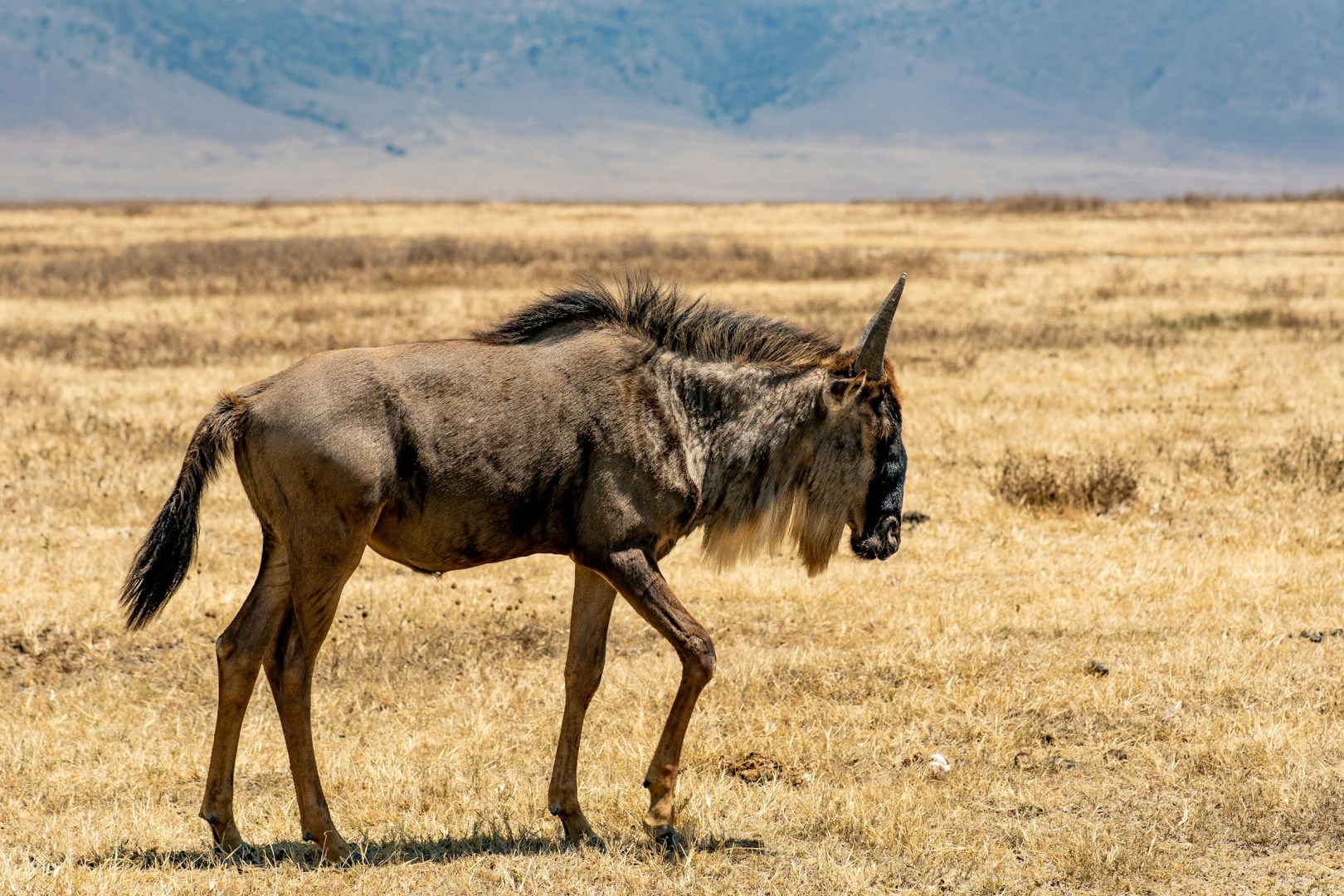
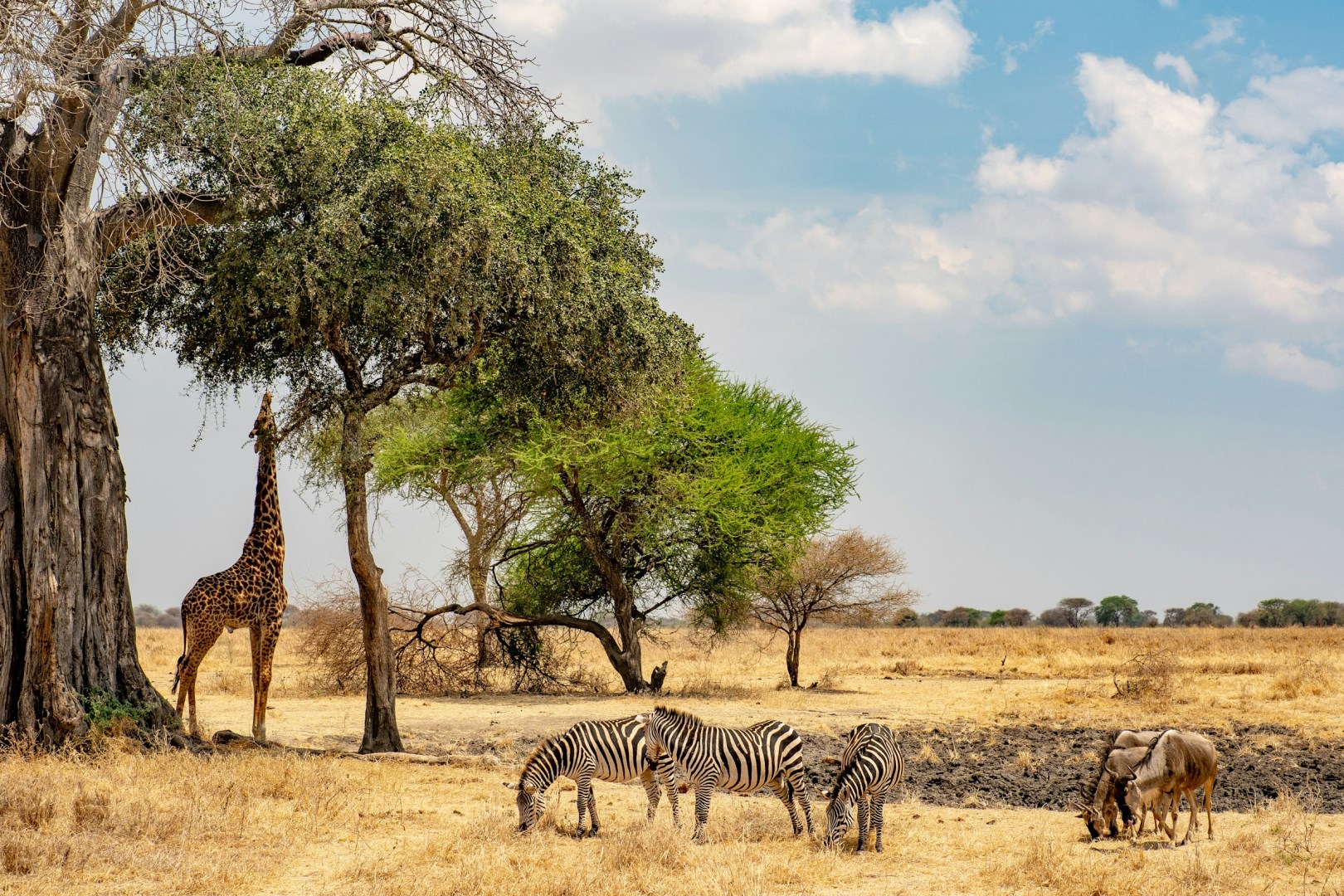
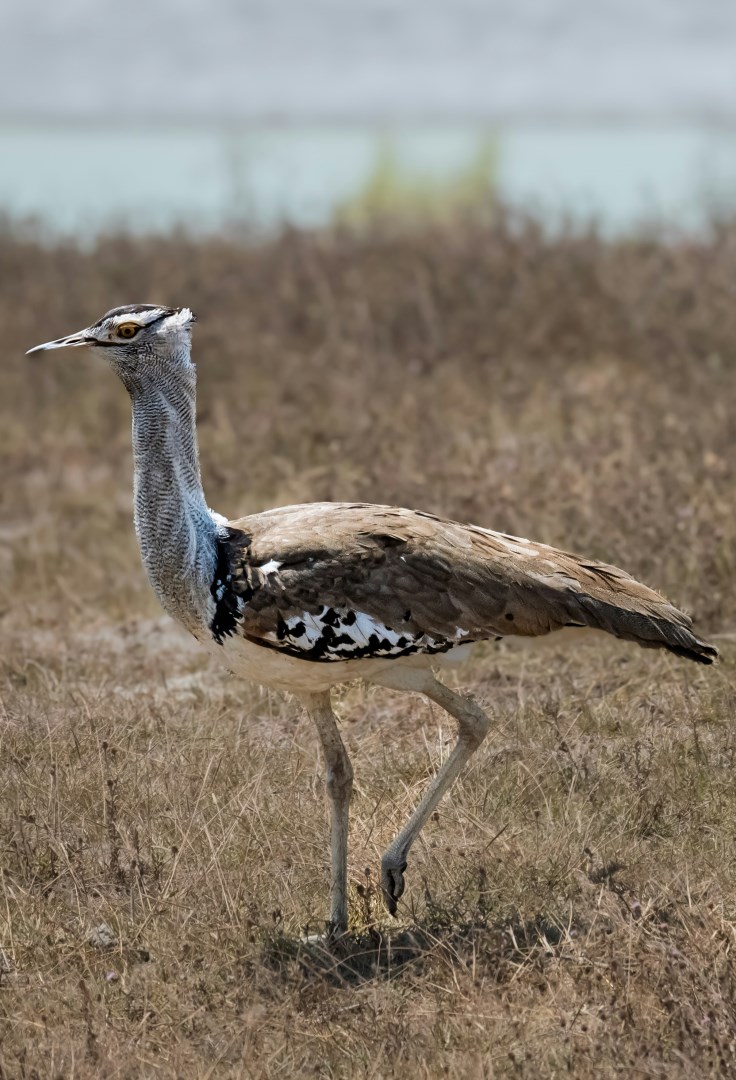
Ngorongoro, Tanzania, is a destination where breathtaking landscapes and abundant wildlife converge in a truly unique way. Nestled within the Ngorongoro Conservation Area, this region is renowned for the Ngorongoro Crater, a UNESCO World Heritage Site. This ancient caldera, formed by a volcanic eruption millions of years ago, creates a natural amphitheater teeming with wildlife. The crater's diverse habitats support a rich variety of animals, including the elusive black rhino, elephants, lions, and wildebeest.
A visit to Ngorongoro offers unparalleled wildlife experiences. The crater’s floor is a paradise for safari enthusiasts, providing a chance to witness the Great Migration’s dramatic river crossings or to observe predator-prey interactions in their natural habitat. Additionally, the highland forests surrounding the crater offer opportunities for birdwatching and scenic hikes. The area is also home to the Maasai people.