Agropoli
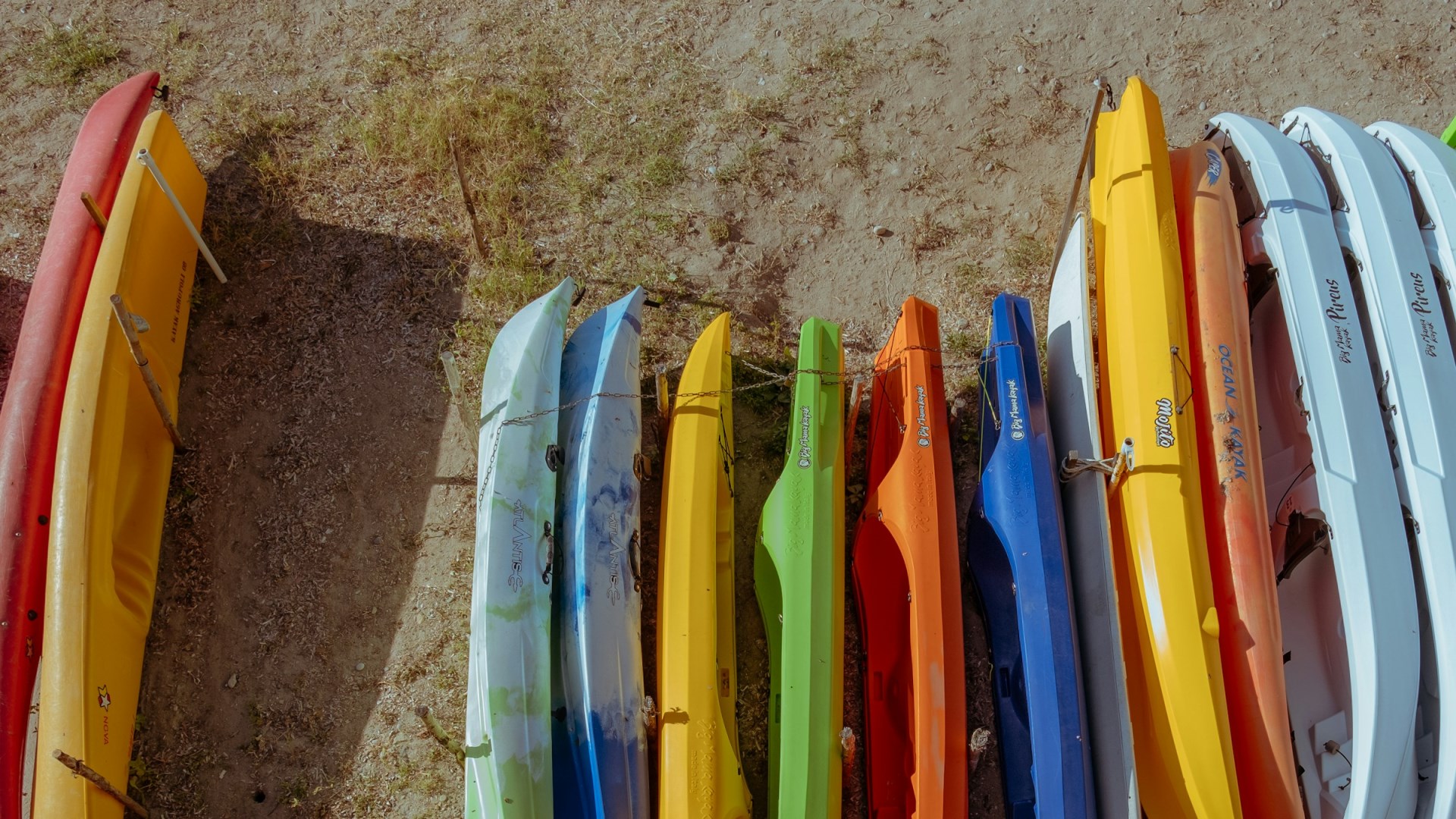
Agropoli is a coastal town in Campania’s Cilento area, built around a rocky promontory overlooking the Tyrrhenian Sea. Its historic center rises above the waterfront and is reached through the Porta di Agropoli, a stone gateway leading into a network of narrow lanes and steps. The town combines a working harbor and beaches with an elevated old quarter, creating a landscape shaped by both maritime activity and hilltop settlement.

Santiago
Flanked by the Chilean Coast Range and the snowy Andes, Chile's largest metropolis offers a dazzling array of sights and attractions for visitors to pursue. Mirrored skyscrapers, 16th-century churches, hip cafes, dance clubs... and did we mention the delicious Chilean cuisine?
Bayreuth
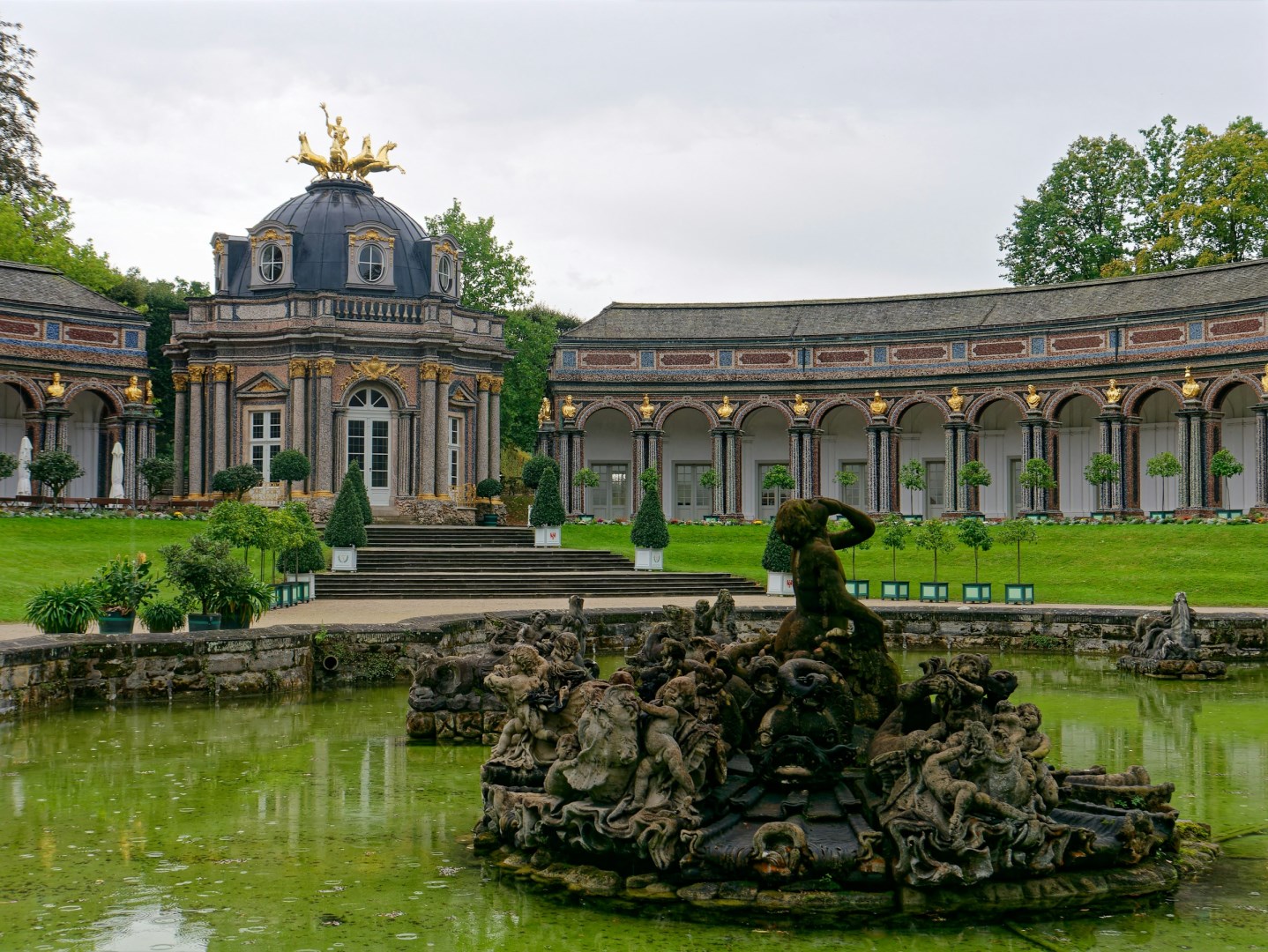
A hundred and forty seven miles from Frankfurt, Bayreuth is an important town the the history of classical music. There's a museum in this town dedicated to the composer who made Bayreuth famous, Richard Wagner. Every year, from the end of July and throughout August, the Bayreuth Festival pays homage to Wagner by presenting various operas he created.
Kimberley
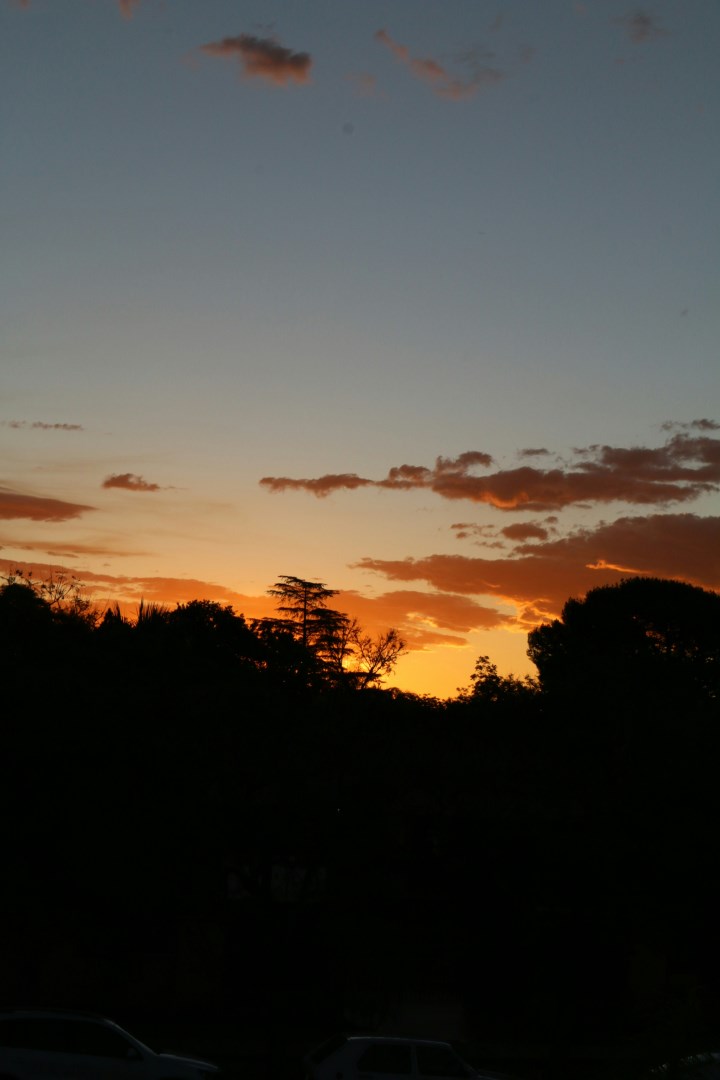
Kimberley is a city in South Africa’s Northern Cape province, known for its strong connection to diamond mining. It stands on a semi-arid plateau, where wide skies and dry landscapes shape daily life.

Aldabra
Aldabra Atoll, a UNESCO World Heritage Site located in the Seychelles, offers a pristine and unparalleled escape into nature's untouched beauty. The atoll, the second-largest in the world, is renowned for its remarkable biodiversity and is home to the Aldabra giant tortoise, a species found nowhere else on Earth. This enormous tortoise population is one of the key attractions for visitors, providing a rare opportunity to observe these majestic creatures in their natural habitat.