Oviedo, the capital of Asturias in northern Spain, offers a rare mix of medieval heritage and everyday life that feels rooted rather than staged. The city’s historic center is home to some of the oldest pre-Romanesque buildings in Europe, including the UNESCO-listed Santa María del Naranco and San Miguel de Lillo. Cider, not wine, defines the local table. Oviedo is surrounded by apple orchards, and the traditional drink, sidra natural, is poured from a height by skilled escanciadores.
Manompana is a small coastal town in northeastern Madagascar, located in the Analanjirofo Region along the Indian Ocean. The town sits at a low elevation and enjoys a tropical rainforest climate, with warm temperatures and abundant rainfall throughout the year.
Dominica, known as the “Nature Island of the Caribbean,” is a haven for eco-tourists and adventure seekers. Nestled between the French islands of Guadeloupe and Martinique, this lush island boasts a remarkable landscape of volcanic mountains, dense rainforests, and stunning waterfalls. Dominica’s most iconic natural wonder is the Boiling Lake, the second-largest hot spring in the world.
La Gomera, one of the Canary Islands, offers a unique and captivating escape with its lush landscapes and rich cultural heritage. Known for its dramatic terrain, the island is a haven for nature enthusiasts and hikers. The Garajonay National Park, a UNESCO World Heritage site, is the crown jewel of La Gomera, featuring dense laurel forests that date back to the Tertiary period.
Ohrid, nestled on the shores of Lake Ohrid in North Macedonia, is a city steeped in history and natural beauty. Often referred to as the "Jerusalem of the Balkans" due to its rich cultural and religious heritage, Ohrid boasts an impressive array of Byzantine-era churches, including the stunning Church of St. John at Kaneo. Perched on a cliff overlooking the lake, this church offers breathtaking views and a glimpse into the city's spiritual past.
Photo Credit: Photo by Hendrik Cornelissen on Unsplash
Photo Credit: Photo by Avel Chuklanov on Unsplash
Photo Credit: Photo by Michael Wilcox on Unsplash
Photo Credit: Photo by Nad Hemnani on Unsplash
Photo Credit: Photo by MARIOLA GROBELSKA on Unsplash
Photo Credit: Photo by Hendrik Cornelissen on Unsplash
Photo Credit: Photo by Denice Alex on Unsplash
Photo Credit: Photo by MARIOLA GROBELSKA on Unsplash
Photo Credit: Photo by Nad Hemnani on Unsplash
Photo Credit: Photo by Lesly Derksen on Unsplash
Photo Credit: Photo by Audric Wonkam on Unsplash
Photo Credit: Photo by mtsjrdl on Unsplash
Photo Credit: Photo by Mwandwe Chileshe on Unsplash
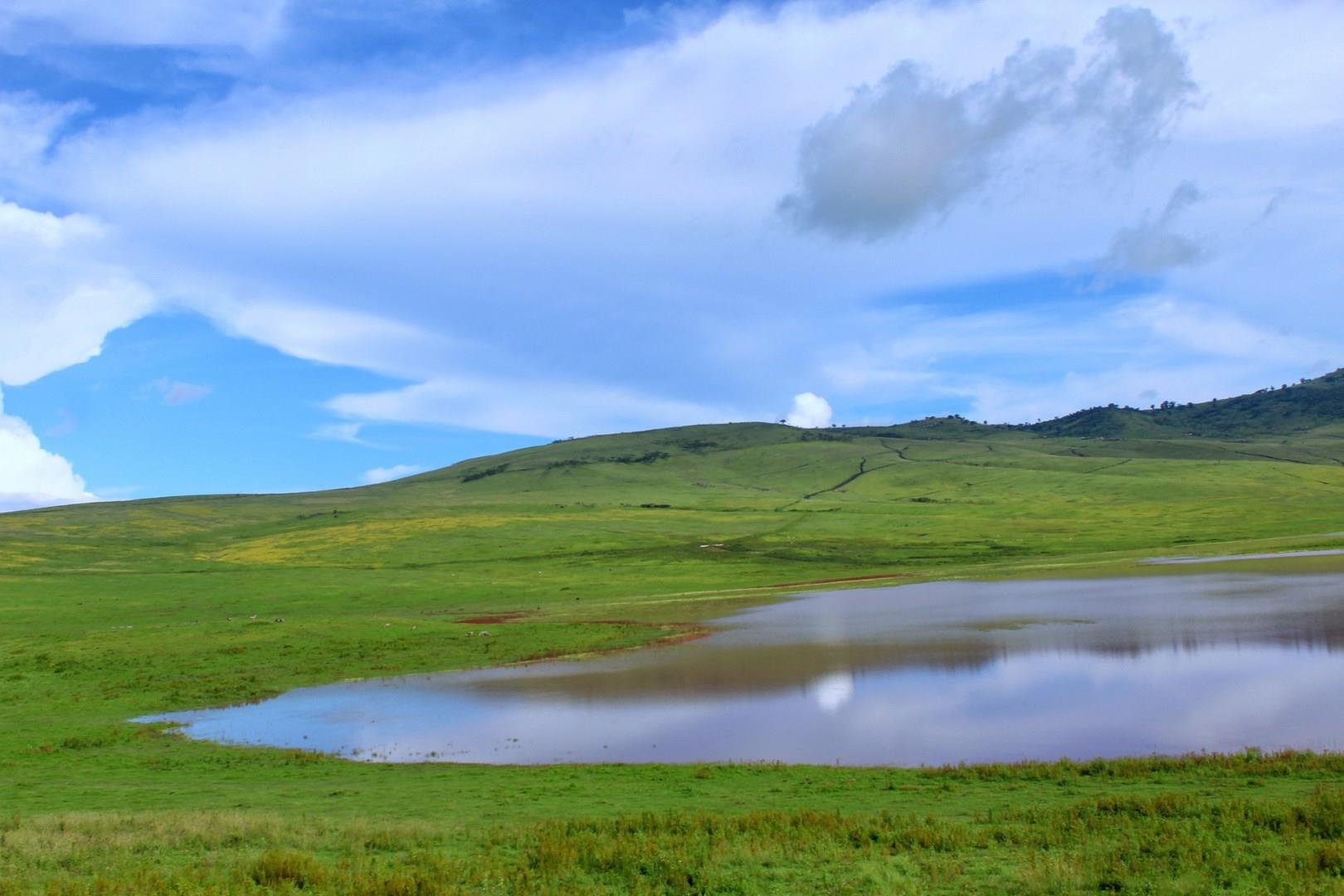
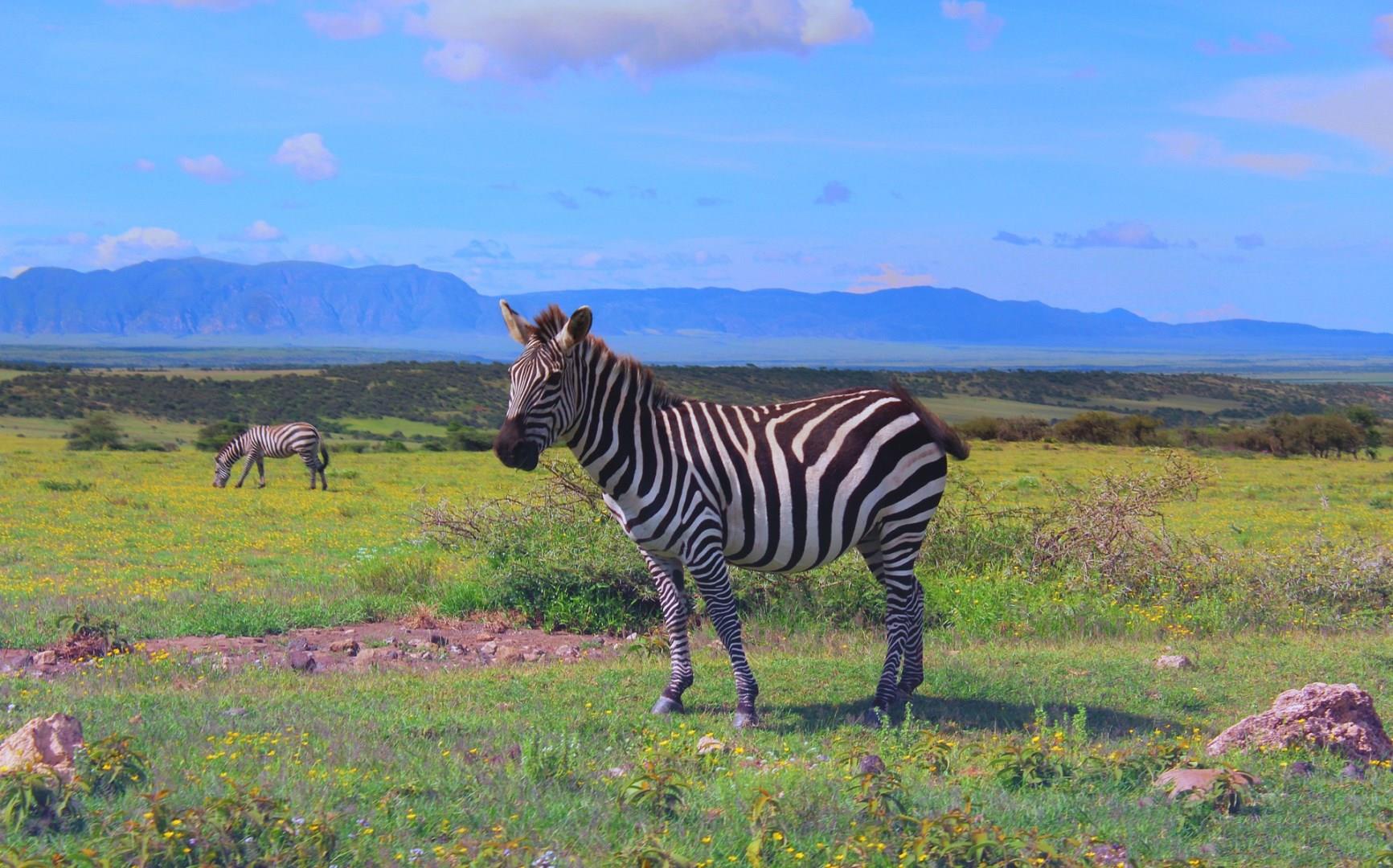
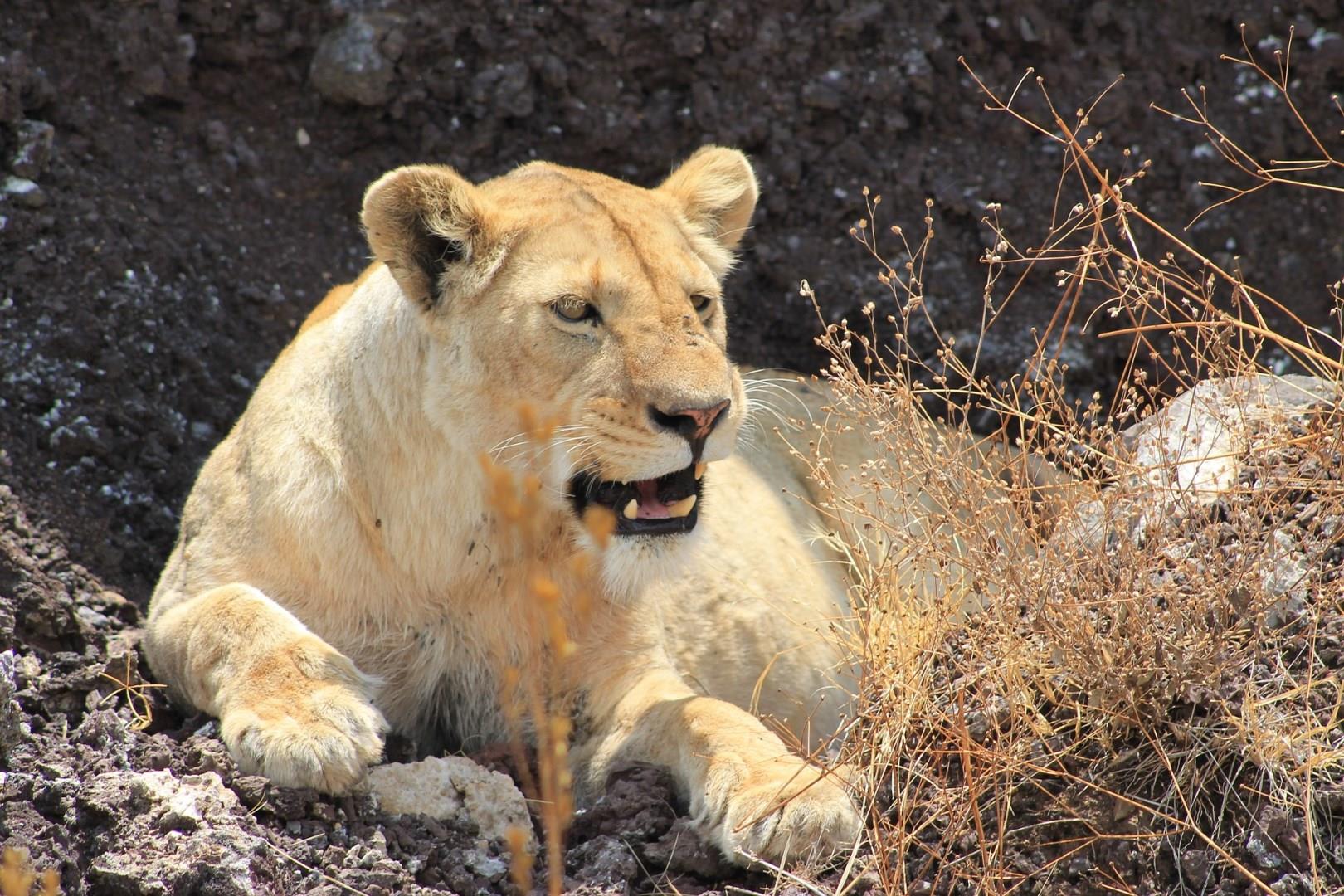
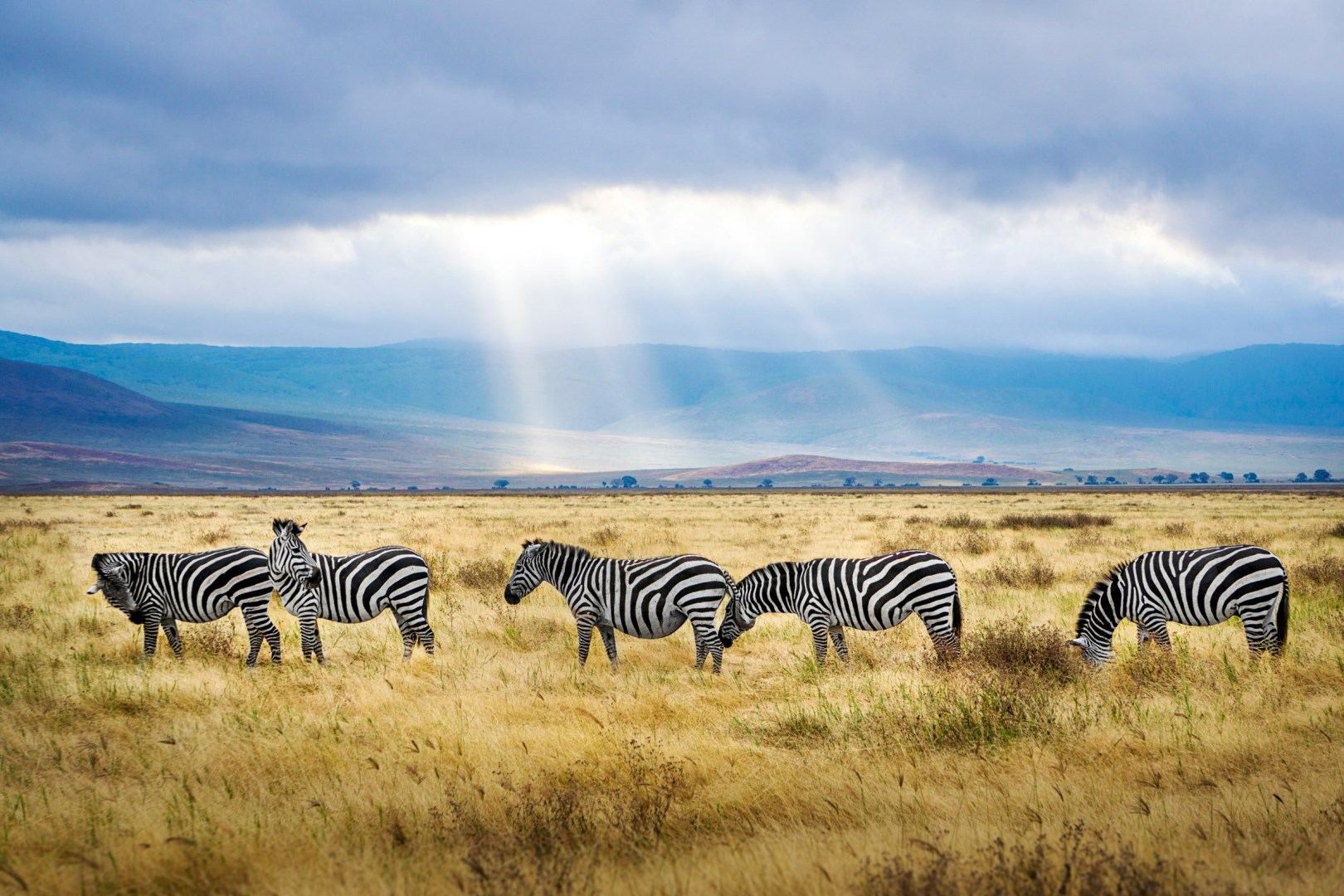
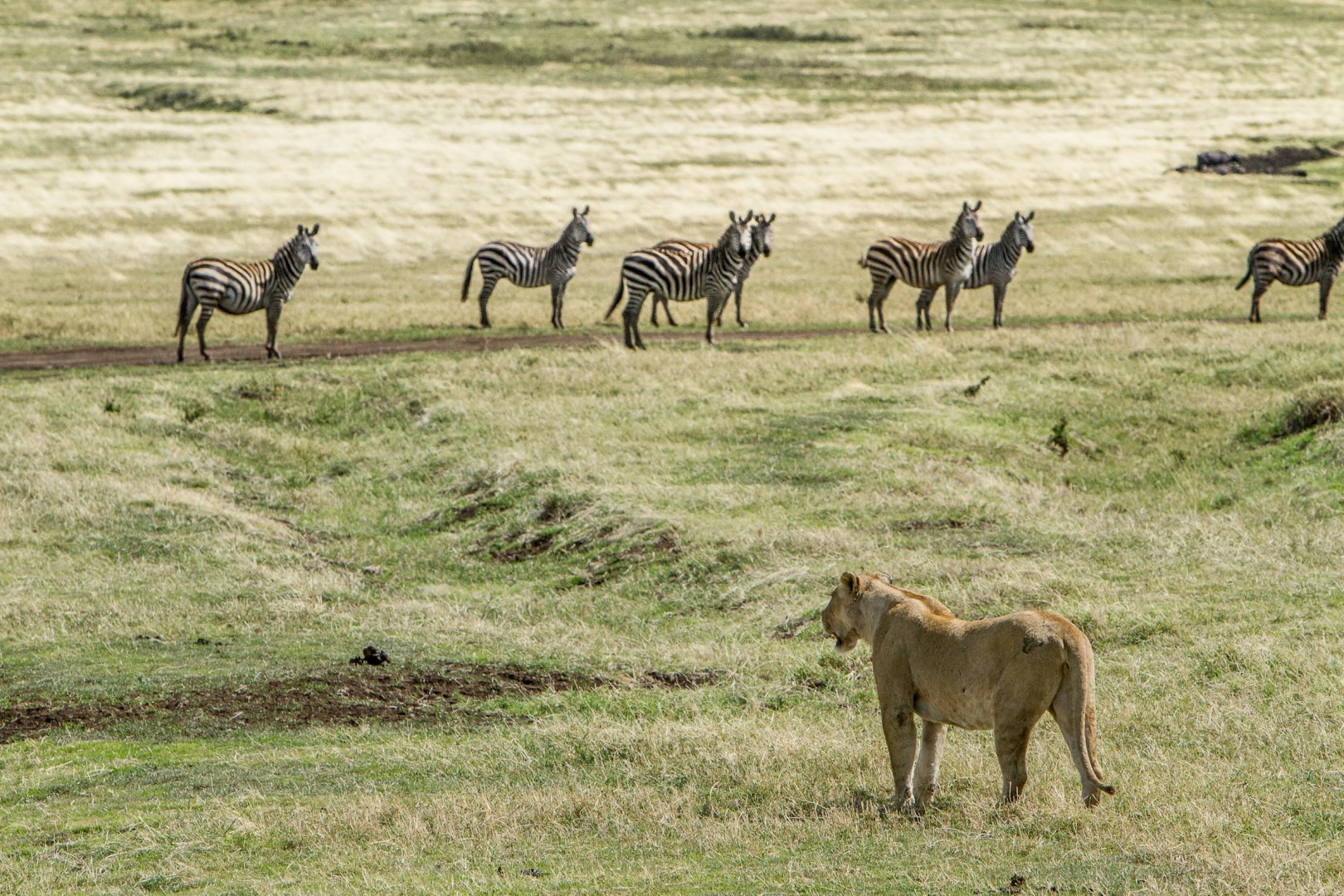
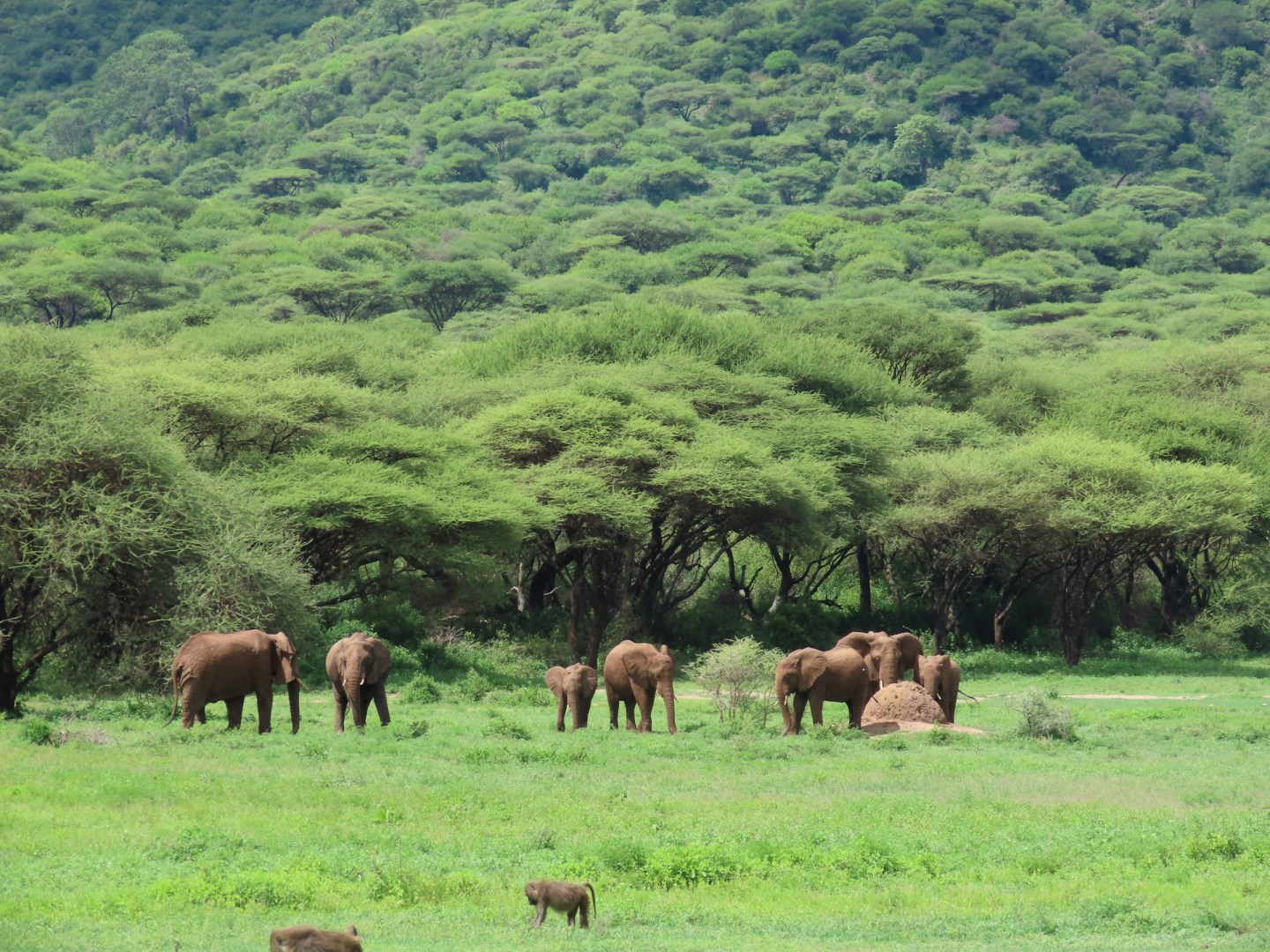
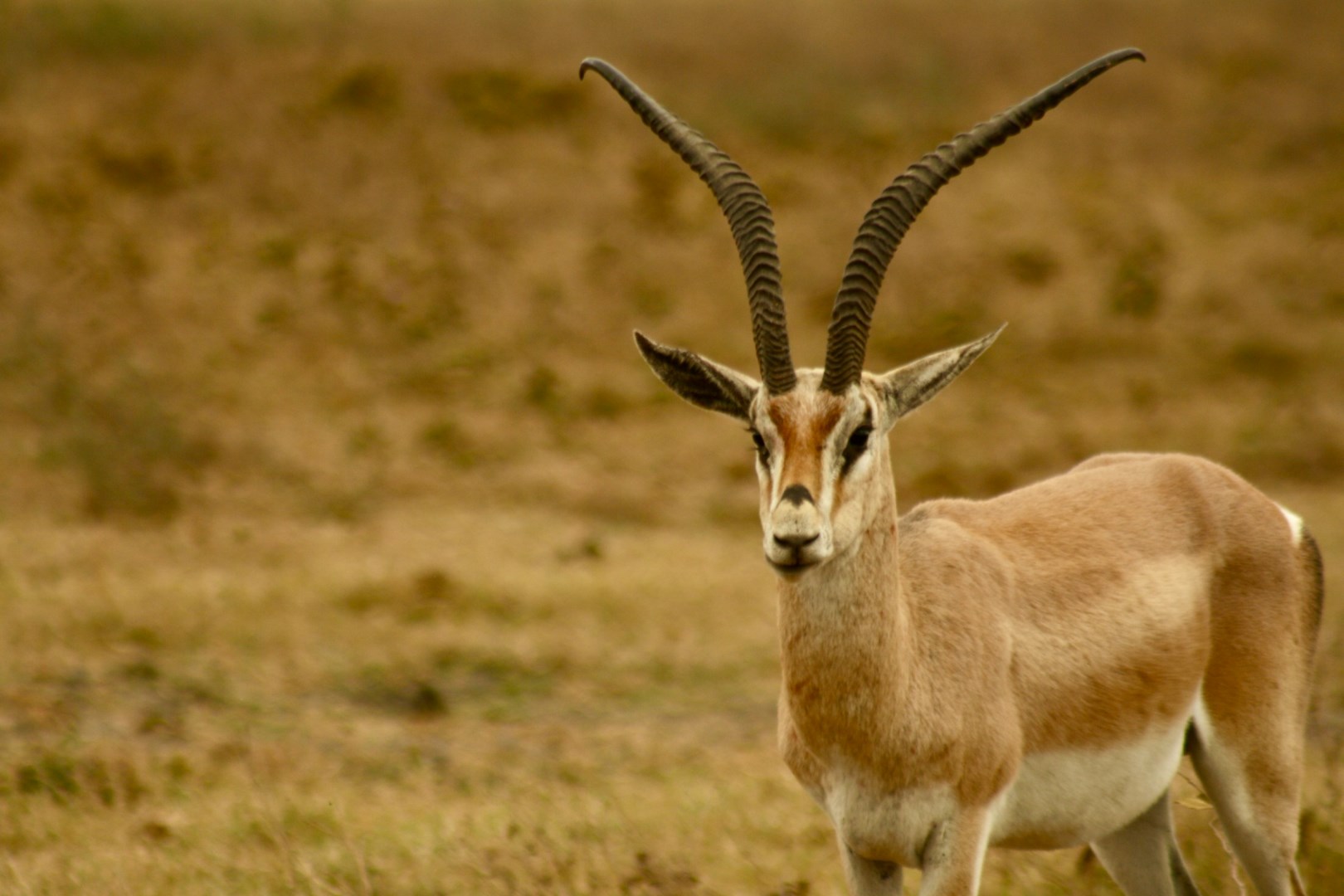
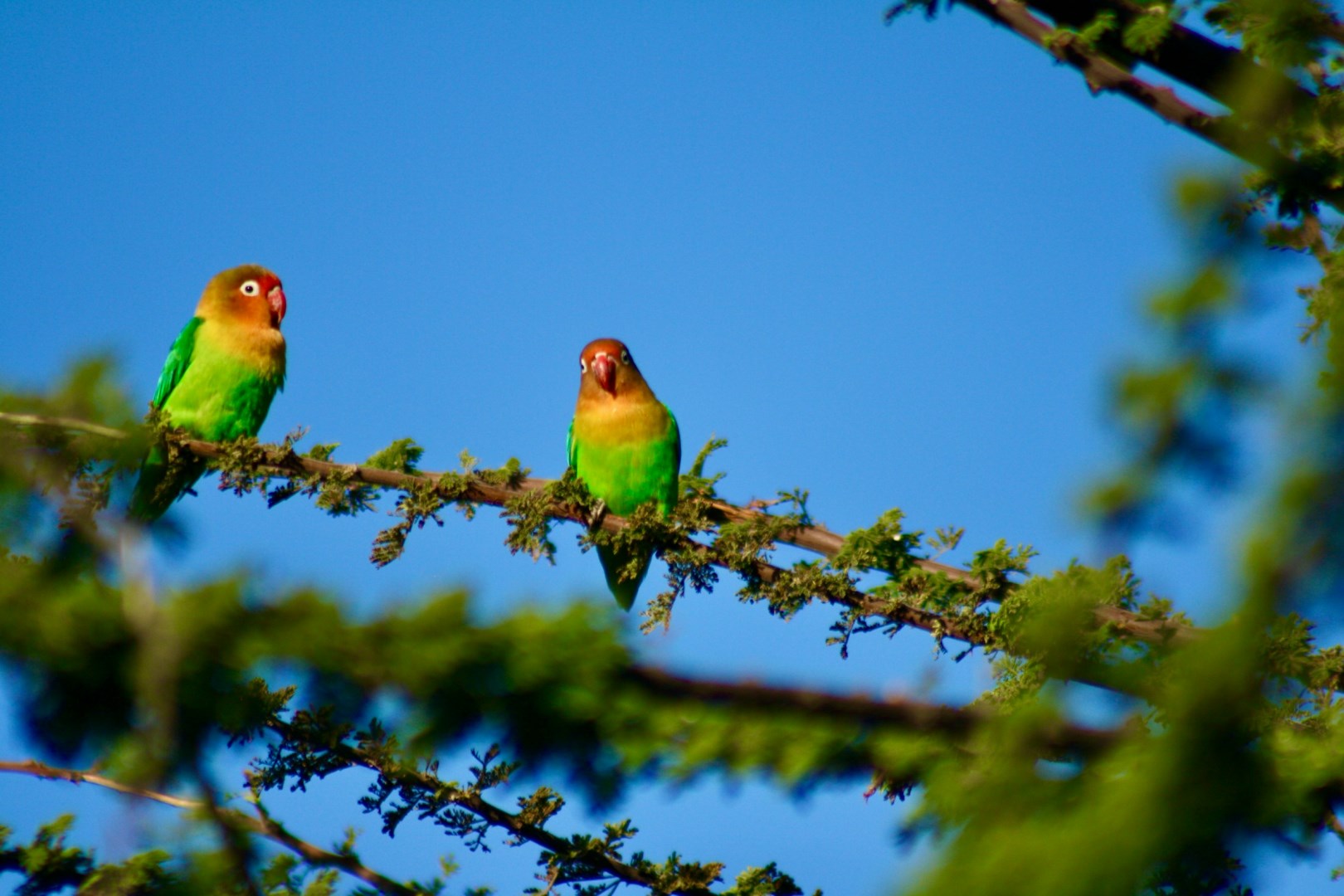
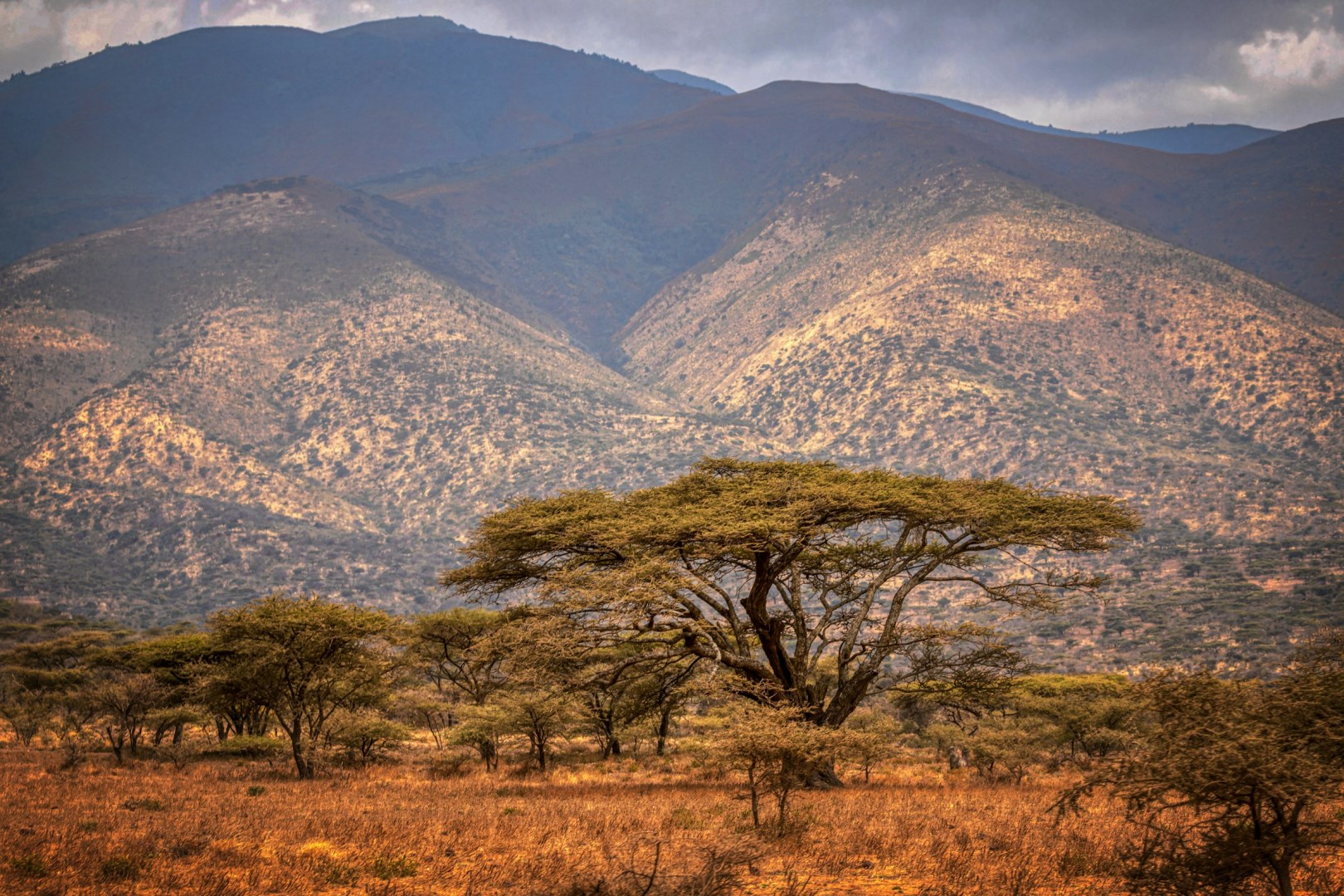
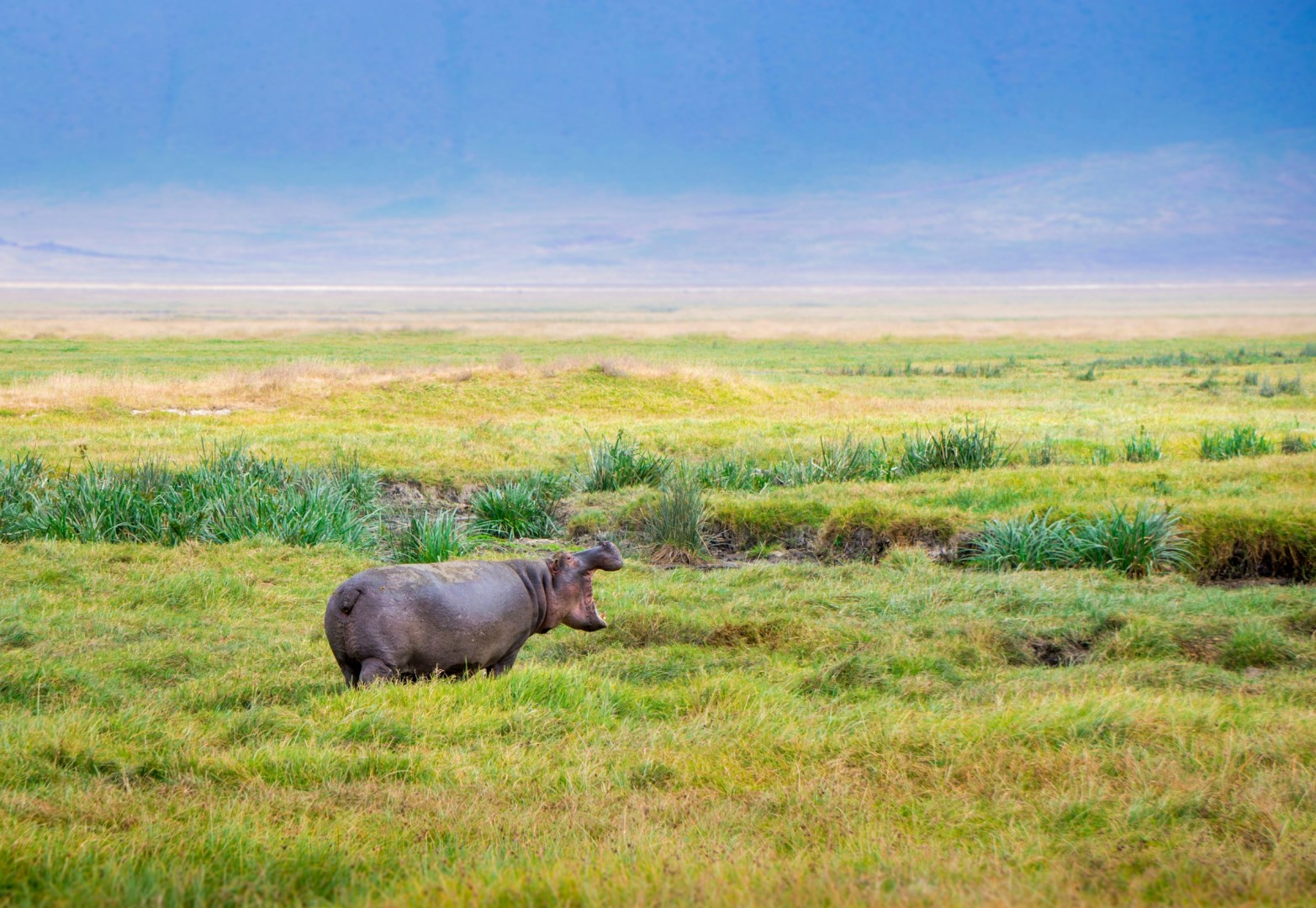
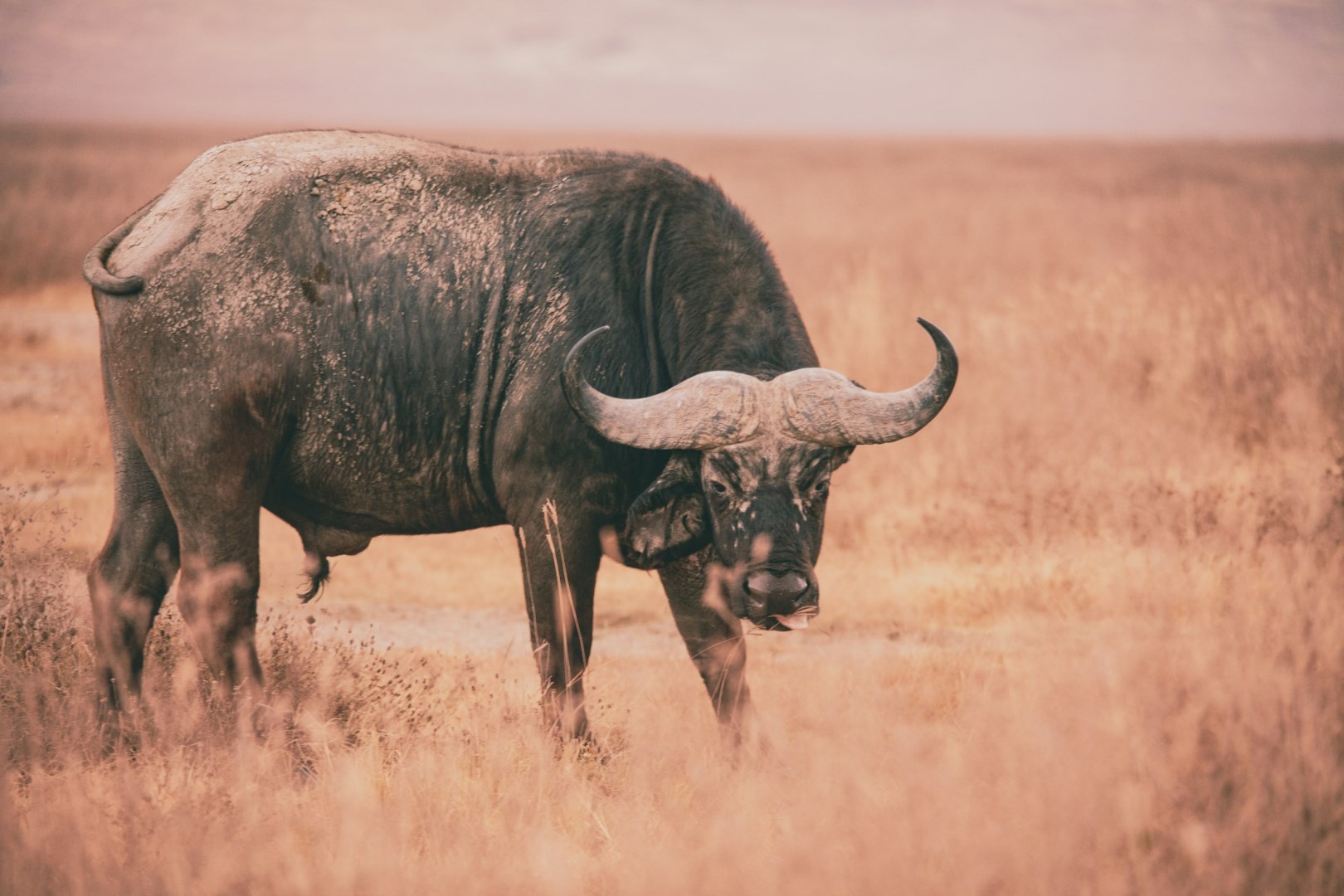
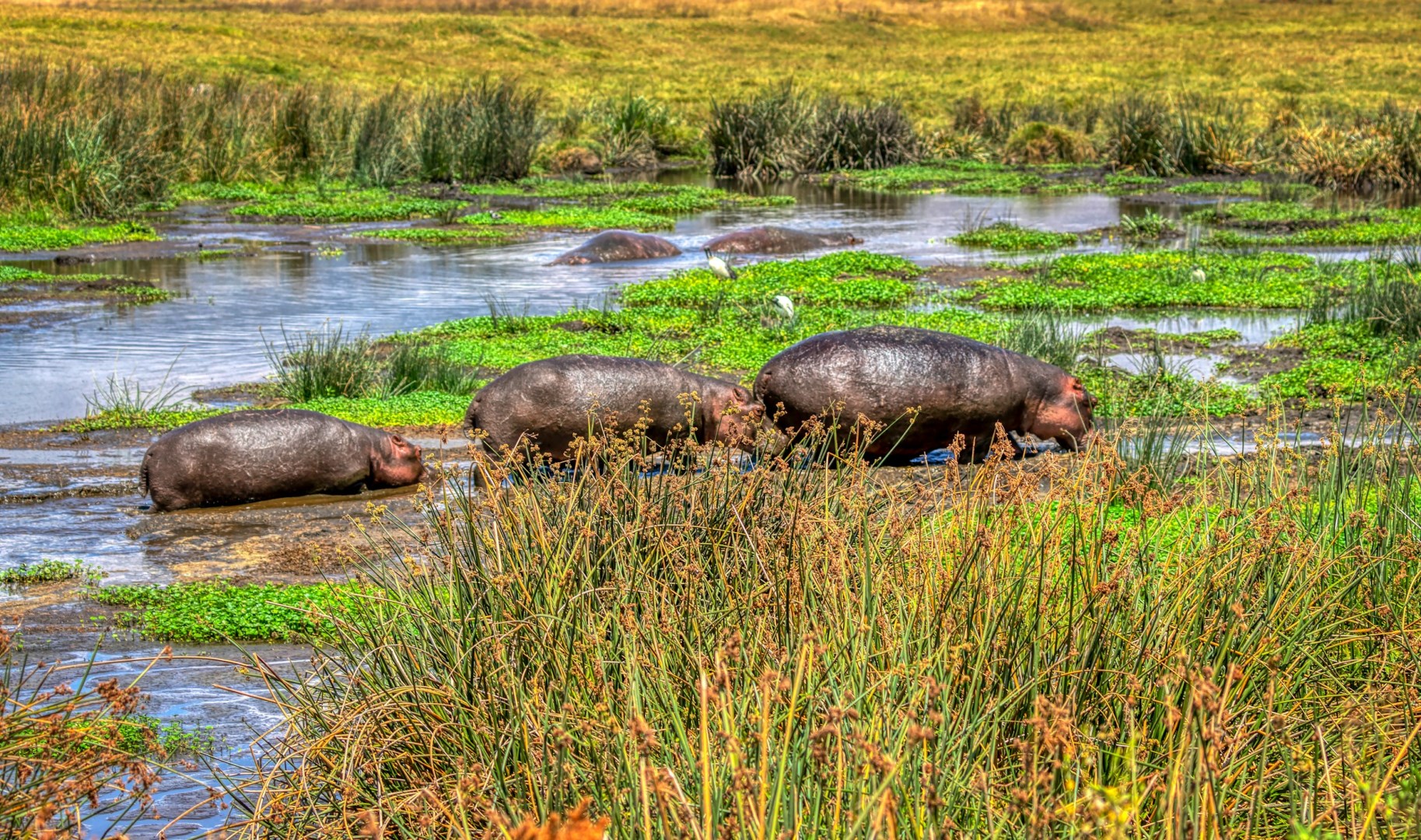
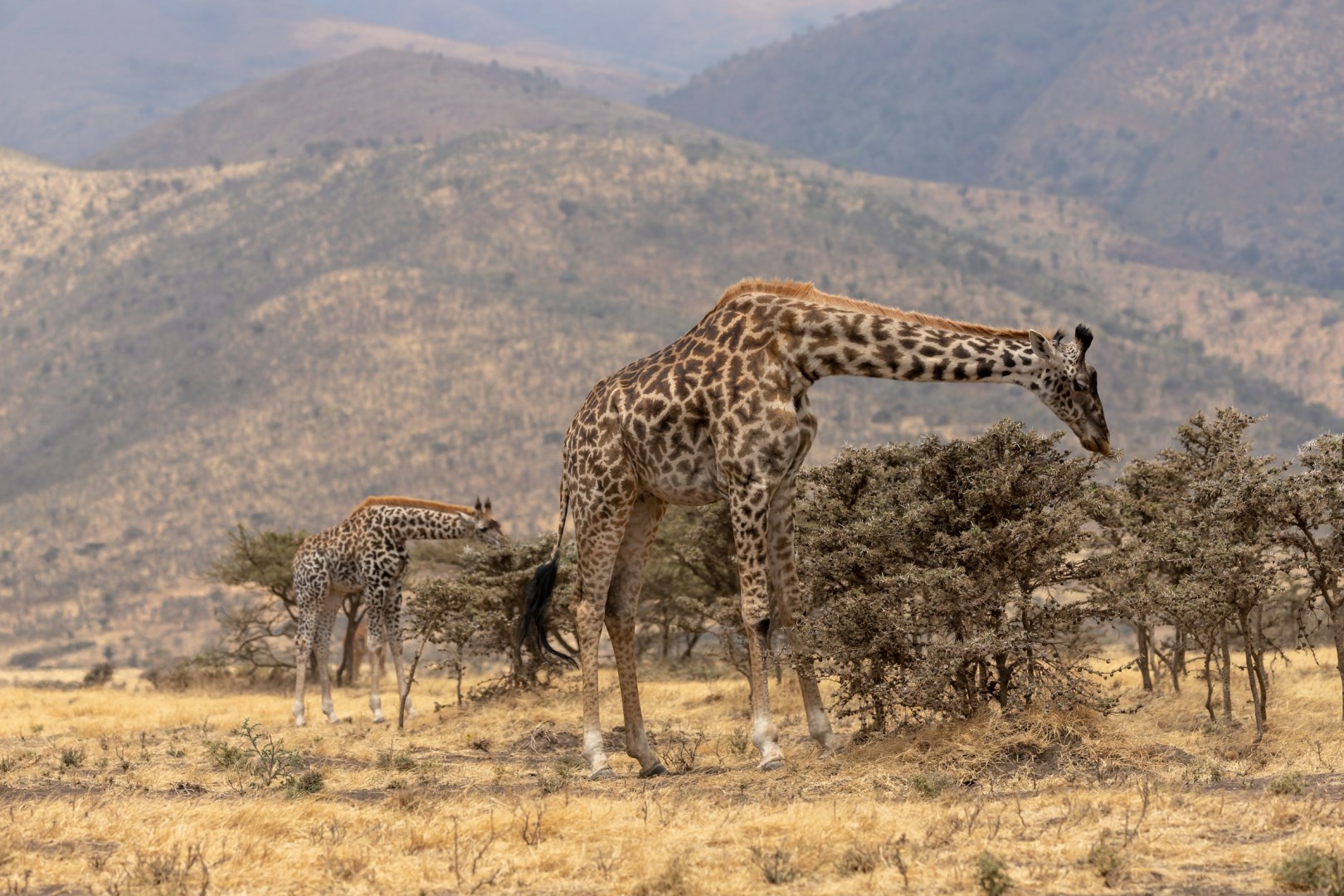
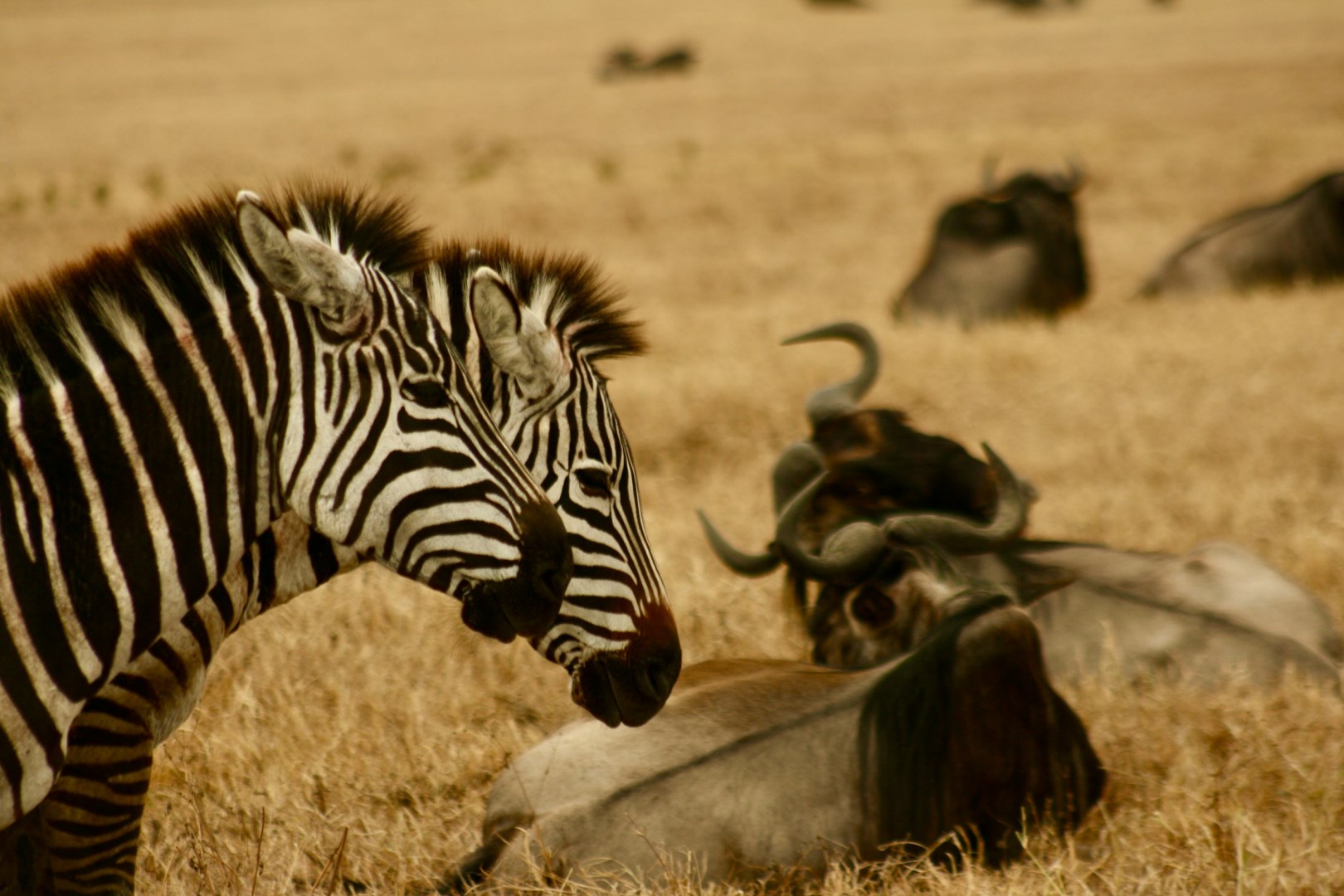
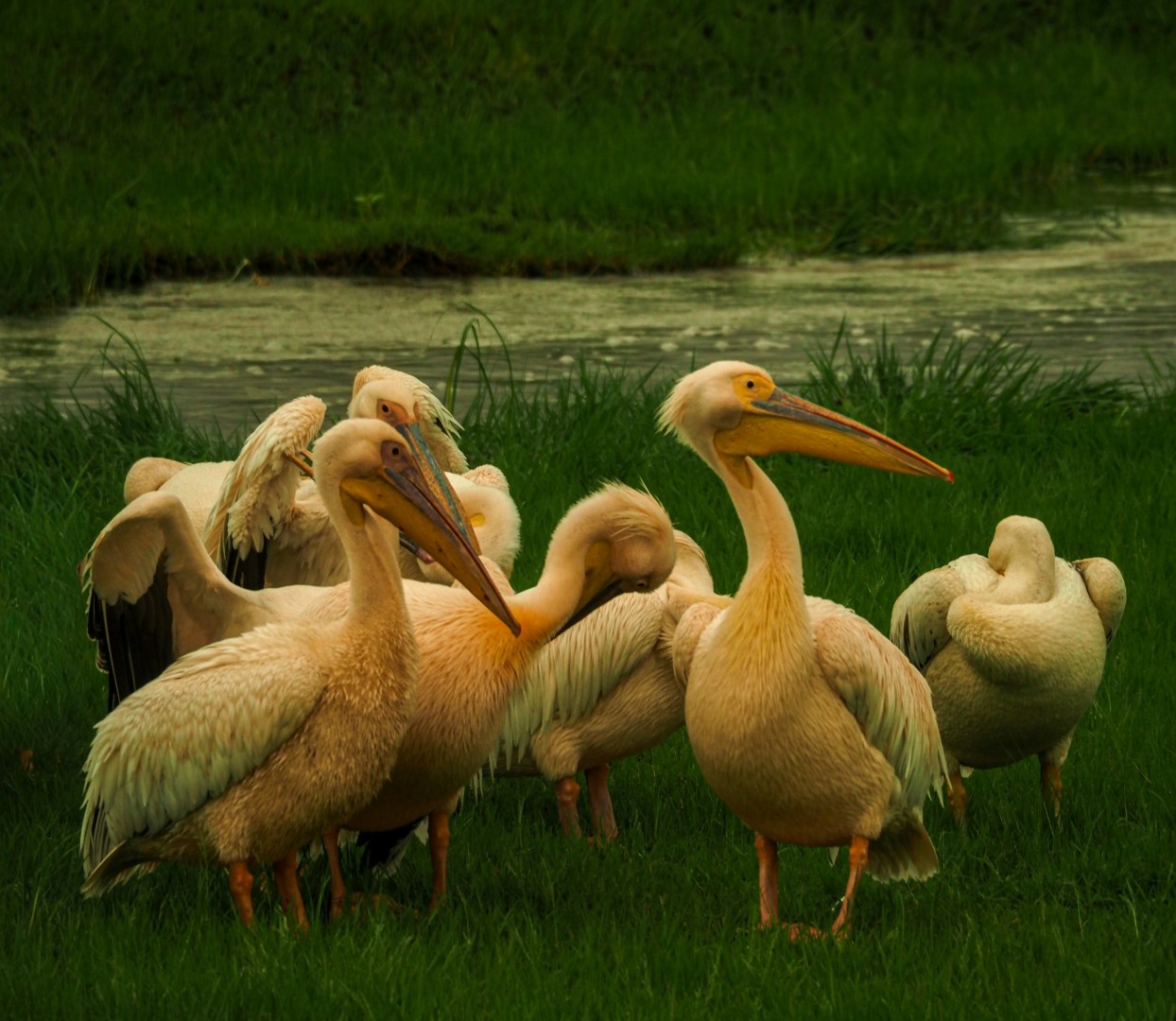
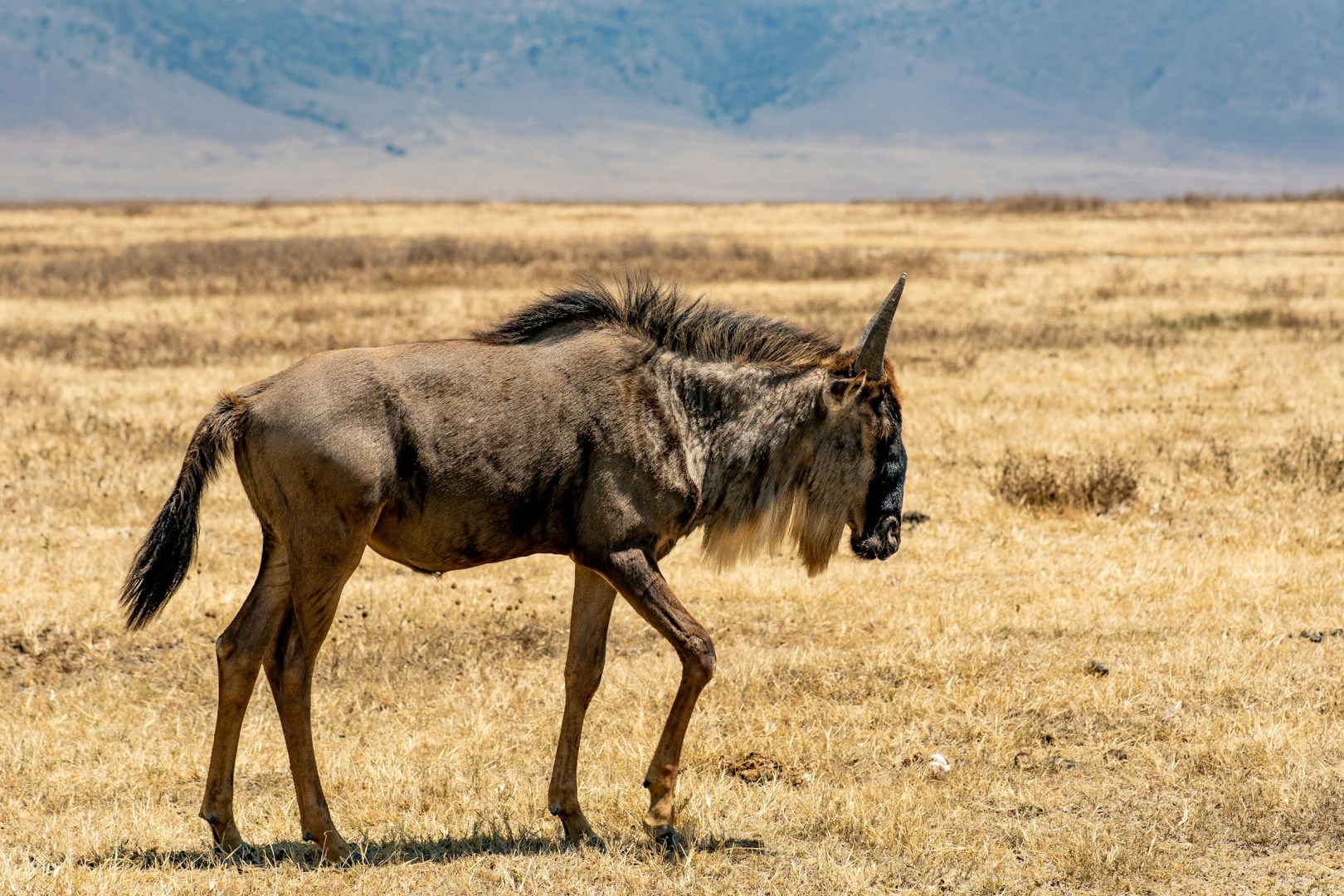
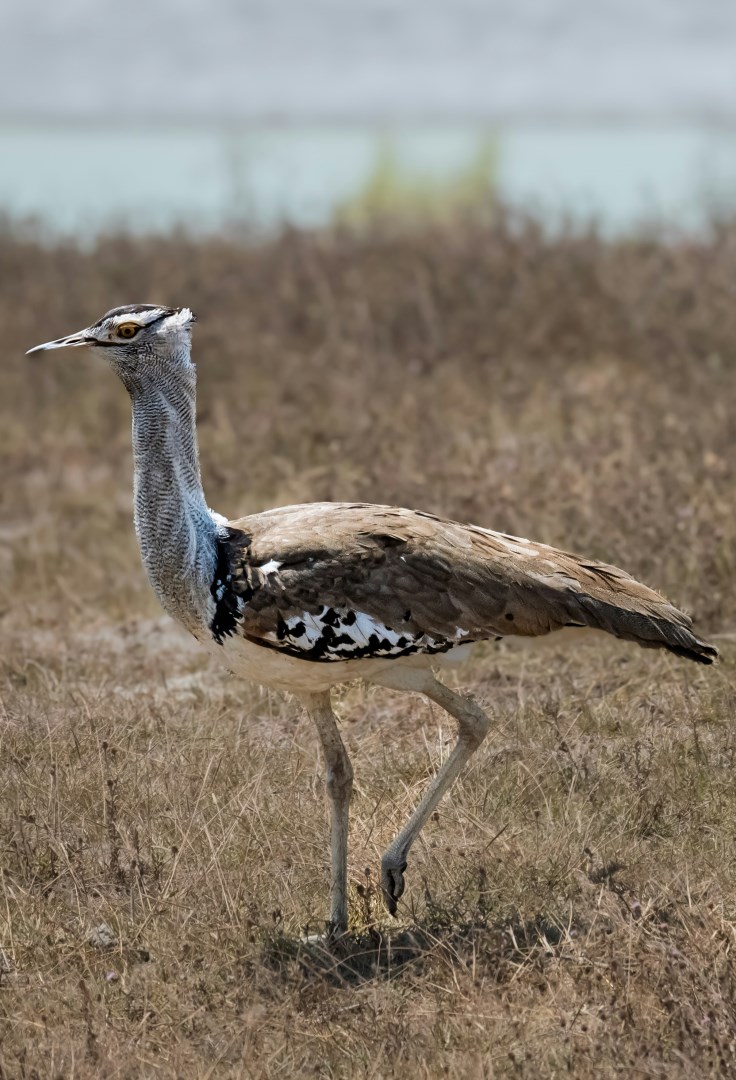
Ngorongoro, Tanzania, is a destination where breathtaking landscapes and abundant wildlife converge in a truly unique way. Nestled within the Ngorongoro Conservation Area, this region is renowned for the Ngorongoro Crater, a UNESCO World Heritage Site. This ancient caldera, formed by a volcanic eruption millions of years ago, creates a natural amphitheater teeming with wildlife. The crater's diverse habitats support a rich variety of animals, including the elusive black rhino, elephants, lions, and wildebeest.
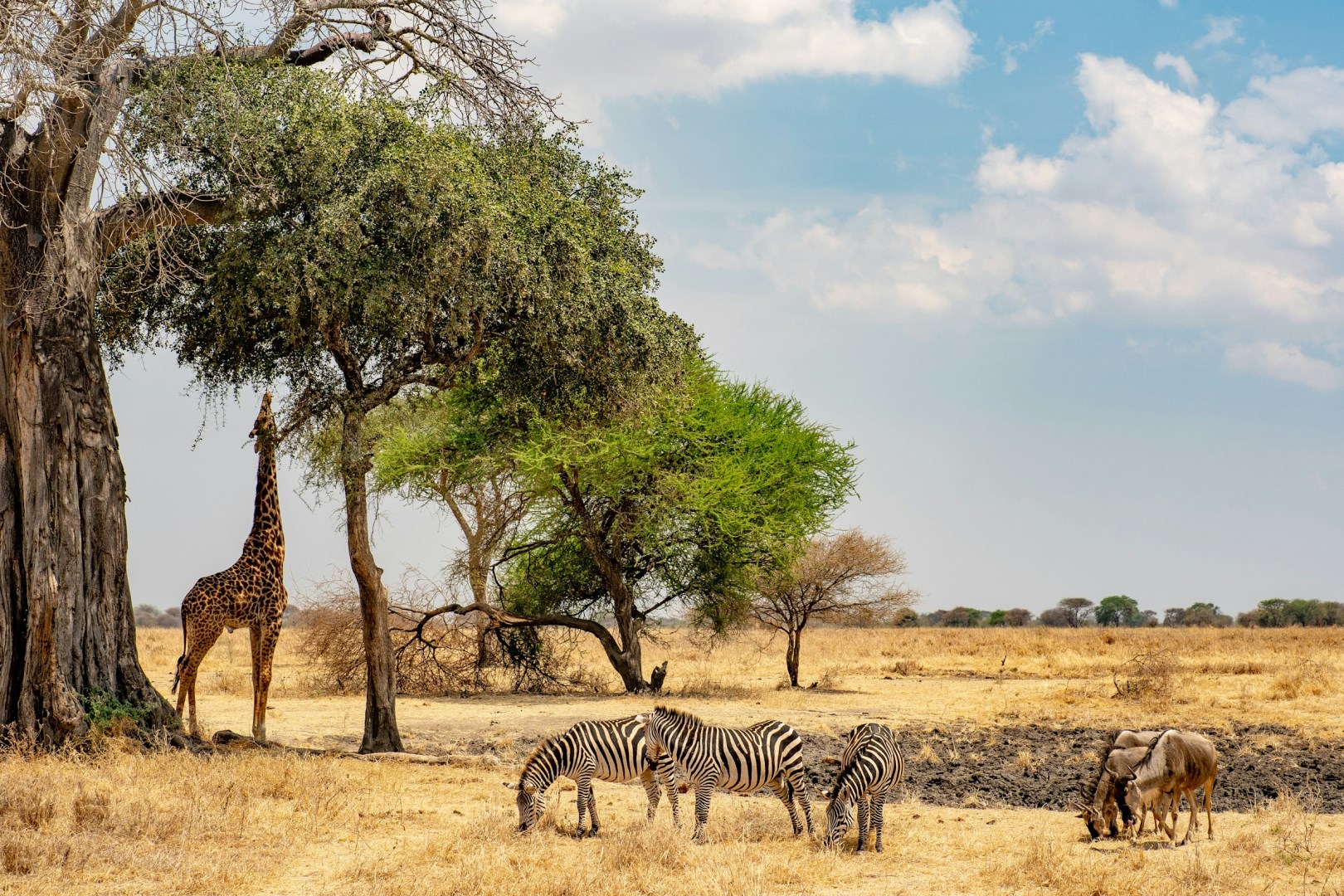
A visit to Ngorongoro offers unparalleled wildlife experiences. The crater’s floor is a paradise for safari enthusiasts, providing a chance to witness the Great Migration’s dramatic river crossings or to observe predator-prey interactions in their natural habitat. Additionally, the highland forests surrounding the crater offer opportunities for birdwatching and scenic hikes. The area is also home to the Maasai people.