Windsor
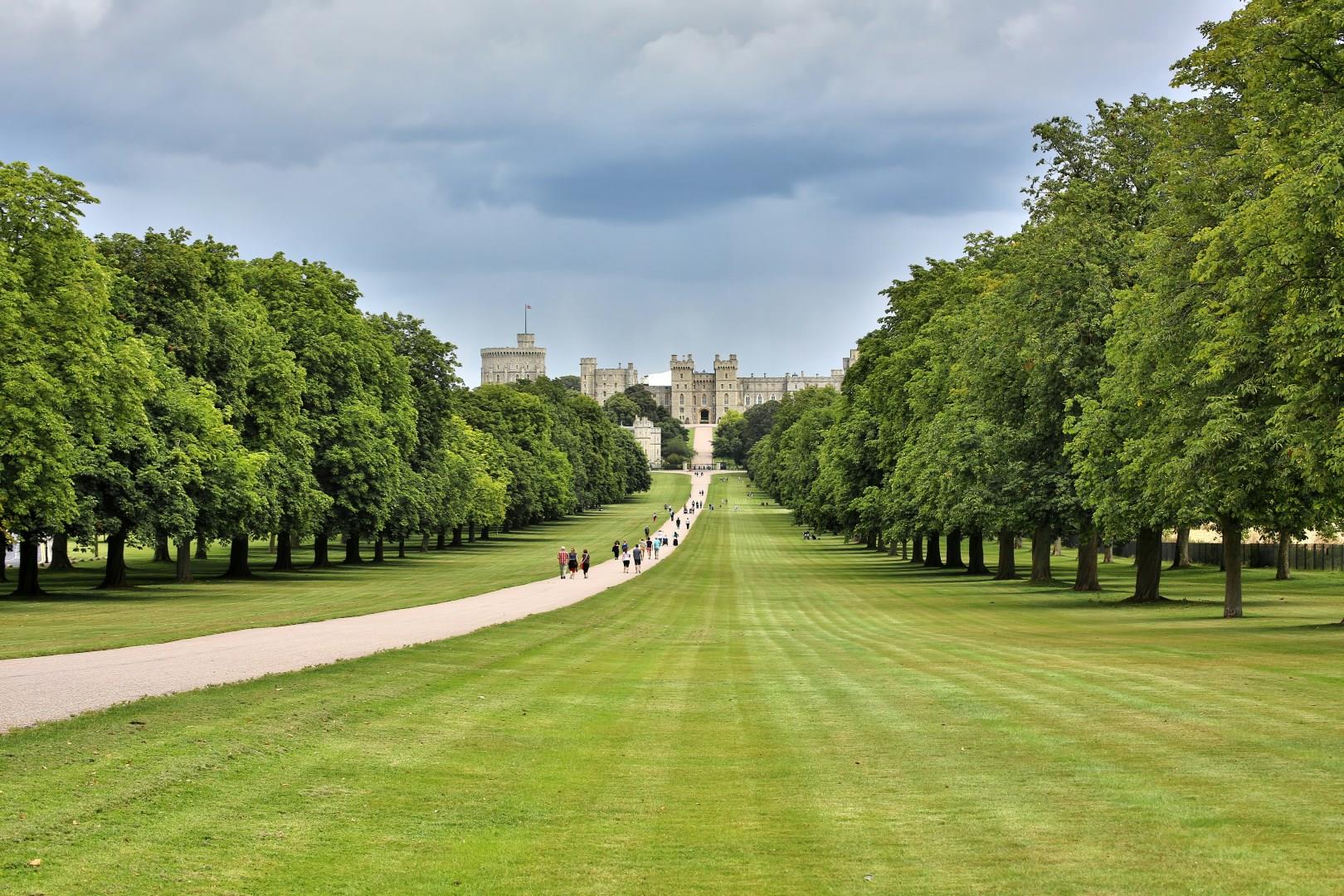
Windsor sits along a bend in the River Thames, its identity shaped by nearly a thousand years of royal presence. Windsor Castle, the world’s oldest continuously inhabited royal residence, dominates the town and anchors its historical significance, but the surrounding streets and parks reveal a place that has long supported court life, trade, and everyday routines alongside ceremony.
Missoula
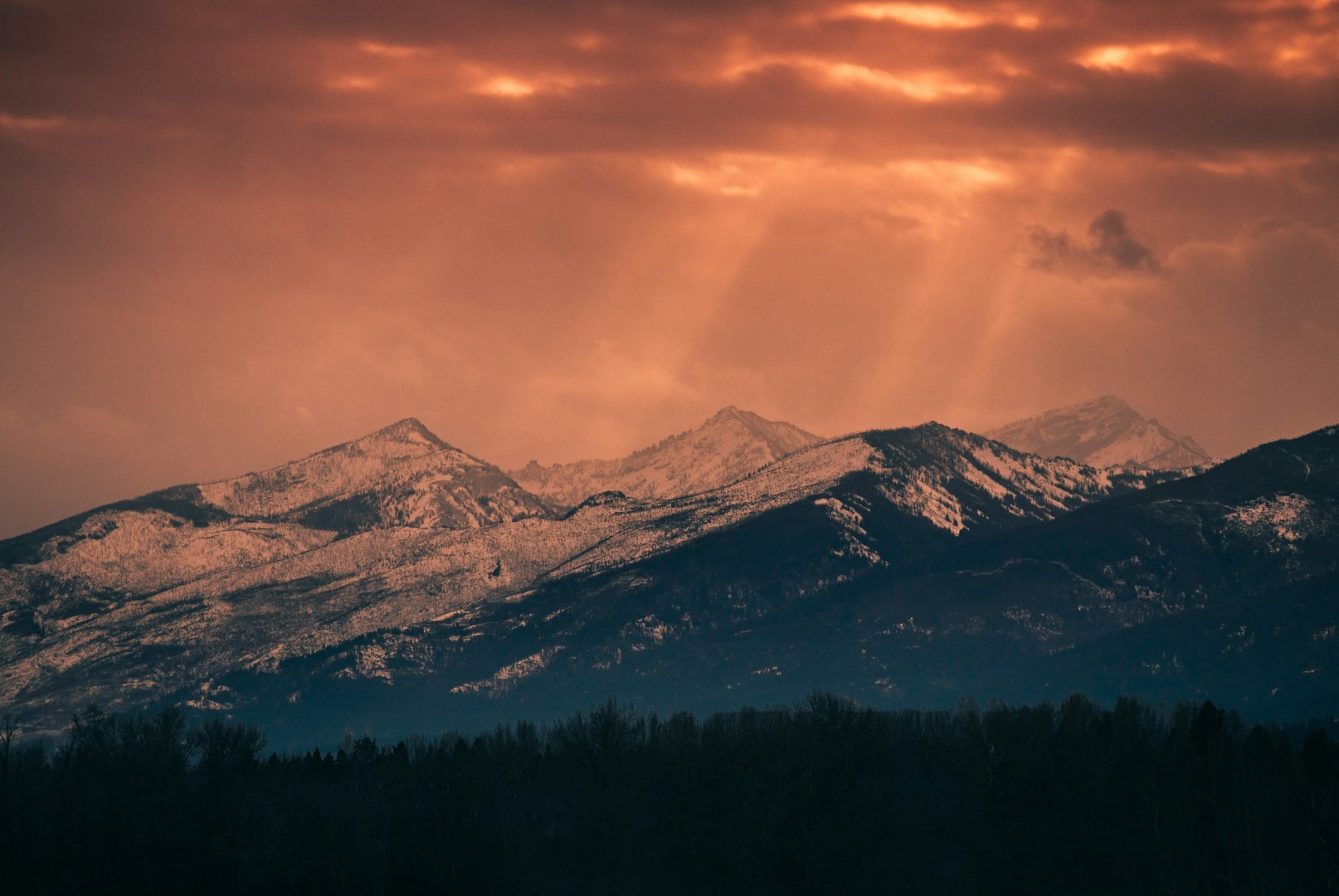
Missoula, nestled in western Montana’s scenic mountain valleys, is a lively city that blends outdoor adventure with a strong sense of community and culture. Founded as a 19th-century trading post and lumber town, Missoula has evolved into a hub for education, the arts, and nature, anchored by the University of Montana and surrounded by breathtaking wilderness.
Sydney, Nova Scotia
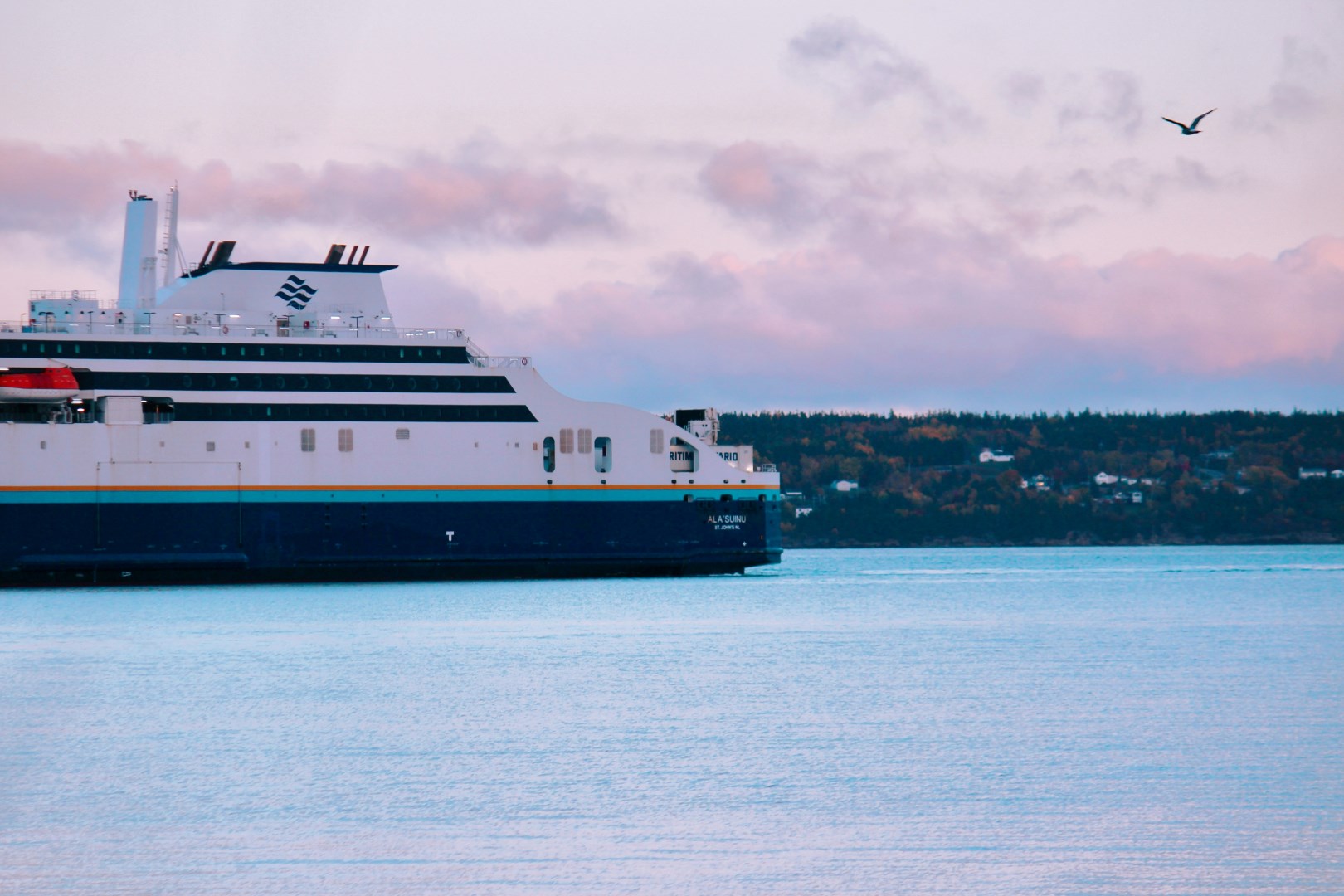
Situated on the eastern edge of Cape Breton Island, Sydney in Nova Scotia welcomes visitors with a strong connection to the sea and a deep-rooted cultural identity. The city’s waterfront is a natural gathering place, where boardwalks stretch along the harbor and offer views of fishing boats, cruise ships, and open water. One of its most recognizable landmarks is the world’s largest fiddle, a towering tribute to the region’s musical traditions.
Vernon
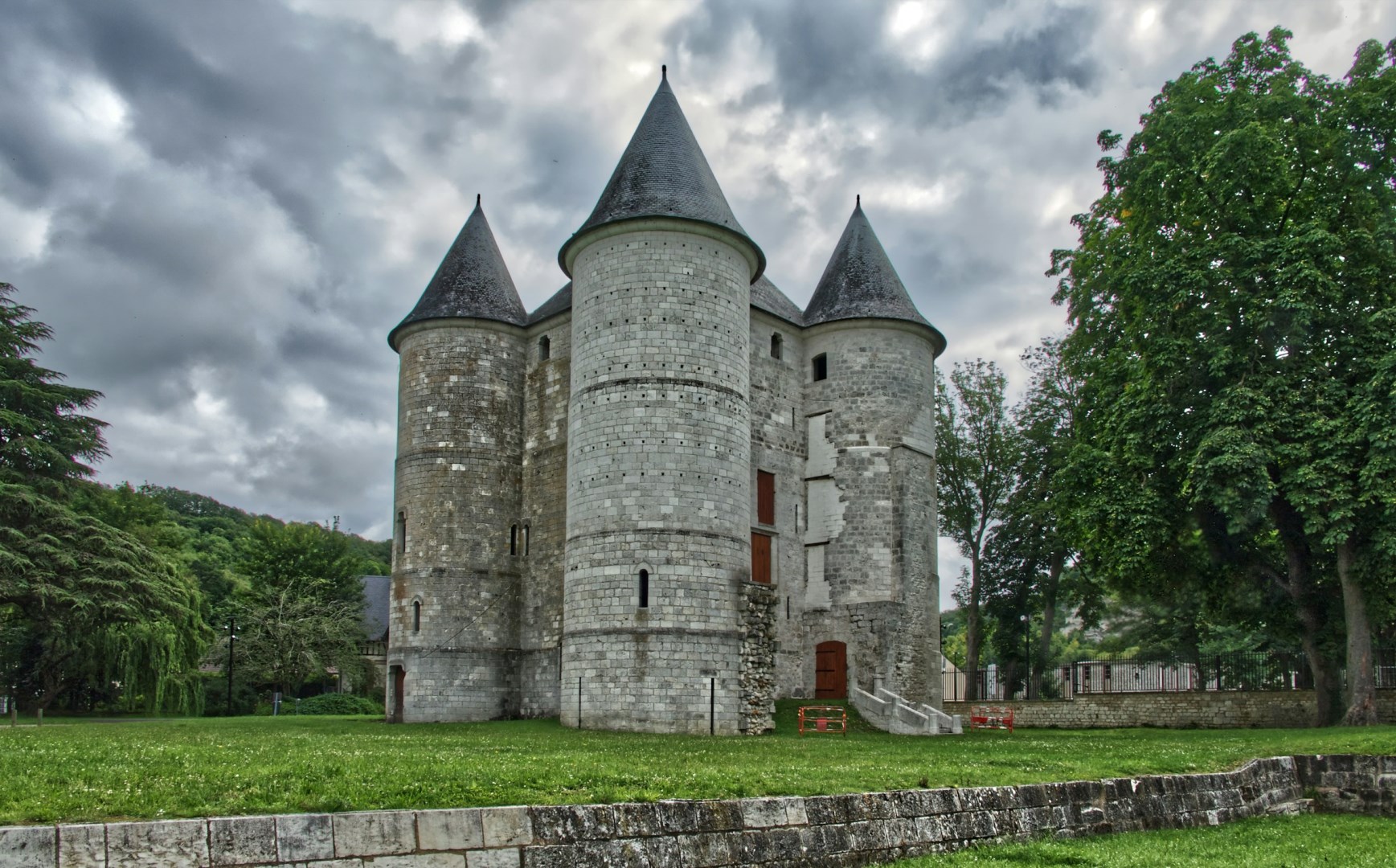
Vernon, located in the picturesque Normandy region along the banks of the Seine River, is a charming town that offers a delightful mix of history, culture, and natural beauty.
Saguaro National Park
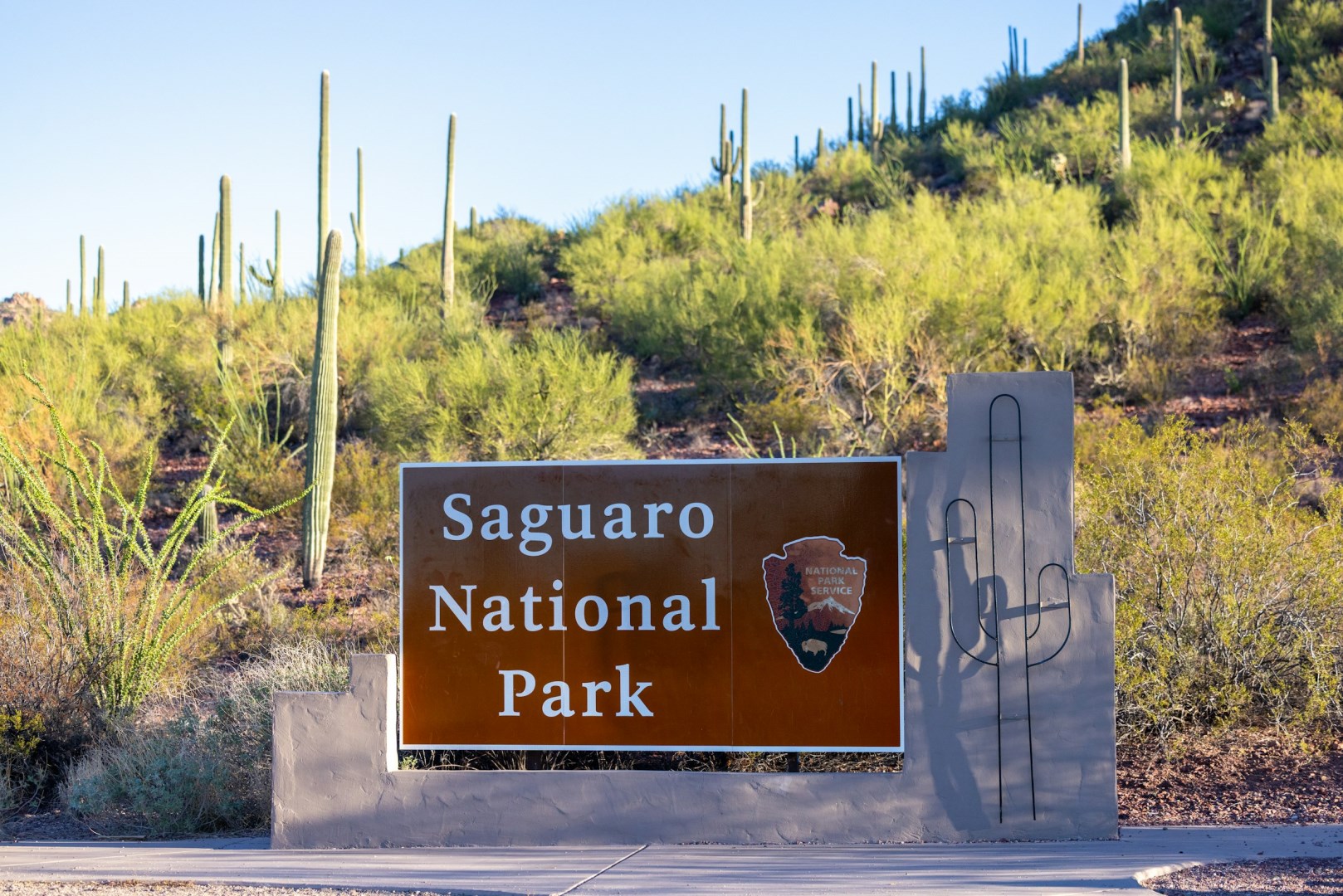
Just outside of Tucson lies Saguaro National Park, which is home to hundreds of saguaro cacti, the iconic symbol of the old West. There are endless scenic hikes and wildlife habitats, and the Arizona-Sonora Desert Museum isn't to be missed. The star of the park, of course, are the cacti themselves, and there are few more beautiful sights than seeing them silhouetted against the beauty of a magnificent desert sunset.