Limerick
Nestled along the banks of the majestic River Shannon in western Ireland, Limerick is a city where history and modern life blend seamlessly, offering a unique and authentic Irish experience that captures the charm and spirit of the Emerald Isle. With origins stretching back to the Viking era, Limerick offers an intriguing glimpse into the past with plenty to explore.
Kaohsiung
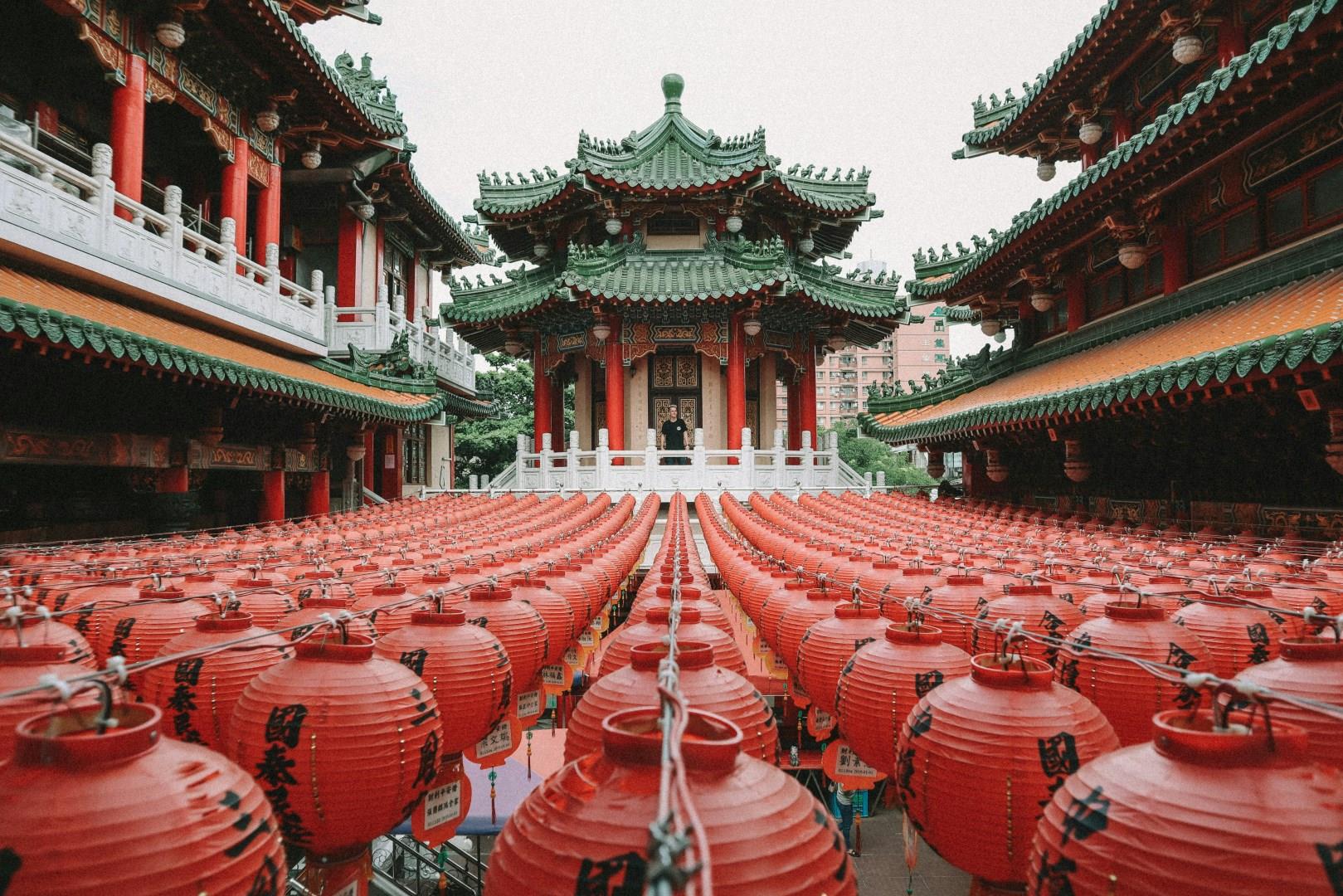
Kaohsiung sits on Taiwan’s southern coast and rises from one of the island’s busiest harbors into a city that rewards slow exploration and lively discovery. History and local belief surface at the Dragon and Tiger Pagodas beside Lotus Pond in Zuoying District. These twin pagodas that are connected to the shore by a zigzag bridge, invite visitors to walk through the dragon’s mouth and out the tiger’s, a practice locals associate with turning bad luck into good fortune.
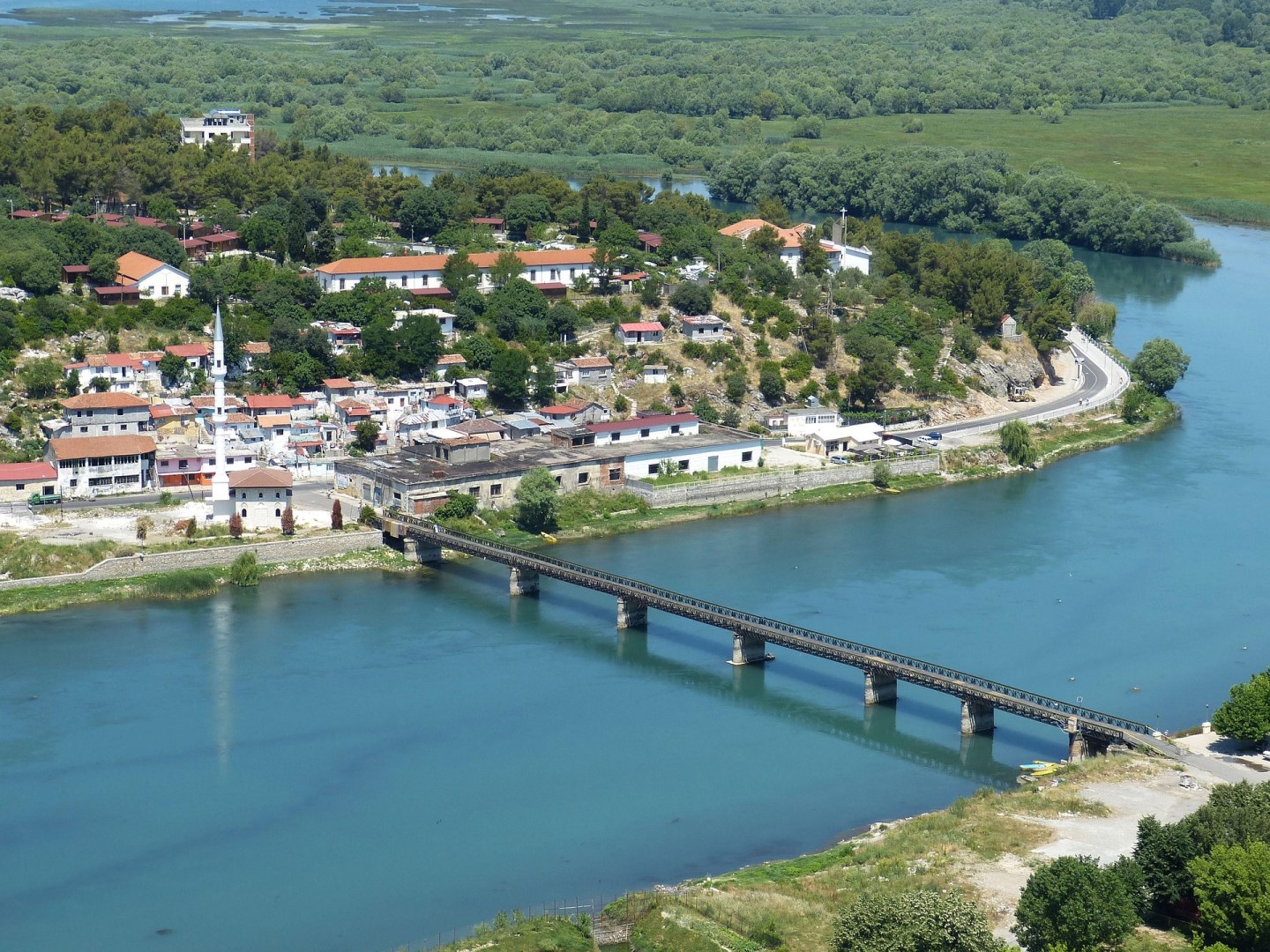
Shkodër
Shkodër is a historic city in northwestern Albania, located near Lake Shkodër and the meeting point of the Buna, Drin, and Kir rivers. Its position between the lake, lowland plains, and the Albanian Alps gives the city a varied setting and makes it an important gateway to northern Albania. Shkodër is known for its bicycle culture, pedestrian streets, historic neighborhoods, and strong artistic traditions.

Iguassu Falls
Iguassu Falls, straddling the border between Brazil and Argentina, is a breathtaking natural wonder that captivates visitors with its sheer scale and beauty. This UNESCO World Heritage Site boasts the largest waterfall system in the world, with nearly 275 individual falls cascading over a rugged landscape.

Thailand
Thailand is a country where centuries-old traditions coexist with vibrant modern life. From ancient kingdoms that left behind grand temples and ruins to lively festivals filled with music, dance, and color, Thai culture is deeply rooted in spirituality and community.