South Carolina draws travelers in with its layers of history, distinctive regional flavors, and landscapes that range from quiet marshes to mountain trails. In Charleston, cobblestone streets wind past antebellum homes and hidden courtyards. Beaufort, tucked along the Intracoastal Waterway, charms visitors with moss-draped oaks, shrimp boats, and preserved architecture that has earned it comparisons to a living movie set and was indeed, where several films, including *Forrest Gump*, were filmed.
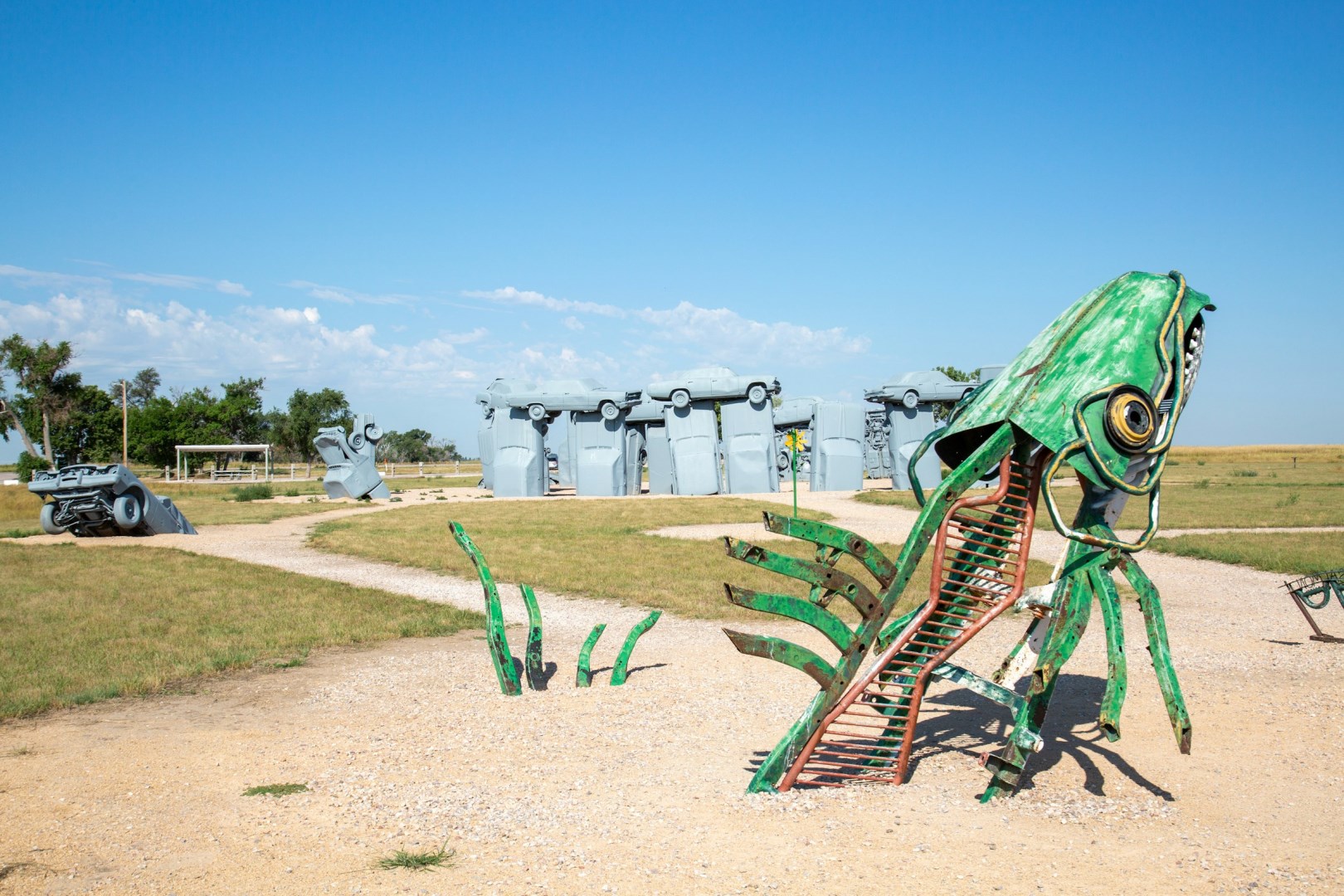
Alliance is a city in western Nebraska, located within the High Plains near the Pine Ridge and Sandhills regions. Its position along major rail routes helped establish it as a transportation and agricultural center, and rail activity remains an important part of its local identity.
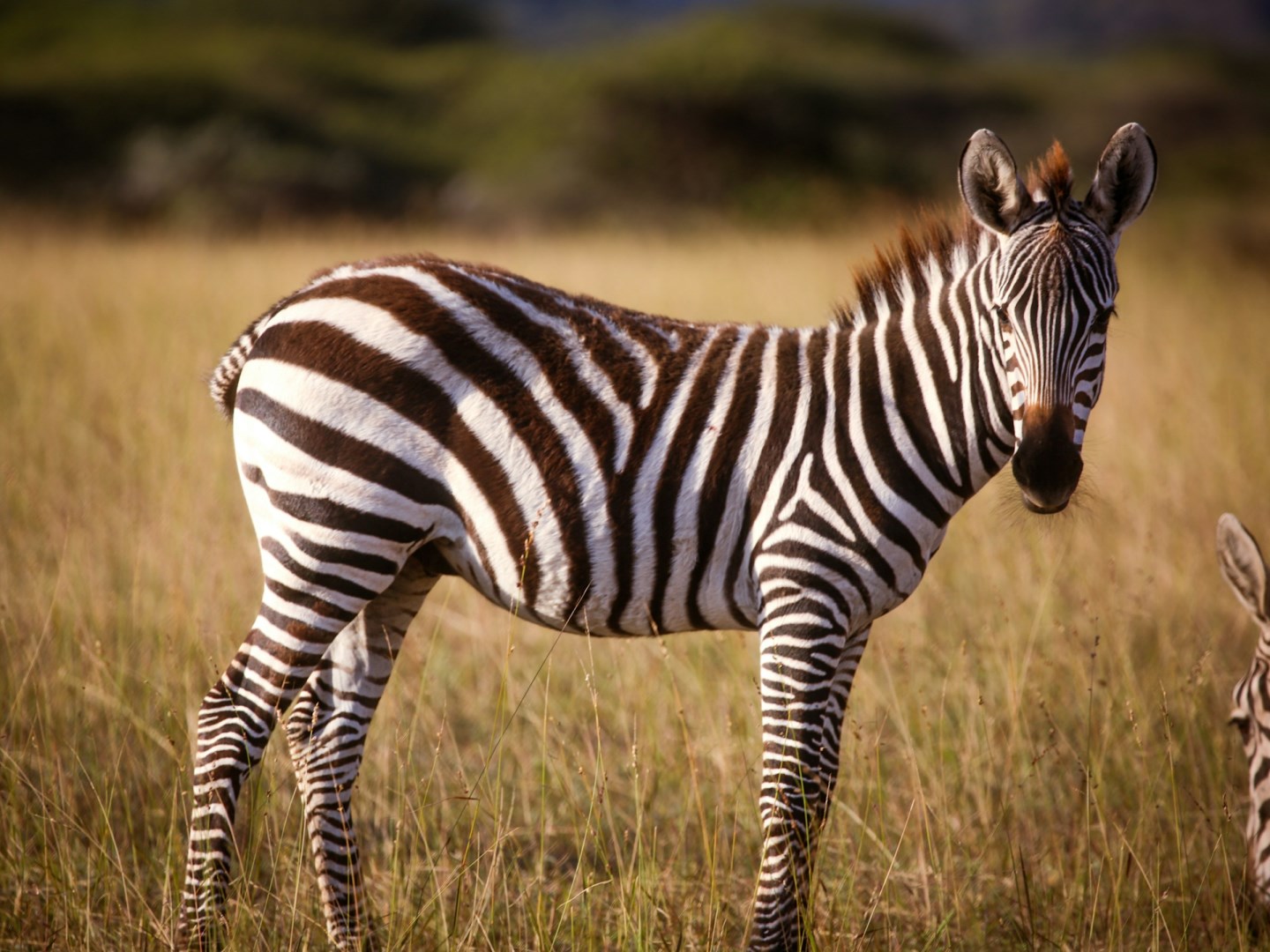
Chyulu Hills National Park lies in southeastern Kenya between Amboseli and Tsavo, forming a long range of volcanic hills covered by grassland, shrubland, and patches of montane forest. The hills rise from the surrounding plains and are shaped by relatively recent volcanic activity, with lava flows, cones, caves, and other geological features visible across the landscape.
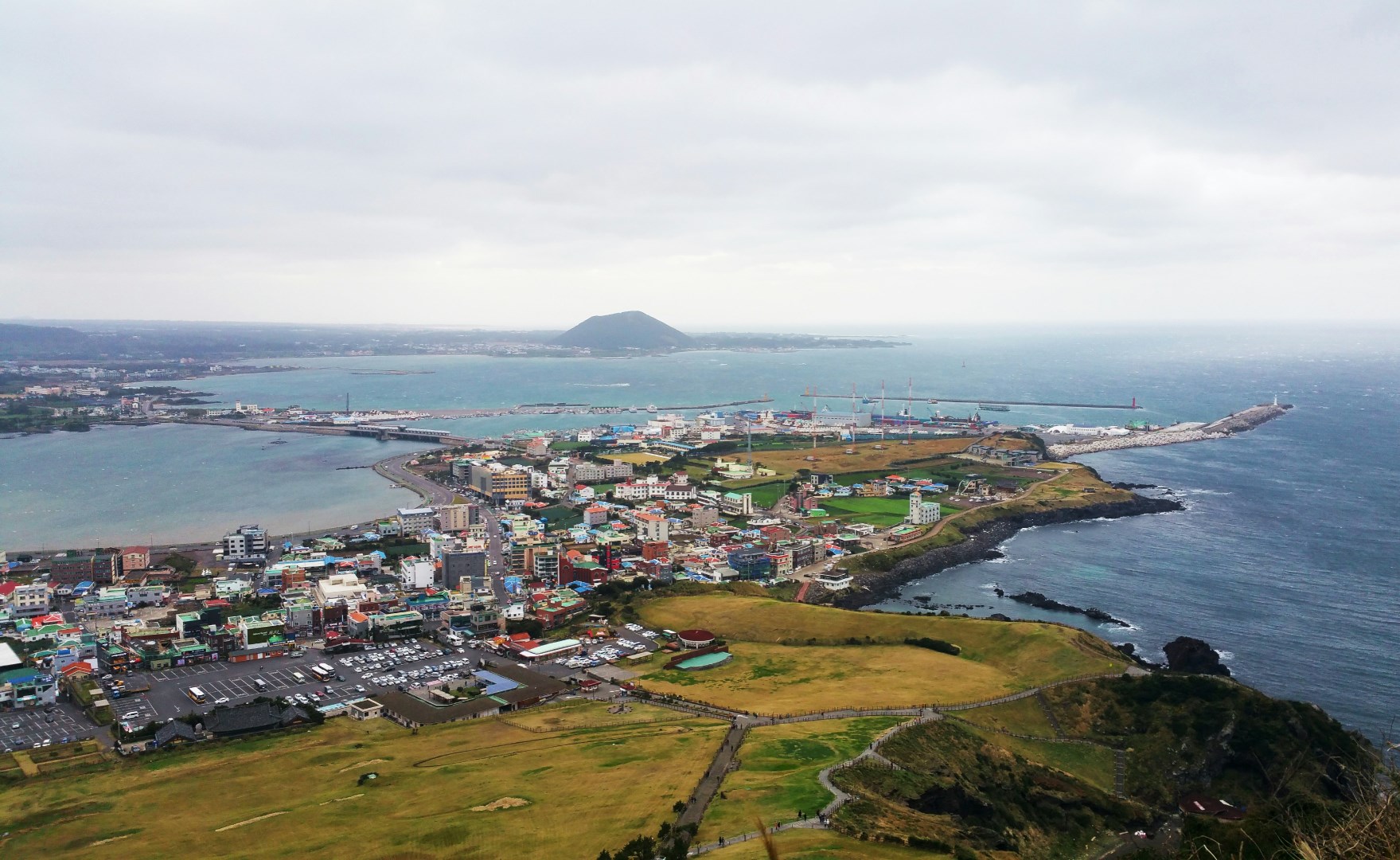
Jeju, often written as Cheju in older English sources, is South Korea’s largest island and lies in the Korea Strait south of the Korean Peninsula. The island is known for its volcanic landscapes, coastal cliffs, lava tubes, and the prominent peak of Hallasan, which rises at its center.
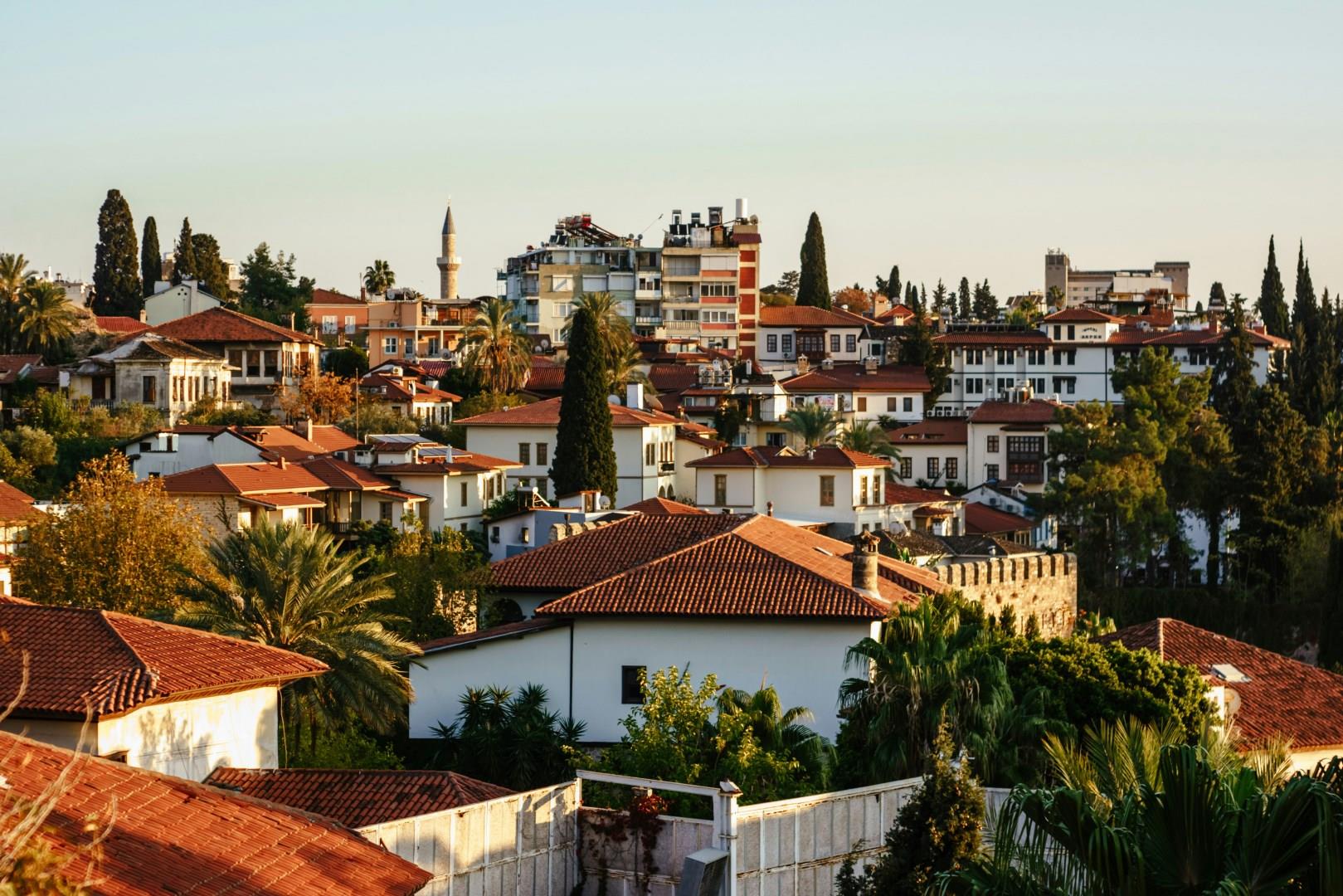
Selcuk, a small town in western Turkey’s İzmir Province, is one of the country’s richest destinations for history lovers. It sits at the foot of the ancient city of Ephesus, once one of the great cities of the classical world and home to the Temple of Artemis, one of the Seven Wonders of the Ancient World.
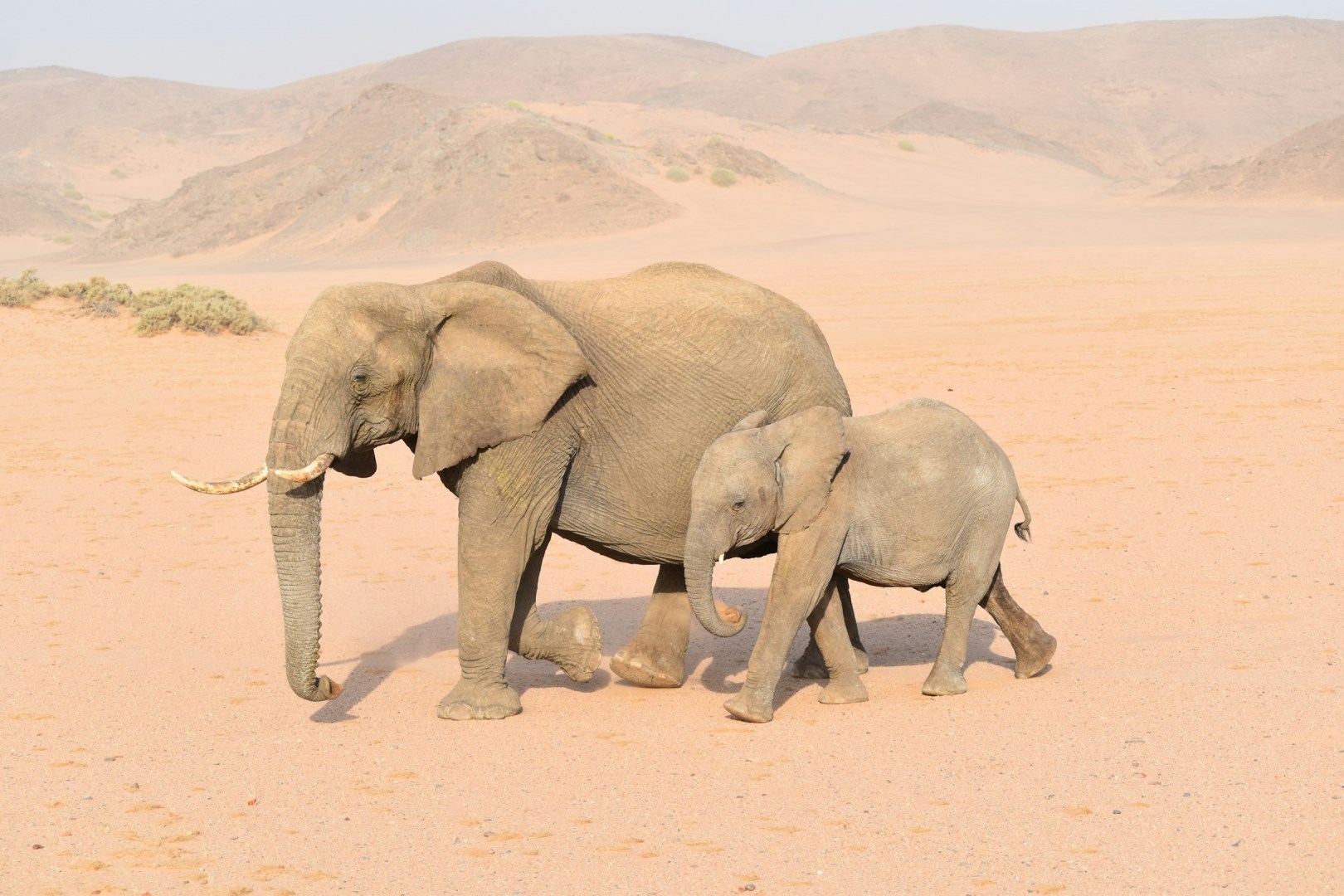
Photo Credit: Photo by Patrick Duvanel on Unsplash
Photo Credit: Photo by Eelco Böhtlingk on Unsplash
Photo Credit: Photo by Claudio Piacentino on Unsplash
Photo Credit: Photo by Eelco Böhtlingk on Unsplash
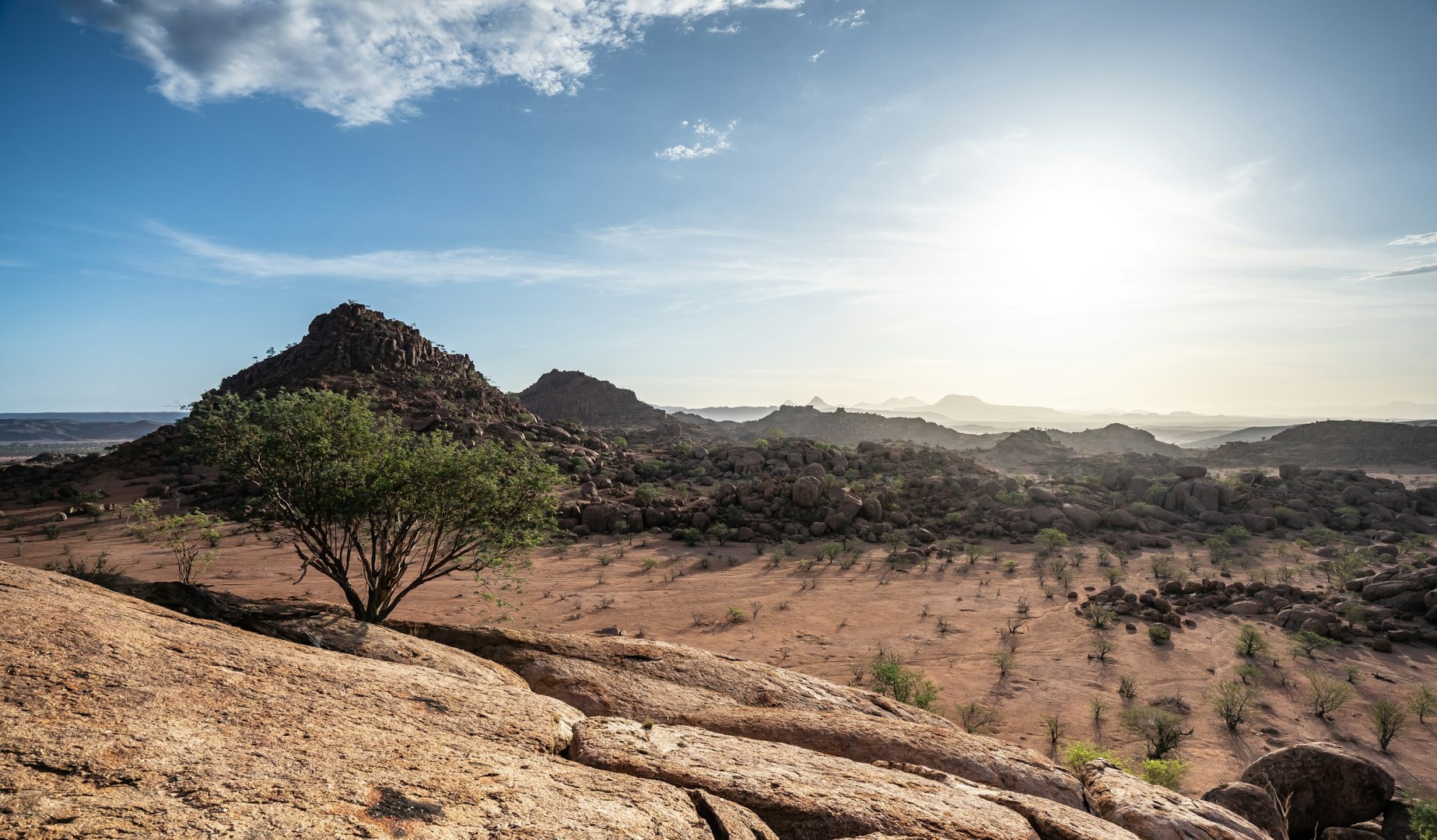
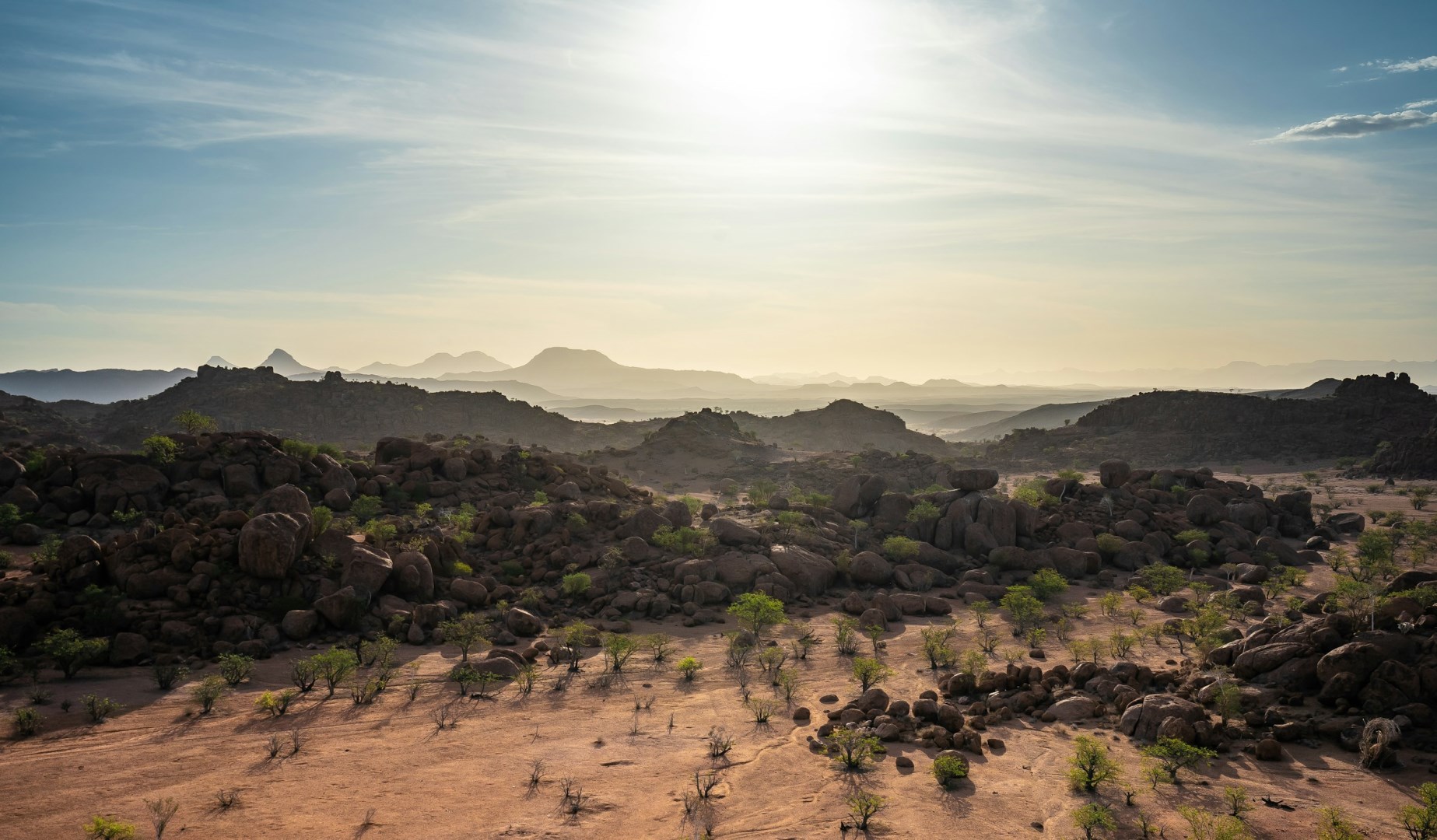
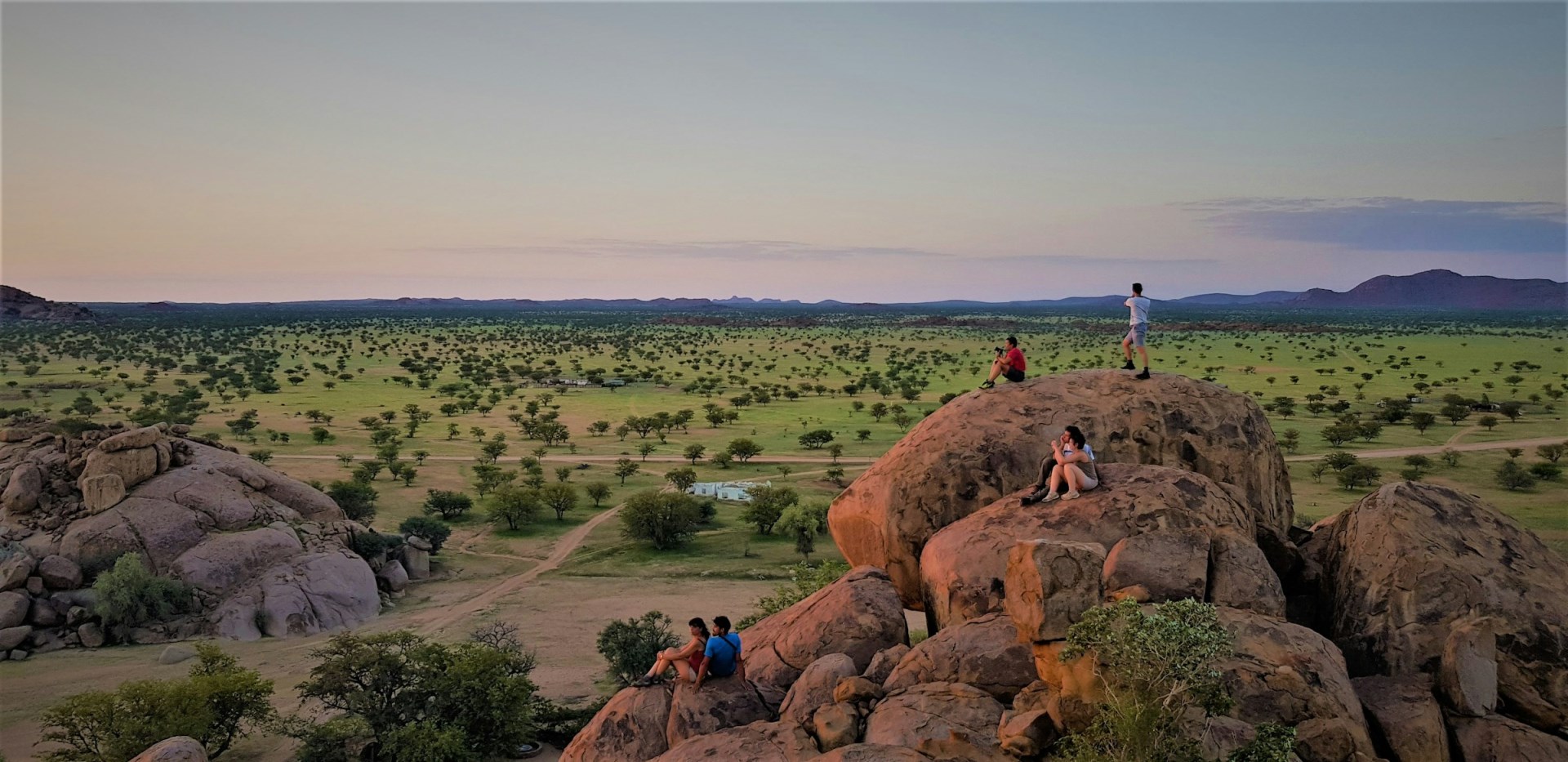
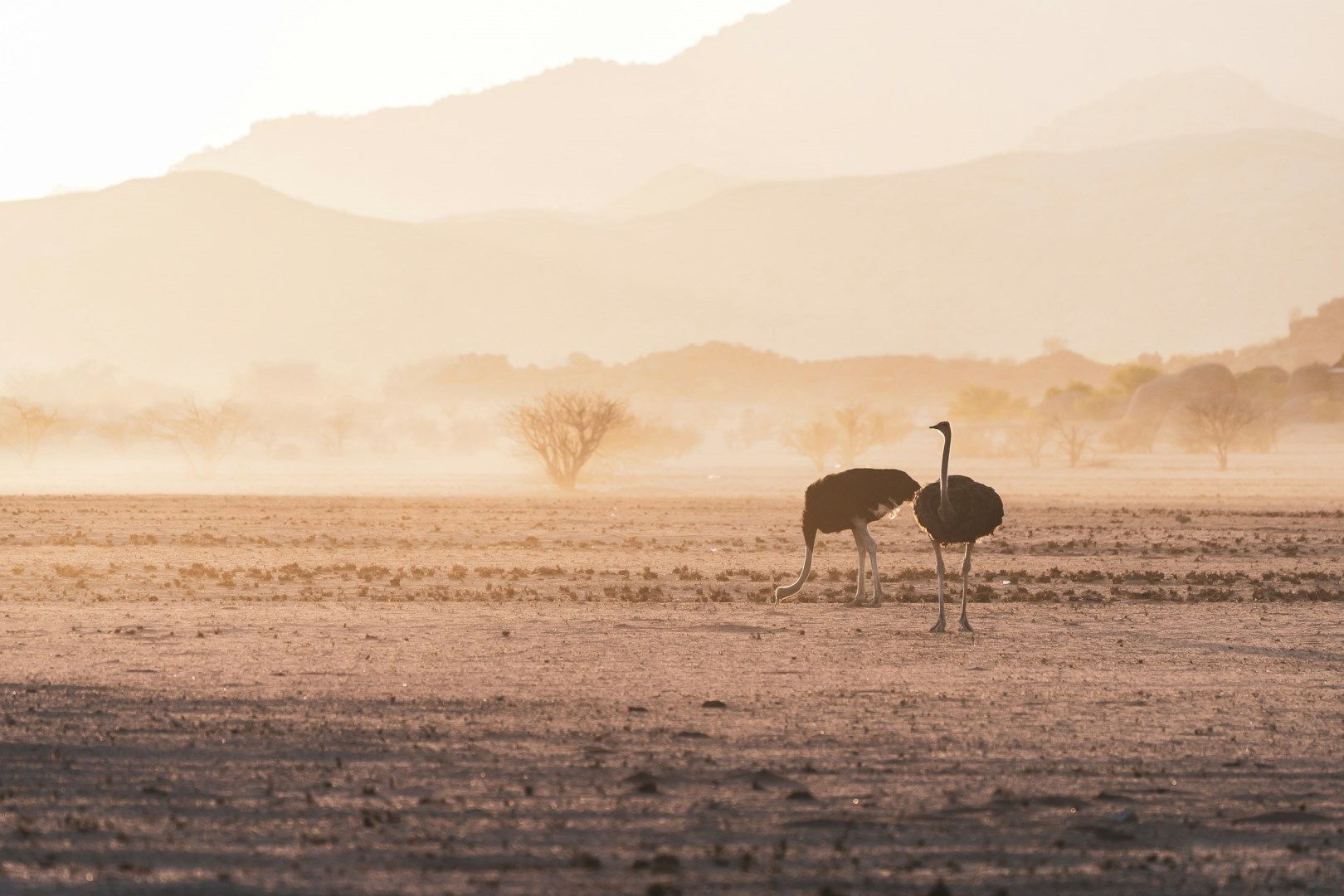
Damaraland, located in northwestern Namibia, is a mesmerizing landscape where ancient history and natural beauty converge. This rugged region, part of the larger Kunene region, is renowned for its dramatic landscapes, including the breathtaking Brandberg Mountain, the highest peak in Namibia. The Brandberg is not only a natural wonder but also a treasure trove of prehistoric rock art, including the famous White Lady painting, which dates back over 2,000 years.
For wildlife enthusiasts, Damaraland offers a rare glimpse of desert-adapted elephants, which roam this arid terrain in search of scarce water sources. These resilient giants are part of the region’s unique wildlife experience, which also includes sightings of black rhinos and various antelope species. The opportunities for game viewing and tracking in Damaraland are unparalleled, providing a once-in-a-lifetime chance to witness these majestic animals in their natural habitat.
The area is also home to the Huab River, a seasonal river that supports a variety of wildlife and provides stunning scenery. Visitors can explore the riverbed and surrounding areas on guided tours, which often include walks with local guides who share insights into the region’s flora, fauna, and traditional cultures. The hospitality of local lodges, offers an immersive experience in this remote wilderness.
Fun fact: The name "Damaraland" is derived from the indigenous Damara people, who have lived in the region for centuries. Their traditional knowledge of the land, including survival strategies in the harsh environment, adds a rich cultural layer to the natural beauty of the area.
Other Popular Destinations in Namibia
Etosha National Park
Etosha National Park, located in northern Namibia, is one of Africa’s most renowned wildlife destinations. Covering nearly 8,500 square miles, it is centered around the Etosha Pan, a massive salt flat that can be seen from space. During the dry season, animals gather around waterholes, creating spectacular wildlife viewing opportunities that attract visitors from around the world.
Swakopmund
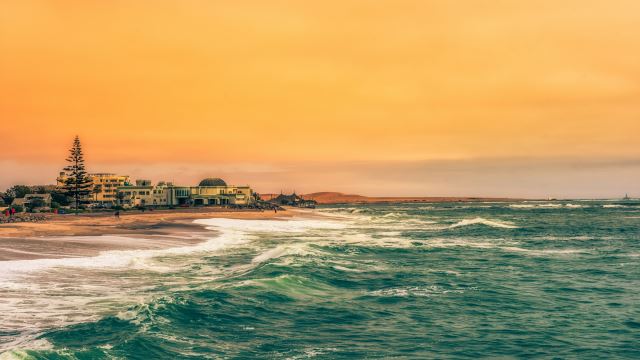
Swakopmund, on Namibia’s Atlantic coast, is a town where desert meets ocean in striking contrast. Founded by German colonists in the late 19th century, its streets are lined with colonial-era buildings painted in pastel colors, giving the town a distinctly European feel.